
The Trip We’d Been Dreaming About for a Decade
Are you planning a Family Vacation In Tahiti?
There are trips you plan, and there are trips you dream about. The Islands of Tahiti lived in our family’s imagination for over a decade — pinned to Pinterest vision boards, featured in collages made from torn-out magazine pages, referenced in those dinner-table conversations where you say “someday.”
And then “someday” became “March Break”. “I’m not joking,” I said as they sat down for their breakfast. “We’re going to French Polynesia, we leave in 10 days!”
We had no idea that a twelve-hour journey from Vancouver would land us somewhere that would change the way we travel, the way we think about the world, and the way we understand what it means to feel truly welcomed.
This article is the overview — the anchor for everything we experienced, every story we brought home, and every article we’ve written about the places and people that made this trip extraordinary.
If you’re dreaming about the Islands of Tahiti the way we once were, start here. And then follow the links to go deeper into each piece of the adventure.
From Papeete to Bora Bora, snorkeling with sharks to glamping in Raiatea, this is your complete guide to French Polynesia from a Canadian family who lived it.
What You Need to Know Before You Go
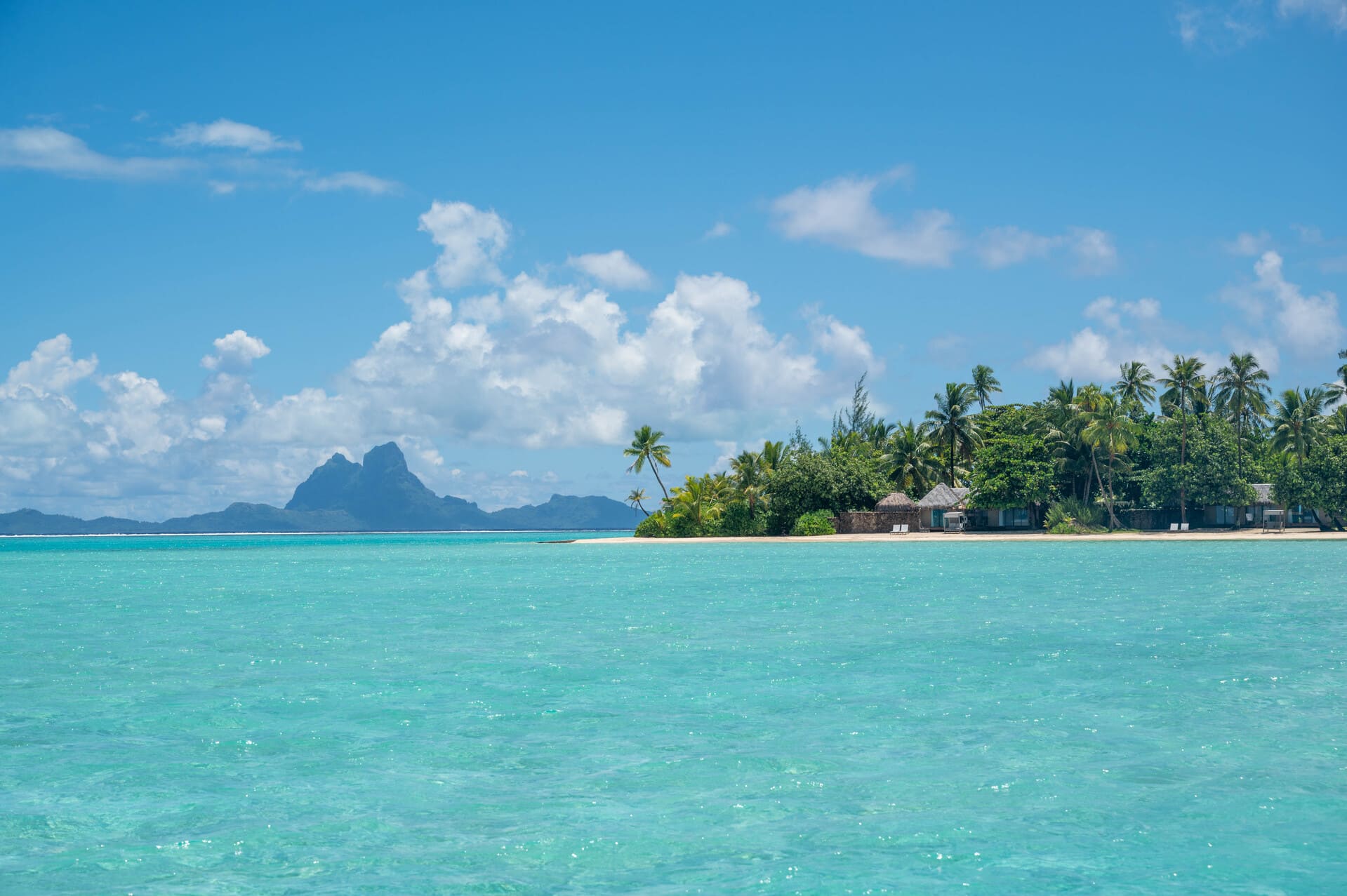
Most Canadians are surprised to learn how accessible the Islands of Tahiti actually are. Here’s what to know before you even start packing:
- Location: South Pacific, south of Hawaii
- Flight from Vancouver: Short connector to LAX (~2.5 hrs), then 8-hour direct on Air Tahiti Nui to Papeete
- Total travel time from Vancouver: approximately 12–13 hours door-to-door
- Time difference from Vancouver: only 3 hours — minimal jet lag
- 118 islands across 5 archipelagos: the Society Islands (Tahiti, Moorea, Bora Bora, Raiatea), Tuamotus, Marquesas, Australs, and Gambier
- Languages spoken: Tahitian, French, English
- Visa Requirements: No visa required for Canadian visitors
- Average temperature: 27°C year-round
- What Makes It Special: Home to the largest marine protected area in the world
Canadian Tip: The 3-hour time change from Vancouver means no lost days to jet lag. You arrive and you’re on. Every single day of your trip counts.
Getting There: The Journey Starts on Air Tahiti Nui
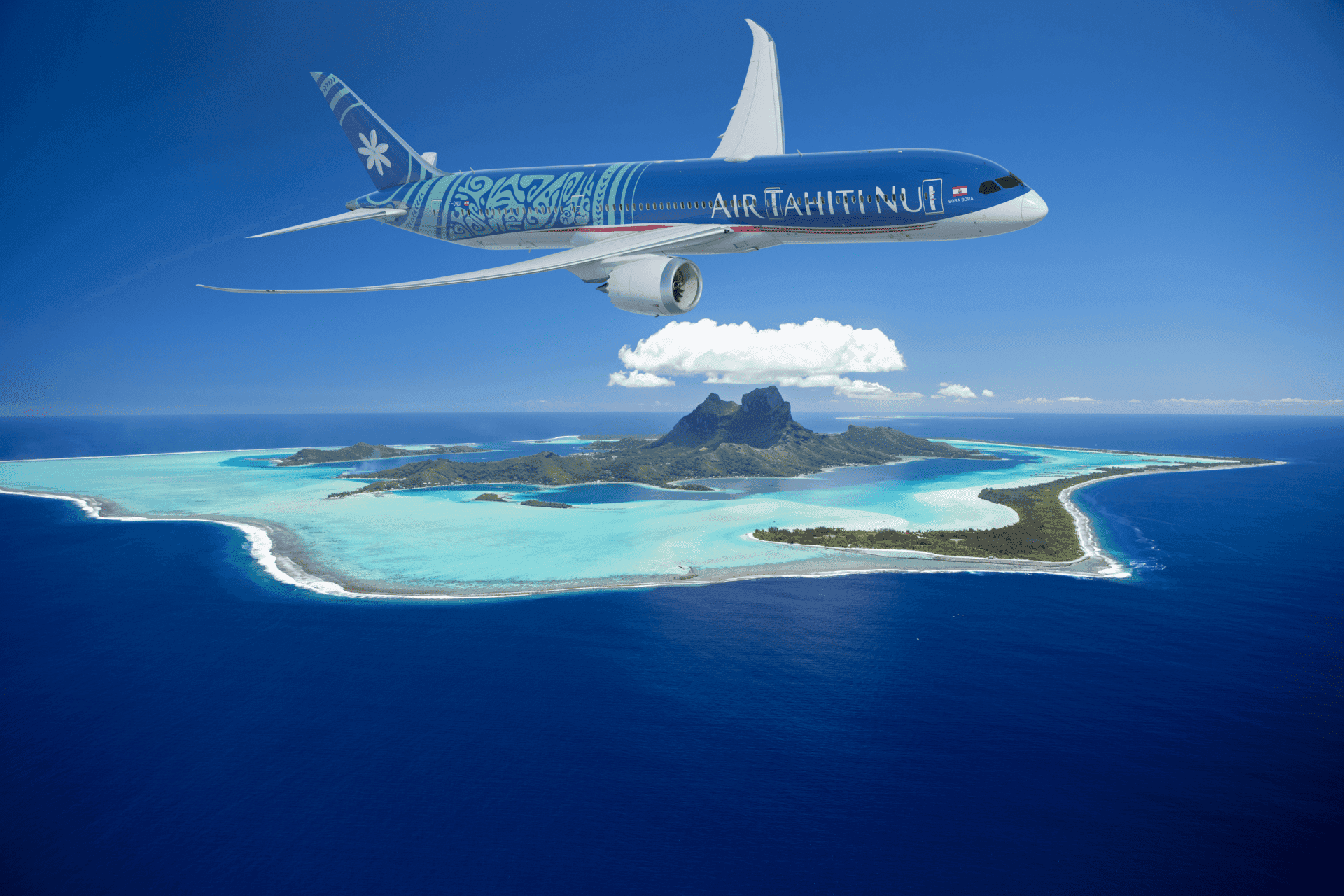
Your family vacation in Tahiti begins before you land. It begins the moment you step onto Air Tahiti Nui.
The scent of tiare flowers — the national flower of French Polynesia — drifts through the cabin. The seats are wrapped in bright teal with fluorescent pink, teal, and yellow pillows decorating them. The crew greets each passenger with the kind of warmth that tells you this isn’t a job to them. It’s a calling. They are, as Air Tahiti Nui puts it, ambassadors for their islands. And they live it.
What I didn’t know before we flew — and only learned after — is that this crew’s warmth is baked into the airline’s founding philosophy: the concept of ‘Mana’, the Polynesian cultural force that reflects the deep-rooted welcoming spirit of island people. I felt it without knowing the word for it. That’s when you know it’s real.
Our overnight red-eye wasn’t crowded. We stretched across three rows. Slept. Ate a warm breakfast as the Pacific moved beneath us. And then, at 5 AM, the doors of the plane opened, and the warm Tahitian air came rushing in. We walked down the stairs onto the tarmac — something Canadians almost never do — and looked back at that big, beautiful plane. Inside the terminal, we could already hear the music. A welcome crew was singing, dancing, and playing ukulele.
It was official, our dream trip had begun!
The Islands: A Two-Week Journey Through French Polynesia
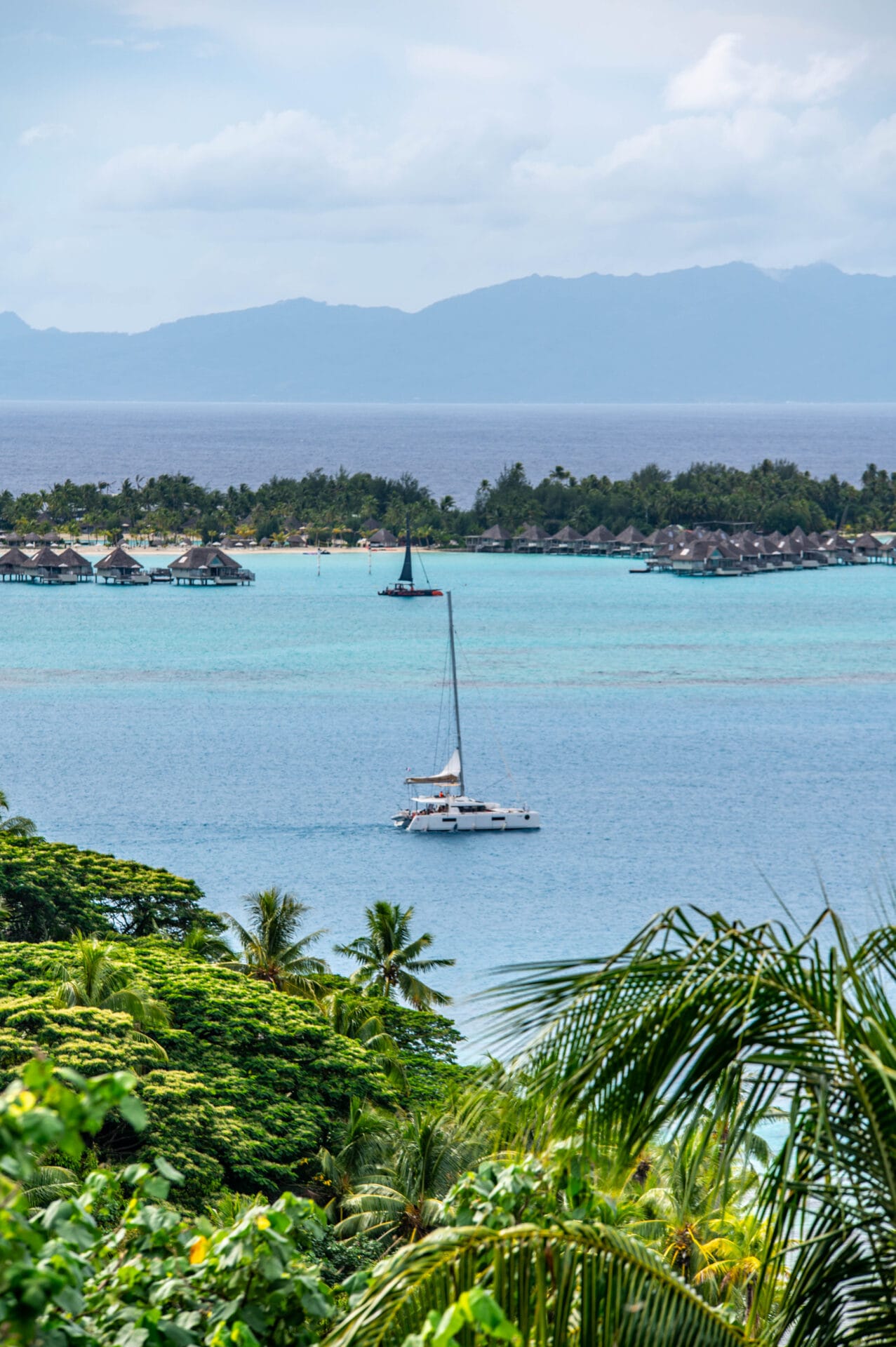
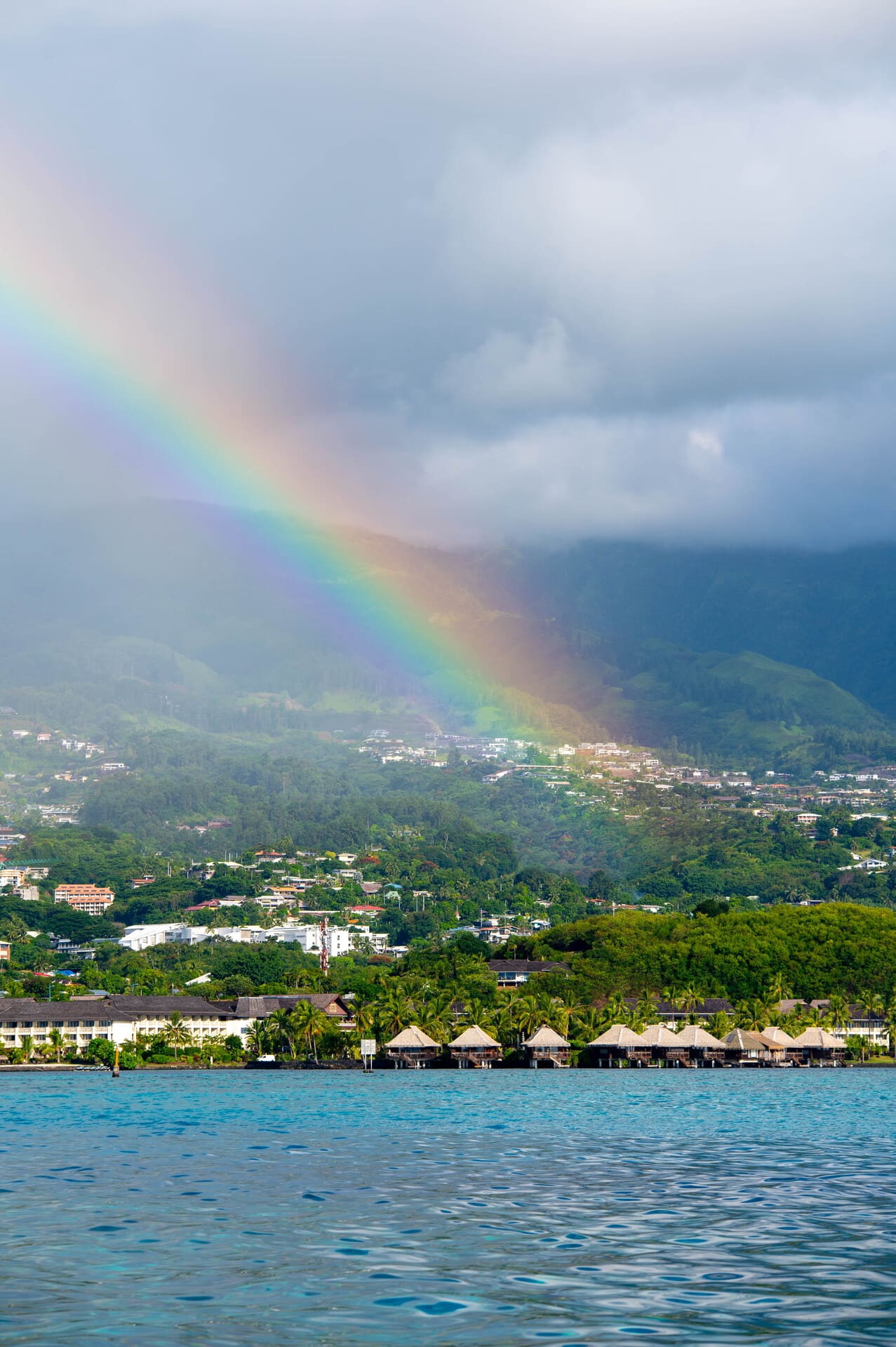
We visited four islands over two weeks: Tahiti, Moorea, Raiatea, and Bora Bora. Each one brought us a different set of experiences, from the bigger city of Papeete to southern island luxury glamping, to sleeping over the water in one of the newest resorts in Bora Bora!
Here’s a breakdown of how we spent the full two weeks to help you plan out your family vacation in Tahiti.
Island 1: Tahiti — Where It All Begins
Where We Stayed: The InterContinental Tahiti, Papeete
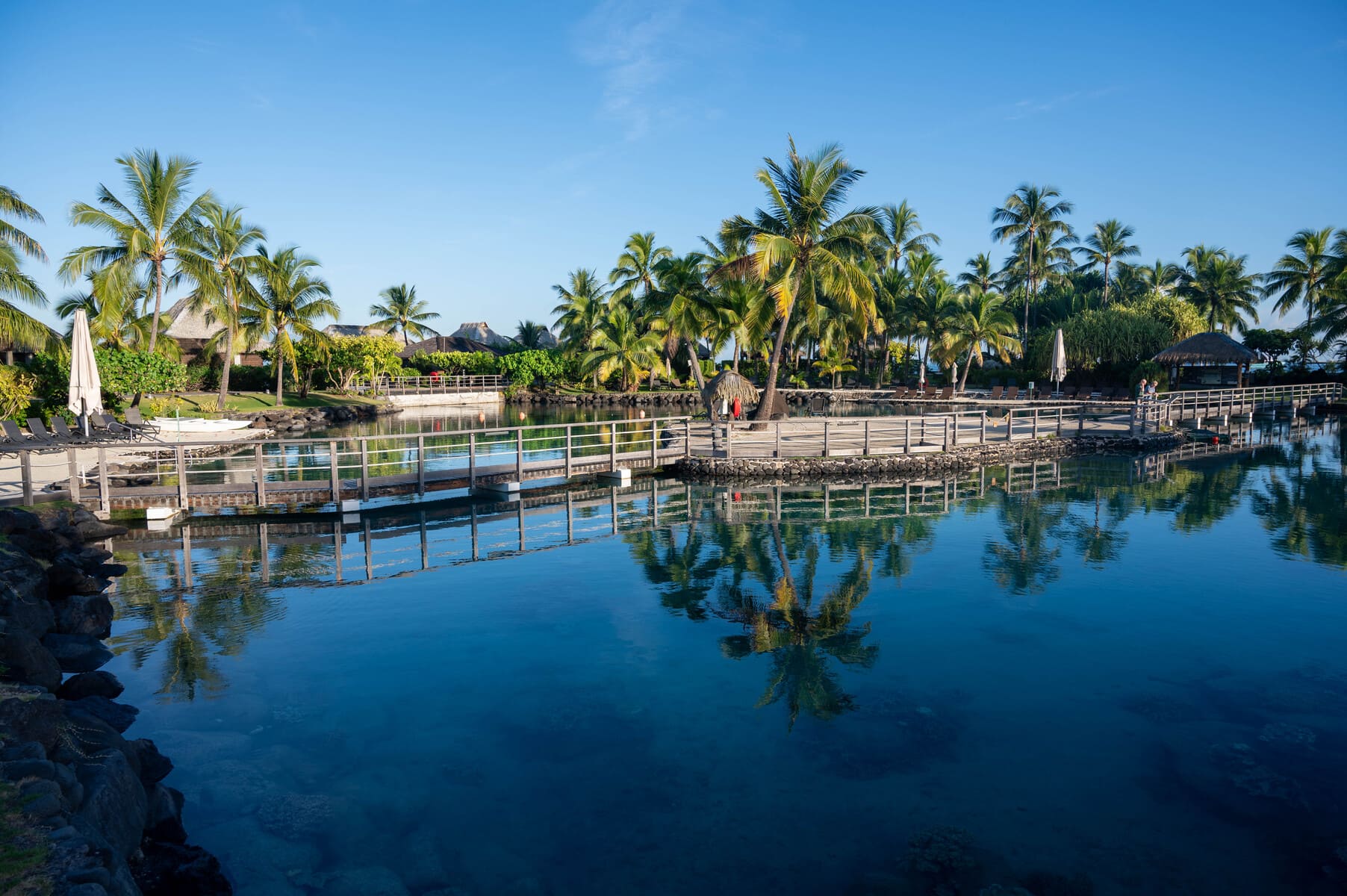
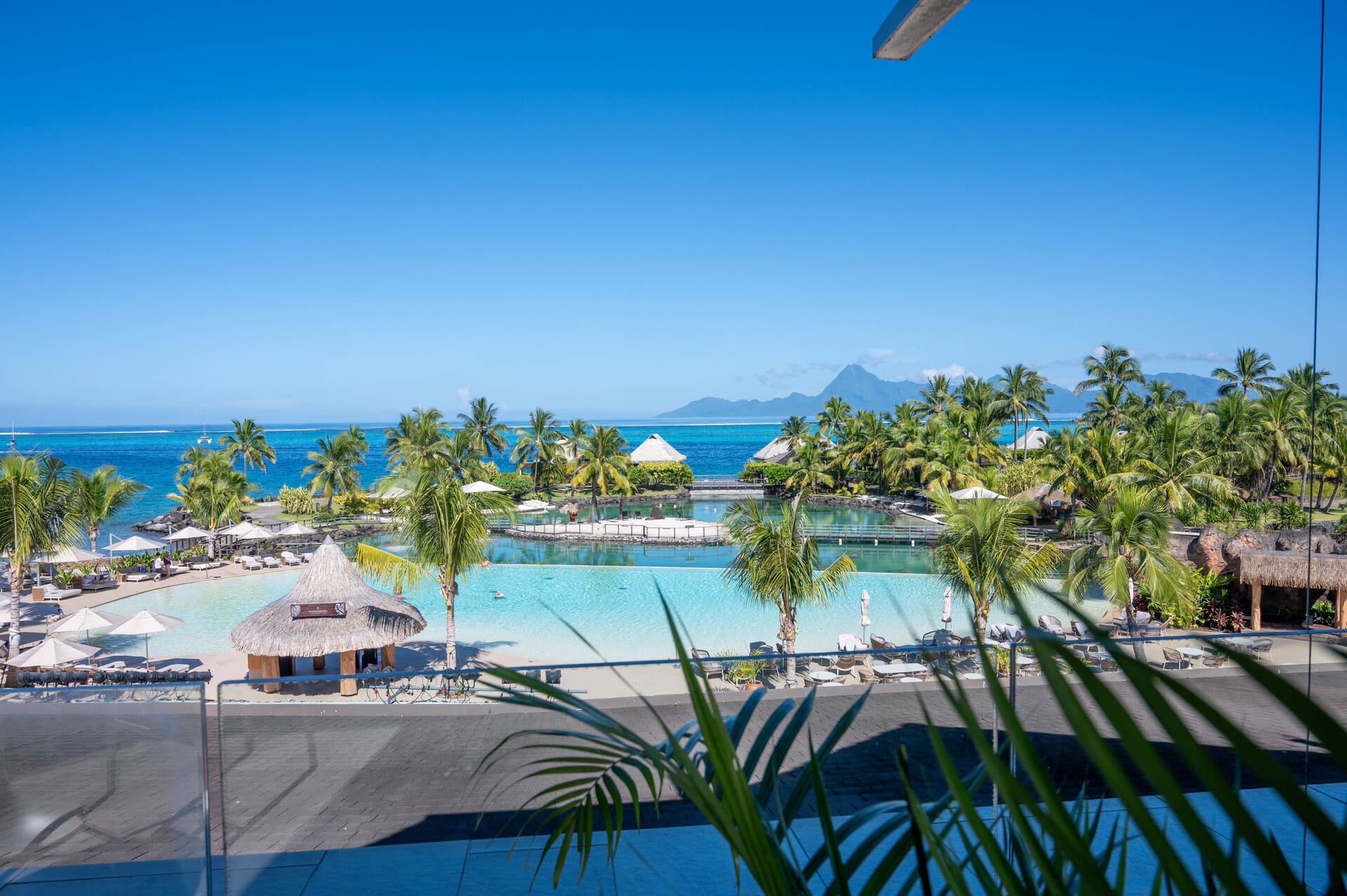
Ten minutes from the airport, the InterContinental Tahiti is the perfect first night once you arrive on the island of Tahiti. As our van doors slid open, the smell of salt air hit us, and the warm breeze wrapped itself around us like a welcome home. We dropped our bags with the concierge and walked — then ran — to the terrace.
The resort’s infinity pool stretched out before us. Beyond that, the lagooonarium with its living turtle sanctuary. Then the overwater bungalows, perched at the water’s edge. And there, on the horizon, rising like a painting placed there specifically: Moorea.
We were giddy in disbelief. We hadn’t even checked in yet.
But it wasn’t just the view that changed everything. It was the people. Every single staff member — the front desk, the concierge, the restaurant hosts, the housekeepers — brought a genuine, unscripted warmth that felt less like hospitality and more like being welcomed into someone’s home. I came for the scenery. I left with something deeper: the feeling of being welcomed into a culture that truly values human connection above all else.
The on-property turtle sanctuary, Te Mana O Te Moana, is one of the highlights of any stay. Two resident green sea turtles — one recovering from an air pocket condition, another from a net injury — live in the lagoonarium alongside eight baby turtles. Educational tours run multiple days a week and are one of the best ways to understand the conservation mission woven throughout the Islands of Tahiti.
What We Did: Snorkeling Tahiti with Captain Keanu
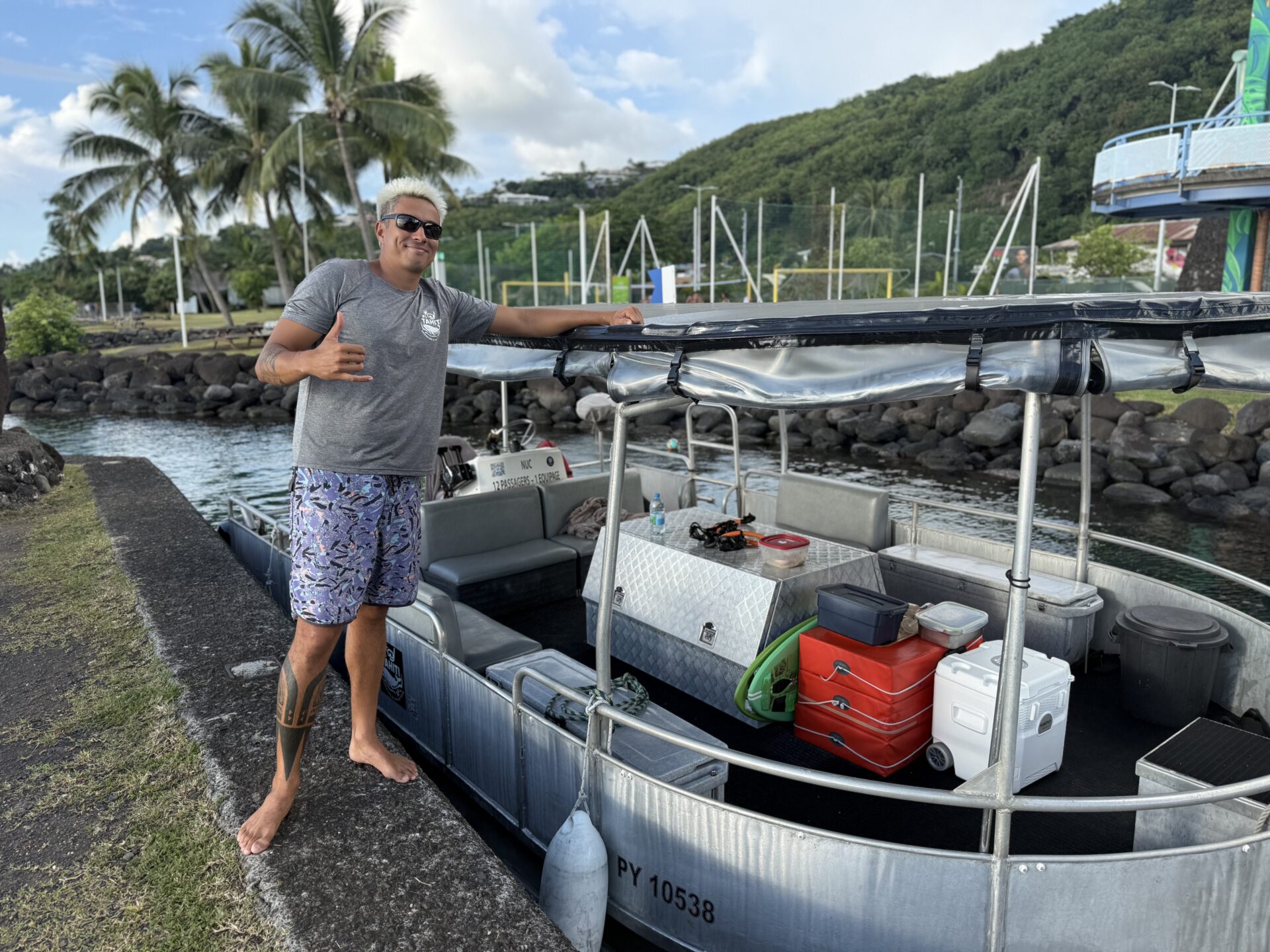
Our first full day in Tahiti, we were on the water by 9 AM. Four hours after landing. Still buzzing from the journey.
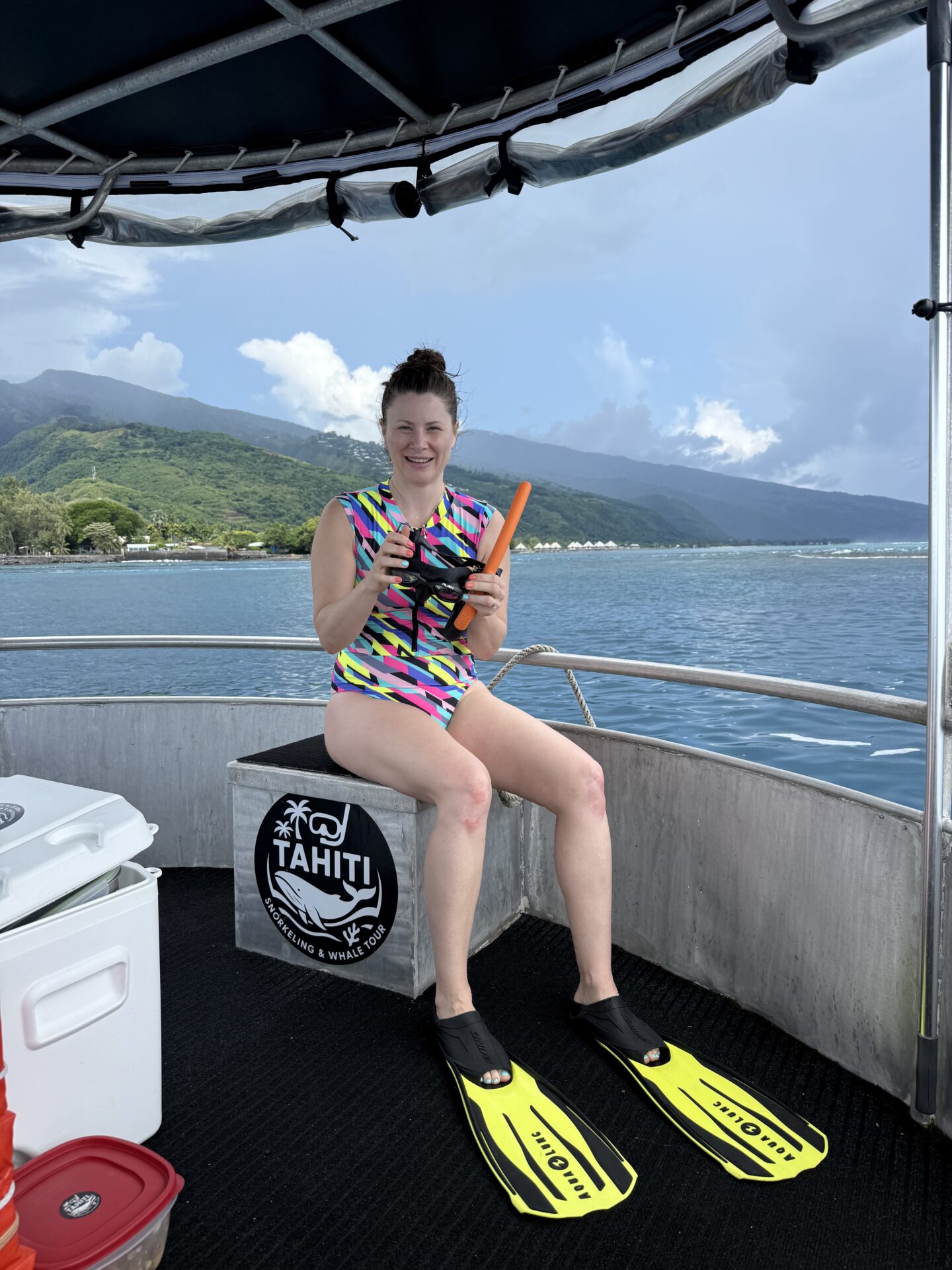
Captain Keanu from Tahiti Snorkeling and Whale Tours took us out into the lagoon, and within sixty seconds of entering the water, a stingray had swum straight over to say hello. What followed was a day that set the tone for the rest of our trip – plentiful encounters with marine life and unexpected surprises.
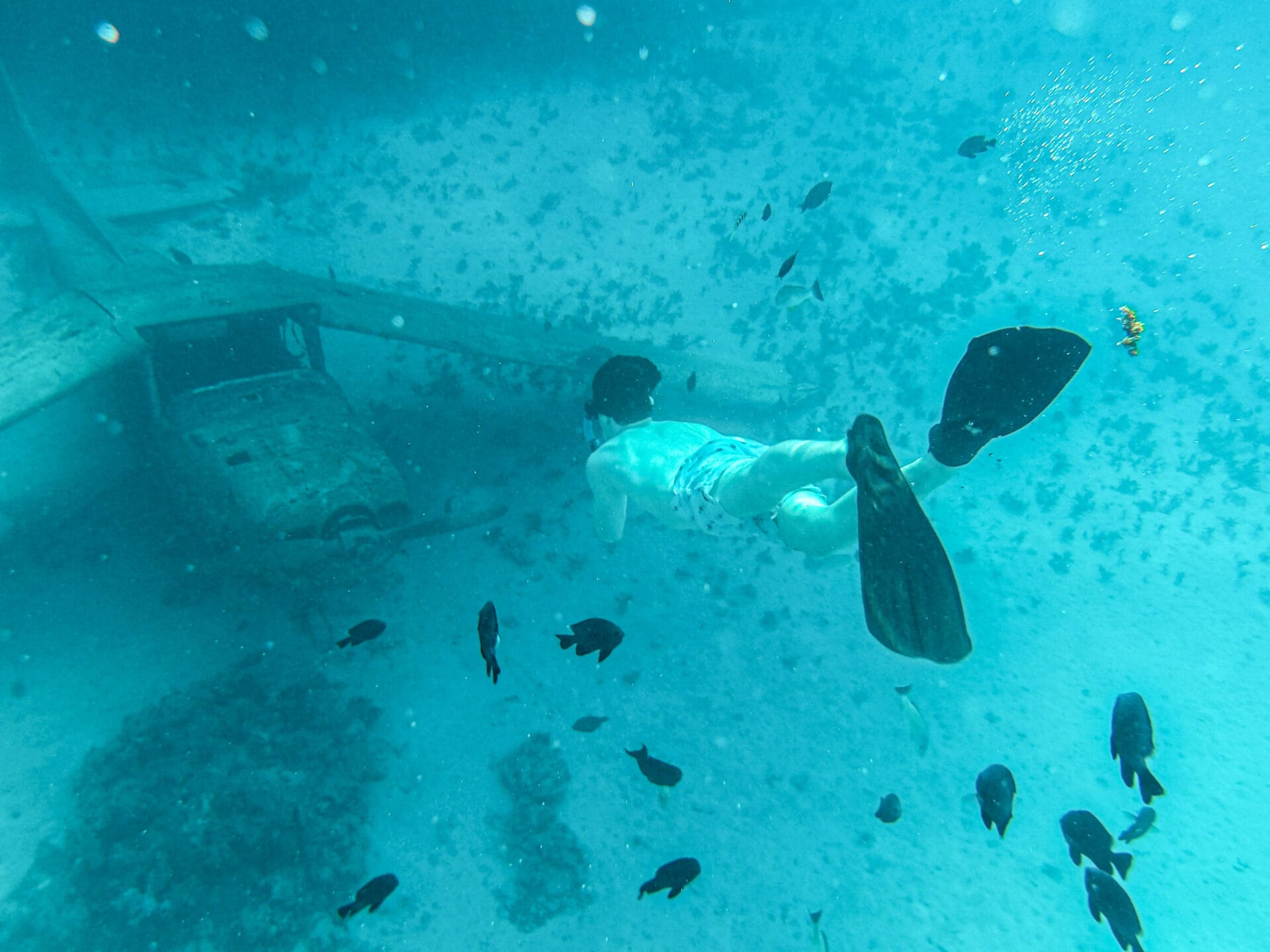
We swam with turtles at Taapuna Pass — so many we lost count. We swam through a powerful current and came out the other side to find a family of eight eagle rays gliding thirty feet below us. We saw coral in colors that felt like we were swimming through the Finding Nemo movie. We snorkeled over a sunken plane and a heart made of rocks on the ocean floor. And on the ride home, a double rainbow appeared over Papeete.
All of this on our first day, and our family vacation in Tahiti had already exceeded our expectations.
Island 2: Moorea — The Early Alarm Worth Every Minute
Where We Stayed: Manava Beach Resort and Spa
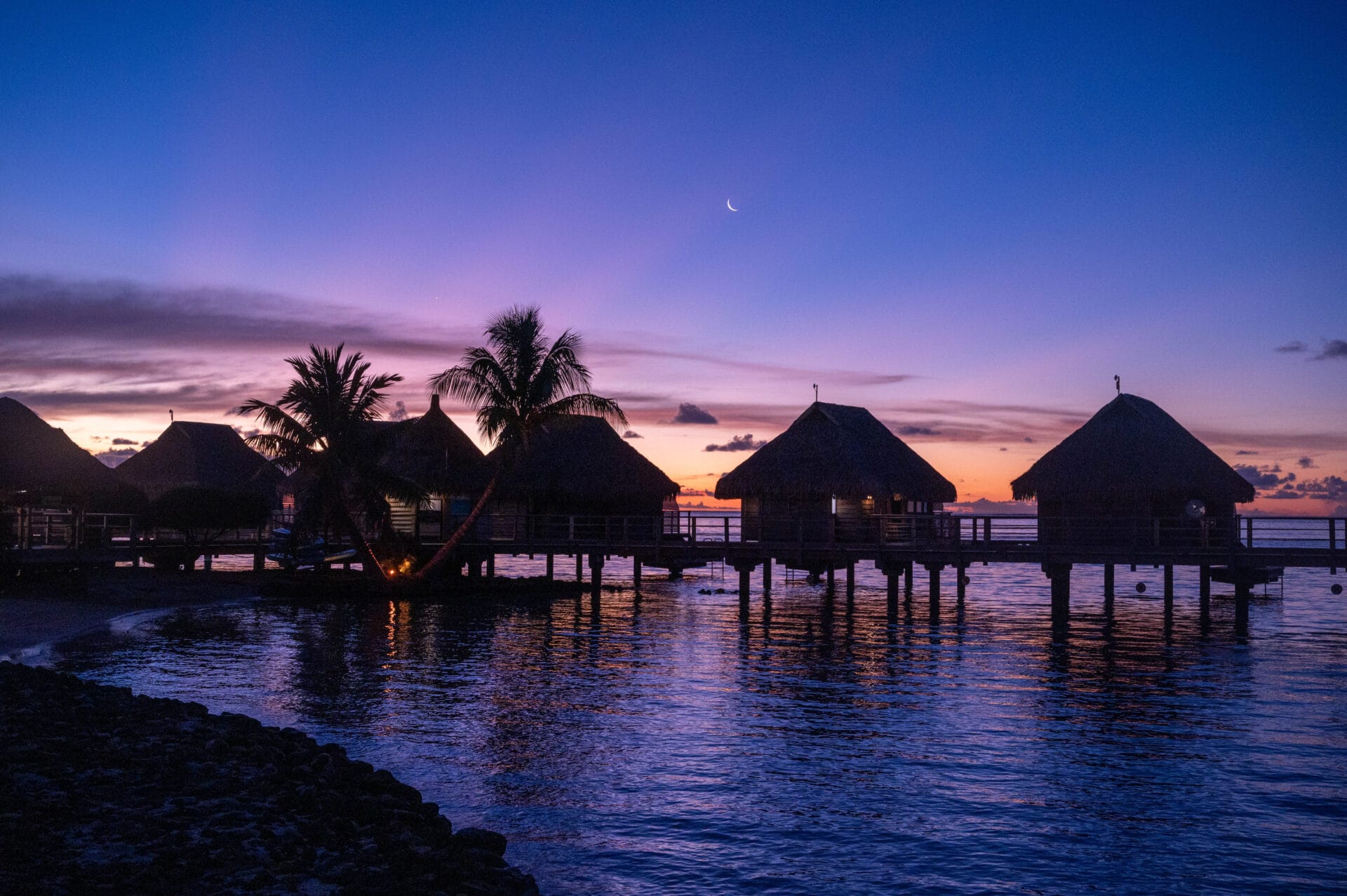
Moorea is a short 20-minute ferry ride from Tahiti, and it is where our family settled into the trip. Manava Beach Resort was the anchor — and it won us over before we’d even unpacked. The moment we arrived, the concierge picked up a ukulele and started playing. Lei necklaces were draped around our necks. Cold towels were offered. We were sat down and given one-on-one attention as if we were the only guests in the resort.
What makes Manava special for families is practical: they have actual family suites — a king bed upstairs, two single beds downstairs, a full bathroom and dining area. In a destination where most resorts are designed for couples, this matters enormously.
The property also sits close enough to Moorea’s main town that you can live like a local for an afternoon. Family-owned restaurants, a grocery store, Made in Moorea boutique, a laundry service that returned everything clean and folded for $20 USD, and Albert’s Rental Cars right across the street for $60 for a full day. We drove the island, hiked up to the Belvedere Lookout, and were back at the pool by sunset.
The snorkeling directly off the property is outstanding: trocas shells, eels at night, sharks, and a coral restoration program run in partnership with a local conservationist actively rebuilding the reef. Book that program in advance. We didn’t, and every session was full for our entire stay.
What We Did: Blue Dream Moorea Snorkeling Tour
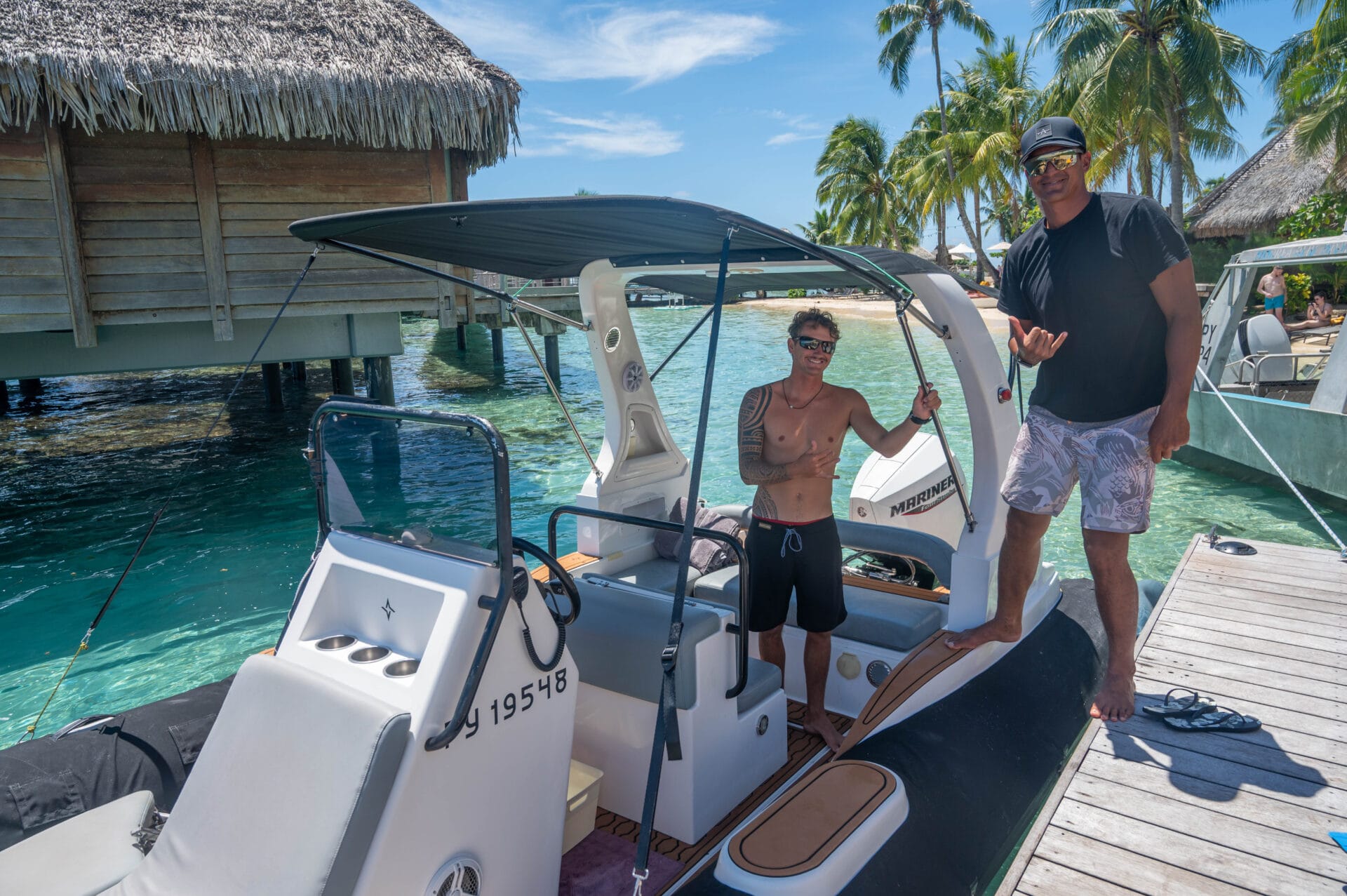
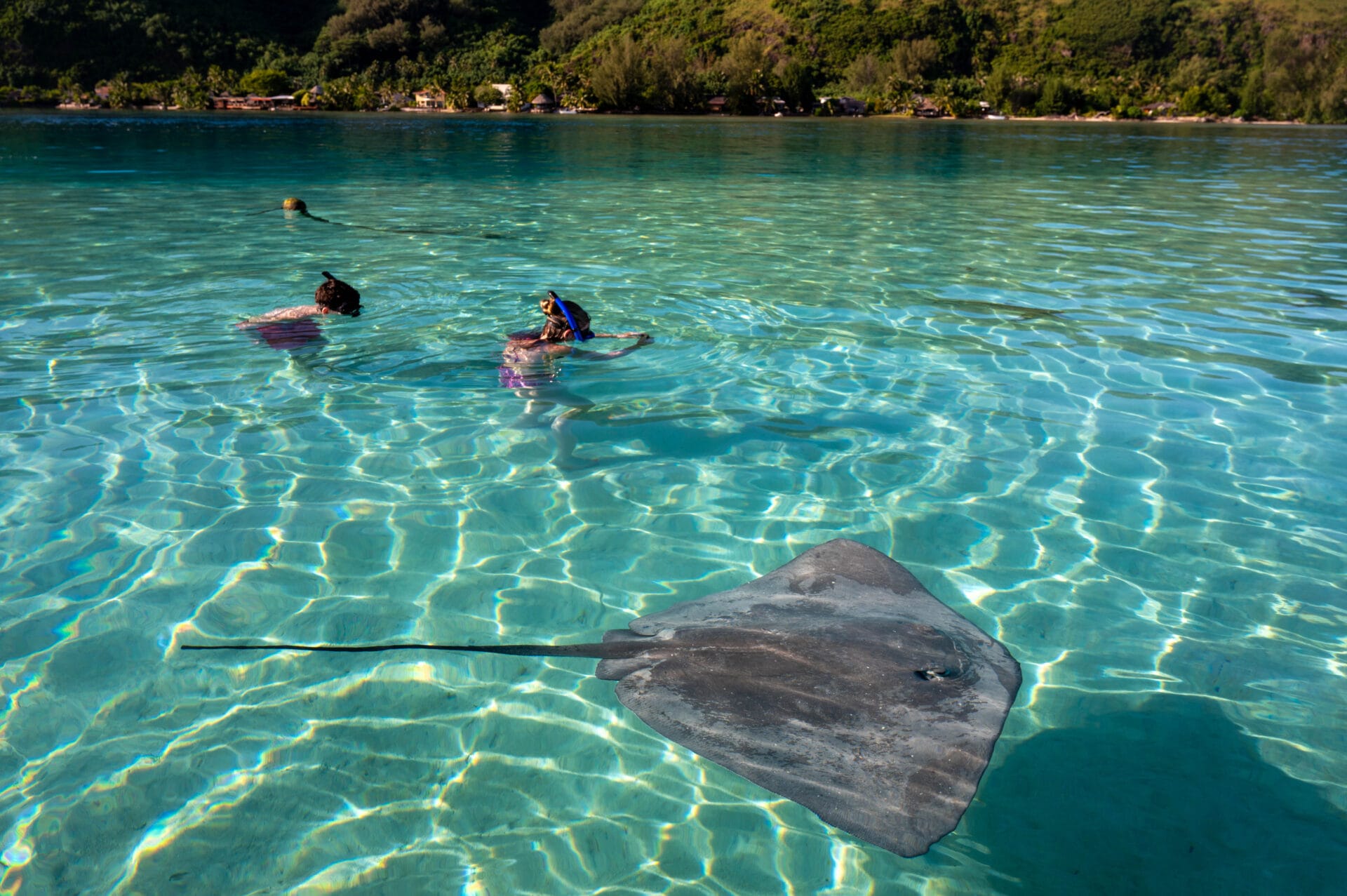
When your teenagers choose a 5:30 AM alarm over sleeping in on holiday, you know something extraordinary is waiting.
We had booked the 7 AM pickup with Blue Dream — a boutique snorkeling tour run by Tikanui, a well-respected Tahitian surfer, and his guide Vaimana. What followed was one of the best days of our lives. Not just as travellers. As a family.
Eight minutes from the dock, spinner dolphins surrounded the boat. More than we could count, jumping alongside us, spinning in the air, darting under the hull. The guides had told us this is what happens in the early morning — the dolphins come to say hello to the first boats. By midday, they’ve moved on. But in those golden hours, they show up.
Then came the sharks and stingrays at a shallow sandbar in Tiahura — us and one other boat in the whole stretch of the lagoon, with black-tipped reef sharks circling calmly and stingrays wrapping themselves around our guides’ legs like affectionate cats. The coral garden at Coco Beach Tiahura Bay, where homemade bread and fresh pineapple were served on the boat while a male and female stingray drifted below us. A reef shelf where we floated above twenty-two eagle rays moving in formation thirty feet down. And a final stop I can’t describe completely yet — underwater cultural tikis placed intentionally on the ocean floor to commemorate the first missionaries that arrived in Moorea.
Island 3: Raiatea — The Cultural Heart of All Polynesia
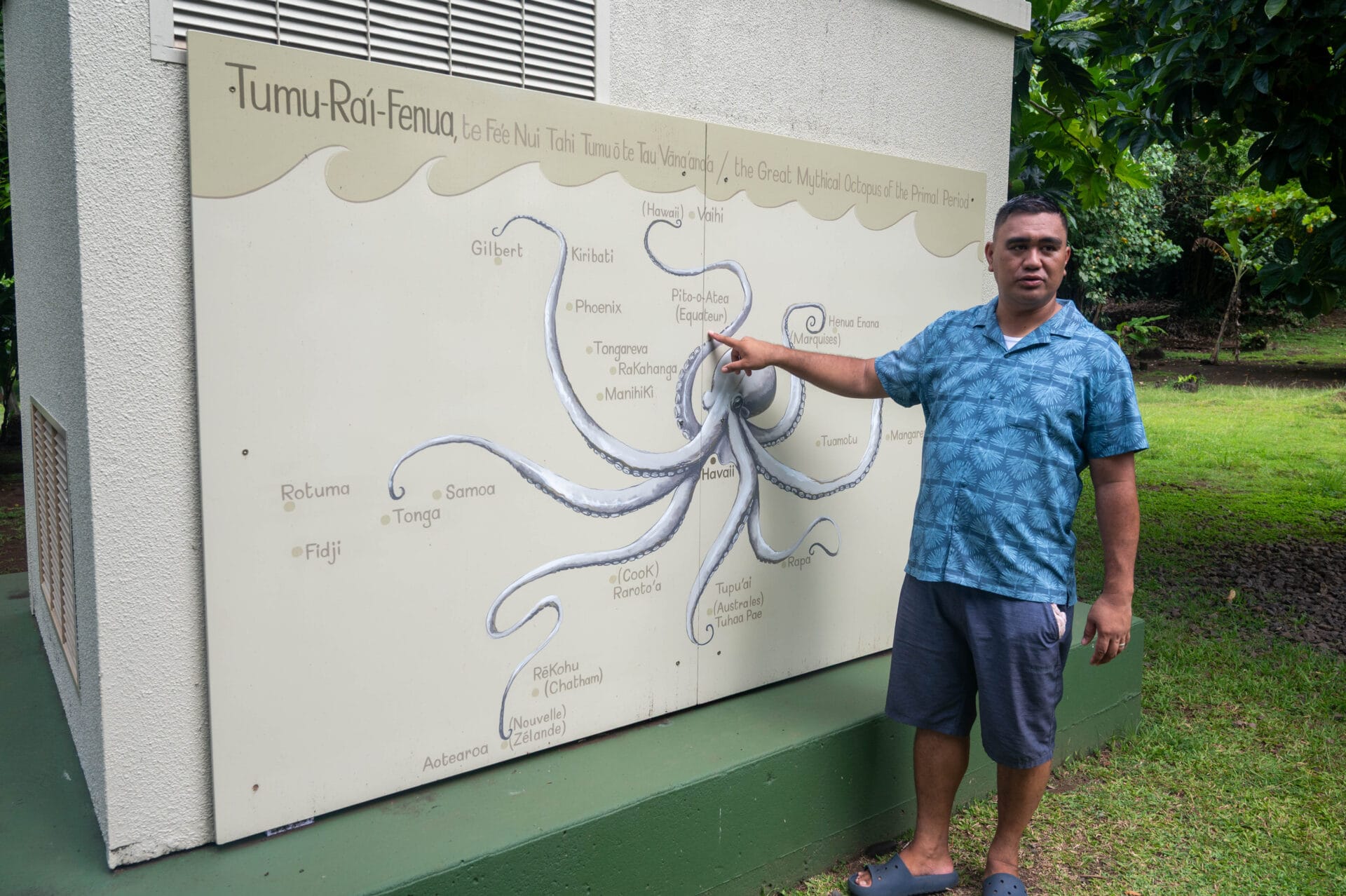
Raiatea isn’t as well known as Moorea or Bora Bora, but it should be!
Our Tour Guide Tera described it this way: think of Raiatea as the head of an octopus, with tentacles reaching outward across the islands — all the way to Hawaii, all the way to the shores of what eventually became the United States. All of Polynesian history flows from this place, the Island of Raitea. Standing at Marae Taputapuatea, a UNESCO World Heritage Site and the ancient ceremonial center of all French Polynesia, you feel the celebration of that history in the air around you.
We had three days here, and they changed how our family thinks about travel.
Where We Stayed: Apatoa Raiatea
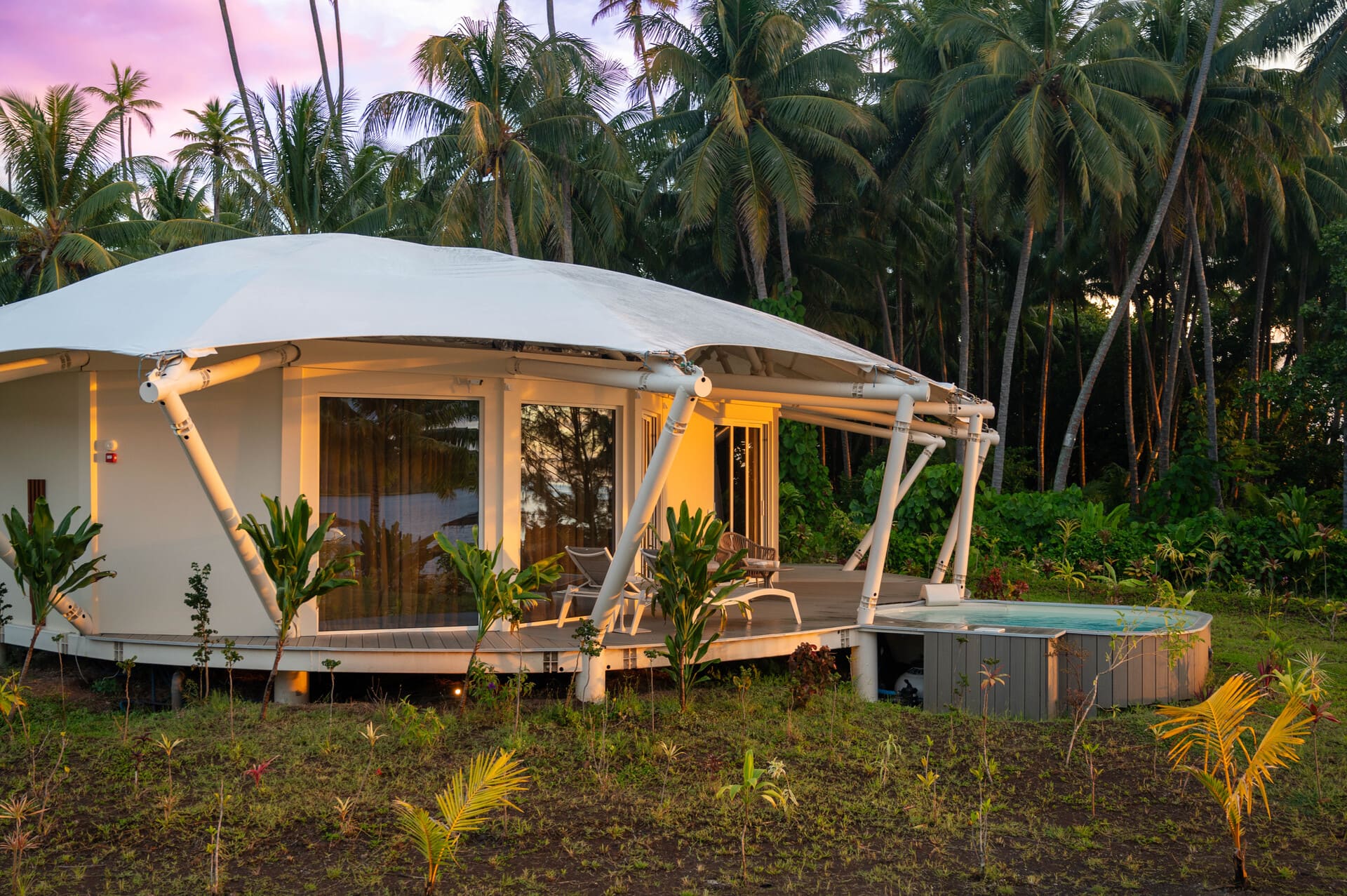
We thought we were booking a glamping experience. We had no idea we were about to walk into the most extraordinary accommodation any of us had ever seen.
As we pulled up the driveway, we saw them on the horizon: white shell-shaped structures emerging from the landscape. We went completely silent.
Apatoa is French Polynesia’s newest luxury resort — seven years in the making by owners Nathalie and Didier Candalot, who fell in love with French Polynesia and built something that doesn’t just sit on the land, it has grown from it. The buildings and the environment are integrated. The property isn’t imposed on the landscape. It’s part of it.
Walking into our waterfront villa, I gasped and put my hands over my mouth. Our host thought something was wrong. All I could say was, “I’ve never seen anything more beautiful.” A white and coral palette woven through with Tahitian art. A king bed with rich linens. A bathroom so large we could have had a dance party in it. A private deck where the distance from our door to the sand between our toes was ten seconds. Literally ten seconds.
Sixteen villas. Your name on the chalkboard at your restaurant table. A private pool. Farm-to-table dining that belongs in a magazine. A sunset boat tour with dolphins intercepting us mid-journey. And a staff who treated us, in the Tahitian tradition, as ōram’aohu — family.
We came for glamping. We found something we didn’t know existed.
What We Did: Van Bass Tours, Raiatea and Taha’a
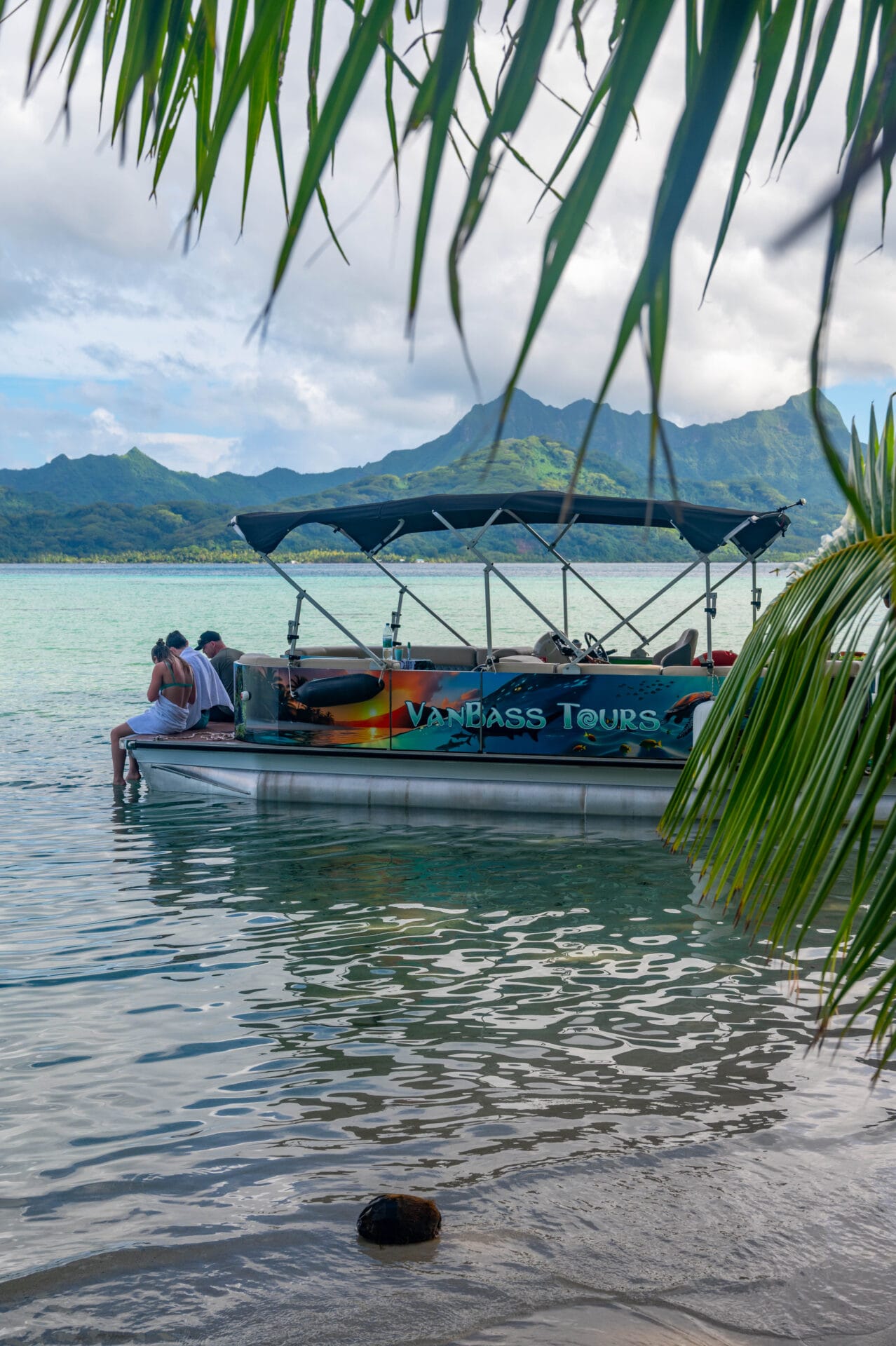
Our guide Tera met us at the airport. He knew our name before we said a word. Then he picked up his ukulele and sang us down the walkway to the boat that was waiting on the dock. Five minutes after our flight, we were already on the water. That’s the only introduction to Van Bass Tours you need.
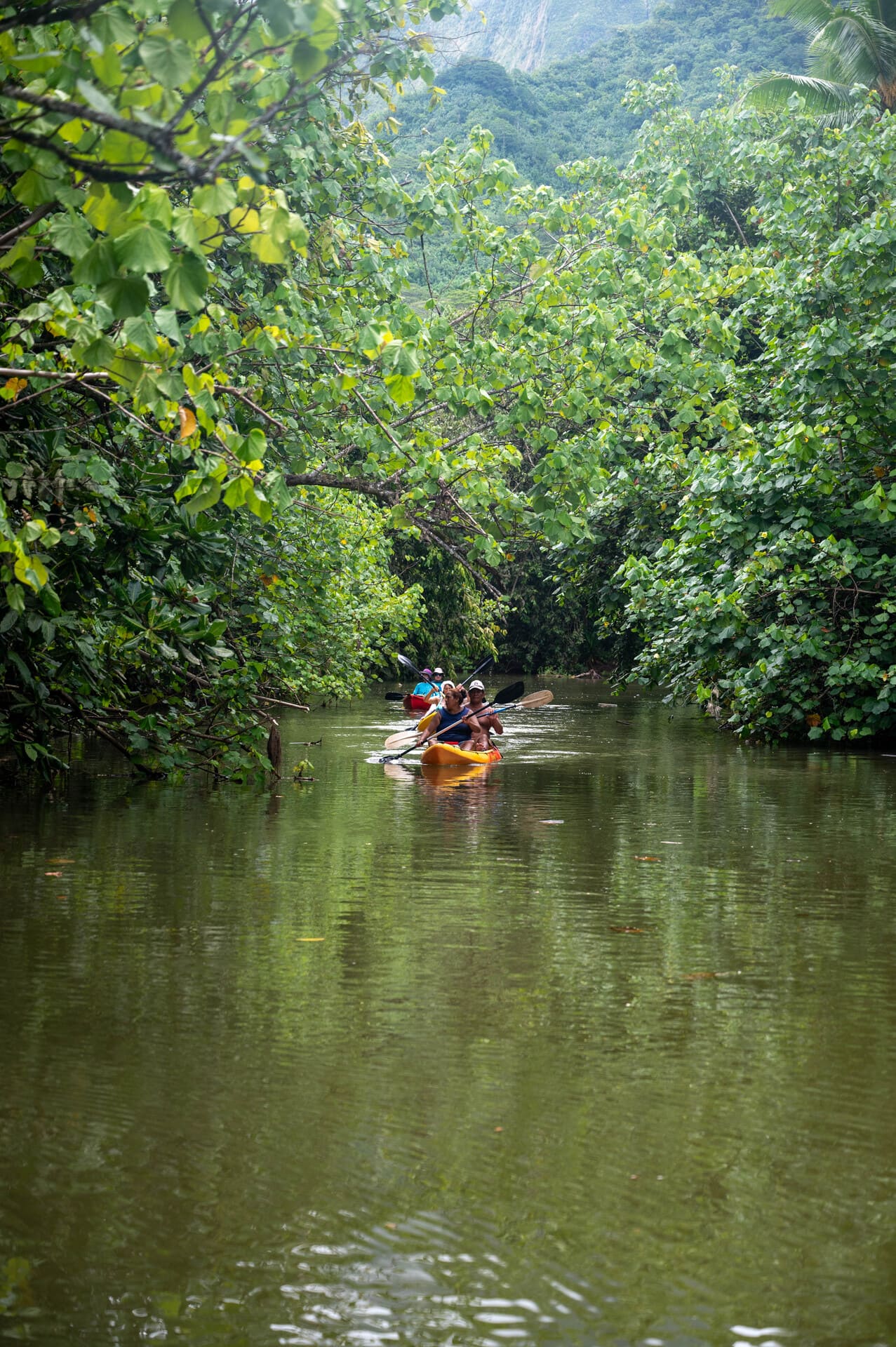
Over two days, Tera and Captain Tuarii showed us Raiatea and its sister island Taha’a in a way that no guidebook could replicate. The Faaroa River, the only navigable river in all of Raiatea — palm trees arching overhead, locals living off the land, mangos available on the honor system at small roadside stalls. The community botanical garden is maintained by a local agricultural school. The ancient lava-rock foundations of Marae Taputapuatea, where Tera didn’t recite facts — he shared them the way a messenger shares something sacred.
Day two on Taha’a: twenty black-tipped reef sharks following our boat through shallow water, then surrounding us the moment we jumped in. A coral garden so vivid and concentrated it looked like someone had designed it with a box of neon crayons. A private motu. A long table. A traditional Tahitian meal. And a conversation about democracy, culture, family, and what it means to protect the things that matter — the kind of conversation none of us expected and none of us will forget.
At one point, I mentioned I don’t have siblings. Tera was quiet for a moment. Then he said, “Well, you always have a brother in me.” I don’t think he knows how much that landed.
Island 4: Bora Bora — The Bucket List, Delivered
Six years of research and planning and anticipation. And Bora Bora exceeded every single expectation.
Where We Stayed: The Westin Bora Bora
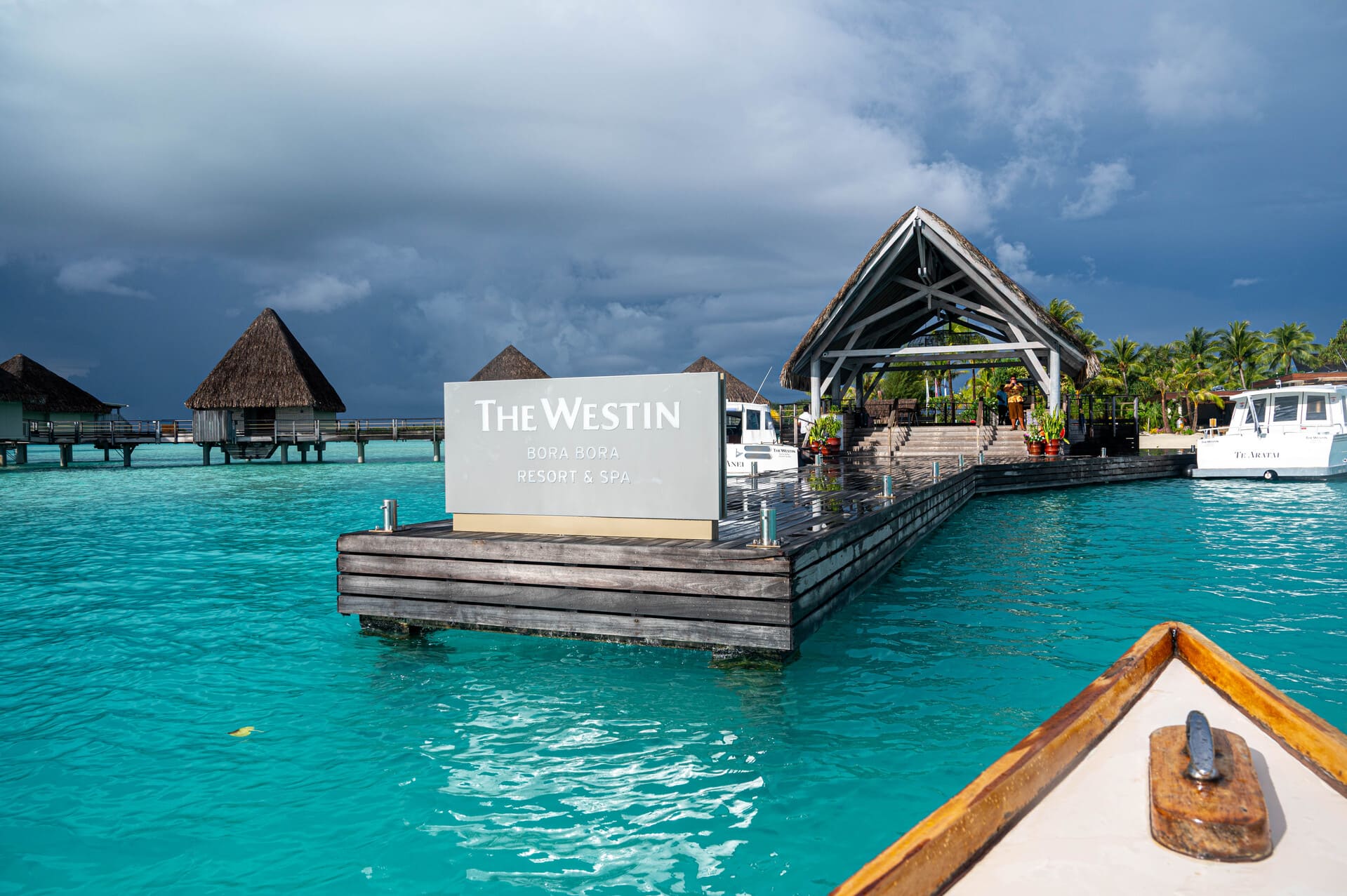
There’s a moment that defines a trip before you even set foot on the property.
For us, it happened the second our traditional Polynesian canoe pulled through the buoys into the private lagoon of The Westin Bora Bora. We could see the sign. We could see the boats tied up on the dock. And then we heard it — a deep, resonant blow from a conch shell echoing across the lagoon. A Tahitian man stood waiting, the shell still in his hands.
In all my years of travel, I’d never experienced anything like it.
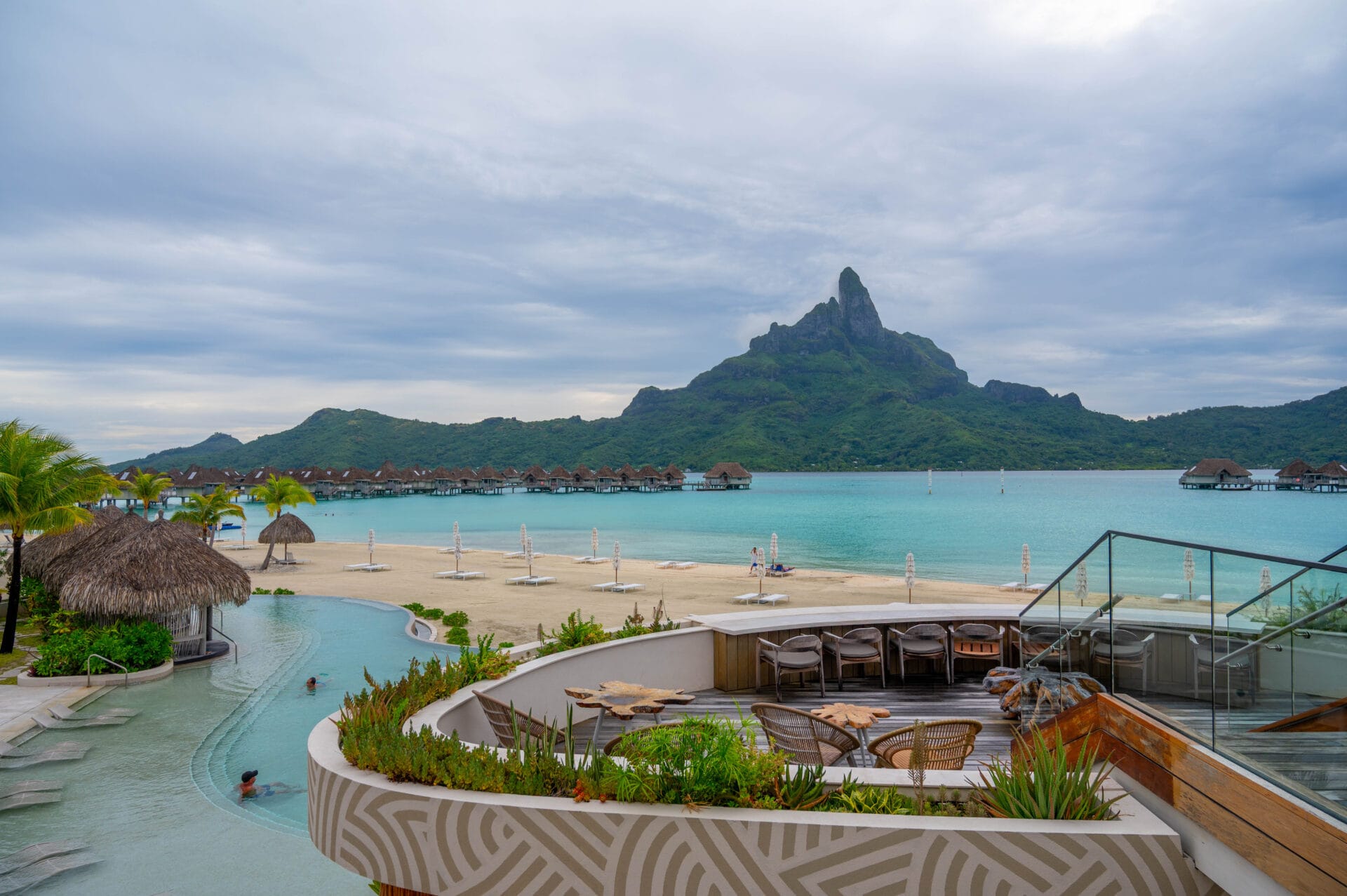
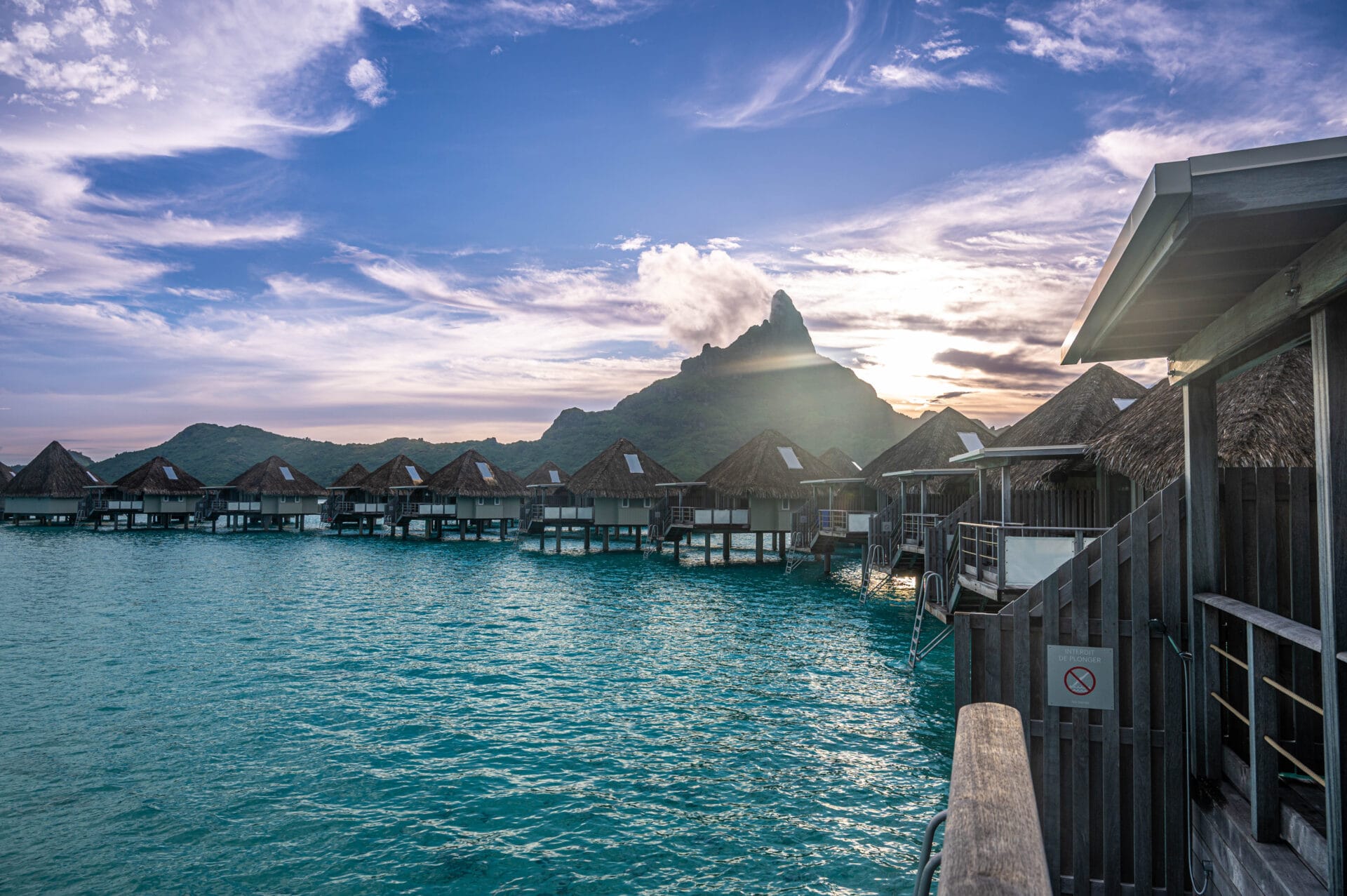
We’d splurged big: my husband and I in one overwater bungalow, our kids in the one right next door. When they found out they’d be getting their own overwater bungalow, the look on their faces was everything. White marble, teal accents, natural Tahitian textures. A king bed facing Mount Otemanu. A deck with plunge access to the lagoon. And the detail I didn’t expect: a glass panel built into the floor. A sea light. You can lie on the floor and watch the marine life moving beneath you.
One night, eight of us — new friends we’d made at the pool — spent two hours rotating between bungalows, watching turtles and sharks pass directly beneath us in the dark water below. When they moved to the next bungalow, we followed. That’s the kind of night that you can only have in Bora Bora.
The Westin Bora Bora is newly renovated — the newest luxury resort on the island — and the details show. The infinity pool with Mount Otemanu as its backdrop. The suspended bar you access via a small bridge, lowering yourself into a vantage point that doesn’t exist anywhere else. The staff nametags that list not just names but passions — the host who was an avid fisherwoman and showed us photos of seven-foot tuna. The complimentary water activities, the cultural programming, the dining that ranges from the fine-dining tasting menus at Maere to nachos and swim-up cocktails at Te Ava.
And the Eco Center. The reason we chose this resort.
The Westin Bora Bora Eco Center: A Turtle Sanctuary Worth Your Visit
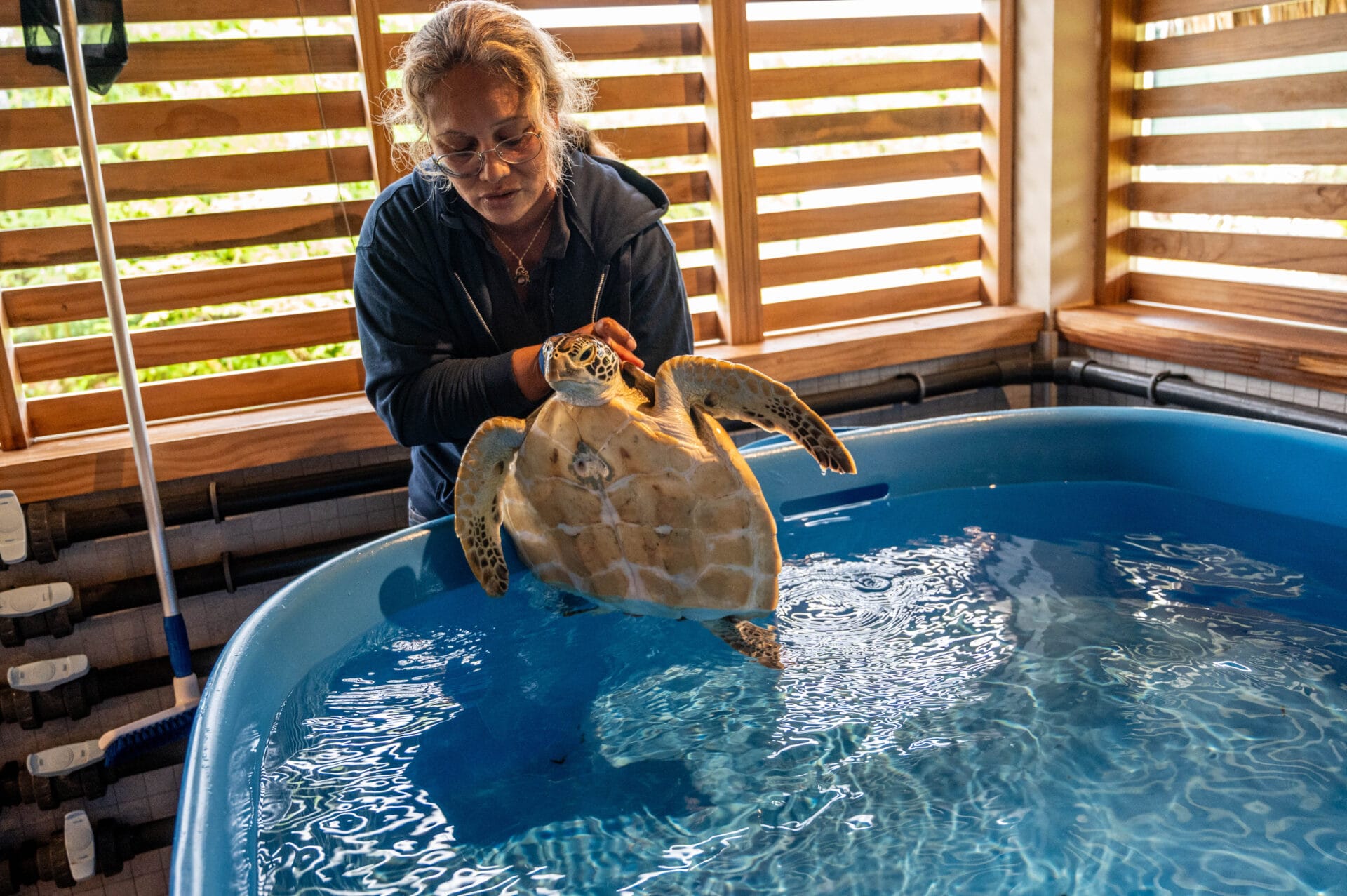
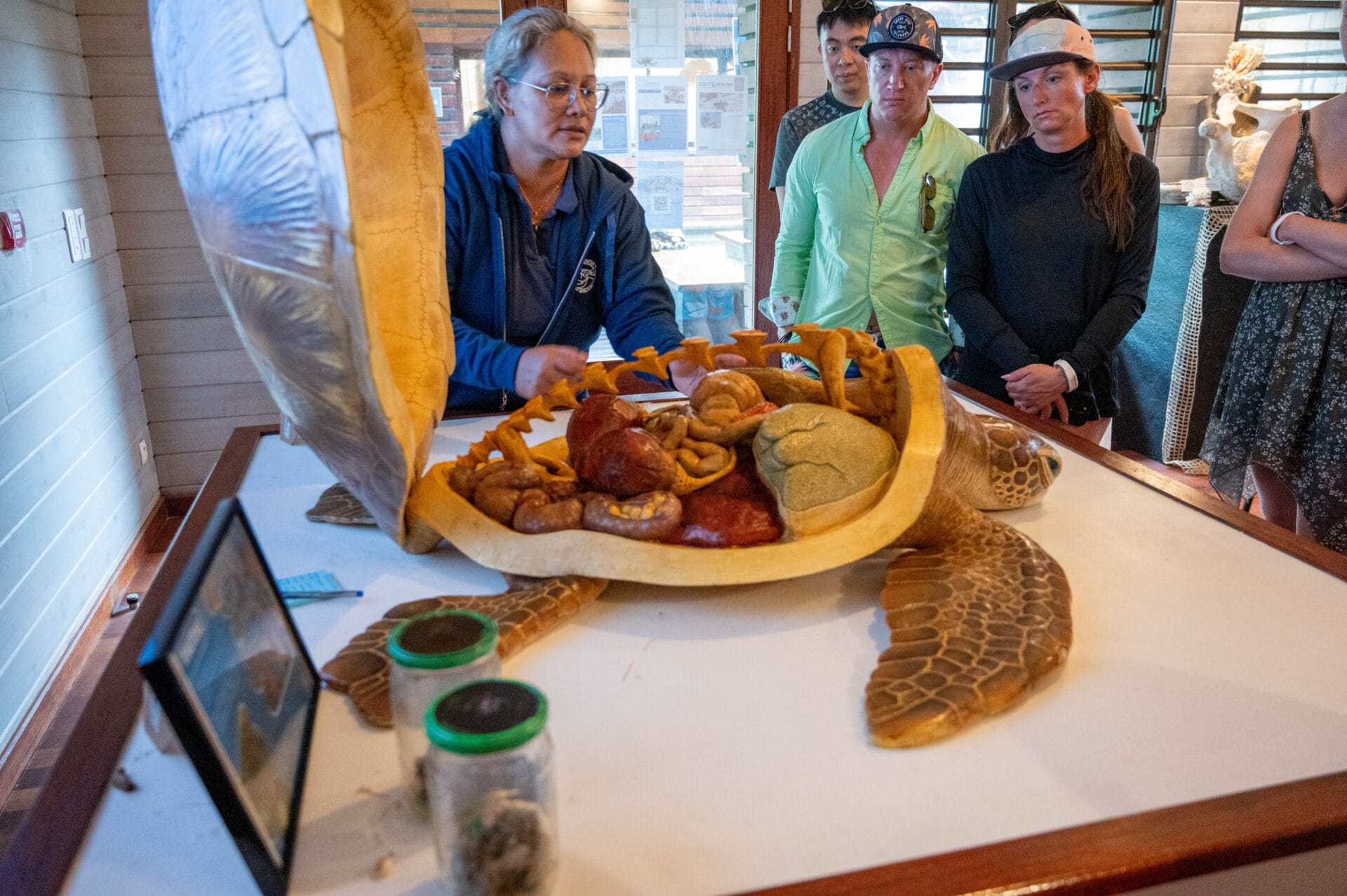
We don’t just choose hotels based on their rooms. We choose them based on what they stand for. The Westin Bora Bora’s Eco Center — a fully operational sea turtle rescue, rehabilitation, and release facility that has been running since 2000 — was one of the reasons we booked.
The centre has cared for more than 700 sea turtles, with a 74 percent release rate back into the ocean. Behind every one of those numbers is an animal that was sick, injured, or dying — and made it back because of the work happening here.
We visited on a rainy day and it was the perfect indoor activity. The marine biologist’s presentation was genuinely engaging — not the kind you sit through politely. Shells and specimens passed around the room. A life-size anatomical model of a green sea turtle, shell removed, organs visible. And a glass jar containing the actual plastic debris removed from turtles’ stomachs. Not photos. The physical material. In a household that talks regularly about reducing plastic, seeing it pulled from the body of an animal that was simply trying to eat — that hits differently. Our kids came away recognizing the positive and negative impacts we can all have on our planet.
In Tahitian culture, the sea turtle — honu — is considered sacred. A bridge between the living and ancestral realms. A path to eternal peace. Visiting the Eco Center isn’t just a great use of a few hours in Bora Bora. It’s an act of participation in something that matters — conservation, culture, and the long, slow work of protecting animals that have been on this planet for more than 100 million years.
Planning Your Trip: Practical Tips for Canadian Families
How to Get There
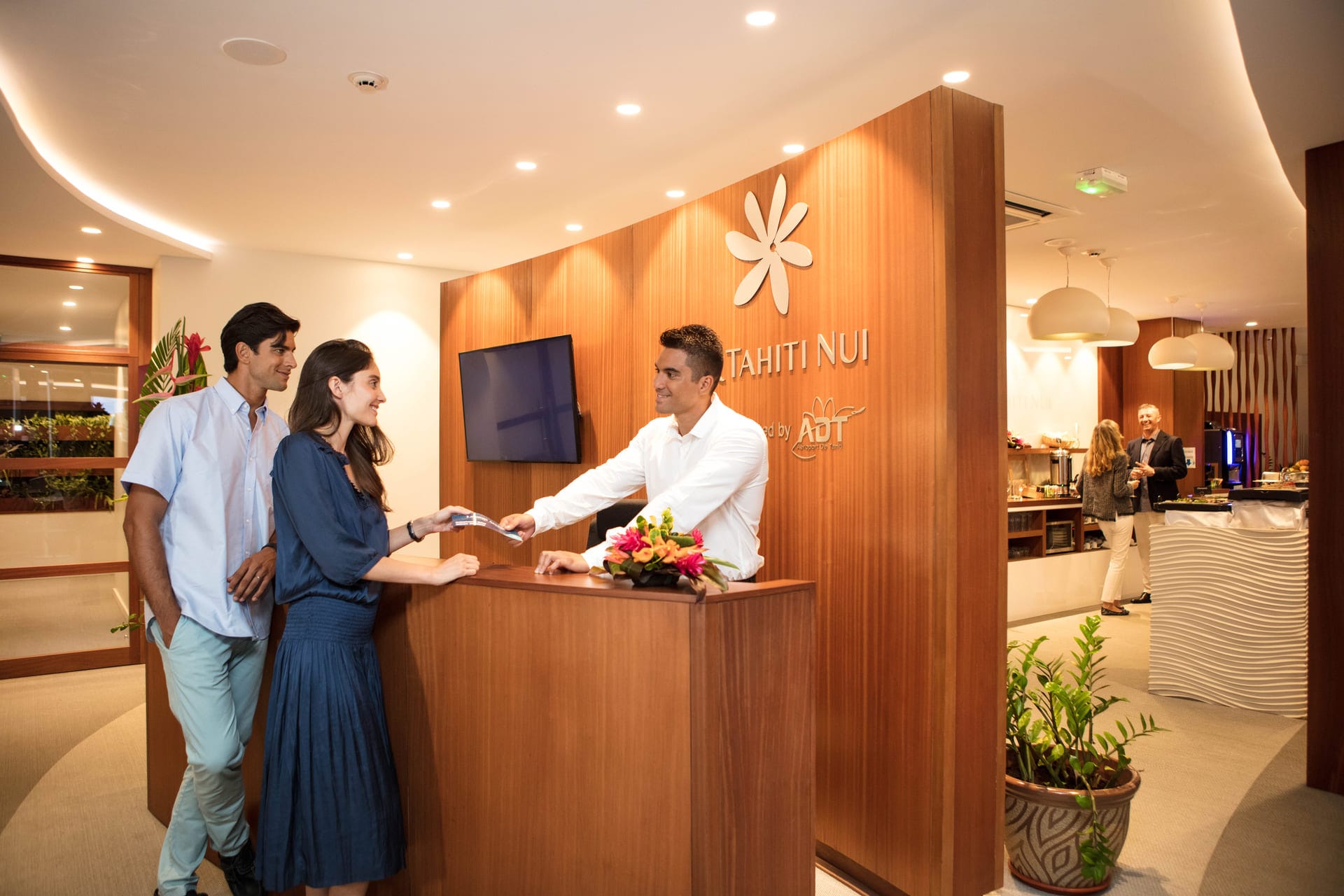
Vancouver to LAX is a short connector — about two and a half hours. Then board Air Tahiti Nui for an eight-hour direct overnight flight to Papeete. Sleep on the plane. Wake up in paradise. The time change from Vancouver is only three hours, which means no brutal jet lag and no lost days adjusting. You arrive and you’re on.
Money-Saving Tip: If you have any flexibility in your travel dates, use it. Shifting our return date by a single day saved us close to $3,000 CAD. Play with the Air Tahiti Nui booking calendar before you commit.
When to Go
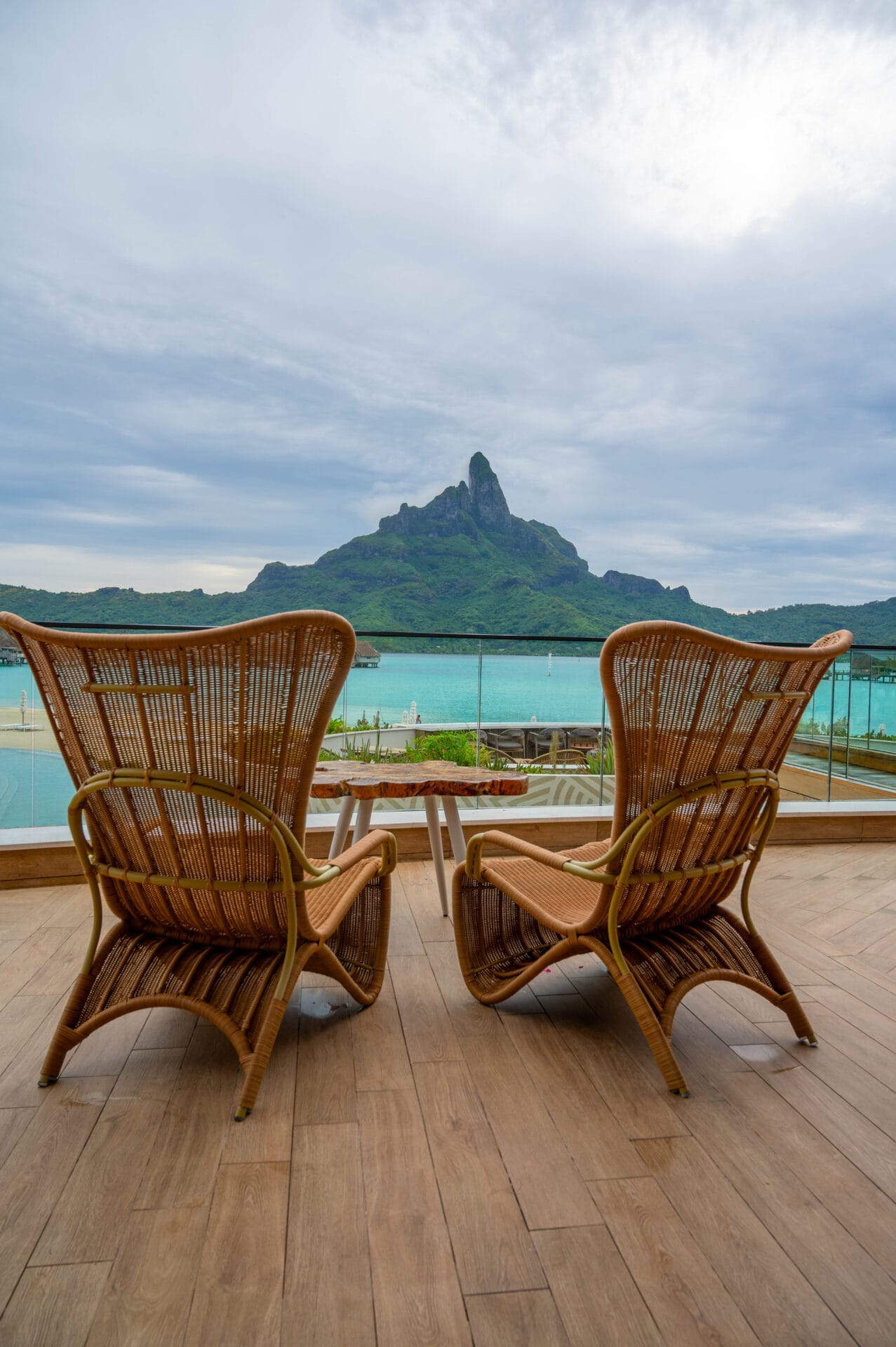
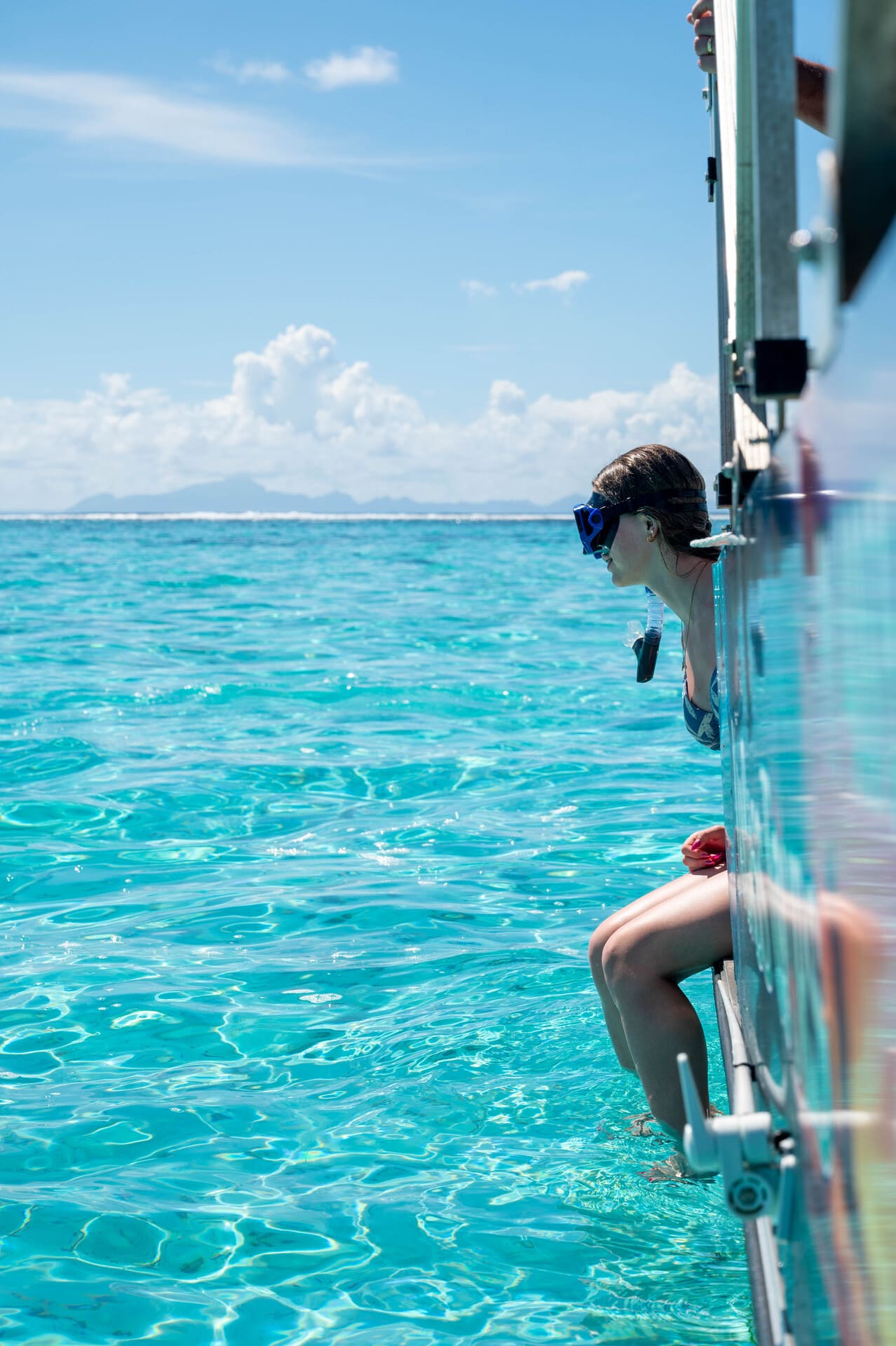
The Islands of Tahiti average 27°C year-round, which means there is no bad time to visit for a family vacation in Tahiti. If whale watching is a priority, plan for July through November — that’s when you can snorkel alongside humpbacks in some of the last places on earth where this is still possible.
What to Pack
- Reef-safe sunscreen — mandatory, and reapply constantly. The Moorea sun is no joke even before 9 AM
- Underwater camera — non-negotiable. The visibility and marine life are world-class
- Sun shirt — a burned nose is a souvenir nobody wants
- Light layers for the overnight flight
- Allergy card in French and Tahitian if you travel with dietary restrictions
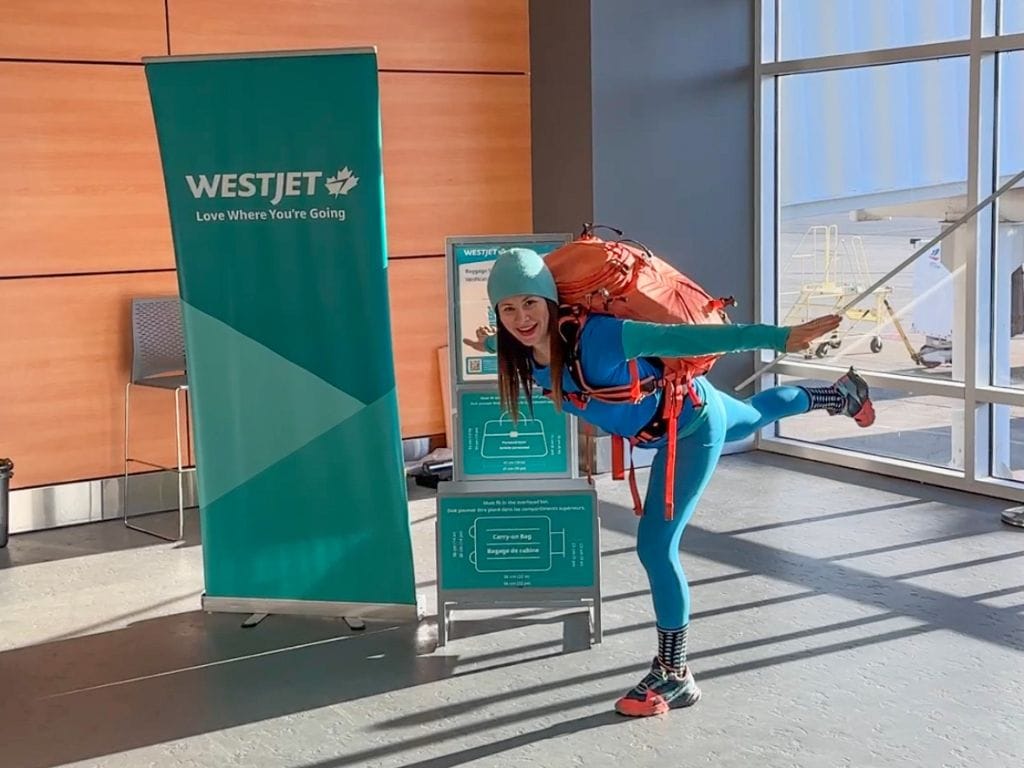
- Carry-on mindset — pack light. The islands provide everything else
What It Costs — An Honest Take
Yes, the Islands of Tahiti is a premium destination. Bora Bora in particular is a splurge. But it doesn’t have to be entirely out of reach, especially if you’re strategic.
Manava Beach Resort in Moorea and Apatoa in Raiatea both offer exceptional value for families — Manava with its actual family suites, Apatoa with its sixteen-villa intimacy and all-inclusive feeling that doesn’t carry a resort-scale price tag. The Westin Bora Bora is the splurge — but for many families, this is the once-in-a-decade trip where that splurge is the point.
And the Islands of Tahiti consistently over-deliver on value in unexpected places. A full-day car rental in Moorea for $60 USD. Laundry returned clean and folded for $20. Local restaurants where you eat remarkably well for far less than resort prices. It rewards the travellers who look beyond the resort walls.
Your Pre-Departure Checklist
- No visa required for Canadian passport holders ✓
- Only 3-hour time difference from Vancouver — minimal jet lag ✓
- Reef-safe sunscreen: pack extra, reapply constantly ✓
- Underwater camera: mandatory ✓
- Sign up for the Air Tahiti Nui newsletter before you book – deals for Canadians appear regularly ✓
- Book the coral restoration program at Manava in advance — every session fills up ✓
- Book the Eco Center tour at the Westin Bora Bora early in your stay – it’s a highlight ✓
What We Brought Home
I’ve thought a lot about how to close this article. About what to say that does justice to two weeks of something that consistently exceeded every expectation we’d carried for a decade.
Here’s what I keep coming back to: the Islands of Tahiti gave us more than beautiful places to see and extraordinary things to do. It gave us people. Mana and Vanessa, who met us at the arrivals gate holding a sign with our family name. Tera, who sang us off a plane with a ukulele and told us we were family. Tikanui and Vaimana, who woke up before dawn because they knew what the morning held. The Air Tahiti Nui crew who welcomed us into the journey before we’d even landed. The marine biologist who showed our children plastic pulled from the belly of a turtle and changed how they think about the ocean.
Tahitians don’t just welcome you into their home. They welcome you into their culture, their values, their way of understanding the world. And when you’re on the receiving end of that — genuinely, authentically — you leave different.
We left transformed.
If a family vacation in Tahiti is on your someday list — if you’ve been telling yourself it’s too far, too complicated, too much of a stretch — I hope this is the article that changes that. The flight is shorter than you think. The time change is gentle. The people will exceed every expectation you have. And the ocean? The ocean is everything you’ve ever imagined, and then something more.
After all, your next adventure awaits
Frequently Asked Questions About Travelling with Family to the Islands of Tahiti
The official currency is the French Pacific Franc (XPF), and it’s worth picking up some before you go — we converted ours at our local mall before departure. That said, USD and Euros are widely accepted. Credit cards are accepted at most resorts, restaurants, and larger shops, but bring cash for the things that matter most: roadside fruit stalls, local family restaurants, the Papeete Market, and tipping. We brought a couple of hundred dollars per person and ended up getting a bit more once we were there because we genuinely loved having cash on hand for spontaneous local purchases and to show appreciation for exceptional guides and staff. Tipping culture isn’t as intense as it is in Canada or the US, but it is appreciated — especially for the local tour operators who give you so much.
Layer up for the inter-island airport connections. Several of the smaller island airports are open-air and can be very warm without air conditioning, so breathable, light clothing is key for travel days. There is a VIP arrival service at Fa’a’ā International Airport in Papeete that includes an air-conditioned room — it’s an additional cost, but worth knowing about if you want a more comfortable start.
We travelled carry-on only and it made everything easier. The islands don’t require much — beach clothes, a sun shirt (wear it, the sun is serious even before 9 AM), a good hat, reef-safe sunscreen, and sandals. Pack light and let the islands do the rest.
The best shopping experiences in the Islands of Tahiti aren’t in the resorts — they’re in the markets and local towns. The Papeete Market is a must: fresh produce, pearl vendors, local crafts, and artisan goods all in one vibrant space. The main town of Vaitape on Bora Bora also has great local shops. Resorts carry beautiful items, but you’ll pay a premium.
The most iconic souvenirs to look for: black pearls (you can visit a pearl farm to learn how they’re cultivated and buy directly), Tahitian wood carvings, sea shell jewelry, and anything featuring the iconic Tahitian woman motif — you’ll see her on everything from backpacks to t-shirts to hoodies, and she’s everywhere for good reason. She’s beautiful and unmistakably Tahitian.
In our experience: absolutely. We felt completely safe on every island, including in the markets and downtown Papeete. You may see some evidence of homelessness in the city, as you would in any urban area, but there was no feeling of threat or concern at any point. What struck us was the near-absence of visible policing — and when we asked about it, the answer made complete sense. Tahitian culture is built on a strong sense of community. People look out for each other. That social fabric creates a kind of safety that enforcement alone can’t manufacture.
We are a family with multiple serious allergies — anaphylaxis to peanuts, plus gluten, dairy, and lactose across different family members — and for the most part, the Islands of Tahiti accommodated us well. The larger resorts were particularly good at managing dietary needs. Where we ran into challenges was with language barriers among some frontline staff.
Our biggest tip: bring an allergy card. Print your allergies clearly in English, French, and if possible, Tahitian, and carry it with you to every restaurant. It bridges the communication gap instantly and takes the stress out of every mealtime.
The good news is that the local diet lends itself naturally to many common dietary needs. Fresh fish, coconut milk, tropical fruits, yams, and chicken are staples across the islands — locally sourced, simply prepared, and naturally free of many common allergens. The focus on local, fresh ingredients means you’re less likely to encounter heavily processed food with hidden additives.
Local, every time. The tour operators we worked with in the Islands of Tahiti — Blue Dream in Moorea, Tahiti Snorkeling and Whale Tours in Papeete, Van Bass Tours in Raiatea — may not have the big marketing budgets of larger operators, but that’s exactly what makes them extraordinary. Smaller boats. Smaller group sizes — often just your family, or six to eight guests at most. Guides who grew up on these waters and know every current, every coral head, every spot where the dolphins show up at dawn. The intimacy and authenticity of a local tour is irreplaceable.
Support small. Support local. It will be the best decision you make.
Yes — especially in Moorea. Albert’s Rental Cars sits directly across from the Manava Beach Resort and rents for around $60 USD for a full day. We drove around the entire island of Moorea, hiked up to the Belvedere Lookout, and were back at the resort by sunset. It’s an easy, safe, and incredibly rewarding way to experience the island beyond the resort gates. Just make sure your phone has international service or a local data plan before you go — you’ll want navigation. We upgraded our plan for the month and it was well worth it.
The Aremiti ferry runs between Papeete and Moorea and takes approximately twenty to twenty-five minutes each way. It’s affordable, beautiful, and one of those travel moments that earns its own memory — watching the island of Tahiti shrink behind you while Moorea grows larger on the horizon. If you’ve ever watched Moana and wondered what that world actually looks like from the water, this is your answer.
Genuinely, yes. The movie Moana is rooted in Polynesian culture and geography, and you feel it everywhere — in the way the waves curl up against the outer reef, in the way each island sits inside its own jewelled lagoon, in the way the locals move through the water with the ease of people who have always belonged to it. Above the surface, it’s Moana. Below the surface, swimming through those coral gardens with clouds of fish in every color imaginable, it’s Finding Nemo. Neither comparison feels like a stretch. Both feel like the most accurate thing you could possibly say.
Explore Our Full Islands of Tahiti Series
Each link below takes you deeper into a specific part of the journey. Together, they tell the complete story of two weeks in French Polynesia.
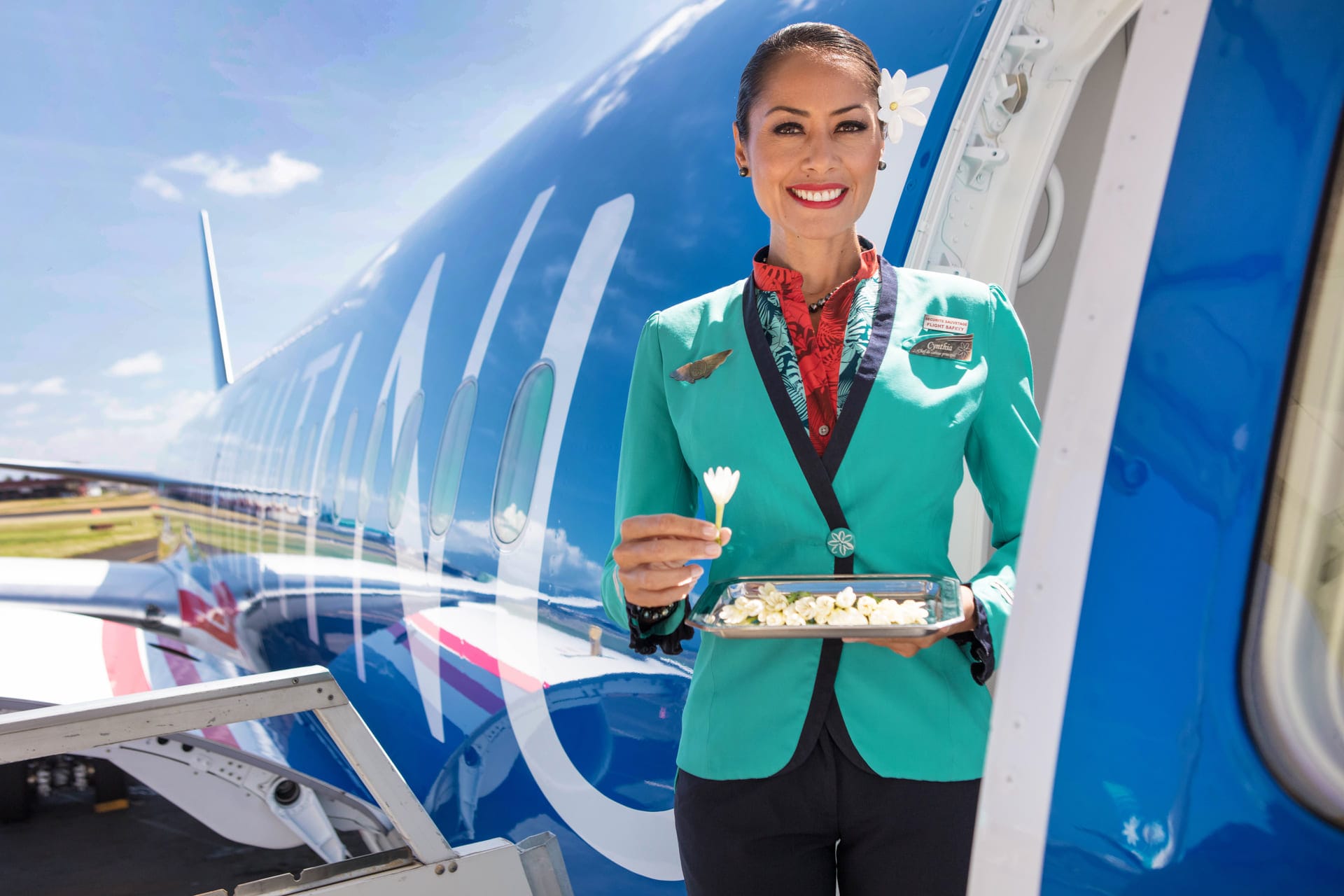
✈ Getting There
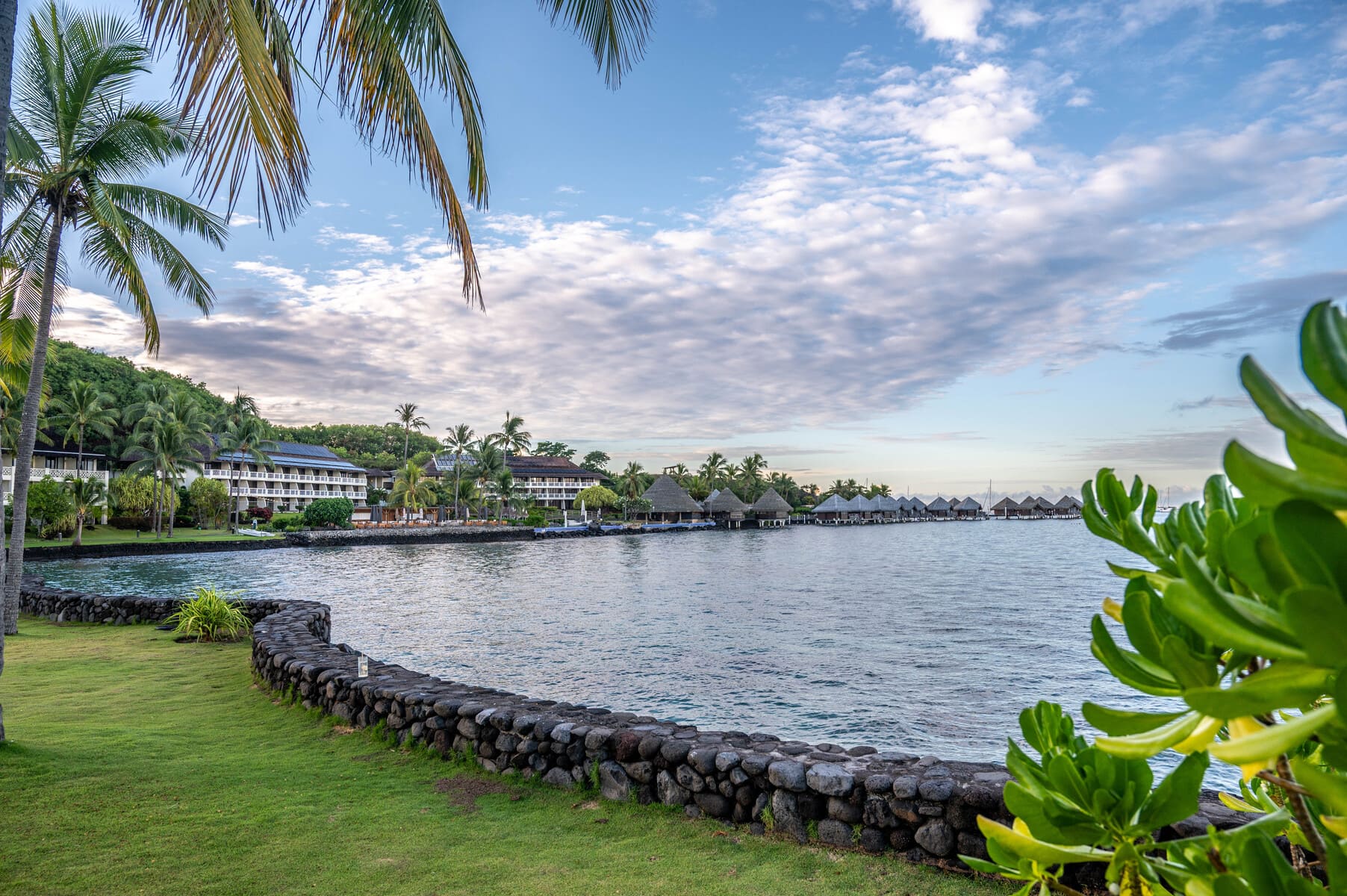
🏝 Tahiti — Island of Tahiti
🐟 Moorea
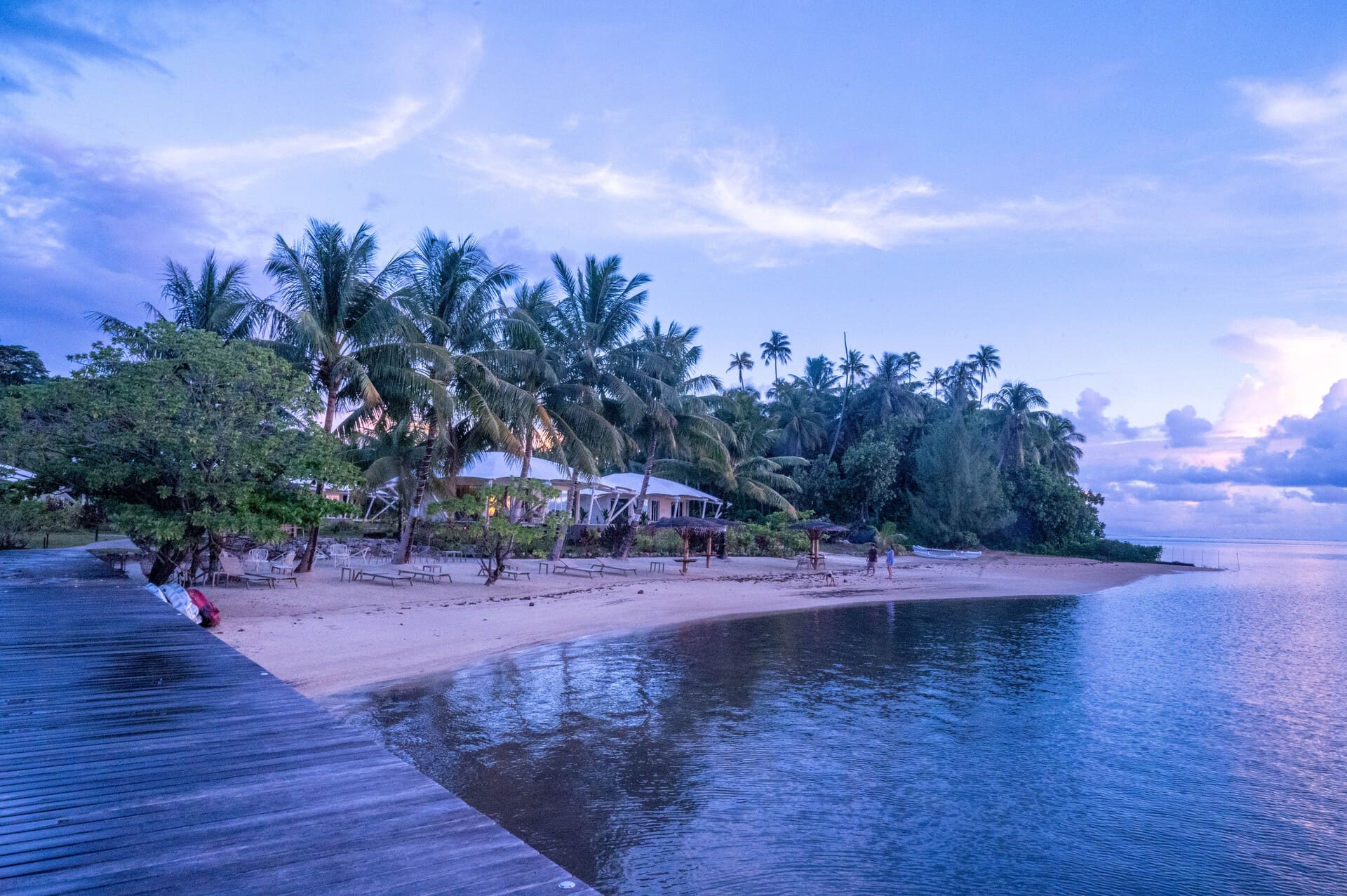
🏝 Raiatea