

Disclosure: While we were hosted on this stay, all opinions, words, and photography are entirely my own.
Are you looking to visit the Westin Bora Bora Eco Center?
We planned our visit to Bora Bora around this turtle rehabilitation center, and I wanted to give you a detailed behind-the-scenes look at what the on-site tours are like as well as introduce you to some of the residents.
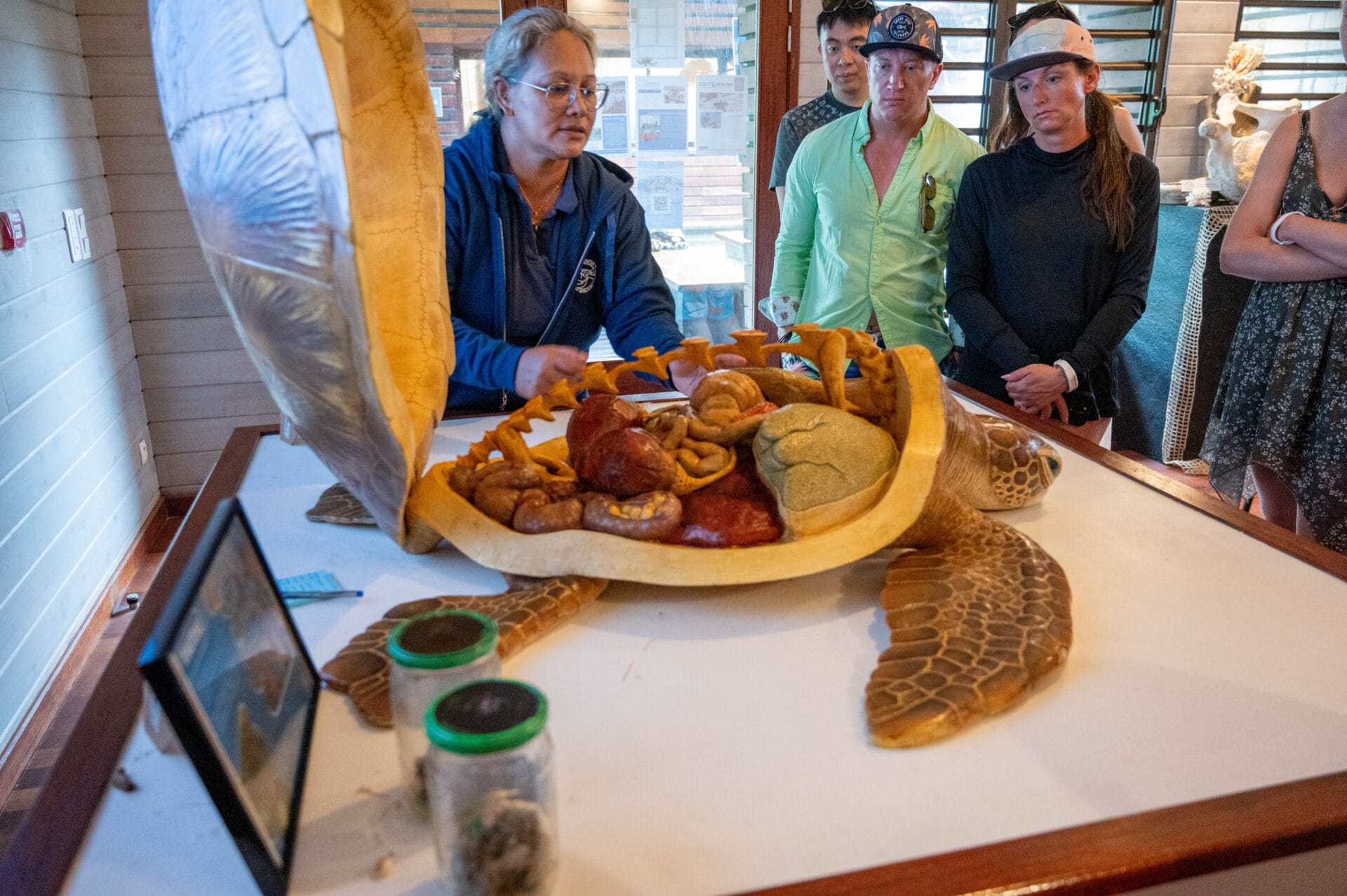
The tour starts off with an educational session, and then you get to visit the turtles in the rehabilitation center. One of the highlights of the information sessions was when the Marine Biologist lifted the giant back of the green turtle model, and we all leaned in for a better look. With the shell off the turtle the inside of its body was unveiled. We got to see what turtle lungs, heart, stomach, and organs all work, a lesson in science and compassion all on one table.
The Westin Bora Bora Eco Center
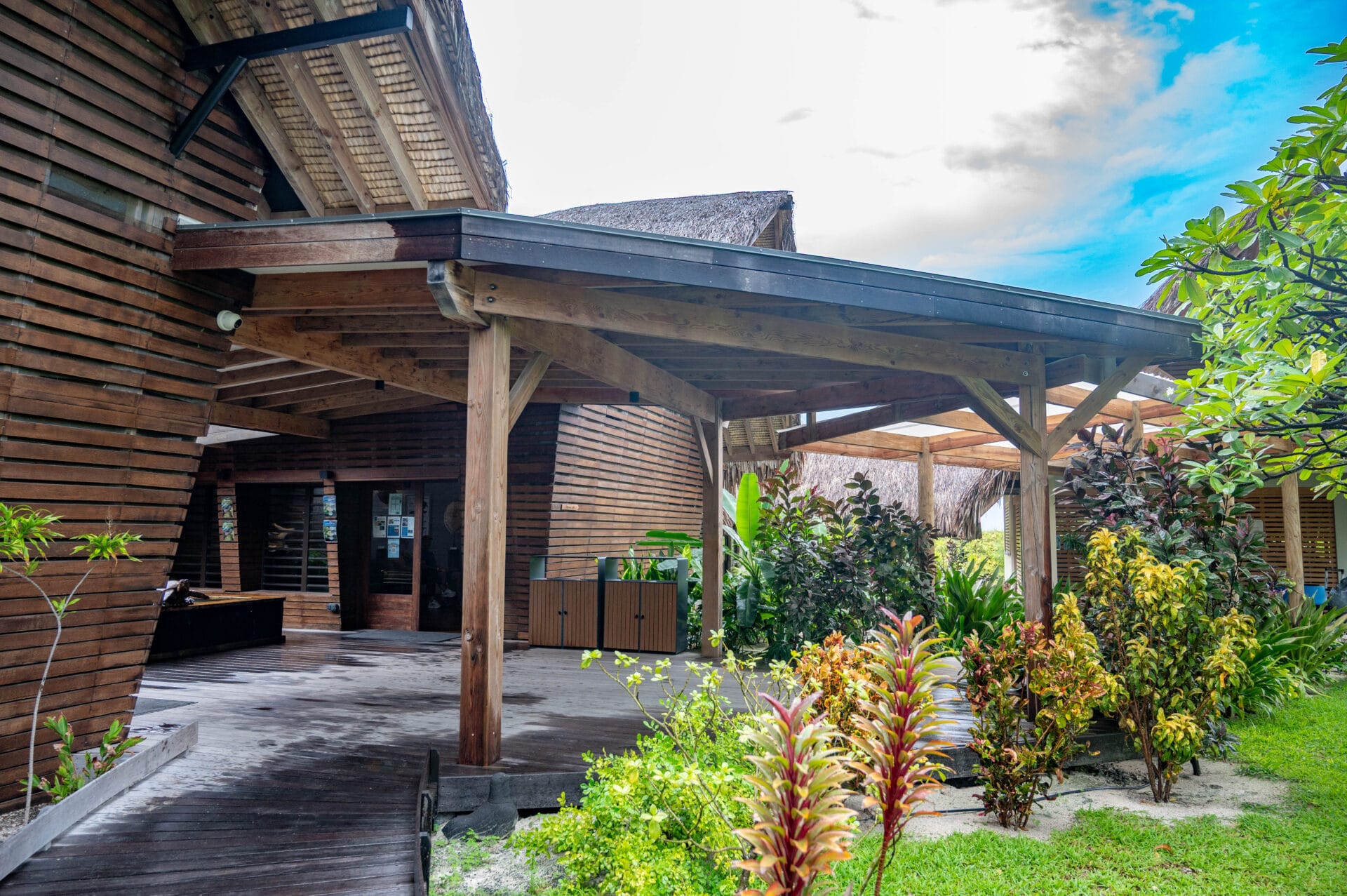
Nestled into the lush grounds of The Westin Bora Bora Resort and Spa, the Eco Centre is a fully operational sea turtle rescue, rehabilitation, and release facility. It has been running since 2000, originally established in collaboration with the Direction of the Environment of French Polynesia.
Since then, the centre has cared for more than 700 sea turtles, with a release rate of 74 percent. Behind every one of those numbers is an animal that was sick, injured, or dying — and made it back to the ocean because of the work happening here.
You don’t have to be a marine biologist to understand why that matters. You just have to stand in front of a turtle with a healing wound and feel compassion for this creature.
Sea Turtles in French Polynesian Culture
Sea turtles are not just animals in French Polynesia. They are woven into the cultural identity of these islands.
In French Polynesia, the sea turtle — known as honu in Tahitian — is far more than an animal. The honu is considered a sacred and venerated creature, representing a path to the afterlife and helping souls on their passage to eternal peace. Across Polynesia, sea turtle consumption was historically restricted to special ceremonies, reserved exclusively for chiefs and priests.The turtle’s journey between land and sea was seen as a bridge between the living and ancestral realms — a spiritual significance that made them among the most revered creatures in all of Polynesian culture.
Today, while turtle consumption is prohibited by Polynesian law, illegal harvesting and black market trade continue to threaten their survival. Add plastic pollution, habitat destruction, and accidental injury from fishing and boat strikes, and you begin to understand the scale of the problem these animals face every single day. In fact, only 1 of 1000 turtles that hatch on the beach will make it to adulthood!
The Westin Bora Bora Eco Centre exists at the intersection of all of this — conservation, education, culture, and community. And visiting it is one of the most meaningful things you can do while in Bora Bora.
Why We Chose to Visit The Turtle Sanctuary
As a family, we don’t just choose hotels based on where they’re located or what their rooms look like. We choose them based on what they stand for. We want to stay somewhere that is a responsible steward of the land, the water, the animals, and the culture that surrounds it.
When we were researching The Westin Bora Bora, the Eco Center was one of the reasons we booked. Knowing that this property was actively investing in the protection and rehabilitation of sea turtles — not as a marketing exercise but as a genuine, decades-long commitment — aligned with our family’s values around sustainability and ecotourism. And once we got there and experienced it firsthand, it confirmed every reason we’d chosen to support them.
What to Expect When You Visit The Eco Center
The Eco Center is open to both resort guests and outside visitors, which means you don’t need to be staying at The Westin to experience it, although everyone visiting will need to get a ticket or make a reservation with the concierge.
We visited on a rainy day, and I’ll say this: it was the perfect rainy-day activity, as it was a full-on downpour outside during our visit. Our visit lasted about an hour, with a half our opening informational session and half an hour in the rehabilitation center with the turtles.
Arriving at the Eco Center
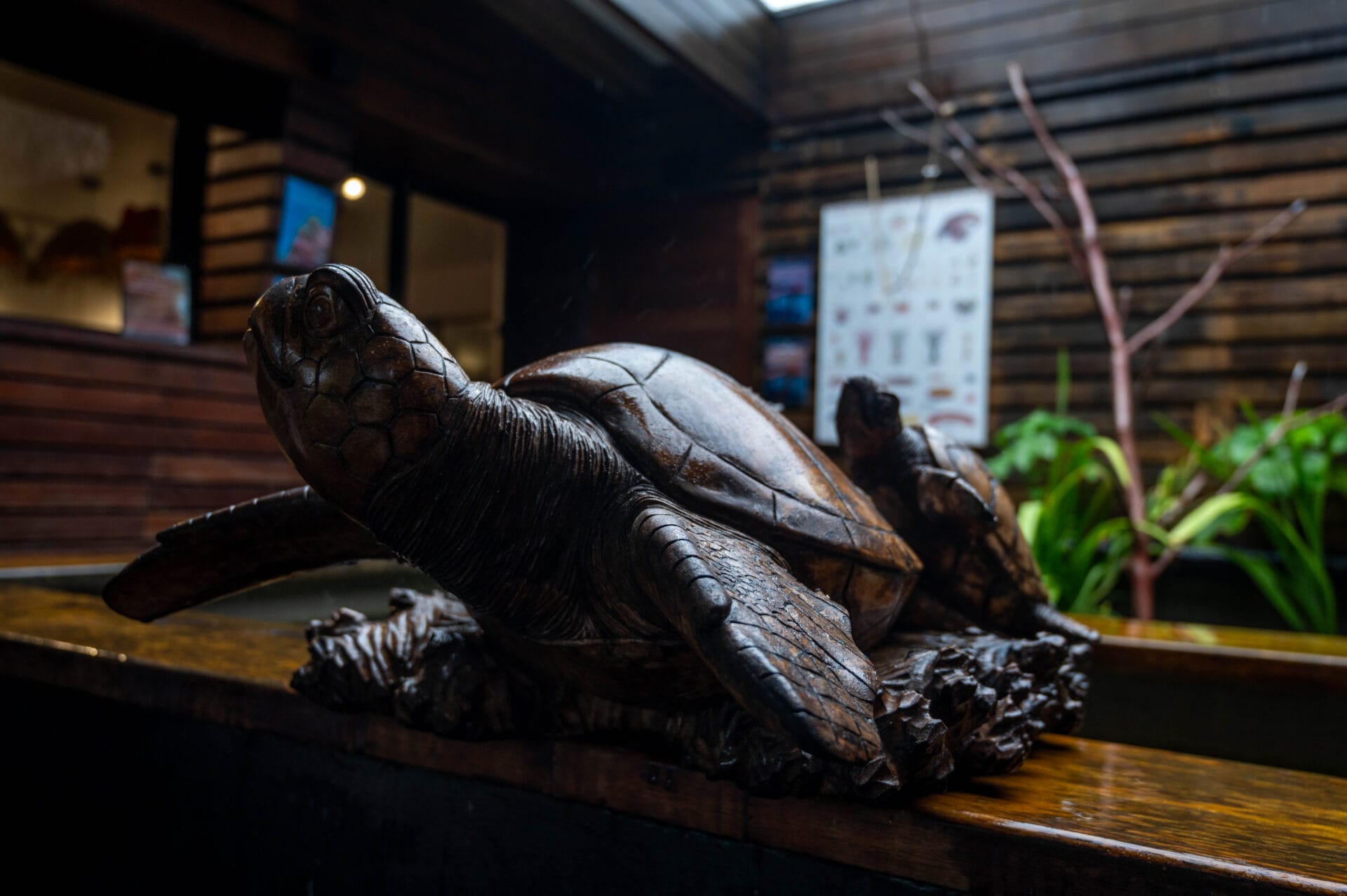
As you walk up towards the Eco Center, the first thing you notice is the large marble turtle sculpture in the garden walkway. As you continue on to the facility, you’ll see lush Tahitian landscaping wraps around a newly upgraded building. Angled roofs and open-air spaces give it a natural, grounded feeling. There’s a central pond with another turtle sculpture, and a gift shop where you can support the center’s work.
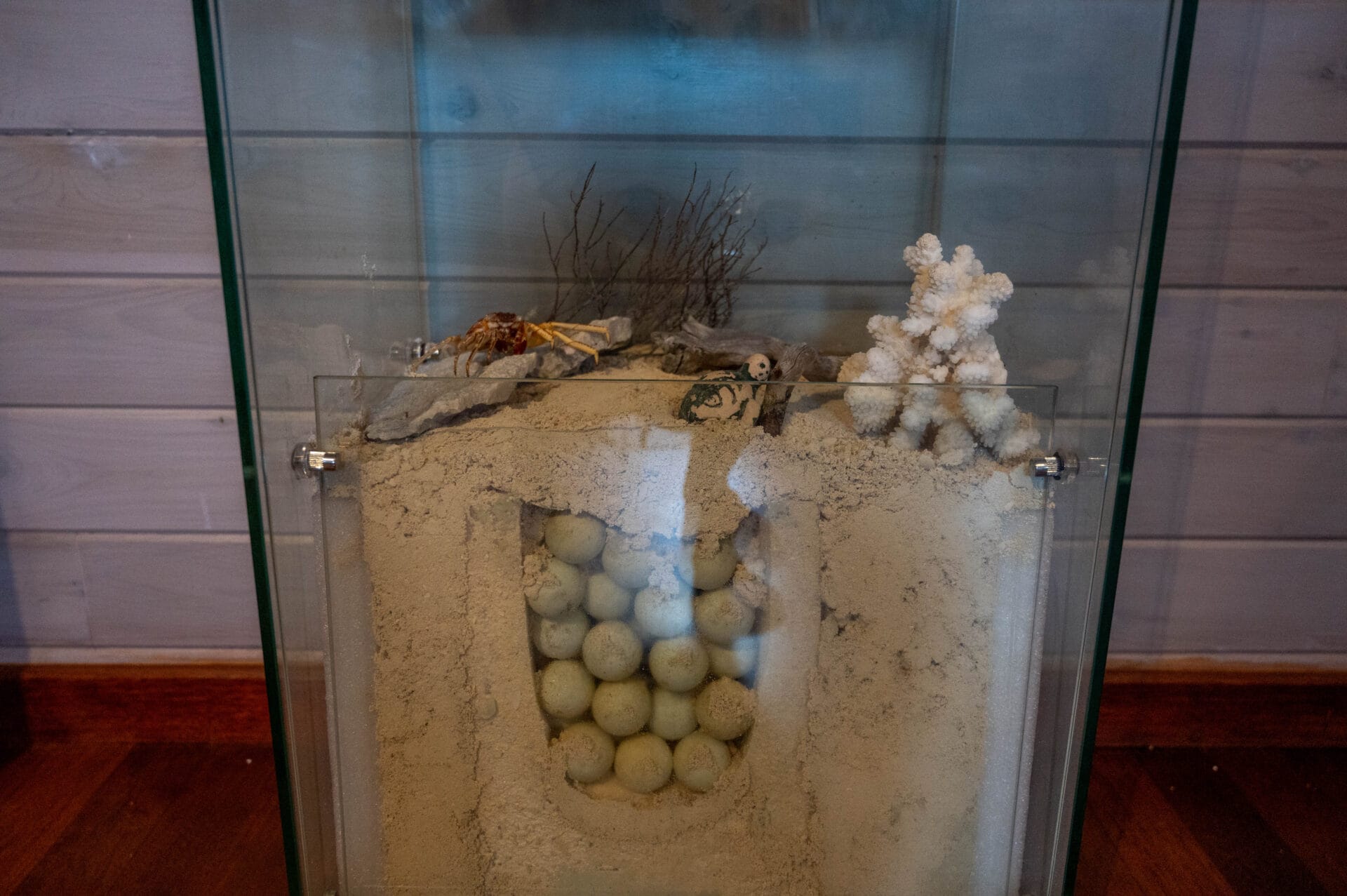
Your tour will start off in a classroom-style room that has models on the walls, different turtle shells and skeletons, as well as specimens that are stored in glass shelves. It was a beautifully curated educational space which set the scene for an interactive and information-packed half hour.
The Educational Presentation at The Eco Center
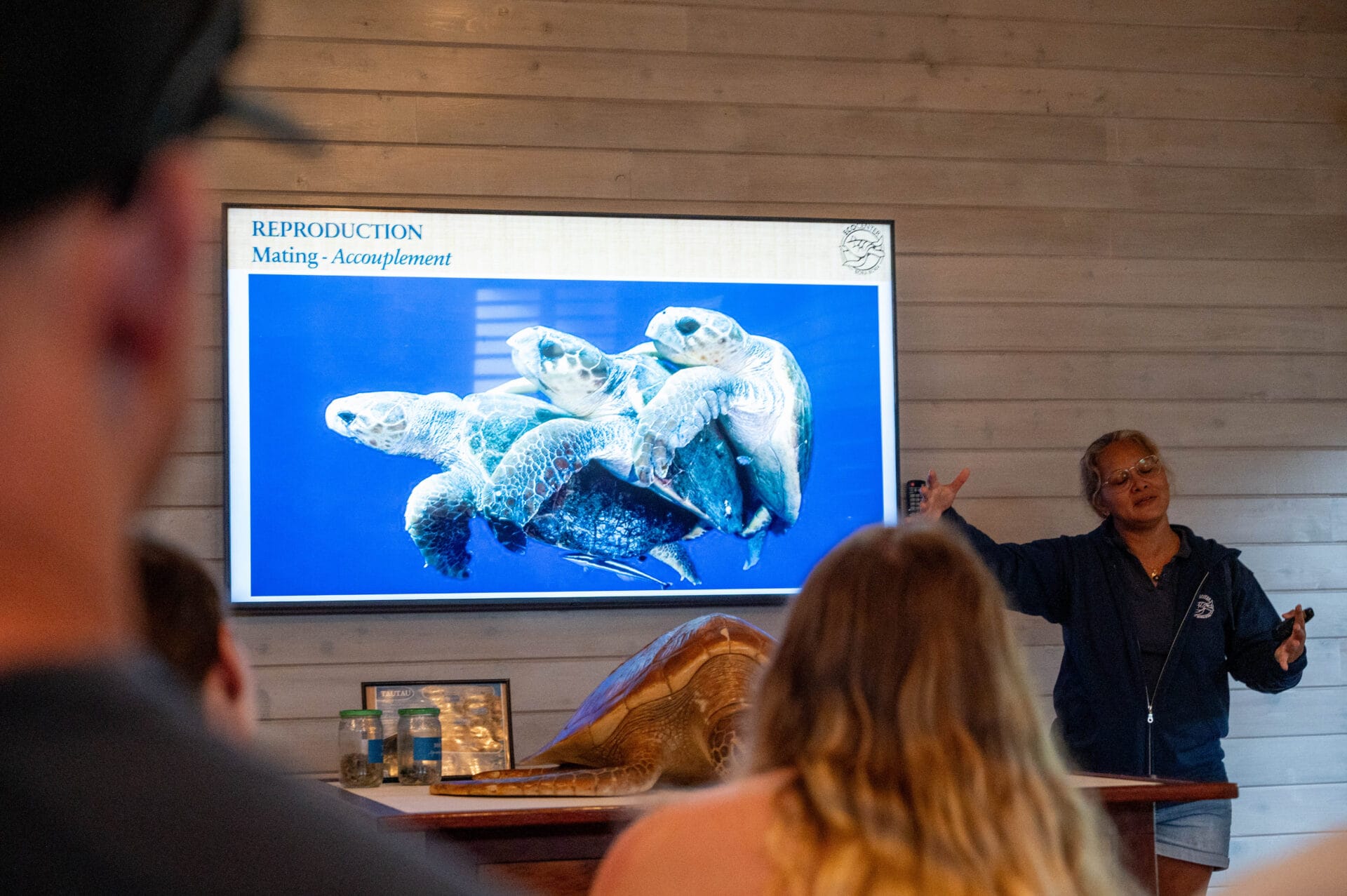
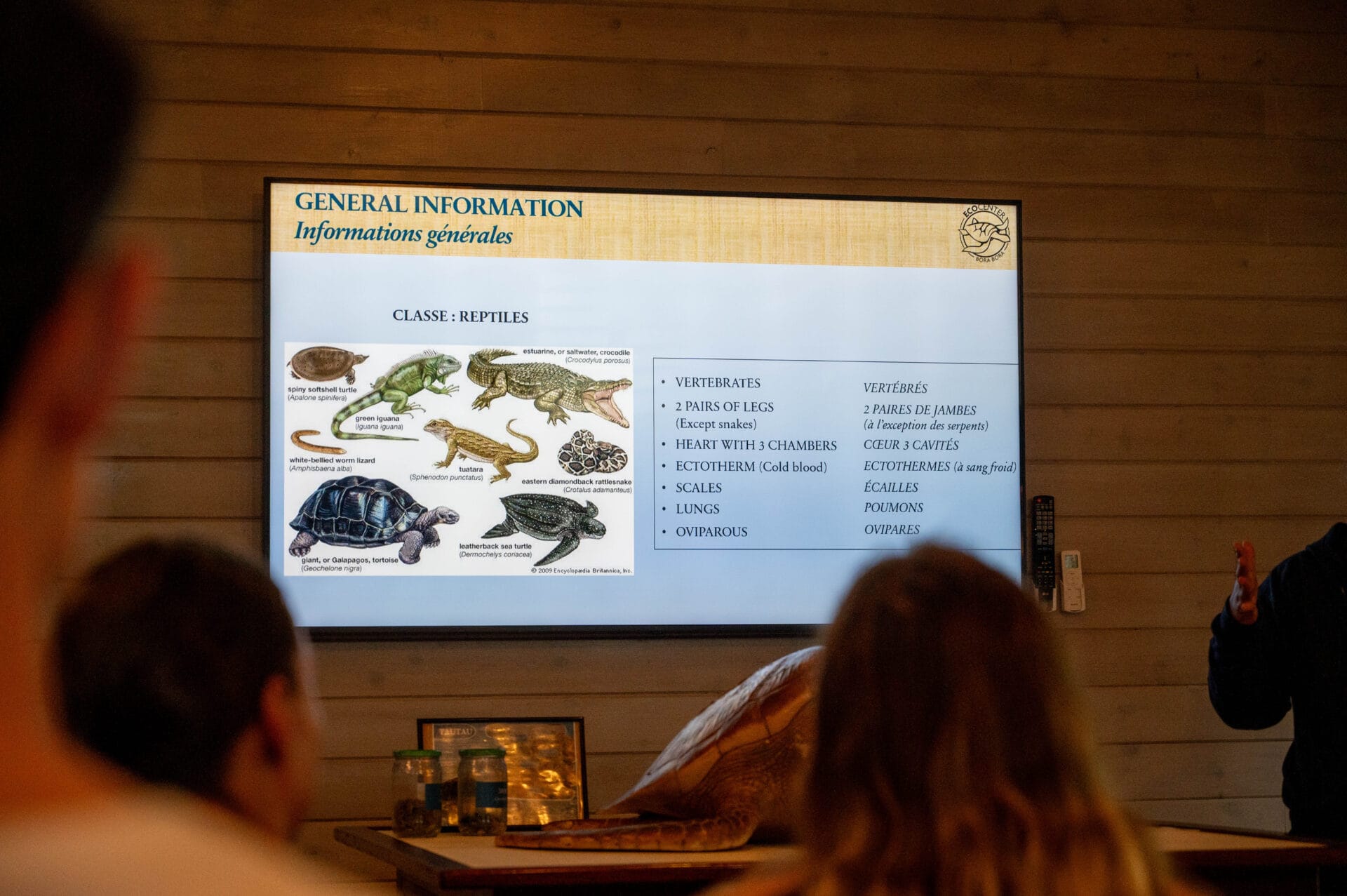
Your visit starts in the classroom with a presentation led by a marine biologist. And it’s not the kind of presentation you sit through politely while waiting for the real thing. It’s genuinely engaging.
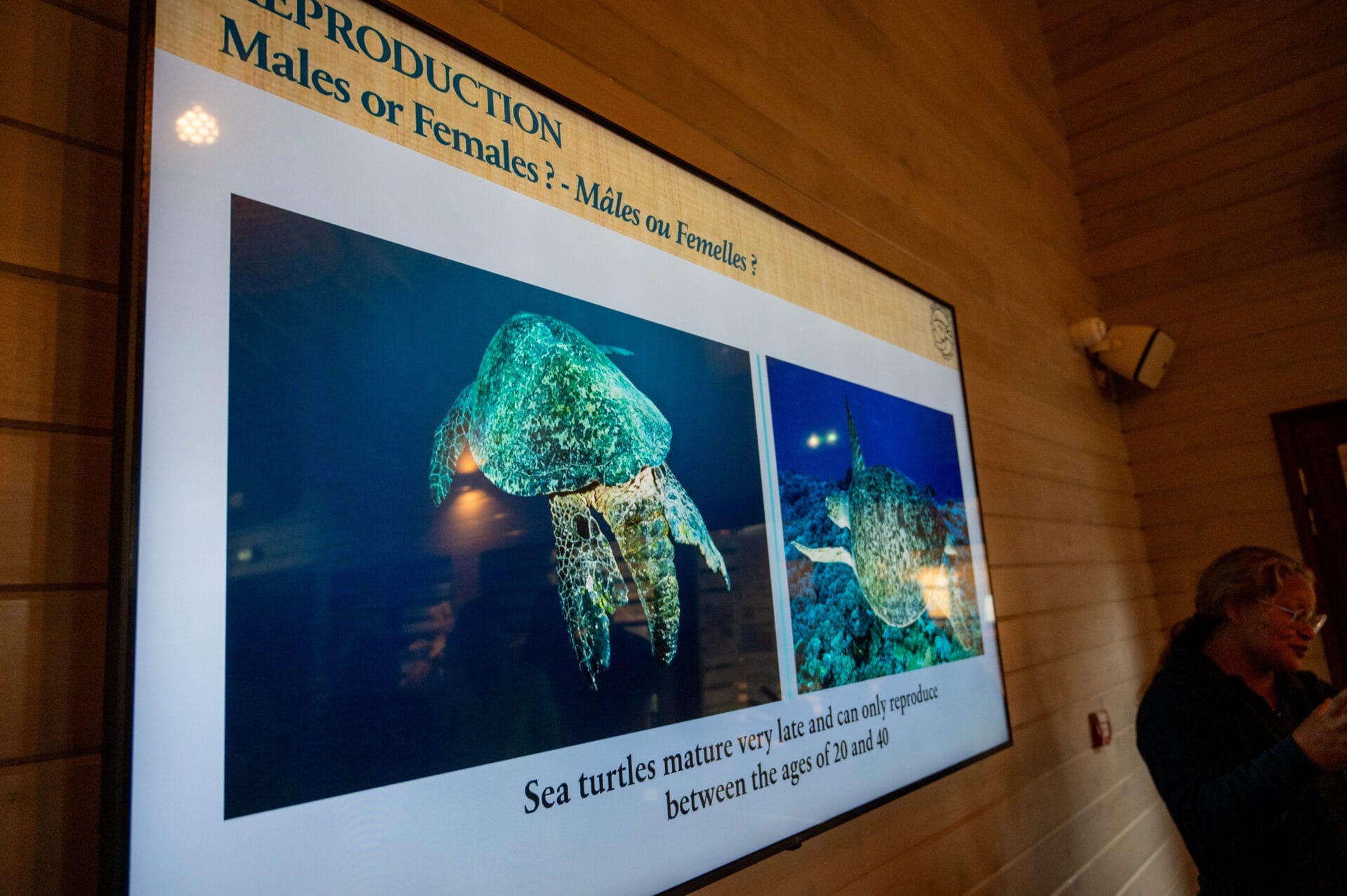
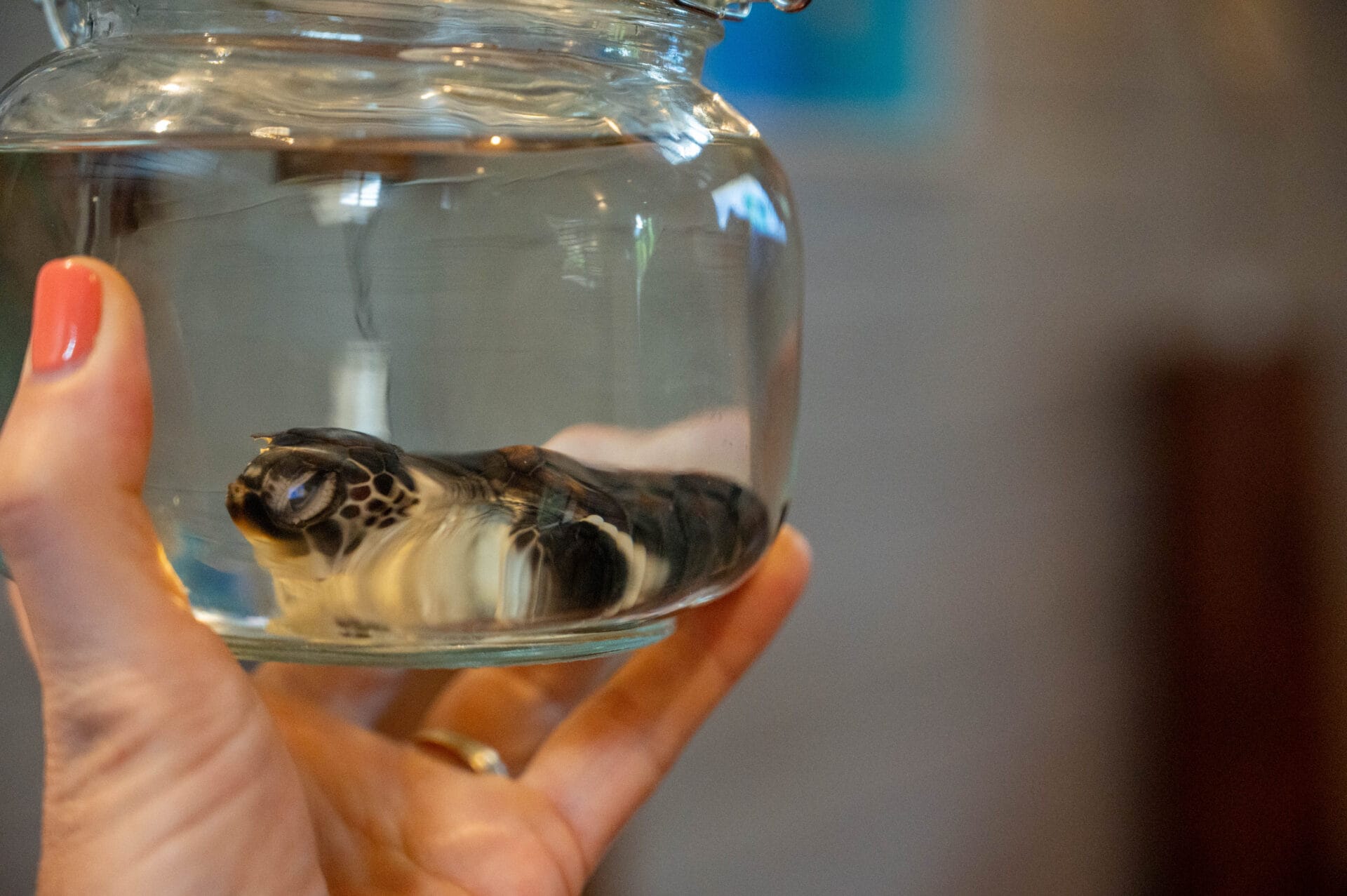
The slideshow covers sea turtle species, their life cycles, the threats they face, and the specific work the Eco Center does — rescue, rehabilitation, research, and release. Around the room, items are passed from person to person: preserved baby sea turtle, sample plastics that have been removed from turtles, and tactile displays that help connect theory and real life.
But the centerpiece of the classroom is a life-size, anatomically correct three-dimensional model of a green sea turtle. You can lift the shell and see what’s underneath — the organs, the lungs, the stomach, how everything is arranged inside this ancient creature. For our kids, this was the moment they leaned all the way in. For me, it was a reminder of how remarkable these animals are and how fragile.
And then there was the plastic.
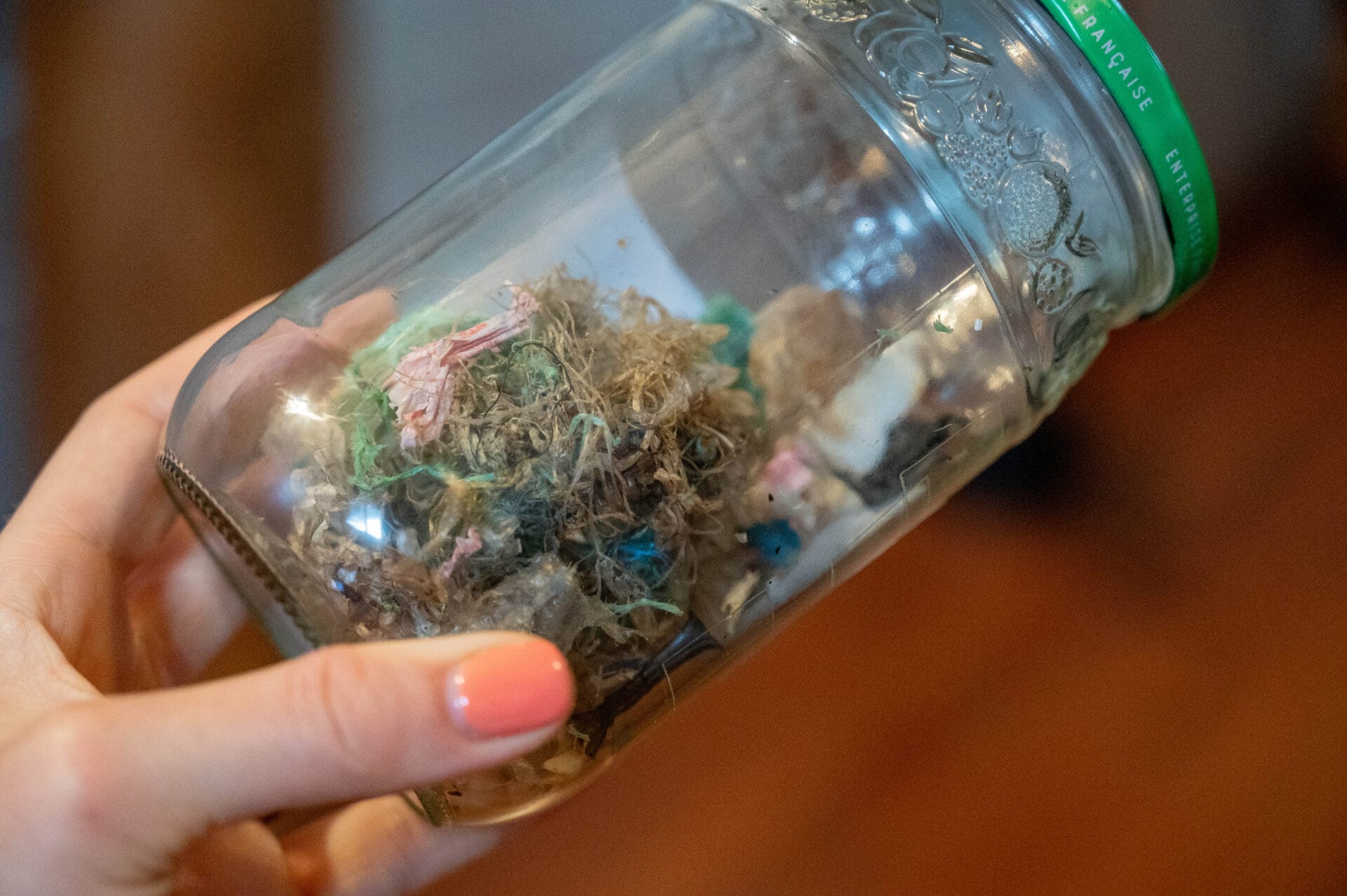
In a display I won’t forget, the center showcases the actual plastic debris removed from turtles’ stomachs. Not photos. The physical material. Sitting there in front of you, in a glass jar, undeniable. In our household, we reduce, reuse, and recycle. We talk about plastic consumption regularly. But seeing it pulled from the body of an animal that was simply trying to eat — that hits differently. It made our family’s commitment to reducing plastic feel more urgent and more personal than it ever had before.
Meeting the Resident Turtles
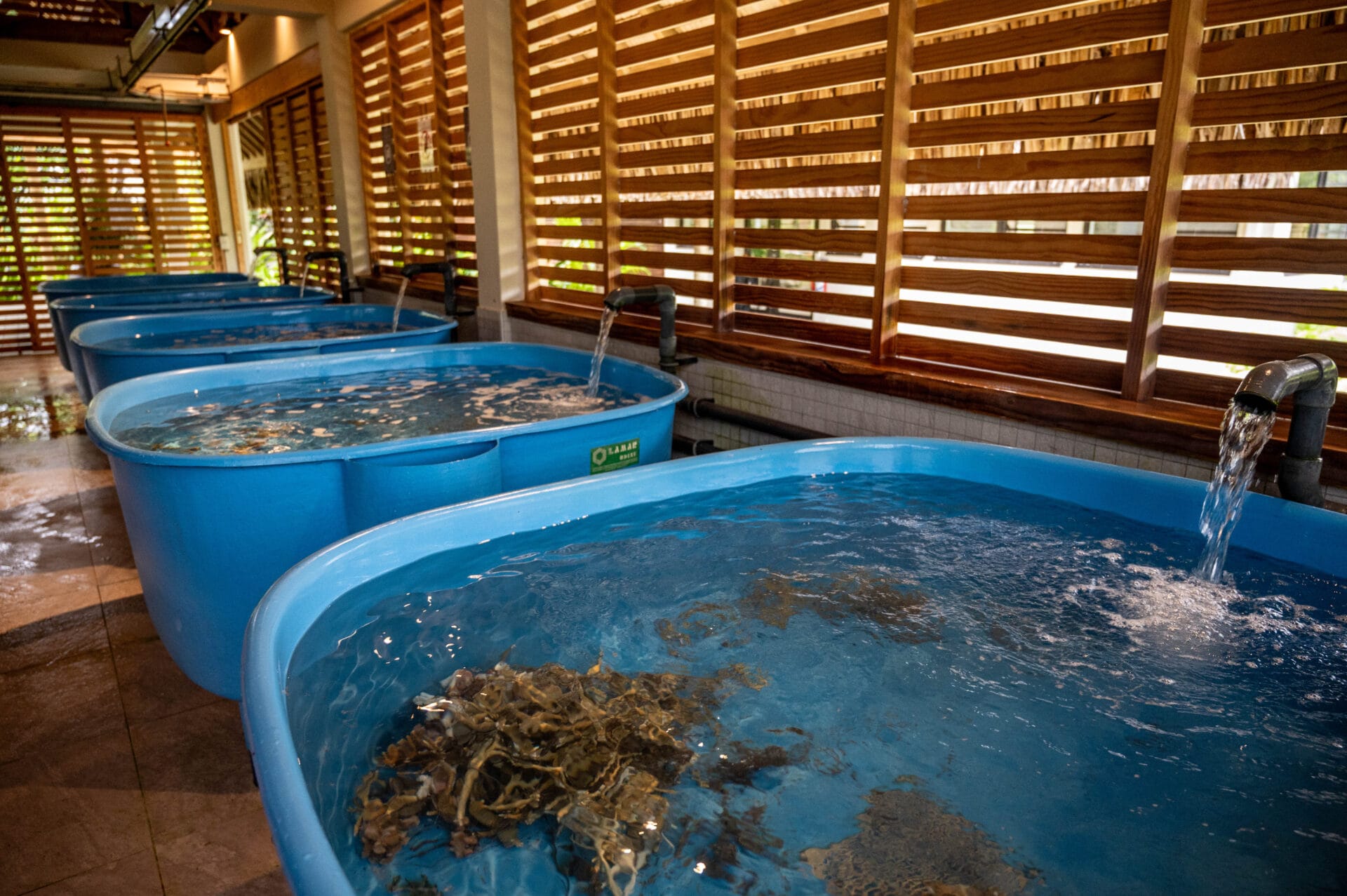
After the classroom, you’re taken to meet the two turtles currently in the center’s care:
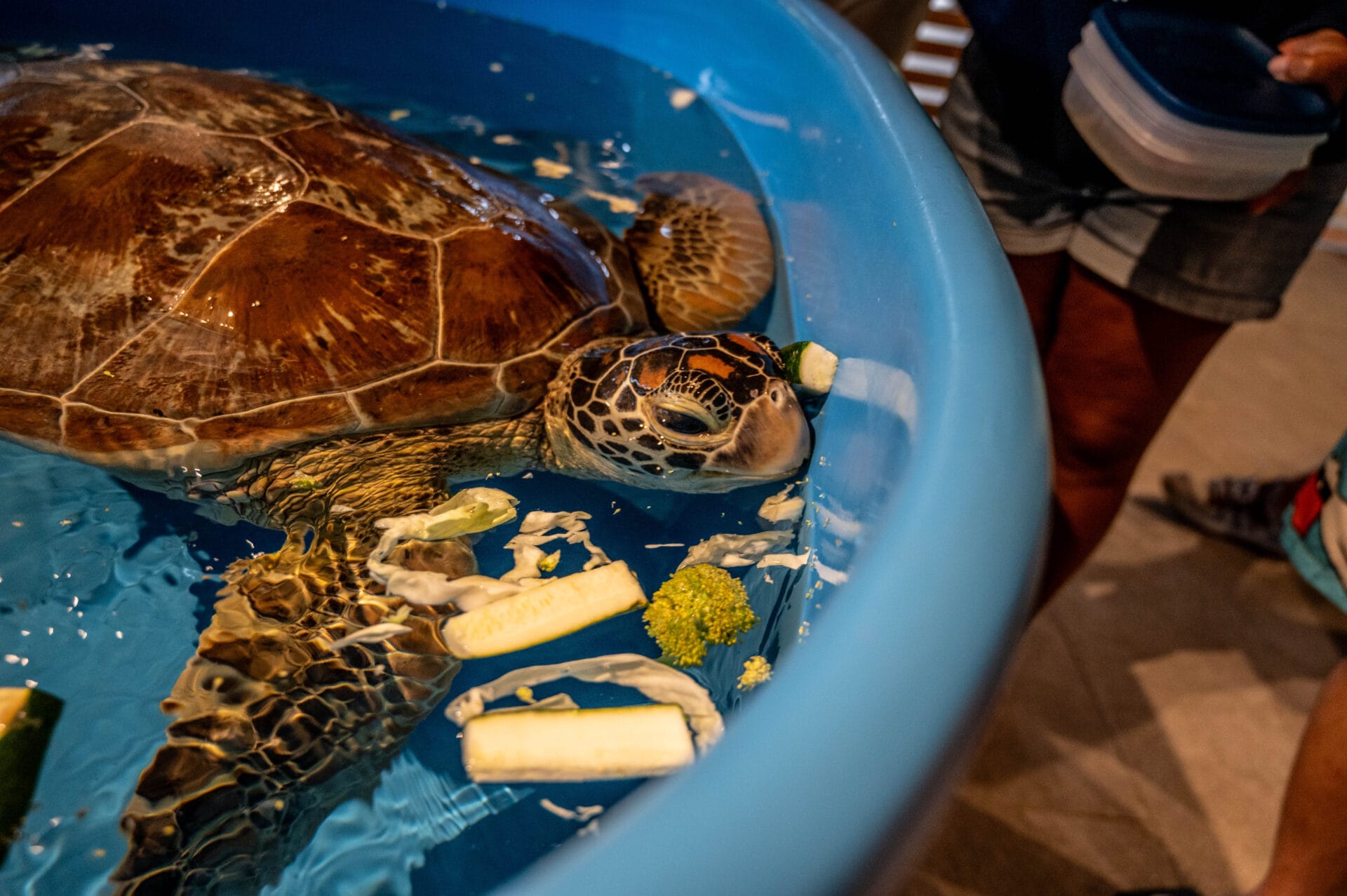
Kenoa
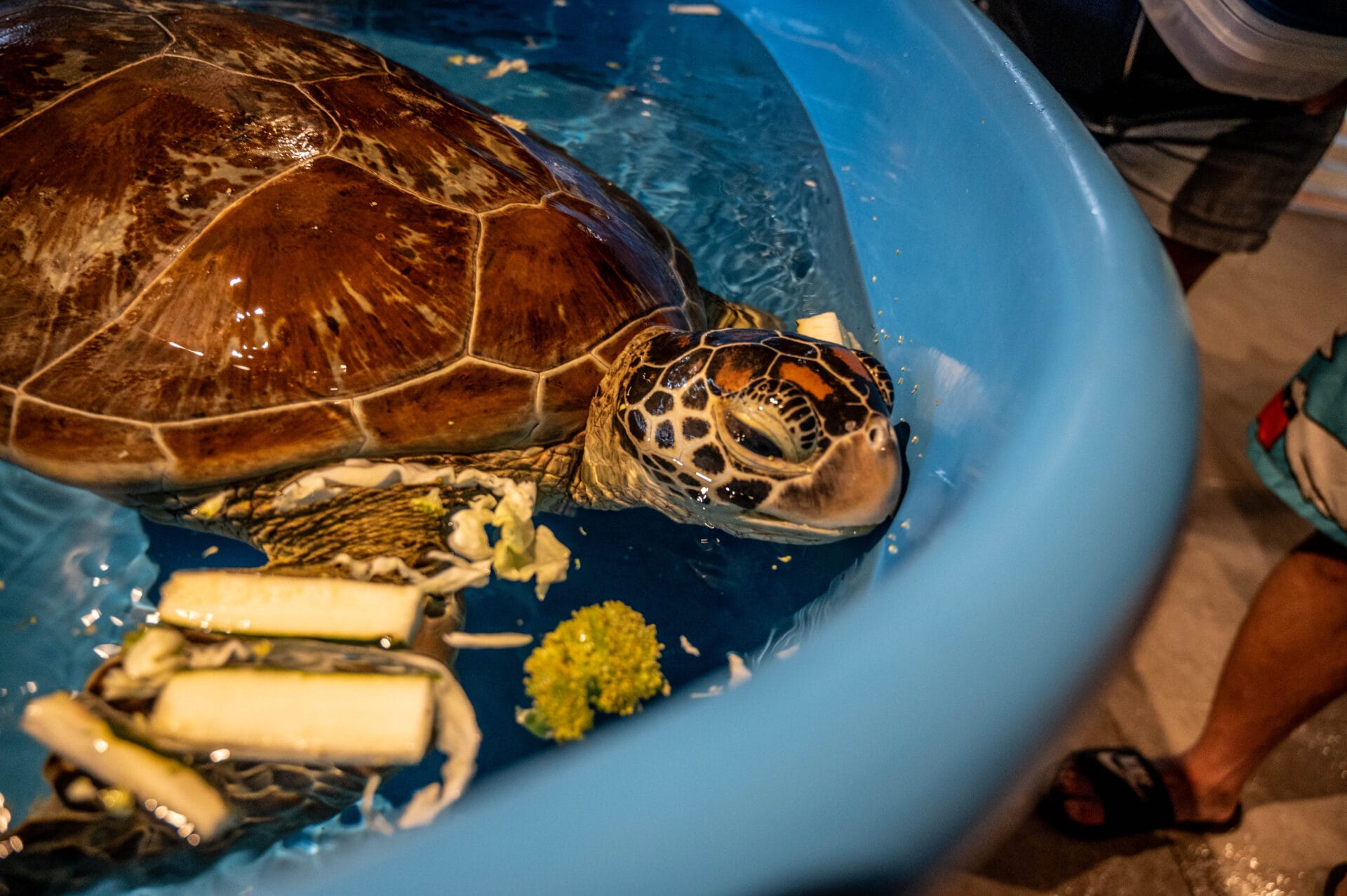
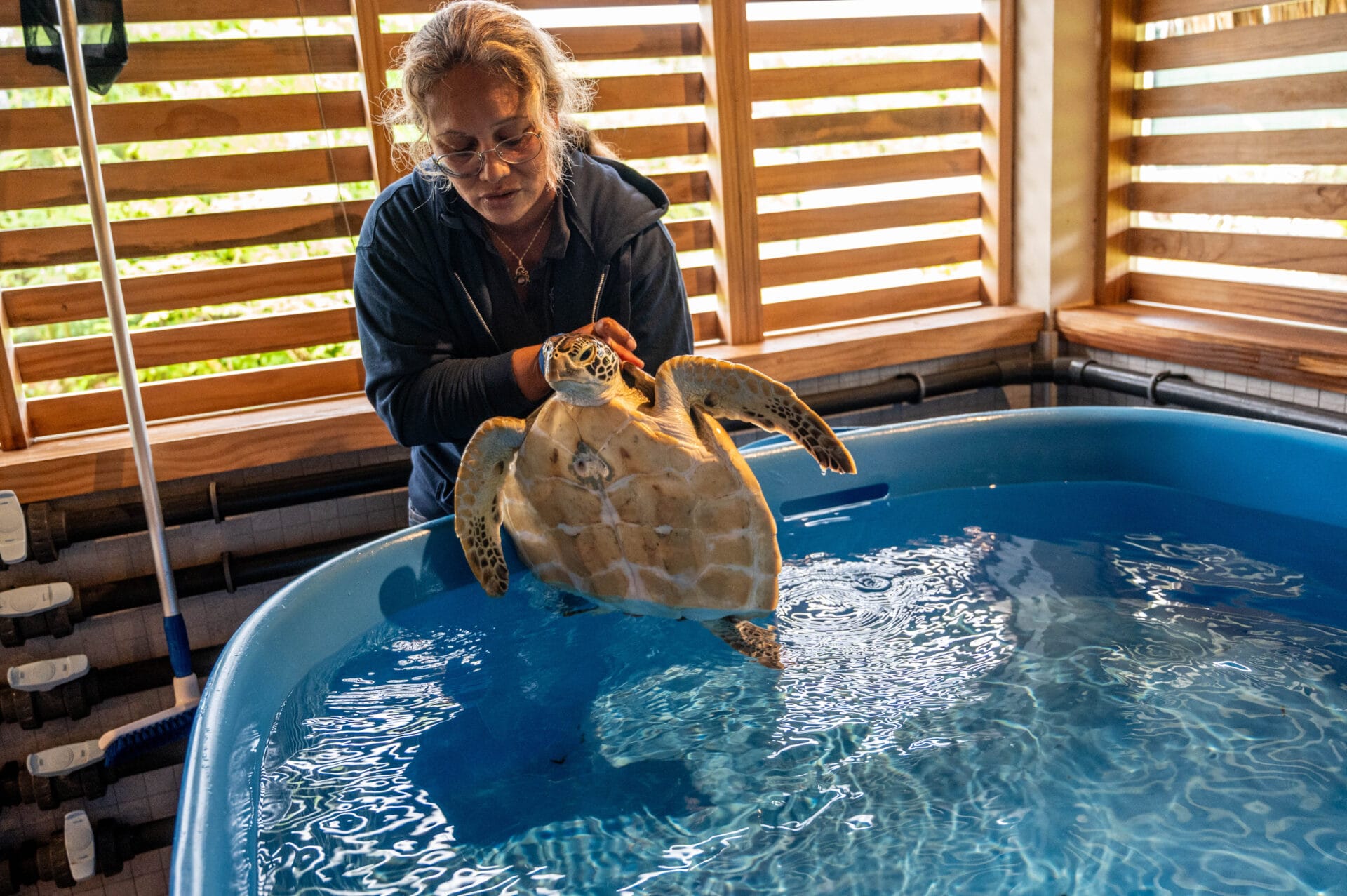
Kenoa is a 12 year old uvenile green sea turtle who arrived in 2020 after ingesting oil. Unfortunately, she still has floating issues and isn’t able to easily duck below the water. Kenoa will be in care for a long time.
Tiaki
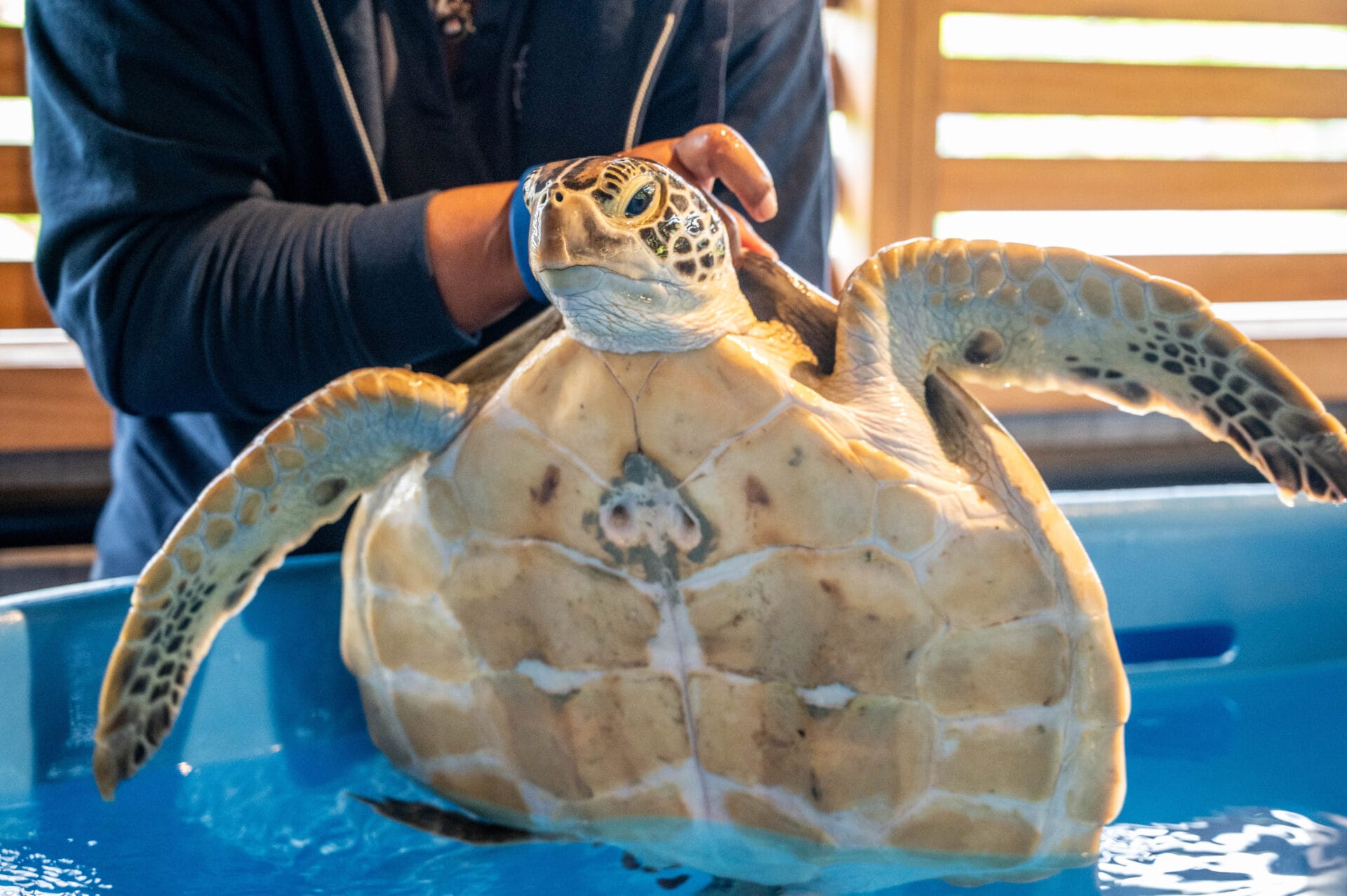
Taiki is a 4-year-old juvenile green turtle who arrived on March 31, 2025. They were injured by a speargun, and you can clearly see their injuries, and they need regular monitoring. However, the staff said that he is recovering well and hopes to be released back into the ocean and make a full recovery.
Watching them was a mix of heartbreak and hope. Taiki ate voraciously when food was offered — a sign of recovery. Kenoa struggled and took a really long time to get food in his mouth, an indicator of where they are in the healing process. Seeing this with the kids in person is where the appreciation and the transformation happen.
Seeing the Turtles in the Lagoon
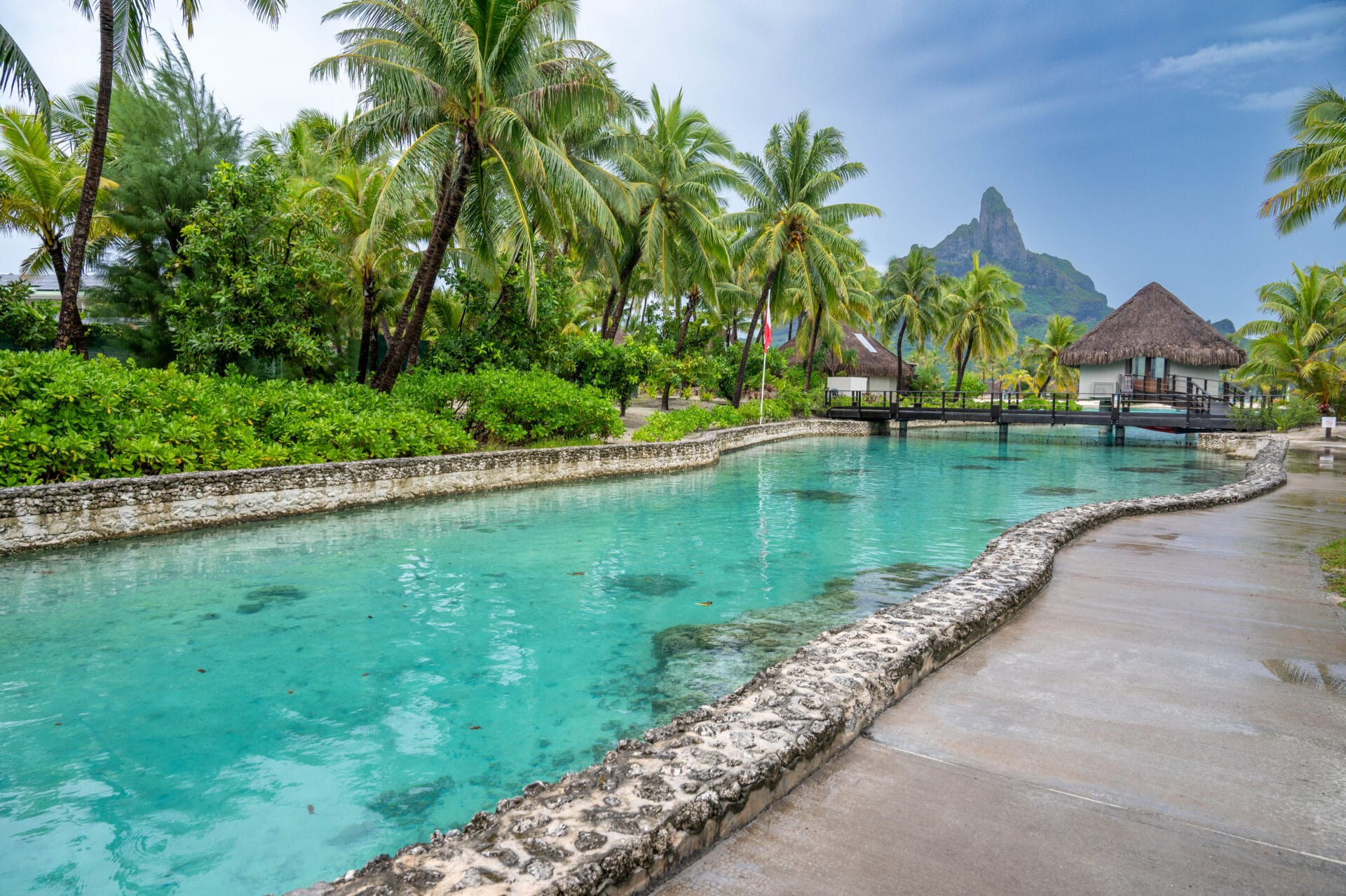
A couple of hours after our visit to the center, we headed out into the protected lagoon that is next to the rehabilitation center, and Kenoa and Tiaki were there, swimming around and enjoying their playtime.
The same turtles we’d just met in their rehabilitation tanks were out in the protected water, moving freely through the lagoon. The marine biologist had told us about their favourite hiding spots, the areas where they like to nuzzle into the coral and graze on algae, where we were most likely to find them. And knowing all of that — knowing their names and their stories and what they’d been through — made seeing them in the water feel completely different from any other wildlife encounters we’ve had.
Practical Information
Cost and How to Book
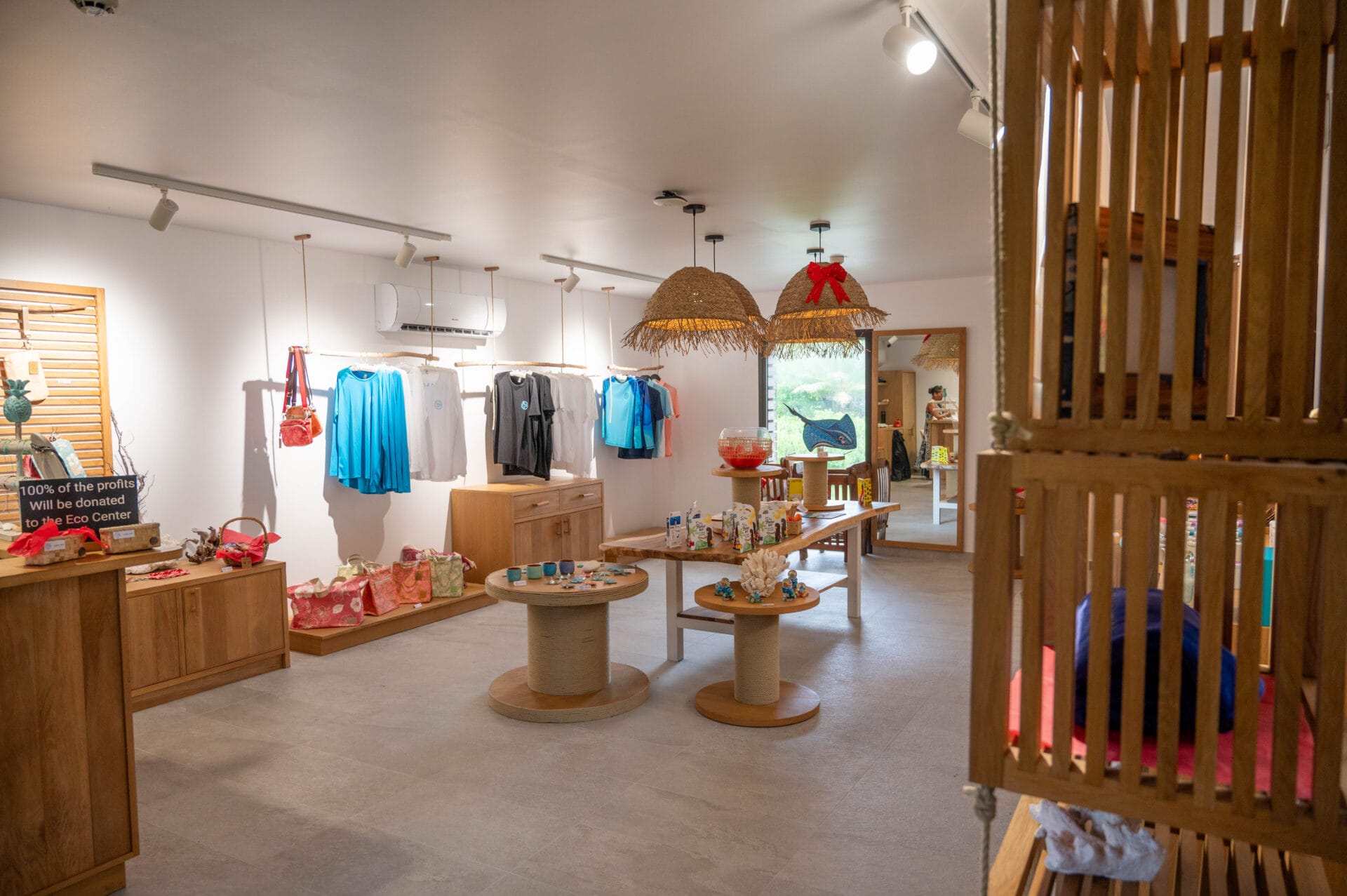
The Eco Center experience costs approximately $50USD to visit, with proceeds going to the hospital and the conservation work.
To book, contact the concierge at The Westin Bora Bora or reach out to the Eco Centre directly. If you’re a non-guest, there may be additional costs for the shuttle transfer to the property.
What to Bring
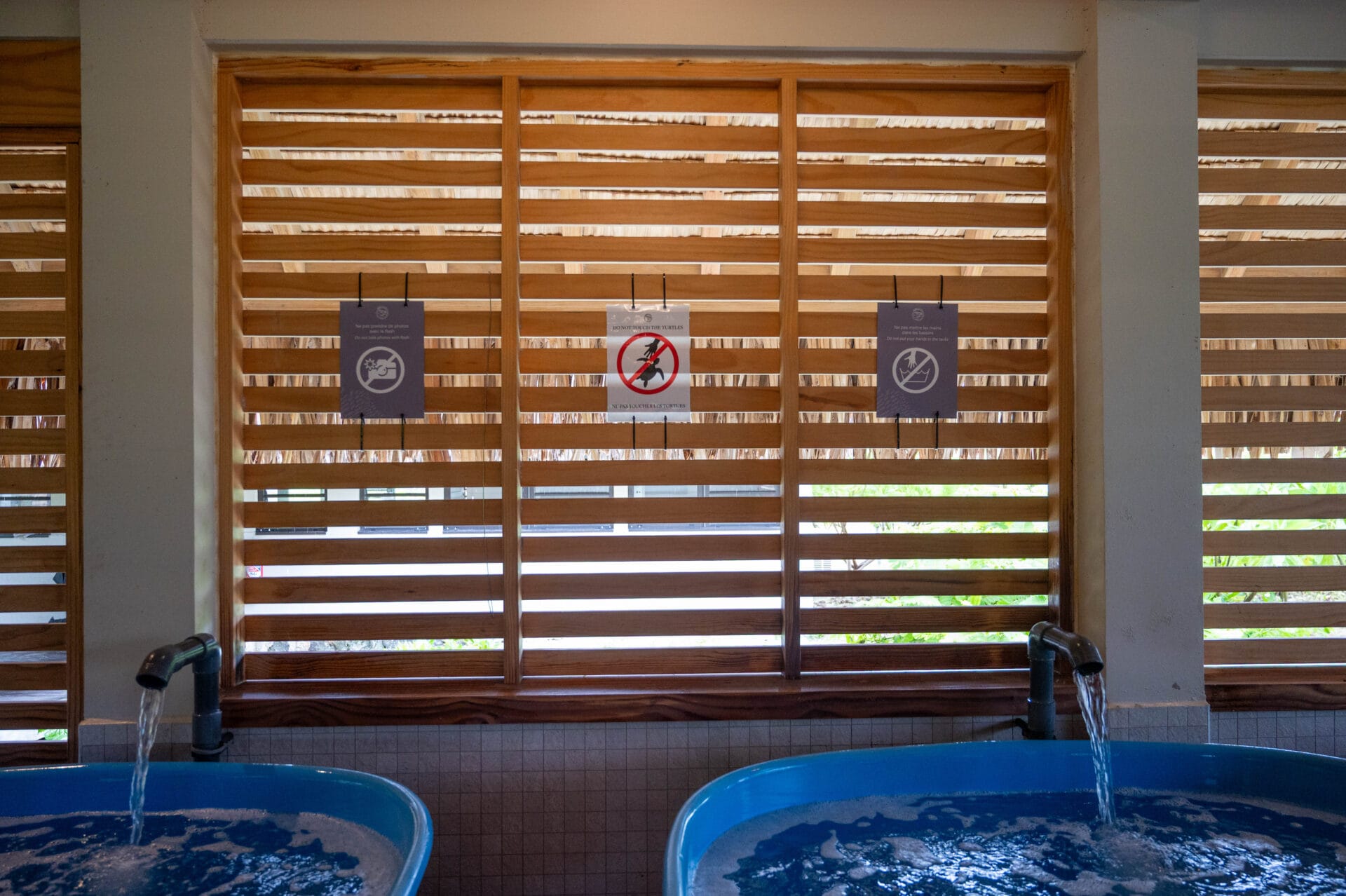
Bring a camera — the turtles are fun to photograph up close, I could have stayed there for hours! Flash photography is not permitted inside the facility, but it isn’t really needed due to the amount of natural light.
Is It Worth It? Our Honest Take
Yes, it is worth it, but I have one wish…
The experience itself is high quality, genuinely educational, and impactful. The staff are passionate and knowledgeable. The turtles are remarkable. And the connection you feel to this place and its mission stays with you long after you’ve left.
My one wish is that there were more ways for visitors to extend their involvement. A turtle sponsorship program? A tracking bracelet connected to a specific animal? A small plaque or stone in a pathway that marks your contribution and leaves something permanent behind?
Something that says: I was here, I cared, and I helped. The center is doing extraordinary work — and I think there’s an opportunity to deepen the connection between visitors and that work in ways that would benefit everyone.
If you’re visiting Bora Bora and you care about the ocean, this is one of the most worthwhile things you can do with a few hours of your trip.
What This Experience Taught Us
I’ll be honest: I wondered whether this would feel too much like a school field trip on a vacation. It didn’t. Not even close.
The visuals kept them engaged. The hands-on elements — the shells being passed around the room, the anatomical model, the close proximity to the turtles — kept them present. And the plastic display hit them in a way that no conversation at home ever quite had. They weren’t lectured. They were shown. And there’s a profound difference between those two things.
They came away knowing that the place we’d chosen to stay aligned with what our family values. That travel is about more than ticking boxes. That the stories we tell about the places we visit — and the businesses we choose to support — actually matter.
The Eco Centre Bora Bora is a reminder of why ecotourism matters and why the choices we make as travellers have real consequences.
When you spend your tourism dollars at a property that invests in conservation, you’re not just buying a hotel room. You’re participating in something larger. You’re telling the industry what you value. You’re contributing — even in a small way — to the survival of animals that have been on this planet for more than 100 million years and deserve to stay.
We chose The Westin Bora Bora partly because of the Eco Center. We’d do it again without hesitation. And we’d spend more time there next visit — maybe shadowing a caretaker for a day, maybe booking the deeper experience options.
Because some places don’t just show you something beautiful. They remind you why beauty is worth protecting.
Where to Stay
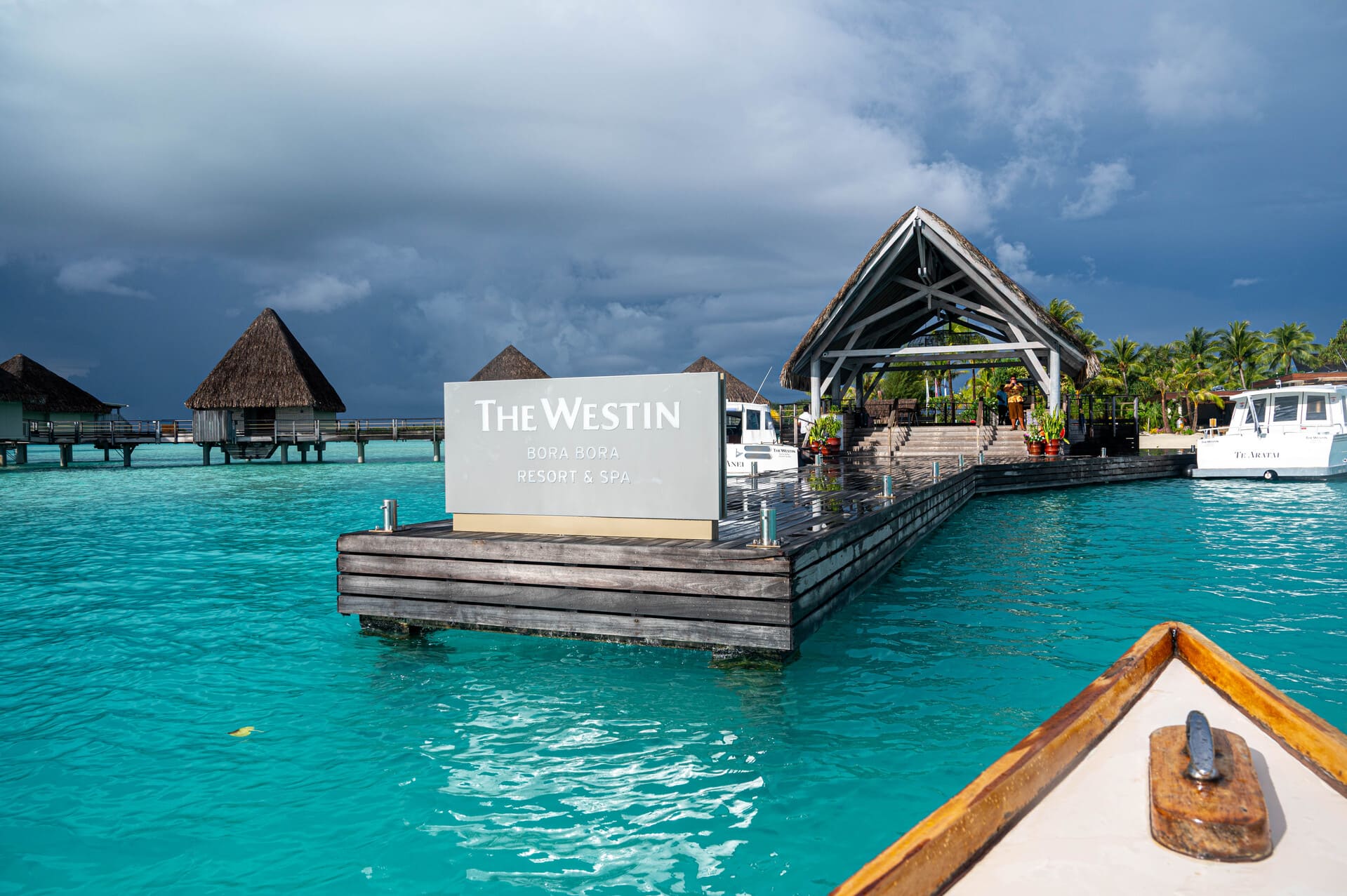
If the Eco Centre Bora Bora has made it onto your must-do list, there is no better home base than The Westin Bora Bora Resort and Spa — the property where the center lives, and the reason we found it in the first place.
The Westin Bora Bora is newly renovated and will reopen in 2024 as one of the most luxurious properties in Bora Bora. From the moment you arrive — welcomed through a private lagoon by the sound of a conch shell and a Tahitian guide singing you down an overwater boardwalk — it sets a standard for arrival experiences that we’ve never encountered anywhere else in the world.
The resort’s 128 overwater bungalows are the centerpiece of the stay. Modern, spacious, and designed with white marble, teal accents, and natural Tahitian textures, each bungalow sits directly over the lagoon with a private deck, plunge access to the water, and — our personal favourite detail — a glass panel built into the floor so you can watch turtles, sharks, and fish move beneath you at any hour of the day or night.
Beyond the bungalows, the property offers an infinity pool and swim-up bar overlooking Mount Otemanu, complimentary water activities including kayaks, paddleboards, and snorkeling gear, the Heavenly Spa by Westin, a fully equipped fitness studio, multiple restaurants, and of course, the Eco Centre itself.
It is a full world — and one that our family will be returning to.