
Are you searching for the best Cariboo Chilcotin Coast road trip itinerary for this October? Whether you’re discovering the Cariboo Chilcotin Coast for the first time, or returning for a visit, this guide will help you plan out the perfect trip.
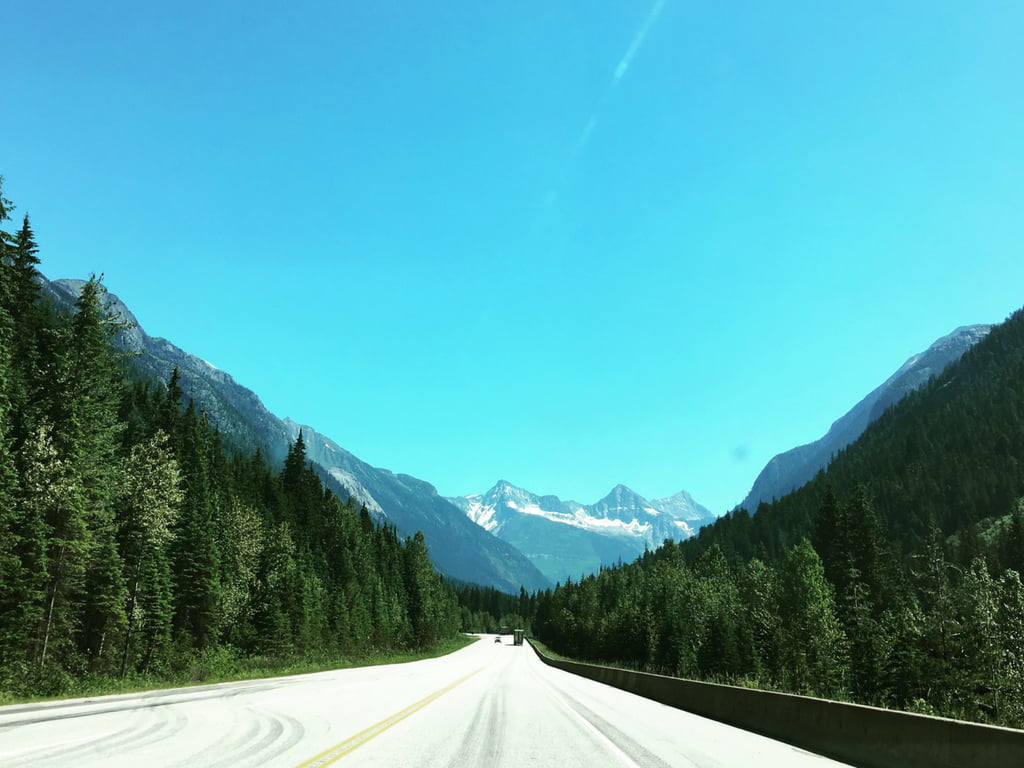
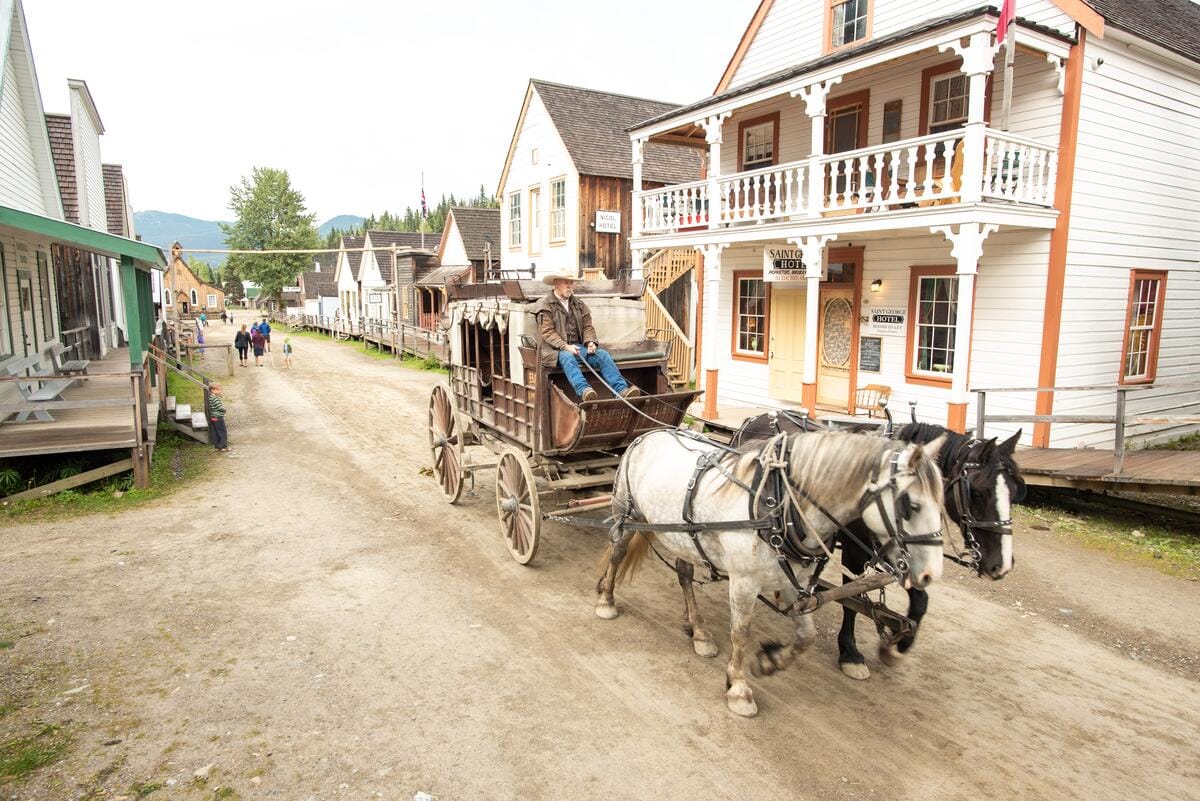
Most people picture this part of British Columbia in summer: dusty gold rush towns, guest ranches at full swing, lakes packed with waterskiers. But the fall in the Cariboo Chilcotin Coast might actually be when the region is at its absolute best. The crowds thin out, the aspens along Highway 97 turn gold, and the mountains are a photographer’s and hiker’s dream.
Along the coast and the interior rivers alike, the salmon runs draw in some of the most concentrated wildlife viewing in the province — grizzlies gorging in the Great Bear Rainforest, eagles stacking up by the dozen over the Horsefly River. This is a big, four-part region, and autumn is when it shows you all of it at once.
I spent my childhood summers and early teenage years in the Cariboo, with my family making the drive up from the Vancouver region more times than I can count, so that part of this itinerary comes from years of lived memory, not a single press trip. For the Chilcotin, the Coast, and the Land of Hidden Waters, I did something a little different: I built out these itineraries the way I would for any trip I was about to take myself, researching real operators, lodges, and guides region by region until each one felt like something I’d actually book. I’ll be upfront about which is which as we go.
What you’ll find across these four itineraries: the particular freedom of tearing around Green Lake on a jet ski as a kid with zero adult supervision in sight, a Tsilhqot’in-guided walk down to the riverbank on the way into the Chilcotin Plateau, twenty or more grizzlies gathered on the Atnarko River for the salmon run, and loons calling across Sheridan Lake at dusk with nothing else to hear for miles. Whether you’re coming back to a region you already love or setting foot in the Cariboo Chilcotin Coast for the very first time, here’s everything you need to plan four very different October road trips through one extraordinary part of British Columbia.
The Four Regions at a Glance
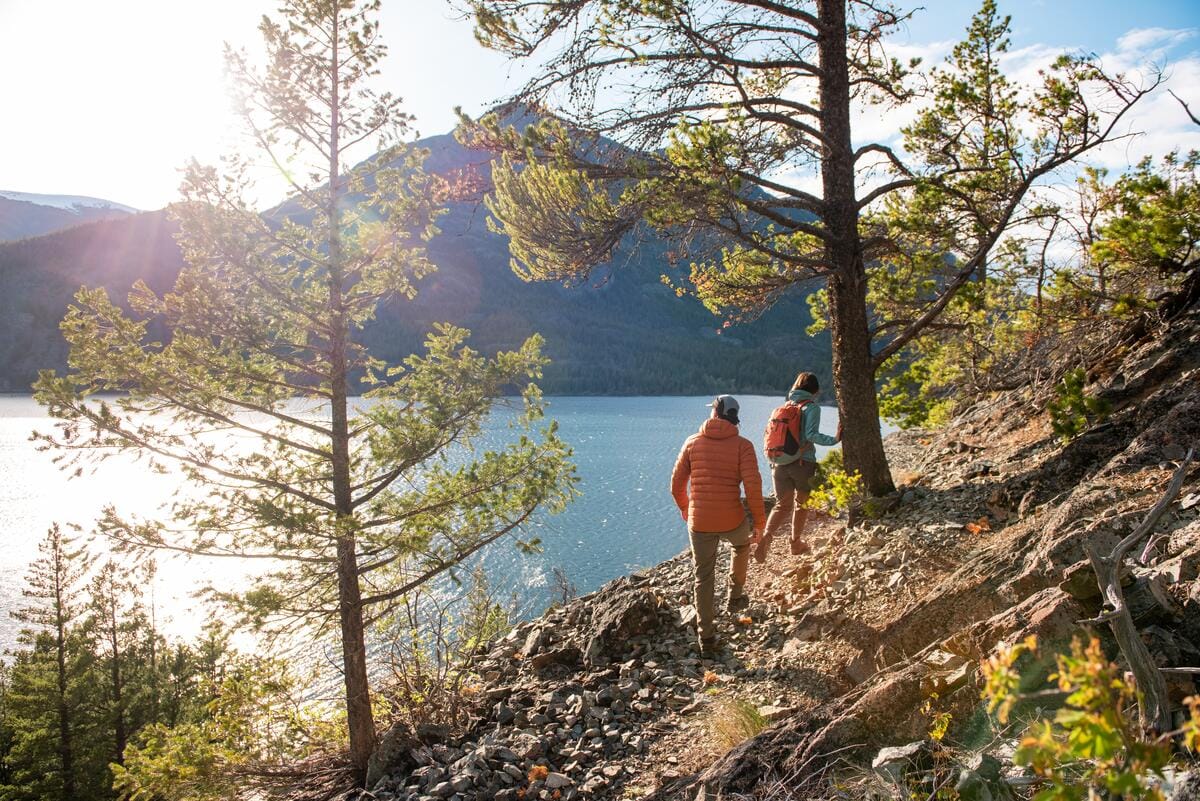
The Cariboo Chilcotin Coast isn’t one destination — it’s four, each with its own character, pace, and reason to visit. Use this snapshot to figure out which region (or regions) fits the trip you’re after, then jump into the full breakdown below.
| Region | Vibe | Best For | Getting There |
|---|---|---|---|
| Cariboo Gold Rush Trail | Ranchland, gold rush history, lake life | Nostalgia trips, families, wildlife photographers | Hwy 97, ~5-6 hrs from Vancouver |
| Chilcotin | Remote wild-west plateau, Indigenous culture | Off-grid adventurers, horseback riders | Hwy 20 west from Williams Lake |
| Great Bear Rainforest | Fjords, temperate rainforest, grizzly bears | Wildlife photographers, bucket-list wilderness seekers | Hwy 20 to its end, or ferry via Discovery Coast |
| Land of Hidden Waters | Quiet lake country, fishing, paddling | Slow travel, anglers, couples | Hwy 24 (“Fishing Highway”), off Hwy 97 |
Cariboo: The Return
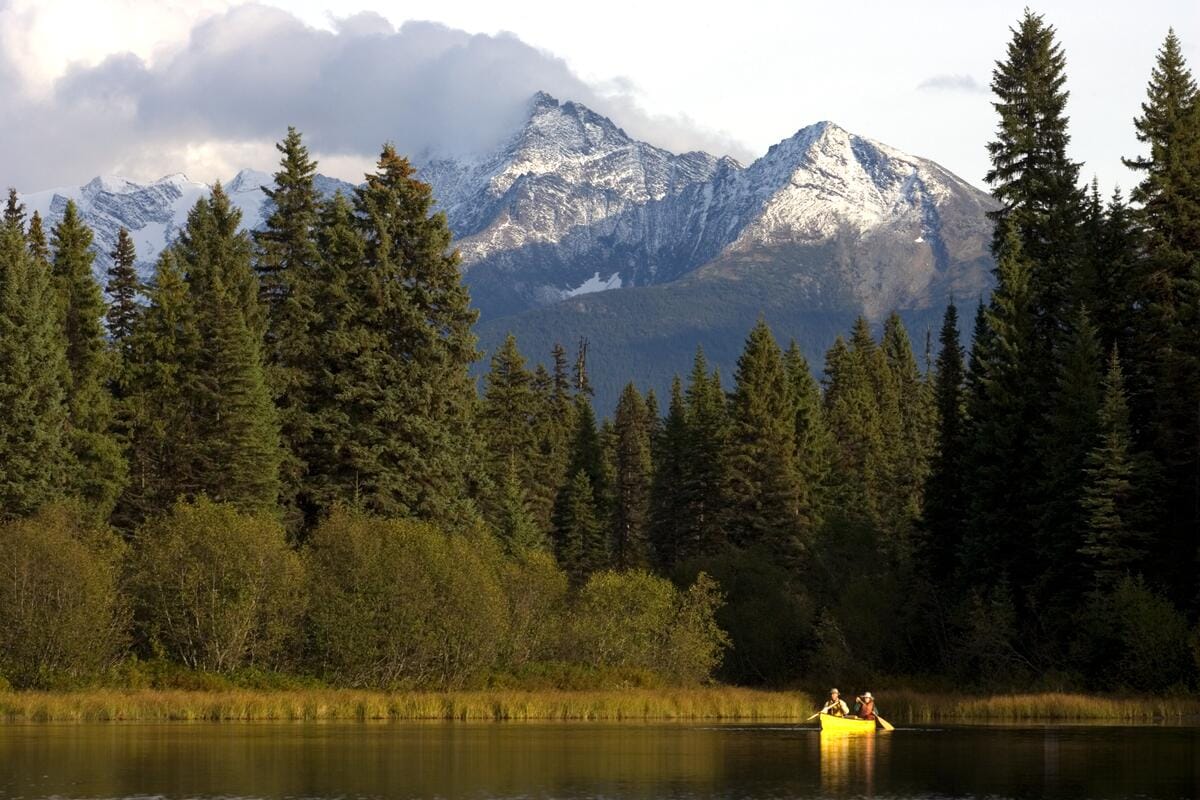
I grew up spending my childhood — and my early teenage years — in the Cariboo, and the version of it that lives in my memory has almost nothing to do with itineraries or bookings. It’s the feeling of leaving the busy Vancouver region behind and driving into rolling hills that seemed to go on forever. It’s being handed a level of freedom as a kid that I don’t think you get anywhere else: tearing across Green Lake on a jet ski or behind a water ski rope, driving through the backcountry on an ATV in summer and a snowmobile in winter, with adults chasing us to keep up. The Cariboo was the place I learned what it felt like to have freedom and untethered adventure.
Returning to it now, older and with a notebook instead of a jet ski, the region hasn’t lost that quality — it’s just that October reveals a different side of it. The ranchlands turn gold, the highway empties out, and along the Horsefly and Quesnel Rivers, one of the largest sockeye salmon runs in the world draws in eagles by the dozen. If you’re coming back to the Cariboo, or setting foot in it for the first time, here’s how I’d spend three days there this fall.
Where to Stay in the Cariboo
Camping and Cozy Cabins Along The Gold Rush Trail:
White Moose Resort
McLeese Lake Resort
Hotel-tier:
For a comfortable mid-range base in Williams Lake or Quesnel, both towns have reliable hotel options within easy reach of Barkerville, Horsefly, and the Quesnel River.
Williams Lake suggestions:
| Ramada by Wyndham Williams Lake | Website: https://www.wyndhamhotels.com/en-ca/ramada/williams-lake-british-columbia/ramada-williams-lake-bc/overview |
| Drummond Lodge, Williams Lake (with a lakeview of Williams Lake) | Website: https://drummondlodge.com/cms/ |
Quesnel suggestions:
| Prestige Riverside Lodge Quesnel | (on hwy 97, close to the Quesnel Fraser River foot bridge). Website: https://www.prestigehotelsandresorts.com/location/prestige-riverside-lodge-quesnel/ |
| Sandman Quesnel | (on Hwy 97, restaurants and shopping walking distance). Website: https://www.sandmanhotels.com/quesnel |
Luxury Stays and Eco-Resorts:
Siwash Lake Wilderness Resort & Ranch
Meadow Lake Guest Ranch
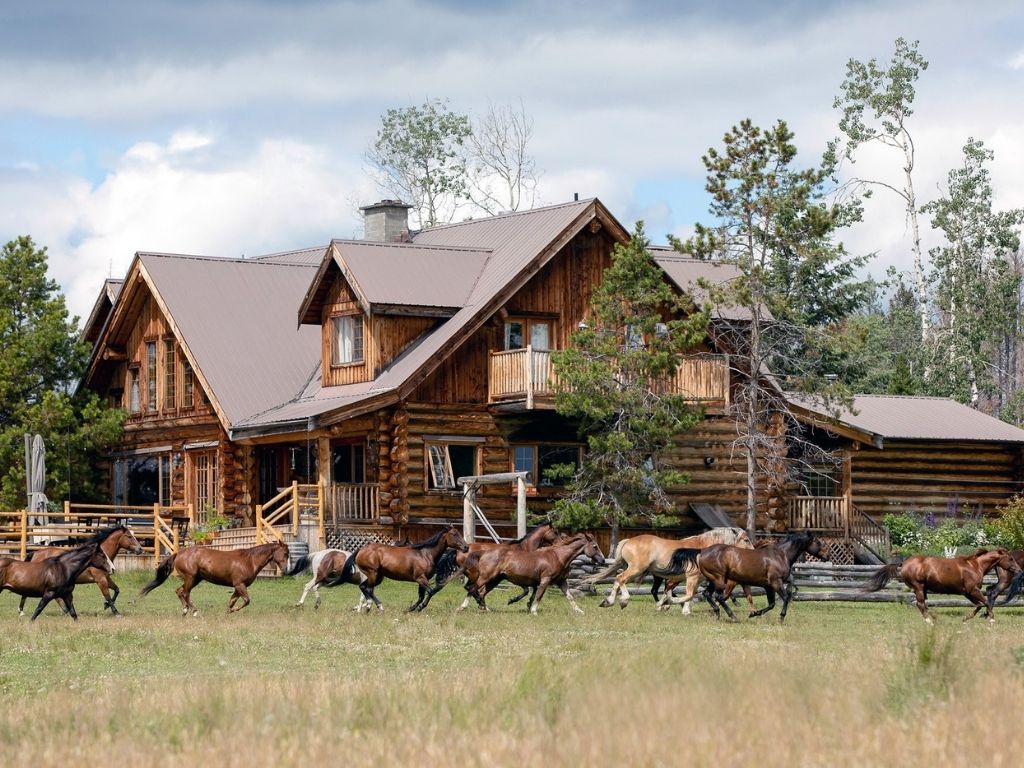
Meadow Lake Guest Ranch sits on the historic Gold Rush Trail near Clinton, billing itself as a gateway between the Cariboo and the Chilcotin. This collection of well-appointed guest homes include luxury stays like the Jefferson Ranch House to lakeview suites as well as stand alone Hunters Cabins. Accommodations are equipped with full kitchens, dinning areas for large groups, giving you the perfect place for a large family gathering or a retreat with friends. Meadow Lake Guest Ranch is open year round with activities varying based on the season. Guests can expect to enjoy hiking, fishing, kayaking, bird watching (they even run a dedicated bird watching tour) and more. Start planning by visiting: meadowlakeguestranch.com
👉 What I’d Recommend: Properties like this book up well ahead of October, when the light and the salmon runs draw in photographers specifically — don’t leave this one to the last minute.
Top 3 Cariboo Eco-Adventures
Slow Down in the Cariboo
Echo Valley Ranch and Spa is the rare property in this region with a genuine, destination-worthy spa attached — set on 160 acres near Clinton, it pairs a working guest ranch with both a traditional Thai spa and a Western-style Cariboo Spa offering hydrotherapy, massage, and skin care. Days here run from horseback riding and 4×4 canyon safaris to flightseeing and falconry, with meals built around ingredients grown on-site, and the whole operation has earned recognition as a Canadian Signature Experience. It’s worth noting the ranch is adult-oriented, generally welcoming guests 13 and older, which makes it a better fit for couples or multi-gen trips without young kids than for families with little ones.
Where to Eat in the Cariboo
Williams Lake and Quesnel both have standalone restaurant options beyond the ranch and lodge dining rooms — worth building in a stop at one of each if you’re passing through.
| The Osprey Nest (Williams Lake) | Website: https://www.theospreynest.ca/ |
| Barkerville Brewing Co (Quesnel) | Website: https://barkervillebeer.com/ |
👉 Wildlife-Smart Travel Tip: October is peak salmon-run season across this entire region, which means concentrated bear and eagle activity along rivers and streams. Keep a respectful distance, stay on marked viewing platforms or with a guide where available, and never approach wildlife for a closer photo — this applies at every river and viewing point covered in this itinerary, not just here.
Chilcotin: The Discovery
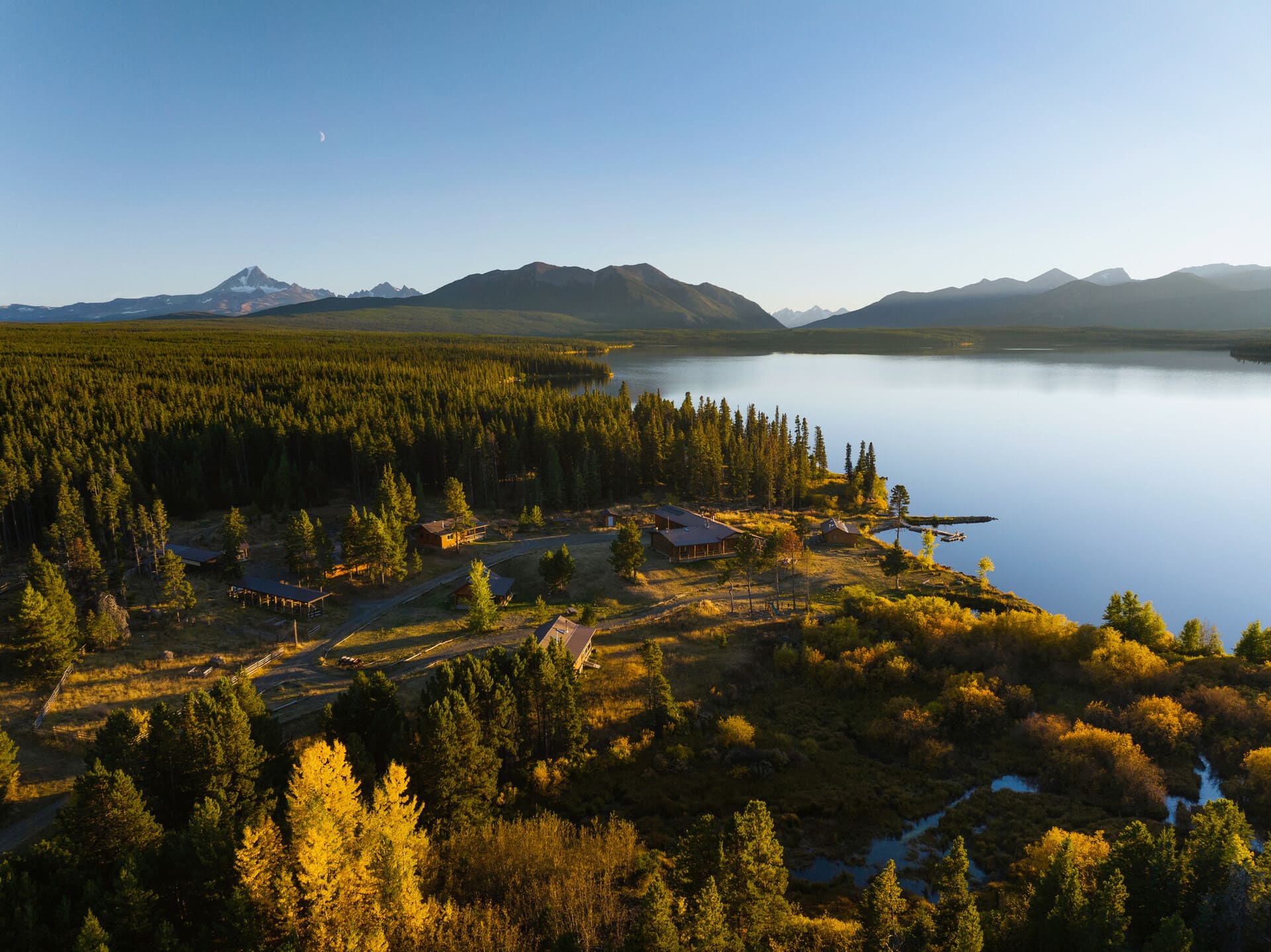
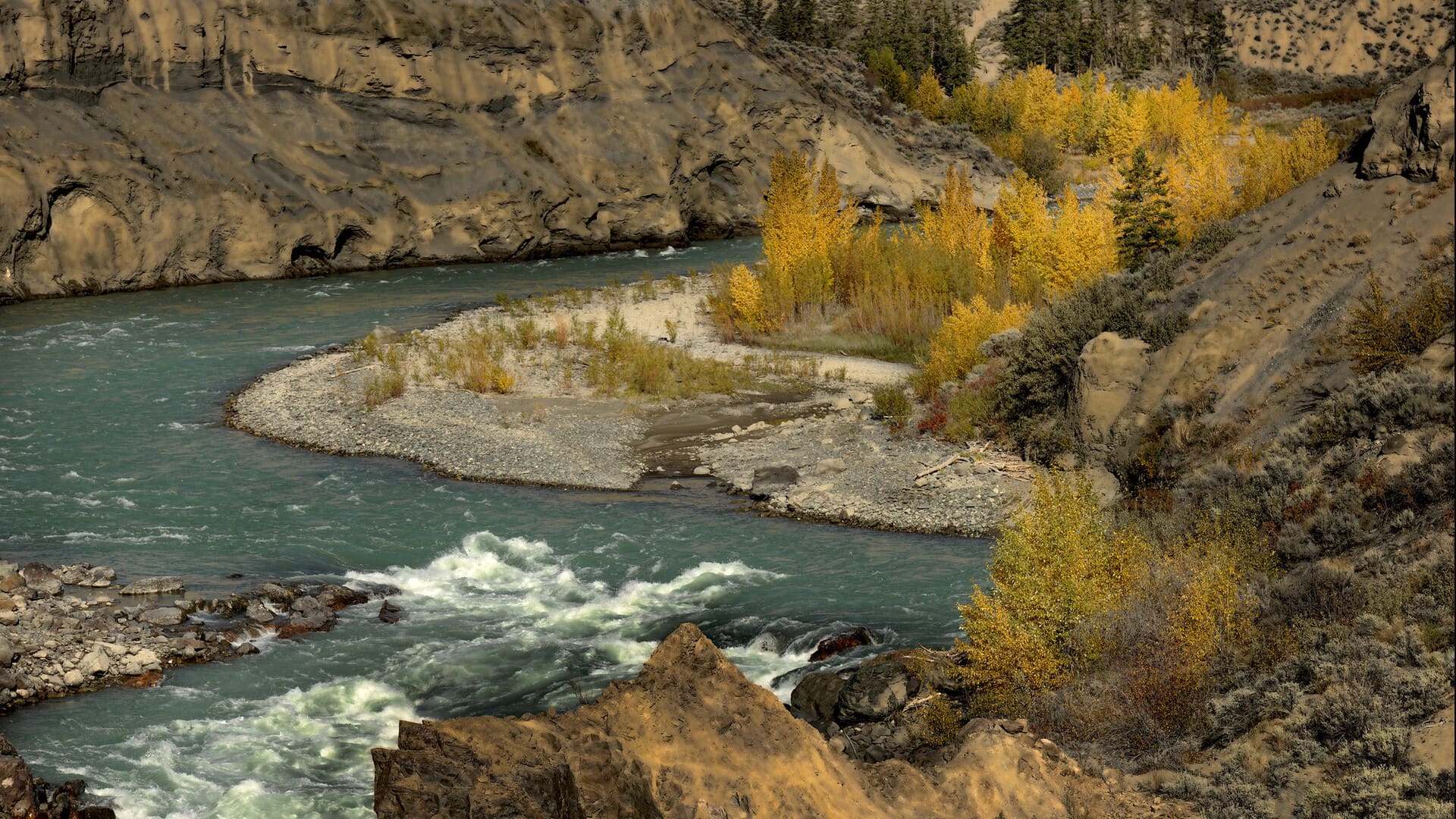
Where the Cariboo is the region I know by heart, the Chilcotin is the one I haven’t set foot in yet — and building this itinerary made me want to change that soon. Cross the Fraser River west of Williams Lake and the landscape changes almost immediately: fewer roads, fewer people, and a plateau that stretches out toward the Coast Mountains with a kind of scale that’s hard to picture until you’re in it. This is Tsilhqot’in territory, and it’s still genuinely remote — the kind of place where the drive itself is part of the experience.
On the way in, several Highway 20 road trip guides through this region include a stop with the Xatśūll First Nation, where guides lead visitors down to the riverbank to share traditional stories, pit-cooking methods, and the history of the land along the Fraser — a genuinely grounding way to start into the plateau rather than just driving past it.
Where to Stay in the Chilcotin
Camp
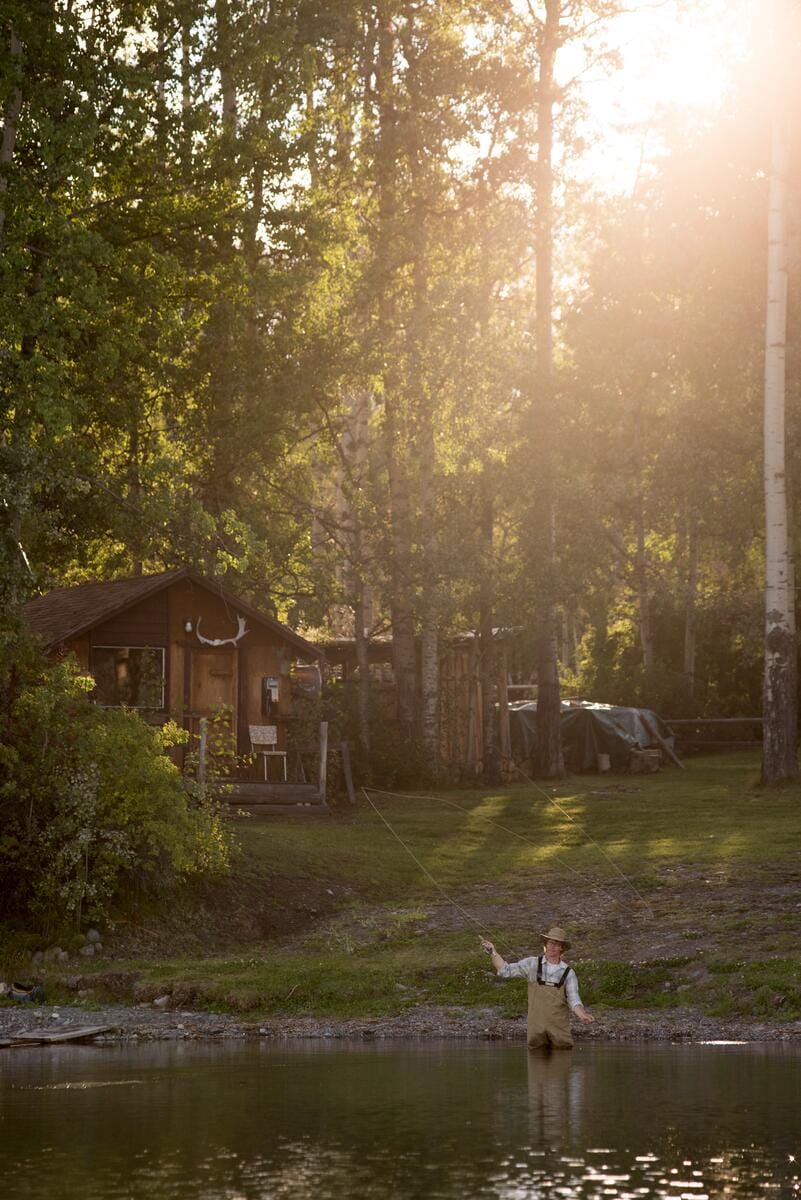
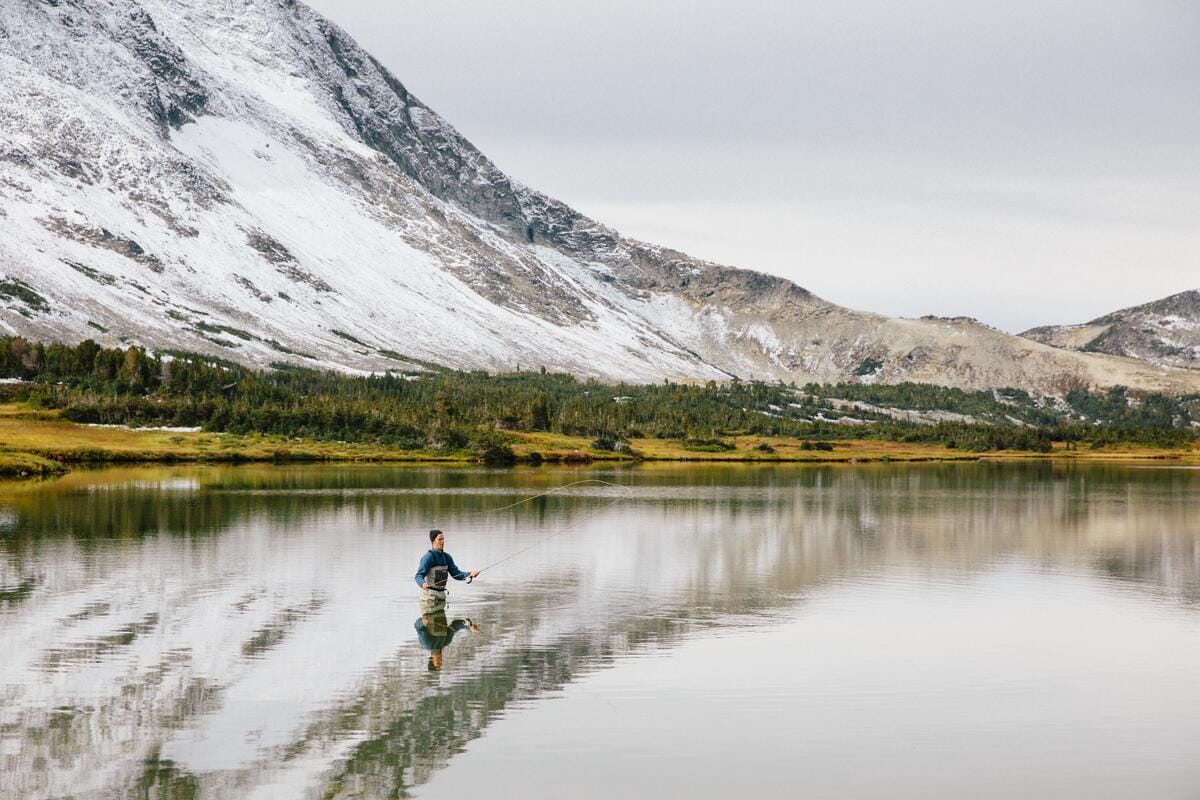
Puntzi Lake, just off Highway 20, has a cluster of lakeside resorts with RV and tent sites, plus canoeing and fishing right at the door. From motels and basic rooms to campgrounds, they have a variety of accommodations available right on the lake. Call to confirm availability and your needs during the fall when hours may be reduced or limited.
Hotel-tier
Luxury Lodge
Terra Nostra Guest Ranch
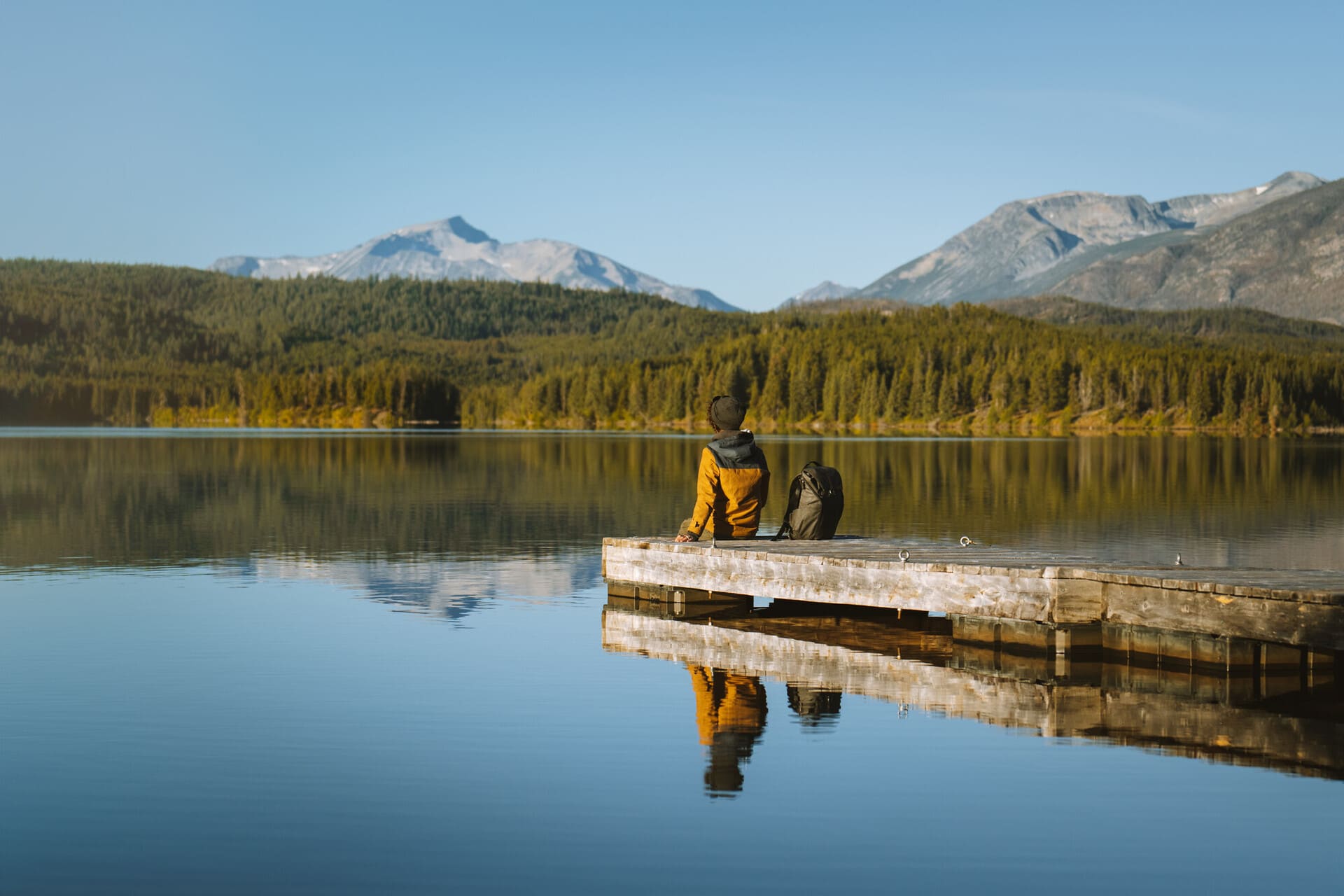
Big Creek Lodge
👉 Why It’s On My List: An authentic 4-star lodge that welcomes you to experience a traditional working ranch, in a safe and fun atmosphere. Rather than just watching from a fence — you’ll be invited on beautiful trail rides, out to the backcountry to explore via ATV or MTB, and get to settle back into the lodge for amazing meals and hospitality that the people of the Chilcotin are known for.
Top 3 Chilcotin Eco-Adventures
- Horseback and backcountry riding out of Big Creek Lodge — locals say fall is the best time to go, as there are no bugs, it’s not too hot or too cold, and the vistas are postcard-worthy.
Slow Down in the Chilcotin
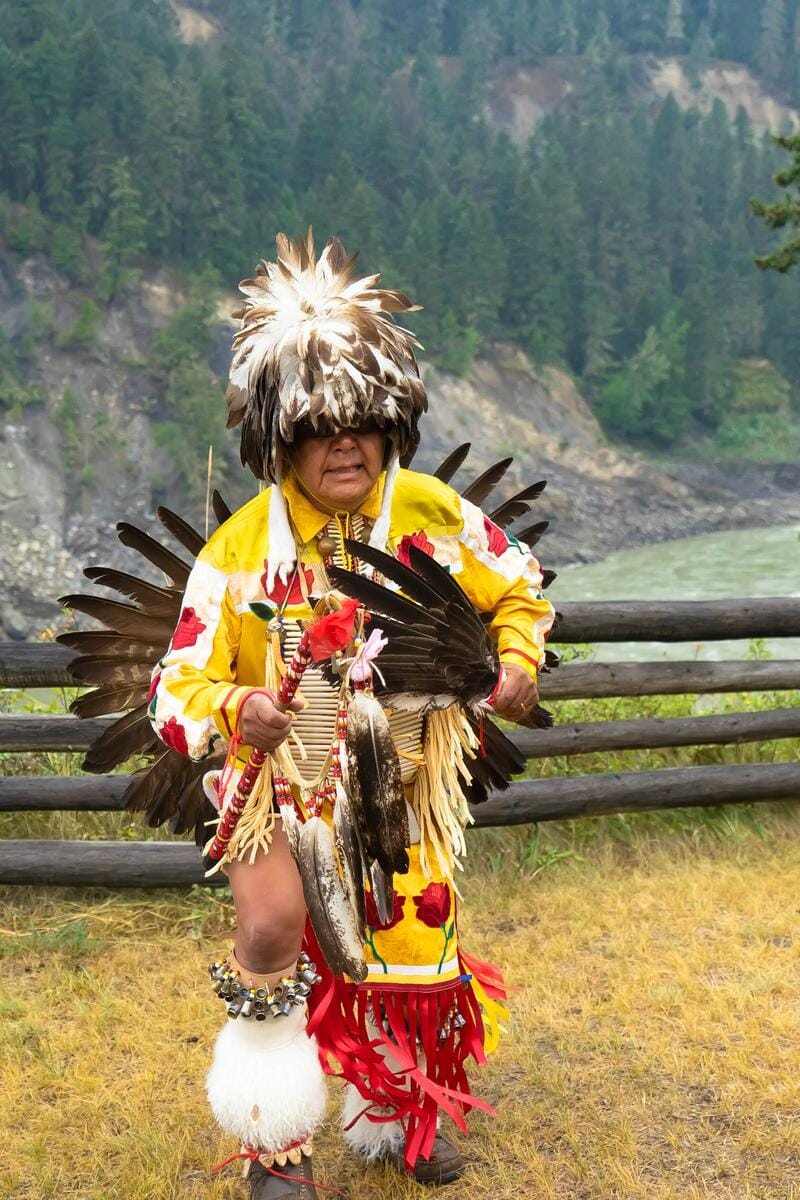
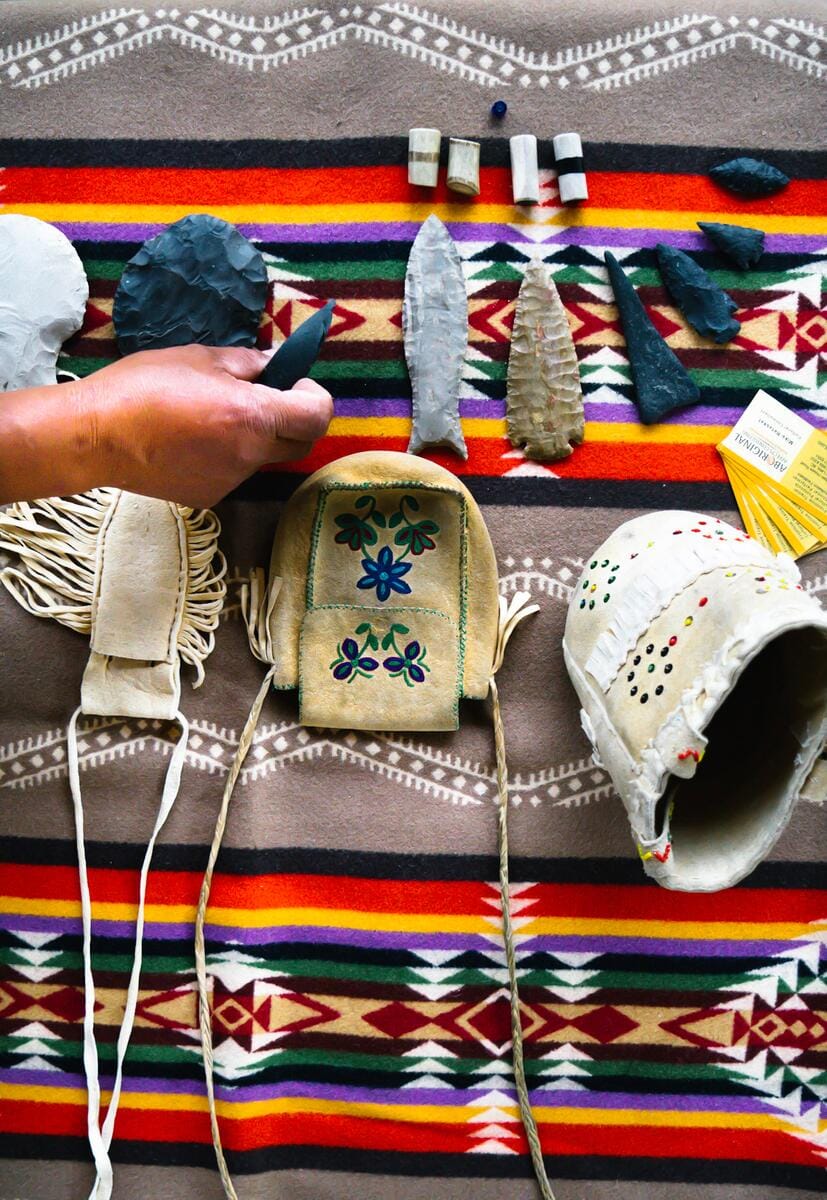
Slowing down in the Chilcotin is not a stop at the spa but instead a visit to the Xatśūll Heritage Village. Enjoy a guided riverside walk, listen to traditional storytelling, and share a meal of stew and bannock. It’s a different kind of restorative, rooted in the region’s people rather than a treatment menu, and it fits this region’s pace far better than a manufactured wellness stop would.
👉 Book Your Tour: Visit their website to book your activities. Note: they are open mid-May through mid-October.
Where You’ll Eat in the Chilcotin
Standalone restaurants are genuinely scarce out here — dining is mostly lodge-bundled, and that’s honest to how remote this region is. There are two options worth making dedicated trips to including:
Great Bear Rainforest
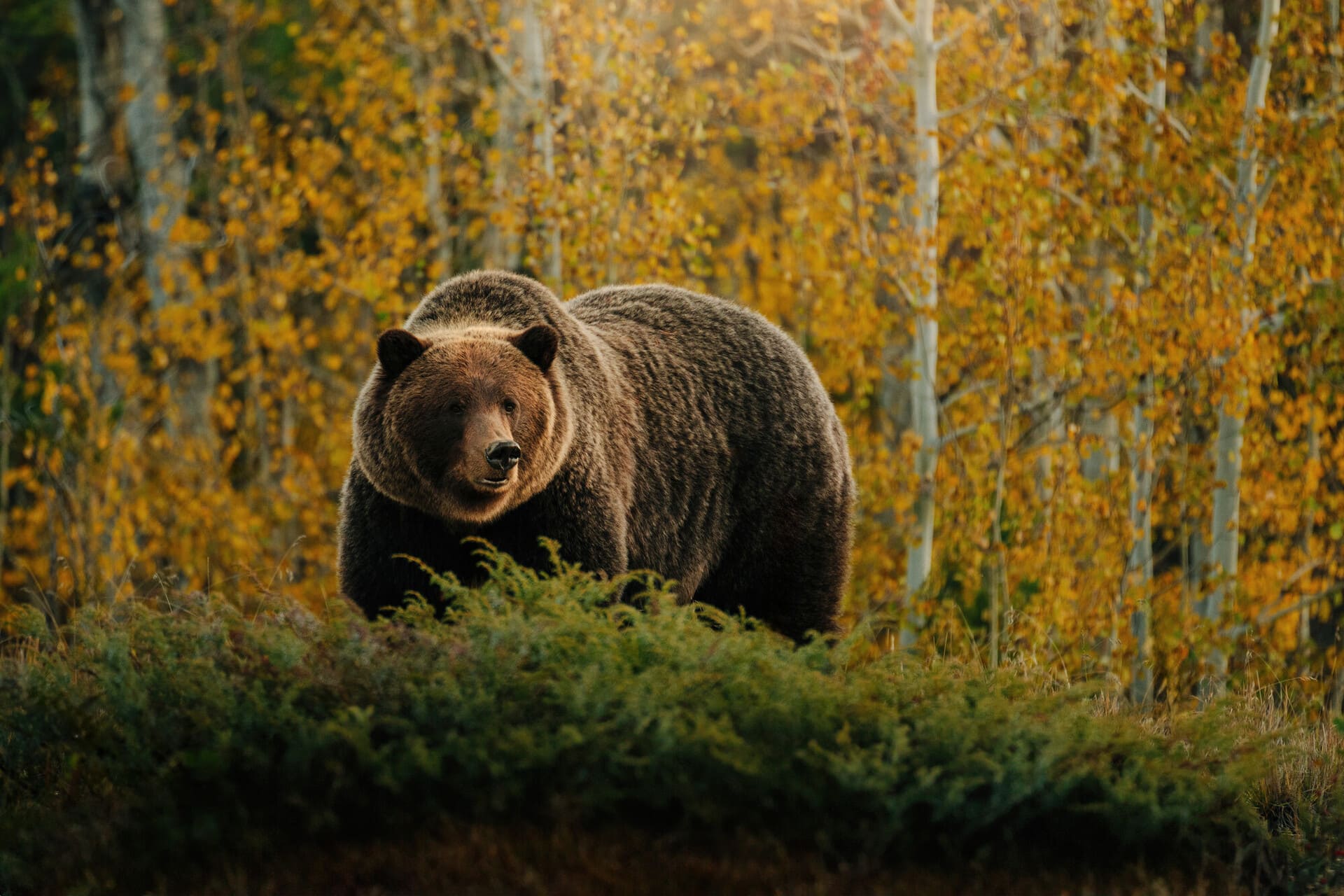
Drop off the Chilcotin Plateau and down into the Bella Coola Valley and you’re in an entirely different ecosystem — the transition from high, dry grassland to the edge of the Great Bear Rainforest happens over just a few thousand feet of elevation. This is the region I most want to see for myself: fjords, old-growth temperate rainforest, and one of the highest concentrations of grizzly bears anywhere in the world, all converging in October for the salmon run.
This isn’t a quiet claim — from mid-August through mid-October, the Bella Coola Valley hosts one of the most reliable grizzly-viewing seasons in British Columbia, recognized as a Canadian Tourism Commission Signature Experience. Twenty to thirty bears gathering along a single river for the salmon run is genuinely rare wildlife viewing, and October puts you right in the middle of peak season.
Where to Stay on the Coast
Camping
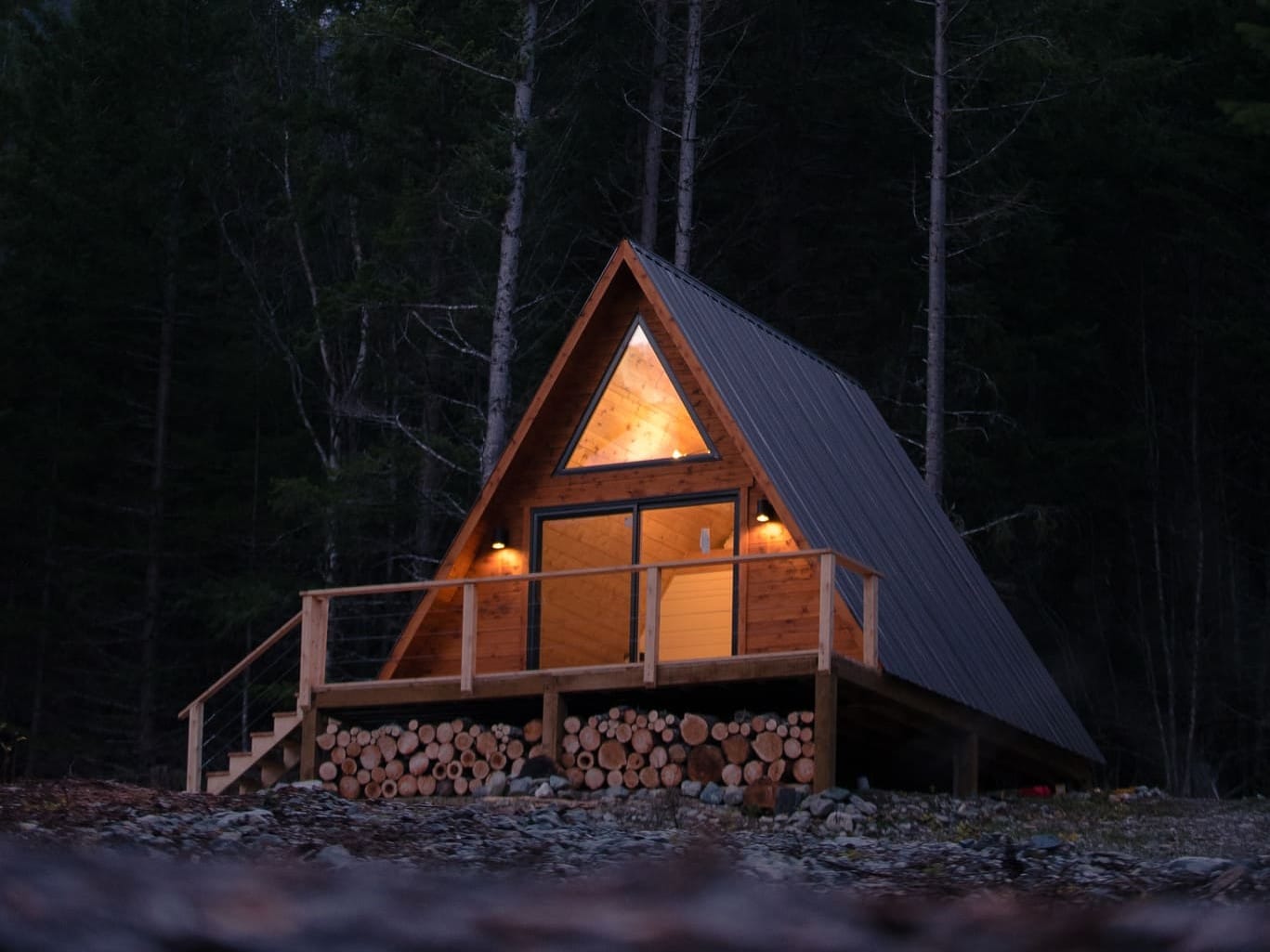
Bailey Bridge Campsite & Cabins
Hotel-tier
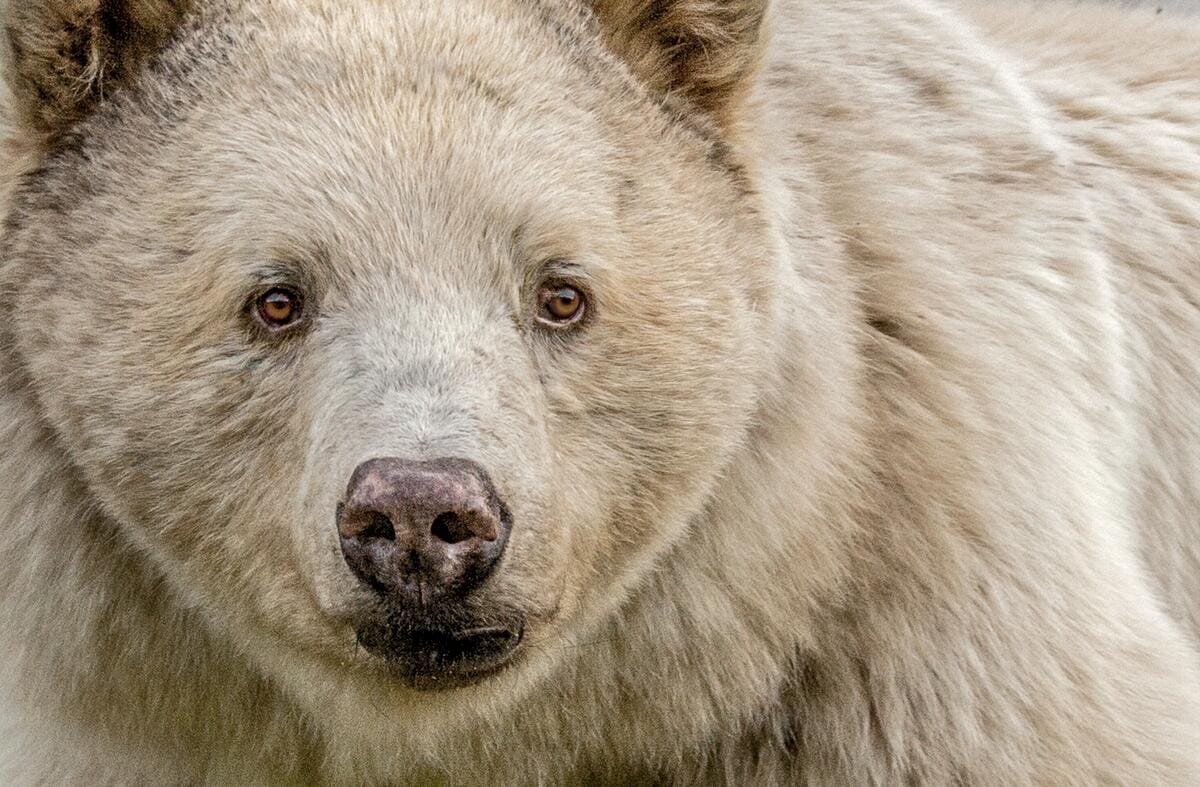
Luxury
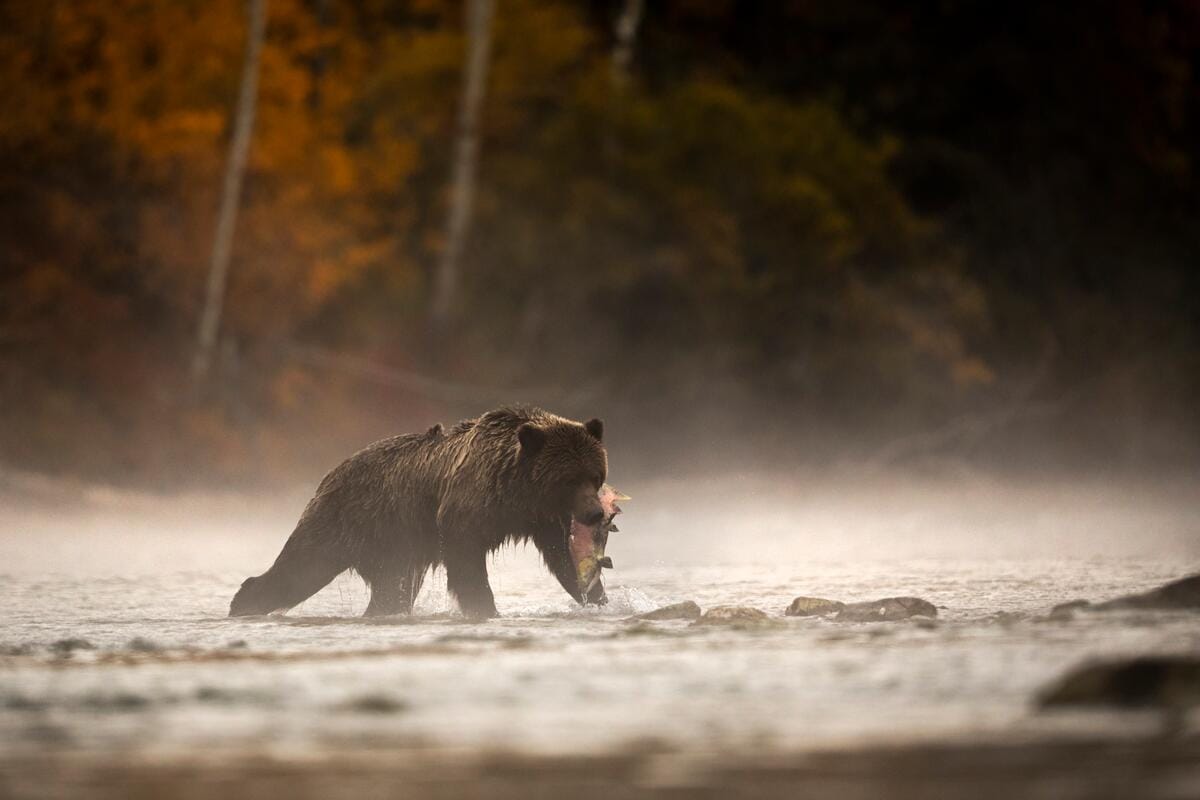
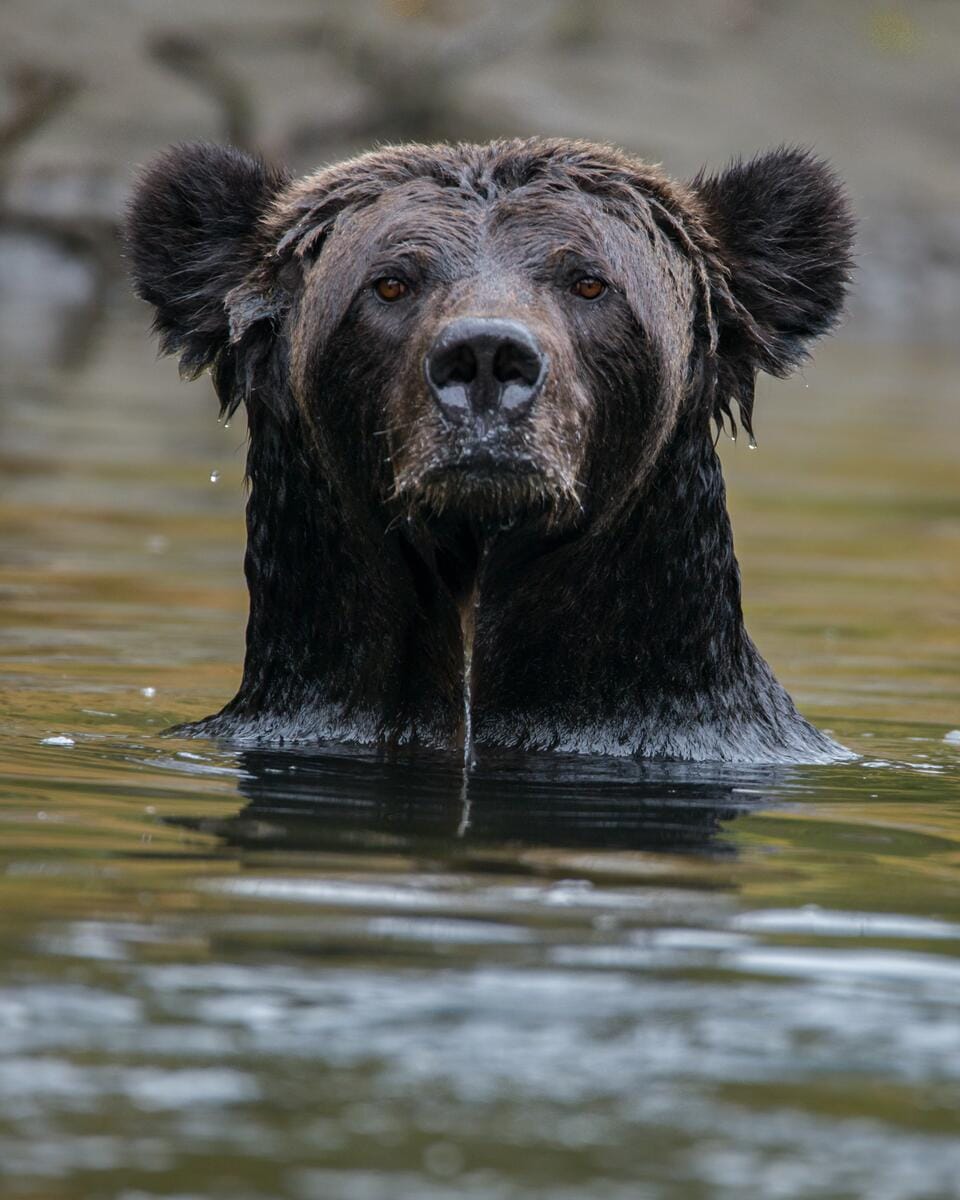
Tweedsmuir Park Lodge and Great Bear Chalet both sit directly on the Atnarko River — the heart of the salmon run — with all-inclusive multi-night grizzly safari packages and, at Great Bear Chalet, a private viewing deck close enough that bear tours sometimes go no further than the back porch.
👉 Why It’s On My List: A private deck where the grizzly viewing sometimes happens without leaving the property — I haven’t done this yet, and it’s exactly the kind of once-in-a-lifetime wildlife access that makes this region worth building a whole trip around.
Top 3 Coast Eco-Adventures
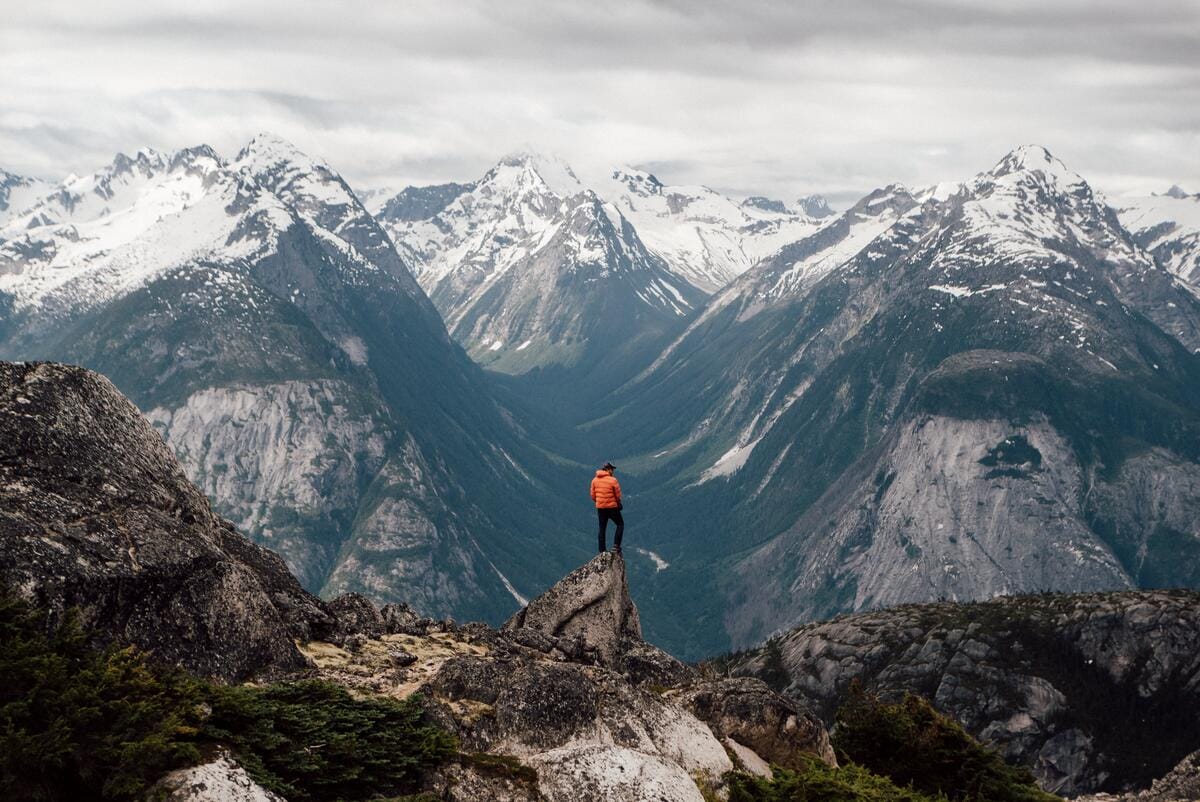
- Heli hiking among old-growth cedar and hemlock in Tweedsmuir Provincial Park, home to Hunlen Falls, one of the highest single-drop waterfalls in Canada.
Slow Down on the Coast
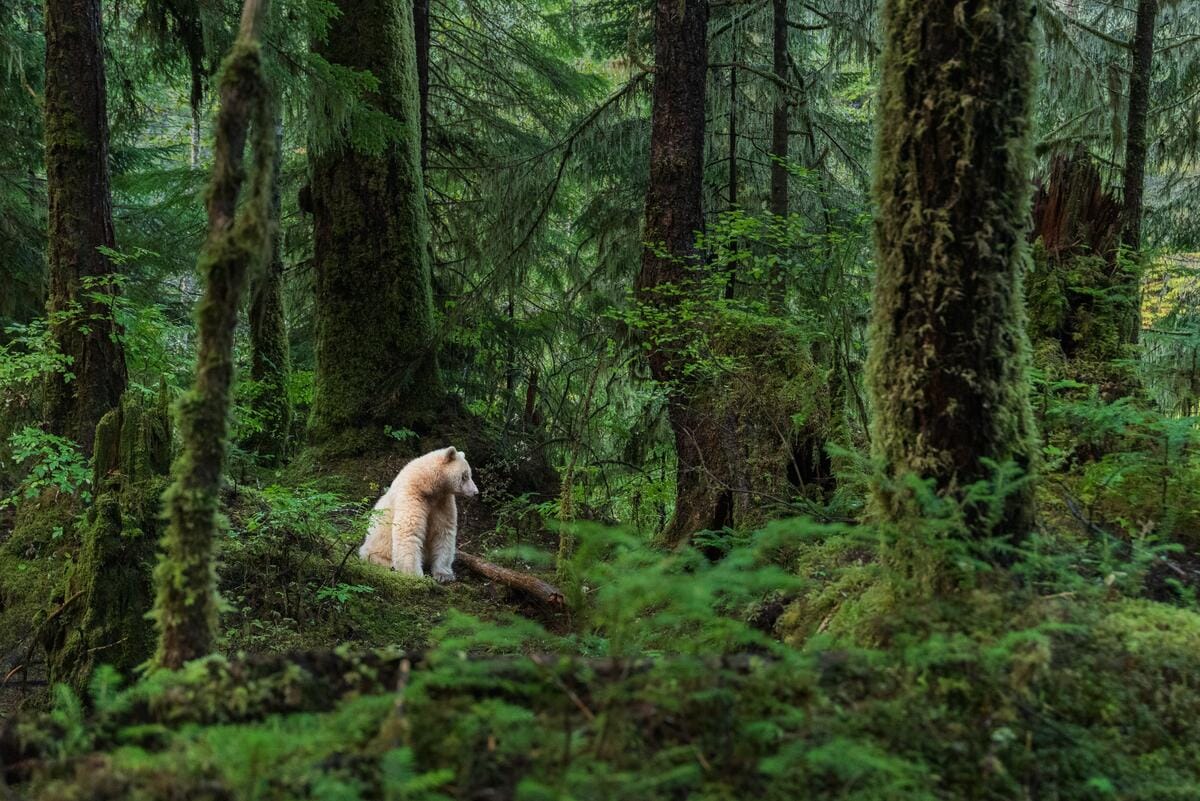
With limited cell service, spending time in the Great Bear Rainforest is a chance to slow down and disconnect, all while reconnecting with Mother Earth and the beautiful creatures that she cares for. Envision yourself unplugged, soaking in the sights of the spirit bear, and crafting a deeper connection with these spectacular surroundings.
Where You’ll Eat on the Coast
Dining here is almost entirely lodge all-inclusive, and that’s genuinely part of the experience — fresh, seasonal meals built around the day’s wildlife viewing rather than a separate outing.
Land of Hidden Waters
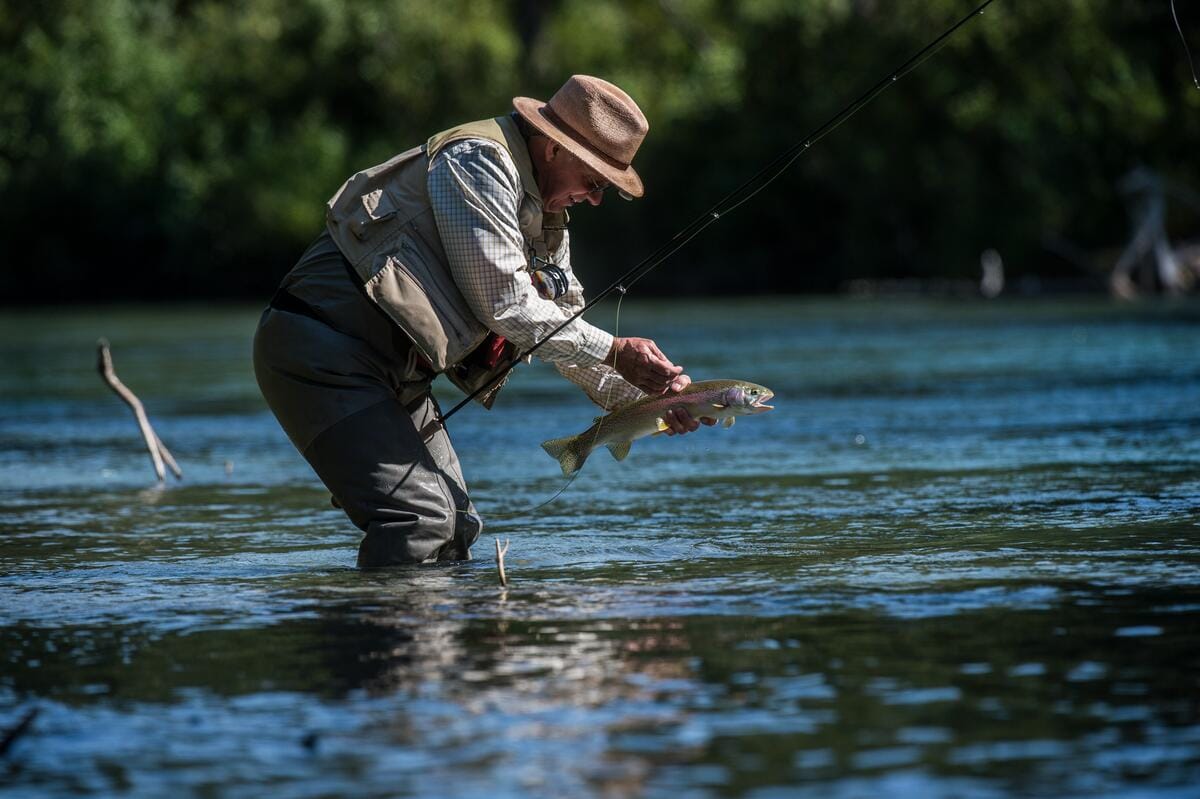
The Land of Hidden Waters is the quietest of the four regions — thousands of lakes strung along Highway 24, known locally as the Fishing Highway, in the South Cariboo. It’s technically part of a broader tourism partnership that extends toward Kamloops and Wells Gray, but its western stretch sits squarely inside the Cariboo Chilcotin Coast, and it’s the region I’d pick if the goal of the trip is simply to stop moving for a few days.
This is lake country in its purest form: paddling, trophy trout fishing, and fall colour reflected off water so still it barely counts as a lake at all by mid-morning.
Where to Stay in the Land of Hidden Waters
Camp
| Tall Timbers Resort on Watch Lake, next to Green Lake | camping and cabins. Website ➜ |
| Little Horse Lodge (Green Lake) | camping and cabins. Website ➜ |
| Watch Lake Lodge | camping and cabins. Website ➜ |
| Peaceful Cove Resort on Lac des Roches | offers lakeside cabins and campsites, with loon calls and campfires making for the ultimate nature nightlife. Website ➜ |
Hotel-tier
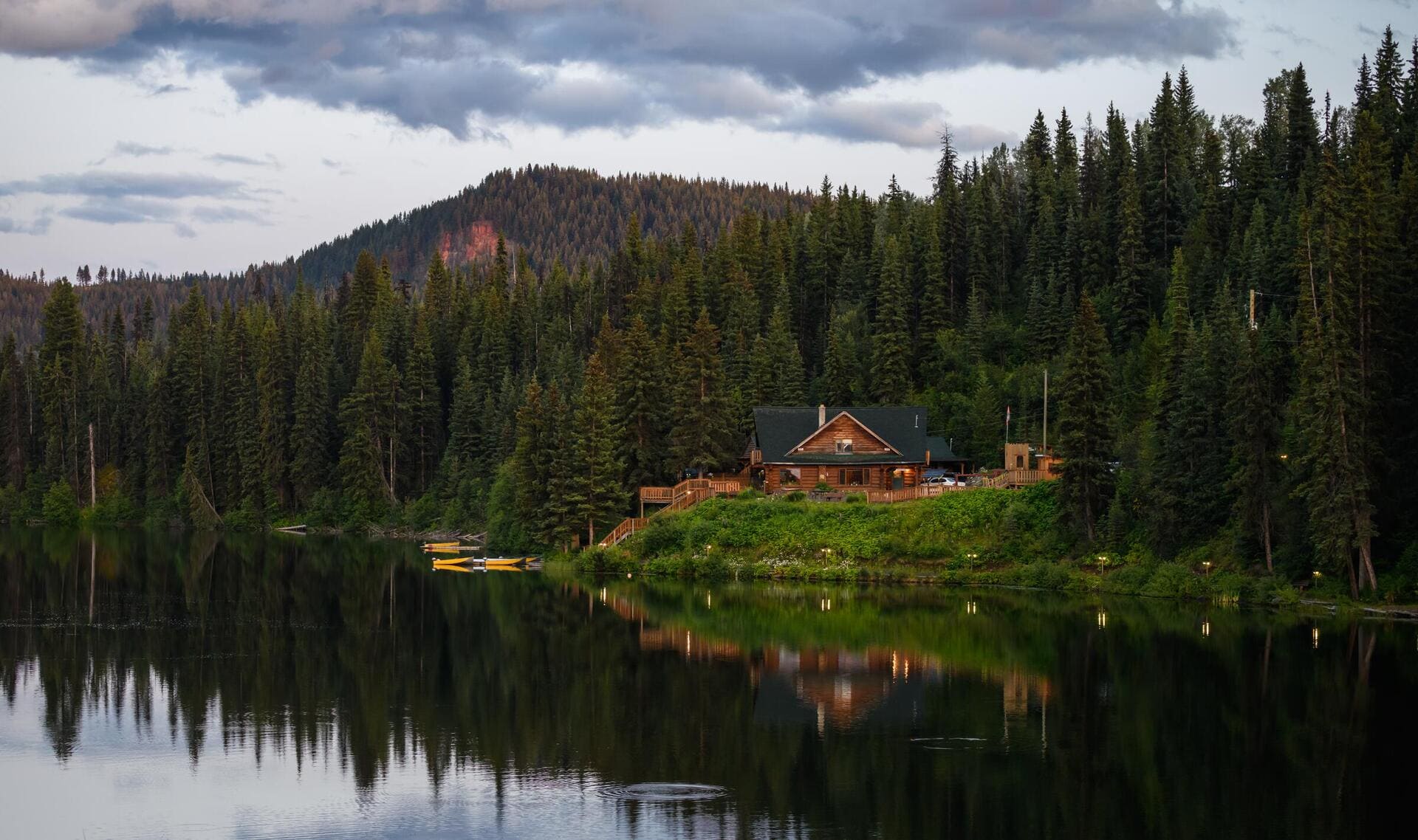
Luxury
👉 Why It’s On My List: A resort that’s been run by the same kind of unhurried lake-life values since 1965 — the sort of place families return to for generations, which is exactly the atmosphere I’d want for a slow October stay.
Top 3 Land of Hidden Waters Eco-Adventures
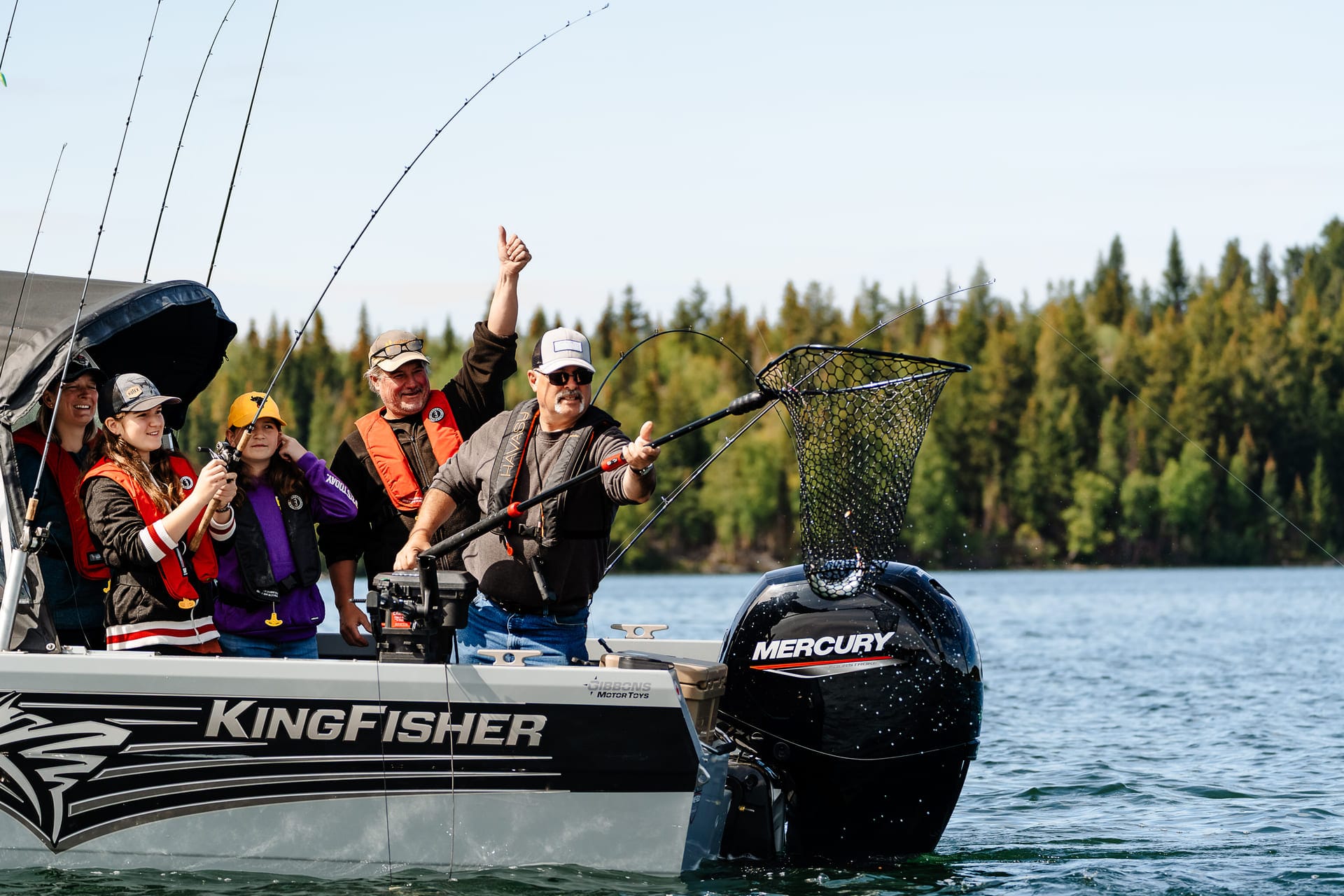
- Paddle Sheridan Lake, Bridge Lake, or Lac des Roches at first light, when the water is glassy, and the fall colour is at its best.
- Trophy trout fishing — this stretch of Highway 24 is known as British Columbia’s fishing highway, with the highest density of fishing resorts and lodges in British Columbia. Rainbow, lake trout, and kokanee all in play through October. Learn more about fishing in this and the extended Cariboo Chilcotin Coast region on this webpage.
- Slow lake-hopping by car along Highway 24 itself, stopping at whichever shoreline looks best that hour — there’s no wrong way to do this region.
Where to Eat in the Land of Hidden Waters
Lac Des Roches Resort’s on-site Italian restaurant is the standout standalone dining option along this stretch; beyond that, plan on lodge dining as part of your stay.
Cariboo Chilcotin Coast Road Trip Summary
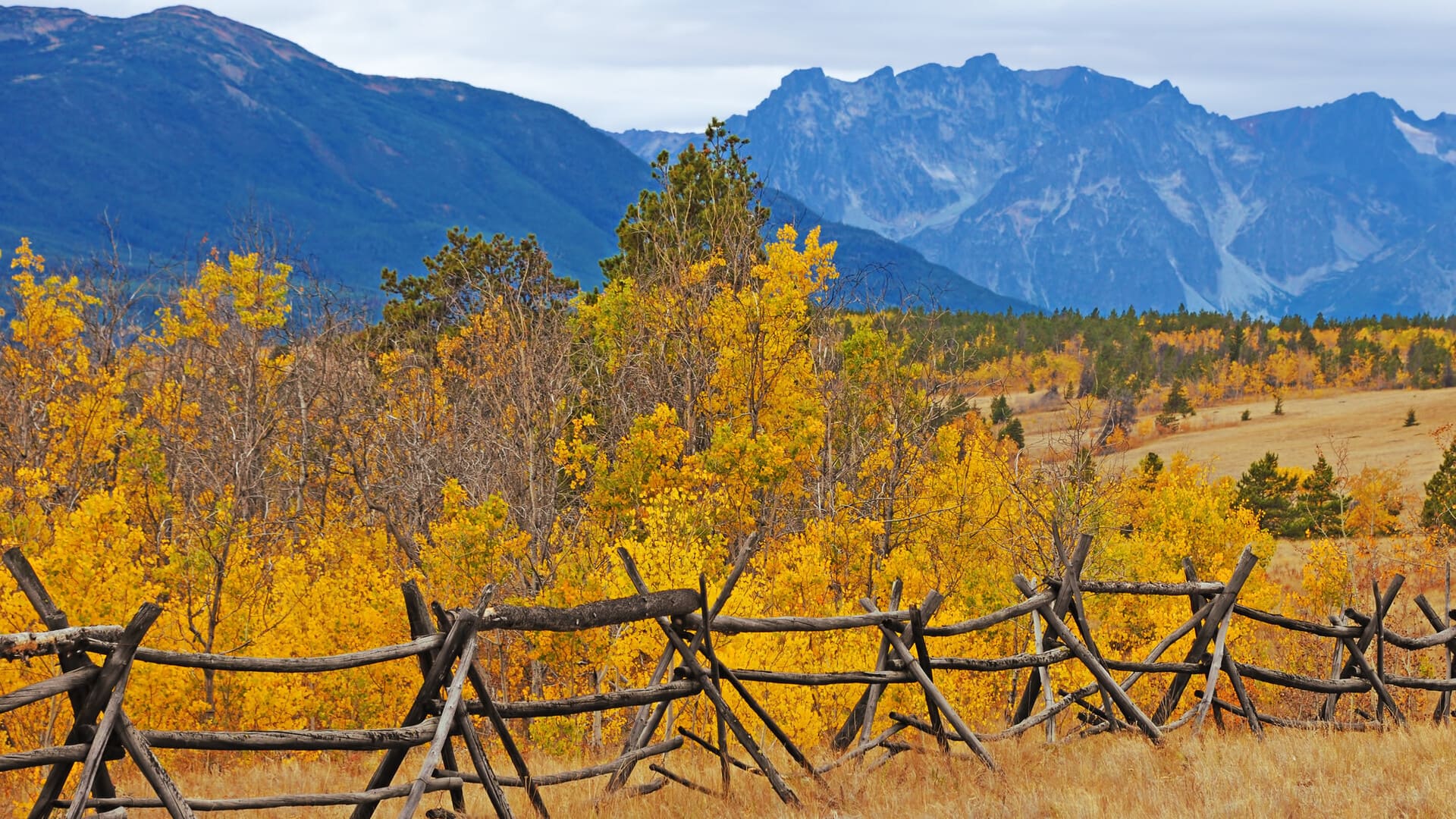
Putting these four itineraries together side by side, what strikes me most is how differently each region wants to be experienced — the Cariboo asks you to roam wild and seek out adventure, the Chilcotin invites you to saddle up and explore, the Great Bear Rainforest asks you to sit still and watch the magic of the place and the bears that call it home, and the Land of Hidden Waters invites you to fish on a highway. That range is the whole appeal of treating this as one region rather than four separate trips.
Writing the Cariboo section meant going back through memories I hadn’t thought about in years — the freedom of being a kid waterskiing along the shores of Green Lake. Writing the other three meant building trips the way I’d want them built if I were the one reading this: real operators, honest gaps where I haven’t confirmed details yet, and no pretending I’ve done something I haven’t.
If you’ve been before, this is your excuse to go back and see it differently. If you haven’t, this fall is the perfect time to go.
Things to Do in the Cariboo Chilcotin Coast Beyond This Itinerary
A few more stops worth building into your own version of this trip:
- Nimpo Lake flightseeing — float plane tours over Tweedsmuir Provincial Park and Hunlen Falls from “the float plane capital of British Columbia.”
Practical Information for Planning Your Cariboo Chilcotin Coast Road Trip
Each region works well as its own 3-day trip. Combining two regions (Cariboo plus Chilcotin, or Coast plus Land of Hidden Waters) is realistic in a week; covering all four properly is closer to two weeks given the driving distances involved.
This itinerary is specifically built around a fall escape — think fewer people, lower prices for accommodations, and the best time of year to see the salmon spawning.
Wildlife photographers chasing the salmon run, road trippers who want genuine remoteness rather than a manufactured version of it, and anyone — like me — who has a personal history with one corner of this region and wants an excuse to finally see the rest of it.
Layers for genuinely variable fall weather, a good camera or binoculars for wildlife viewing, and cash or a fuel top-up plan — gas stations thin out fast once you’re west of Williams Lake on Highway 20.
A car is essential across all four regions; a vehicle with good clearance is worth considering for the Chilcotin and Land of Hidden Waters, where some side roads are unpaved.
The Cariboo Chilcotin Coast Is Waiting for You
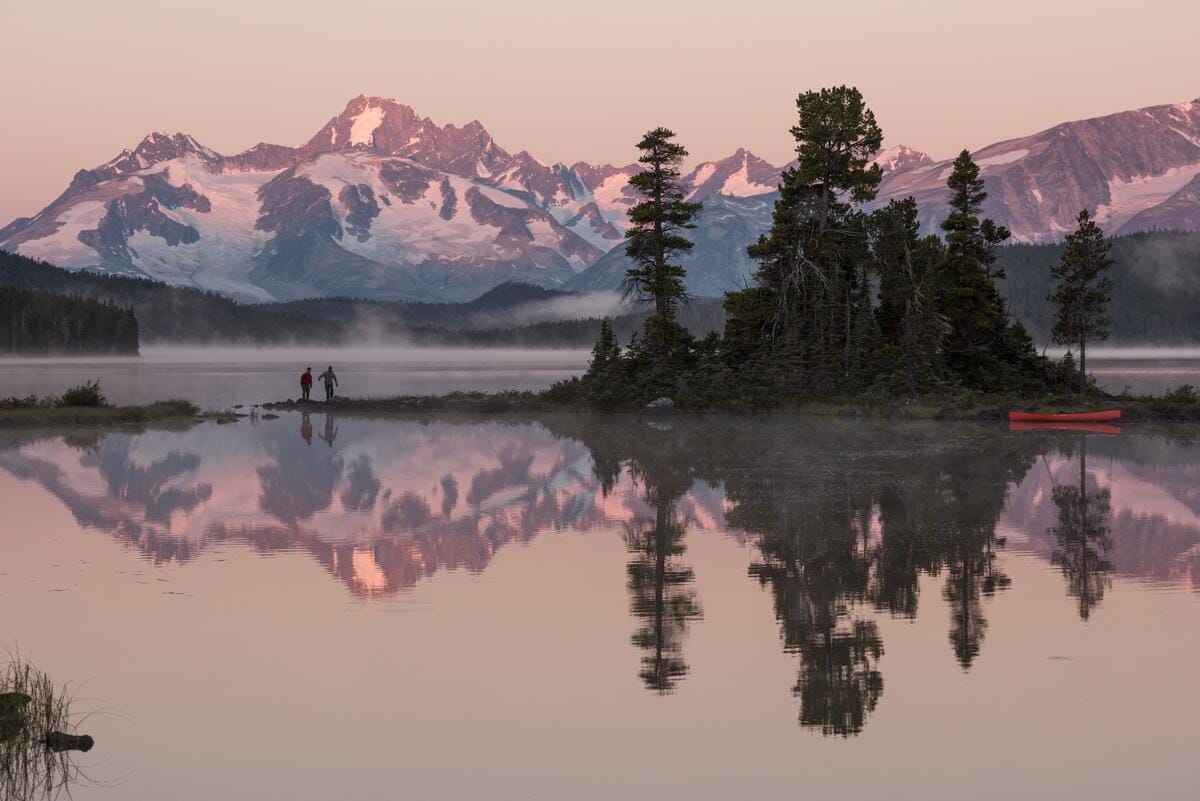
What I take away from putting this together is that the Cariboo Chilcotin Coast doesn’t need a single defining season or a single defining region — it has four distinct ones, and October is when all four are quietly at their best simultaneously.
At its core, this is a region built for people who want space: the space to roam that I had as a kid on Green Lake, the space to go quiet on the Chilcotin Plateau, the space to watch twenty grizzlies fuel up on fresh sushi, and the space to photograph dynamic vistas of the autumn leaves against the mountain backdrop.