

Are you looking for the best Laurentians road trip itinerary? You’ve come to the right place.
For years, I’d been hearing about the Laurentians as Quebec’s premier ski destination — a place where Canadian winter comes alive. What nobody told me is that when the snow melts, something arguably more stunning takes its place. The lakes shimmer emerald green. The Boreal forest explodes with life. The Rivière du Diable runs cold and clear through a landscape that has been protected for over a century. And the people? Still wonderfully welcoming and uniquely Quebec.
I spent four days in the region in June 2026 on a Laurentians road trip hosted by Tourism Laurentians, and I’ll be honest: the destination exceeded all of my expectations.
I flew in from British Columbia, expecting pretty views and good hiking, and a few paddling adventures. What I got was a helicopter ride over lakes that stretched to the horizon, a solo paddleboard session so serene I felt like I was floating through a painting, two nights in an eco-luxury A-frame cabin, and a stay at one of Canada’s most perfect four-season resorts – Tremblant.
Whether you’re a family chasing the perfect summer road trip adventure, a weekend warrior escaping Montreal, or a solo traveller craving a reset in the wild, the Laurentians in summer delivers. Here is everything you need to know to plan your trip.
The Ultimate 4 Day Laurentians Road Trip Itinerary
Day 1 – Getting to the Laurentians
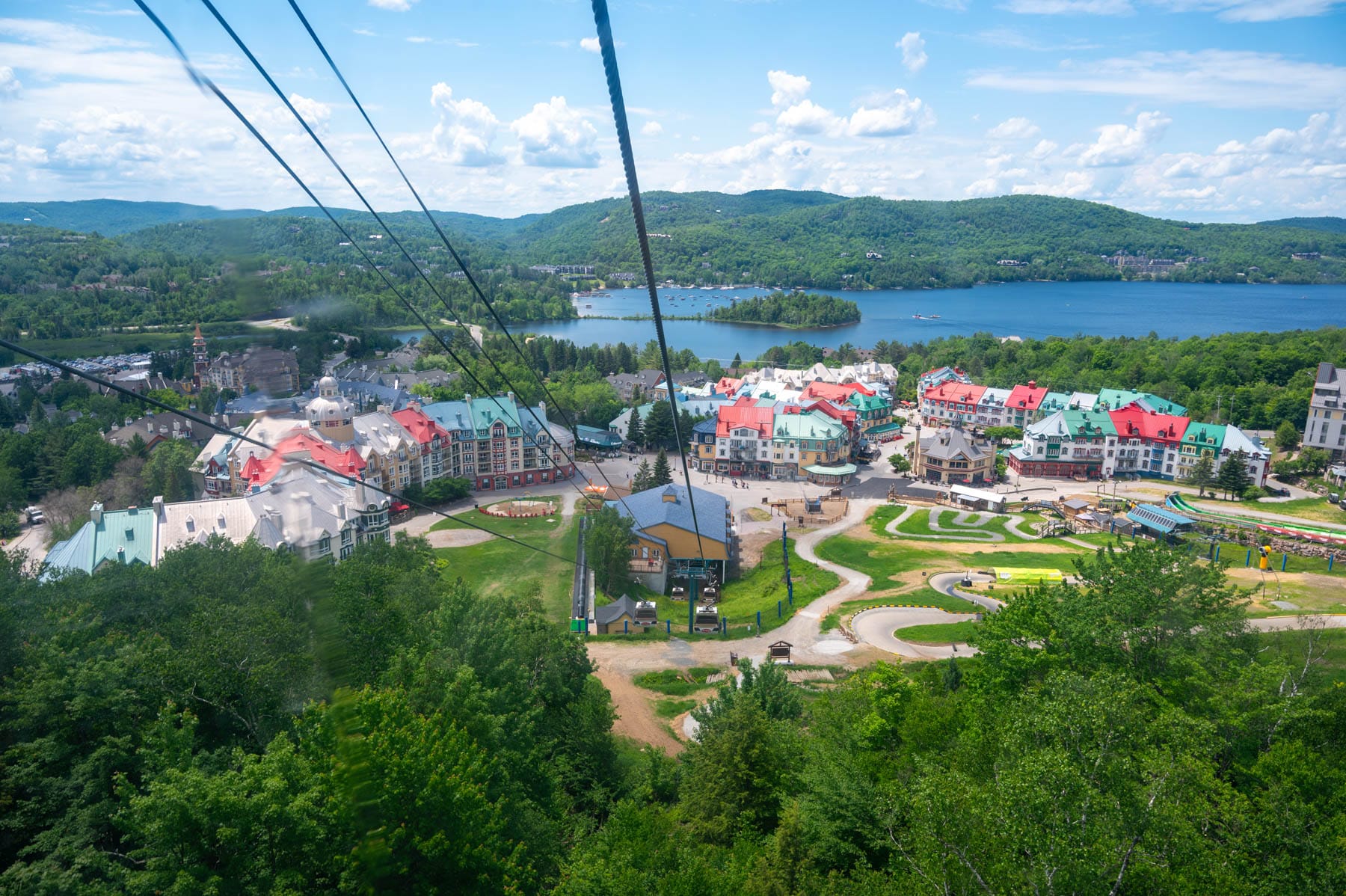
The Laurentians are located in Quebec, roughly one hour north of Montreal by car. For Western Canadians, you’ll fly into Montreal-Trudeau International Airport (YUL) — direct flights are available from Vancouver, Calgary, and Edmonton, with most flights taking about 5 to 6 hours.
From there, drive or pick up a rental car and head north on Autoroute 15. Boisbriand marks the official gateway to the Laurentians, and within minutes of leaving Montreal’s suburbs behind, the rolling hills and lake-speckled horizon make the beautiful transition from the busy city to the not-so-quiet wilderness (More on this later)
The drive from Montreal to the heart of the Laurentians (near Mont-Tremblant) takes approximately two hours and is a beautiful, easy road trip.
👉 Practical Note: The Laurentians are easily accessed year-round by car. For summer travel, no special vehicle is required. GPS navigation works throughout the region. French is the primary language — basic French phrases are appreciated, though English is widely spoken in tourist areas. Google Maps refers to the park as ‘Parc national du Mont-Tremblant’ — use this name when navigating.
Lunch at Brasserie Dieu du Ciel, Saint-Jérôme
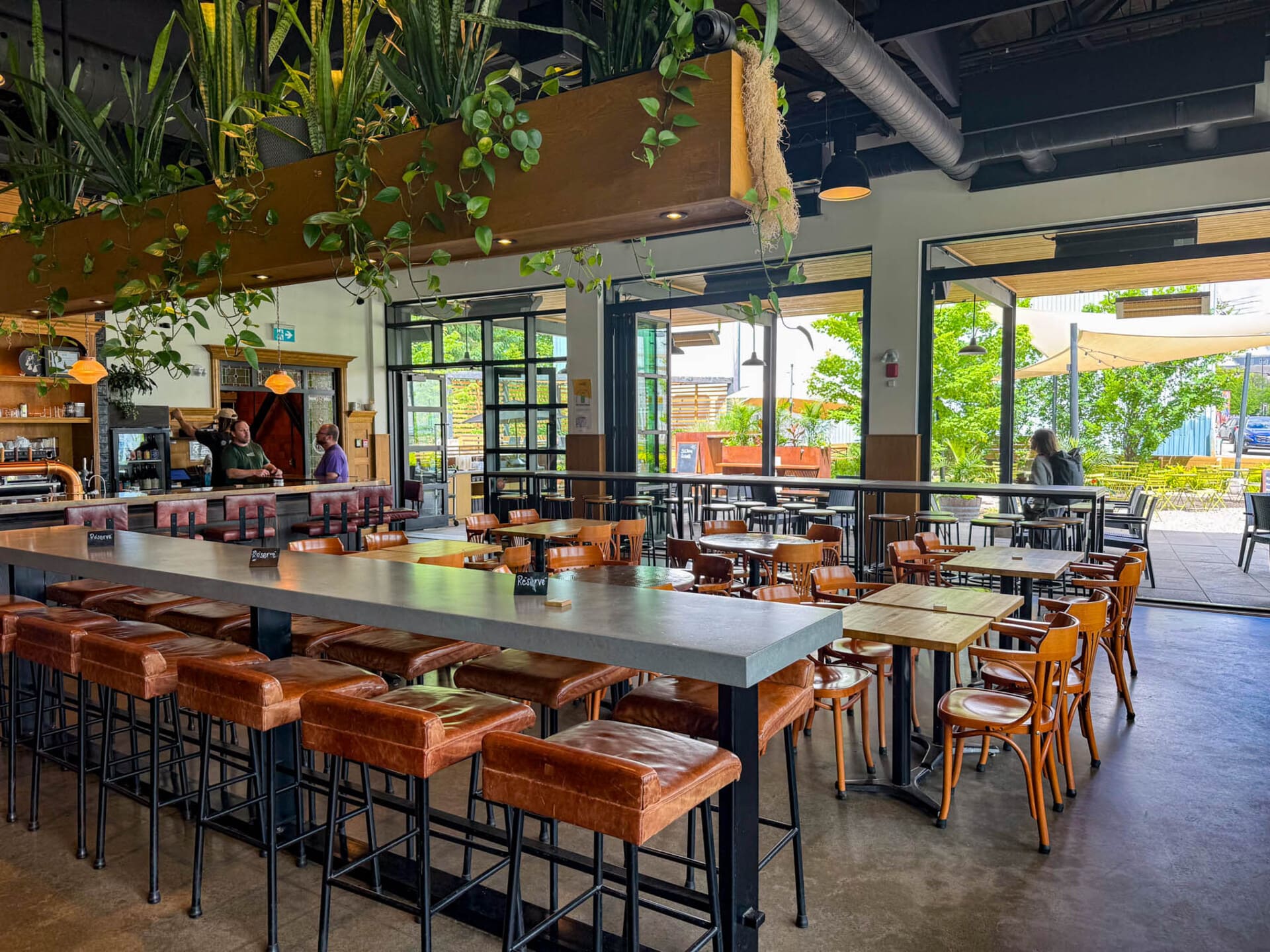
Your first stop in the Laurentians should be Brasserie Dieu du Ciel in Saint-Jérôme —a beloved Quebec craft brewery. Decorated in a modern mix of industrial decor and elevated dining complete with a multi-layered patio outside, this restaurant clearly is the neighborhood hub, for all the right reasons.
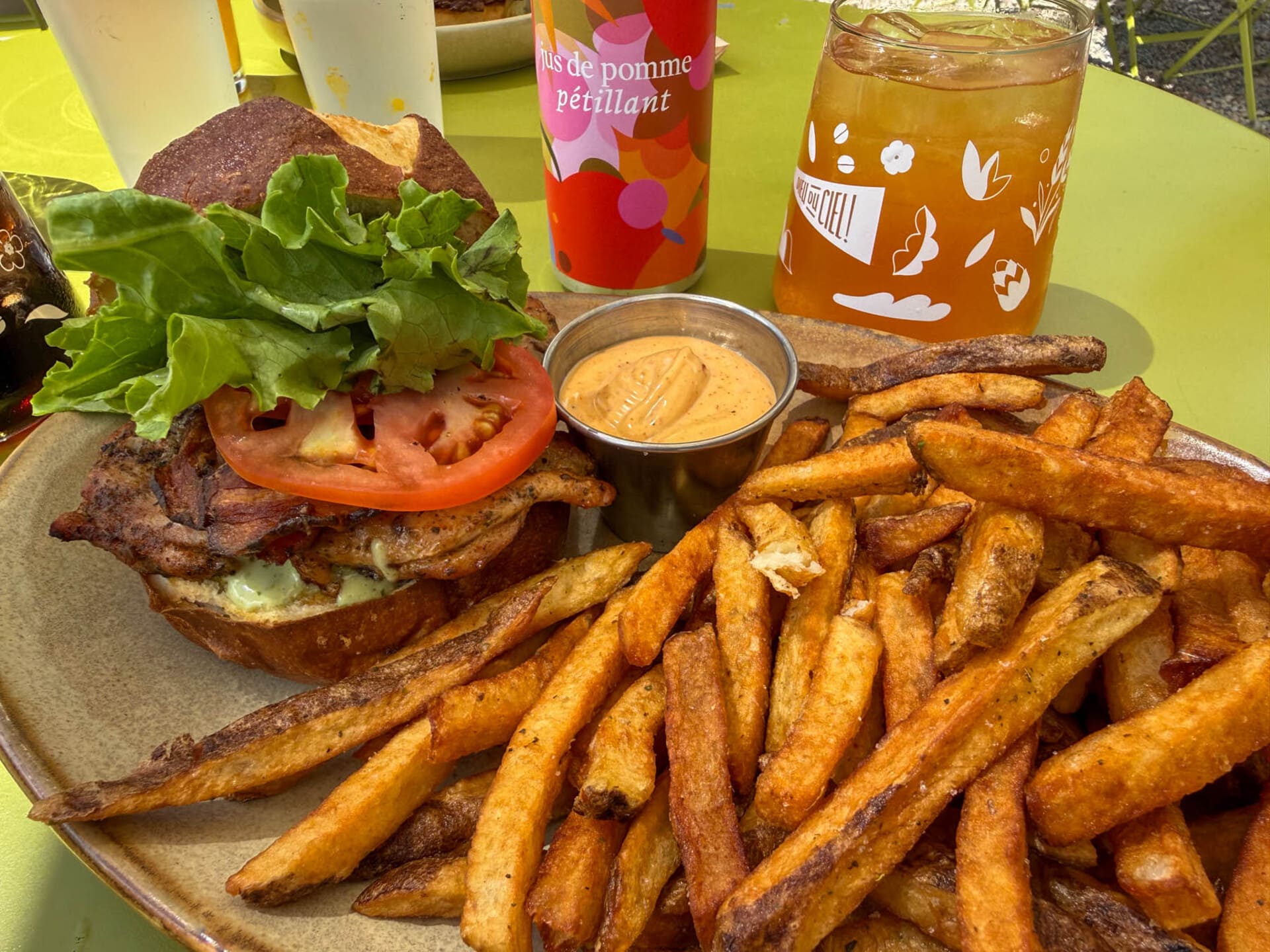
I was seated on the patio in full sunshine and immediately shared my order to a bilingual waiter who clearly knew his menu. On his recommendation, I ordered the smoked chicken burger, and it was a delicious splurge of handheld goodness and an overflowing plate of fries. It was the kind of lunch that made you exhale and realize the trip had officially begun. (And with that, I cheered my hosts.)
Saint-Jerome itself is worth a few hours if your schedule allows — it’s a real Quebec city with its own personality, well before the resort-town energy of Tremblant takes over. Consider it an authentic first chapter.
👉 Plan Your Visit: Brasserie Dieu du Ciel is located at 248 rue Godmer, Saint-Jerome, QC. They serve lunch and dinner. Check their current menu and hours at dieuduciel.com.
See the Laurentians from the Air with Heli-Tremblant
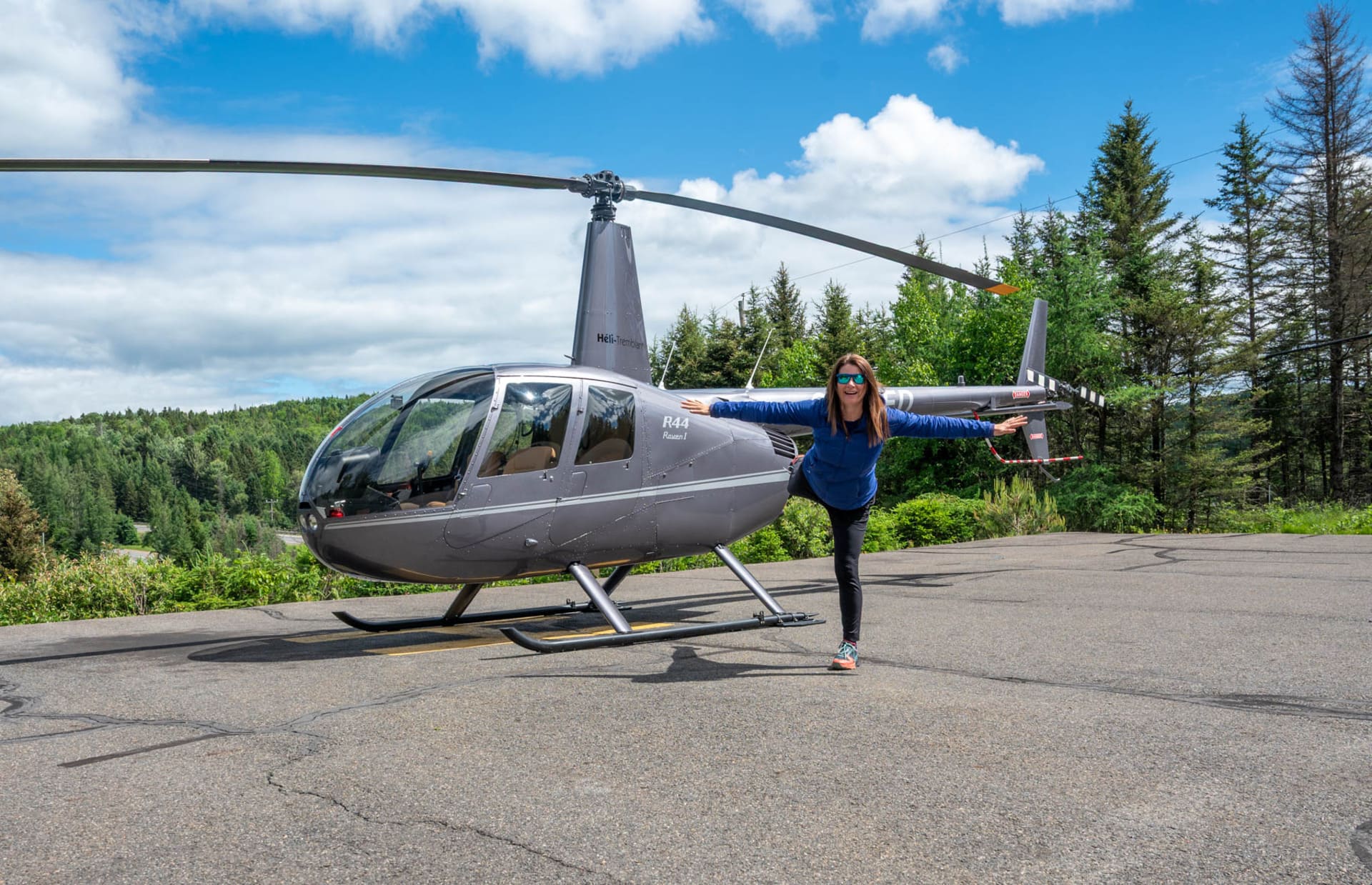
After a fueling stop at Brasserie Dieu de Ciel, it was time to head north. Sure, excellent views can be seen from the road and by foot, but from above, a “How fast can I say yes?” type of experience!
Heli-Tremblant offers scenic tours over the region, and I chose their 10-minute flight, which was the perfect appetizer of a tour to see what the Laurentians look like from above. I am not a nervous flyer, but I’ll admit to a few butterflies stepping into one of the smallest helicopters I’ve ever been in. The second we lifted off, though, it was all adrenaline and amazing views. And 10 minutes that literally flew by! (pun intended)
The sky was the brightest blue, like something you would colour in the first grade. Below us, an uninterrupted wilderness stretched in every direction — untouched forest, glittering lakes, and Tremblant resort rising above the treeline. I felt a wave of genuine Canadian pride looking down at the land that has been protected and preserved with such care, and gratitude to those visionaries from past generations who worked so hard to preserve this area.
Then the pilot asked if I was ready to turn around, and after I said yes, he banked hard — a tight, stomach-dropping turn! I squealed, closed my eyes for approximately one second, then immediately opened them again because there was no way I was missing that view.
Heli-Tremblant also offers longer tours that include forest or winery landings, picnics, and custom tours. This was an incredible way to kick off our Laurentians adventure and I highly recommend you do the same.
👉 Book Your Flight: Heli-Tremblant offers 10-minute, 20-minute, and 30-minute scenic tours year-round (weather permitting). Private charters and experience packages are also available. Visit helitremblant.com to book.
Walk Among the Treetops at Sentier des Cimes Laurentides
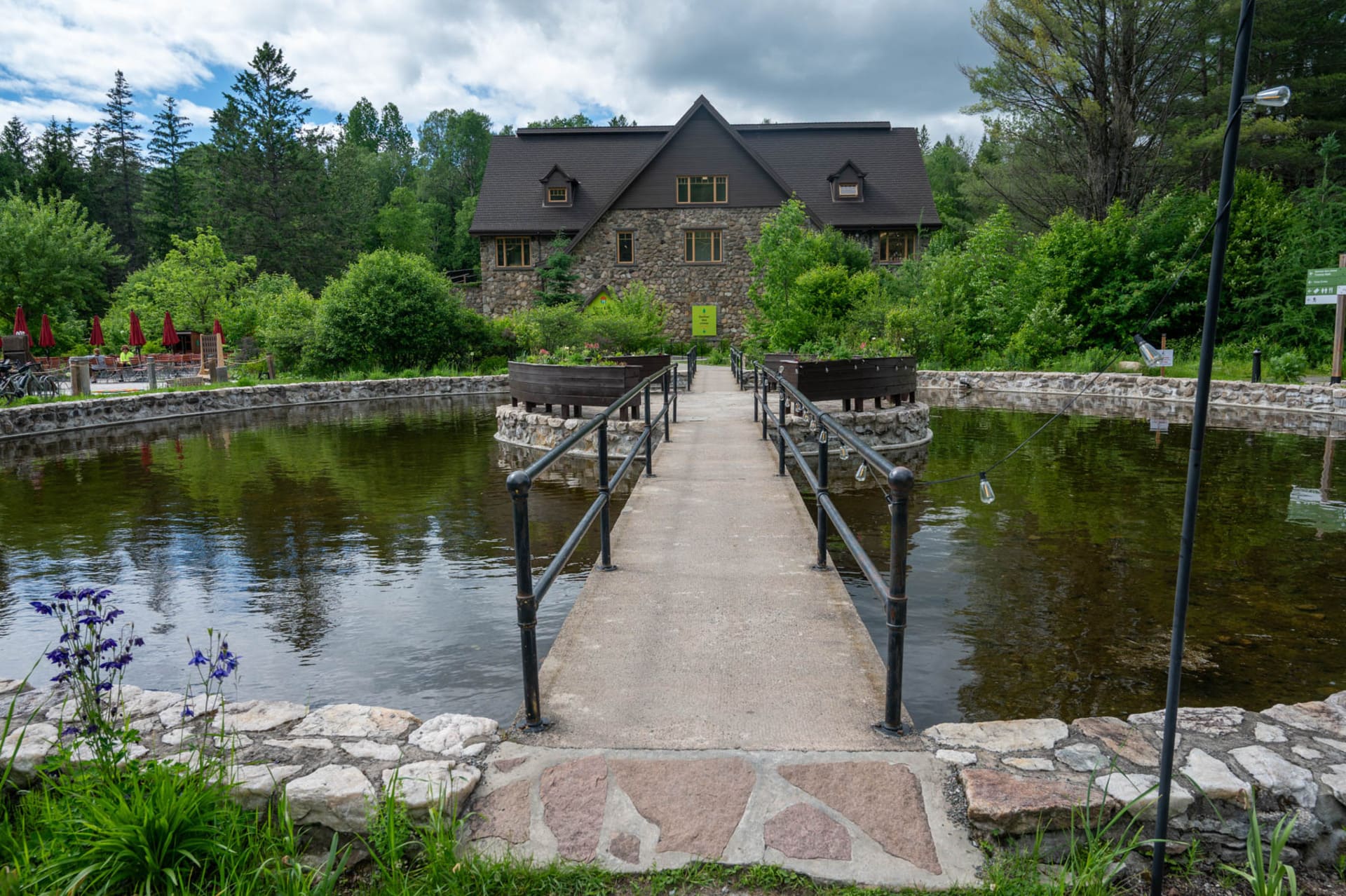
An eight-minute drive from Heli-Tremblant sits an unexpectedly magical experience in the Laurentians.
Sentier des Cimes Laurentides is built on a former fish hatchery heritage site in Mont-Blanc, and before you even reach the elevated boardwalk, you pass through a garden entrance that had me throwing down my camera bag and digging out my gear quickly.
Cobblestone paths. Purple and red flowers everywhere. Bumblebees floating between blooms. A footbridge over a moat-like waterway. For a split second, I genuinely forgot I was in Quebec. It felt like stumbling onto an English country garden, or a courtyard in the Italian countryside — transported, disoriented in the beautiful garden. (Tip: bring a picnic and plan to spend some time in the gardens.)
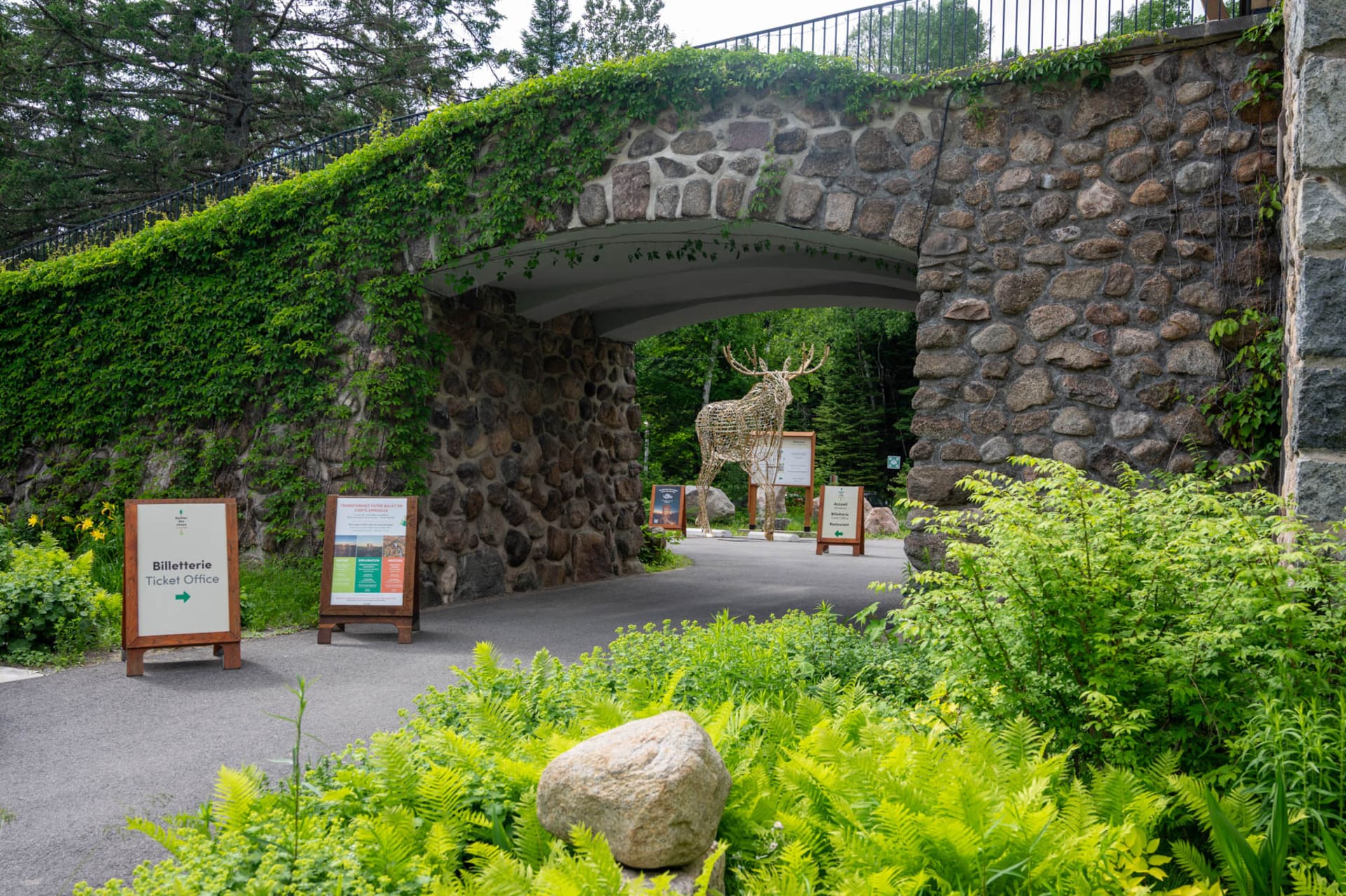
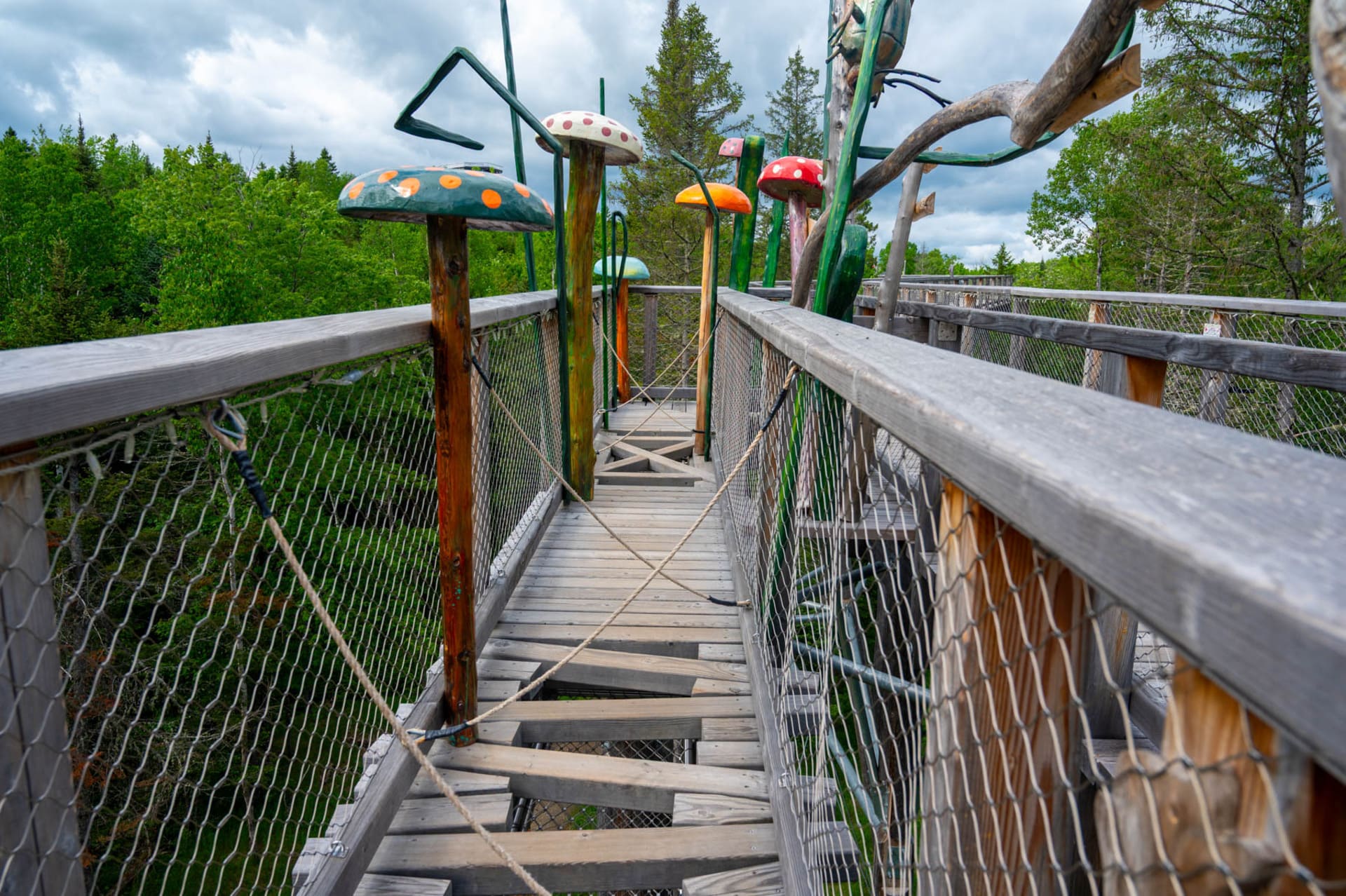
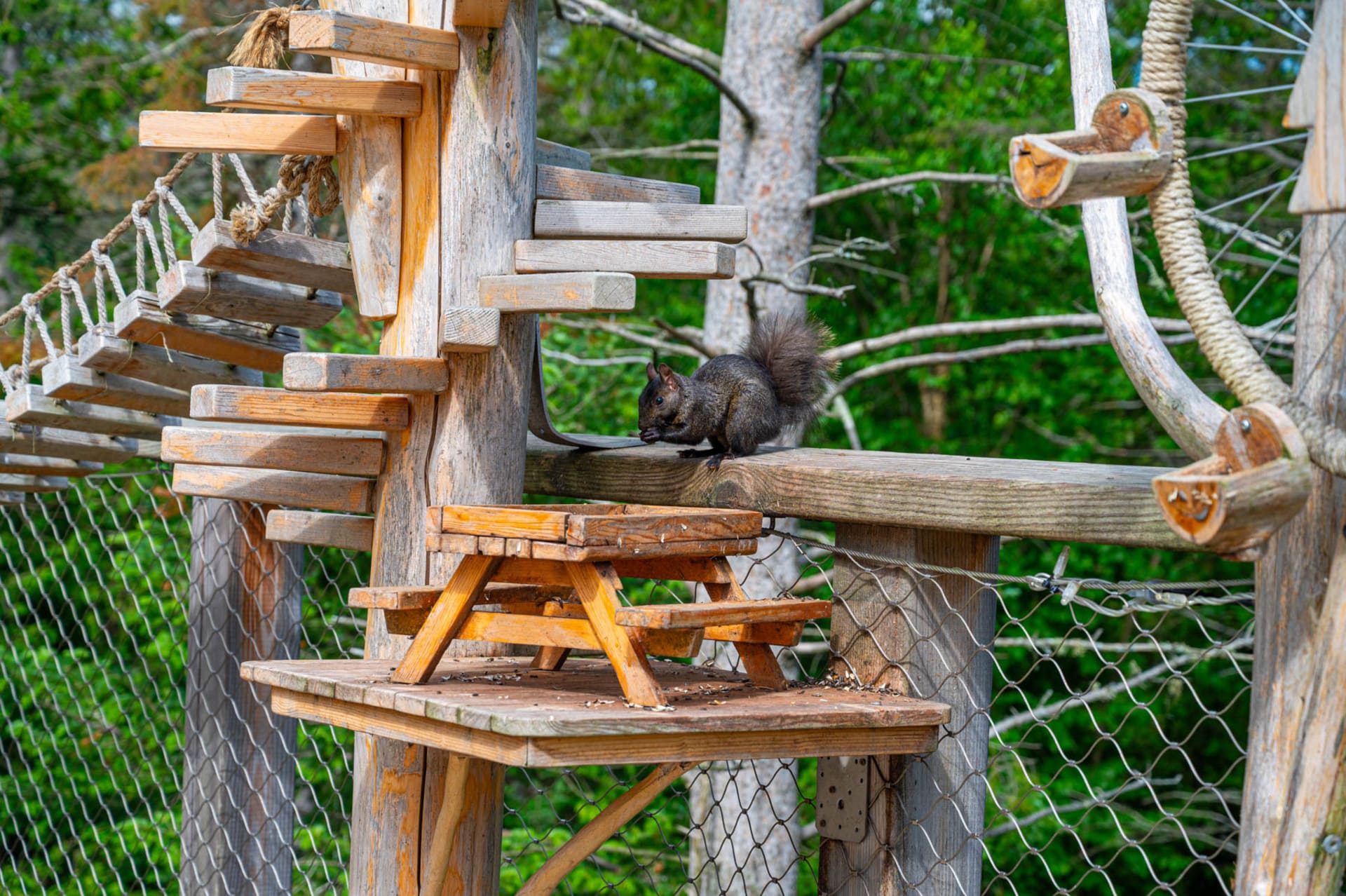
After capturing the scenery, it was time to make my way to the ticket booth and head up the three-kilometer elevated boardwalk. Slowly winding through the Laurentian forest at canopy height, the path is unhurried by design. There are educational stations throughout, a bird-feeding section where I watched a bold squirrel approach to within arm’s reach, and viewpoints that open up through the treetops. It is barrier-free and fully accessible, with a gentle slope that works for strollers and wheelchairs alike.
The centerpiece is the panoramic tower — a 40-meter architectural landmark equivalent to 12 floors, with a giant suspended net at its center. I arrived right at the end of the day as the last guest on the property. I had the entire tower to myself in golden hour light. I stood at the top looking out over 360 degrees of Boreal forest stretching all the way to Mont-Tremblant, feeling the kind of quiet that only lands when you realize nobody else is around.
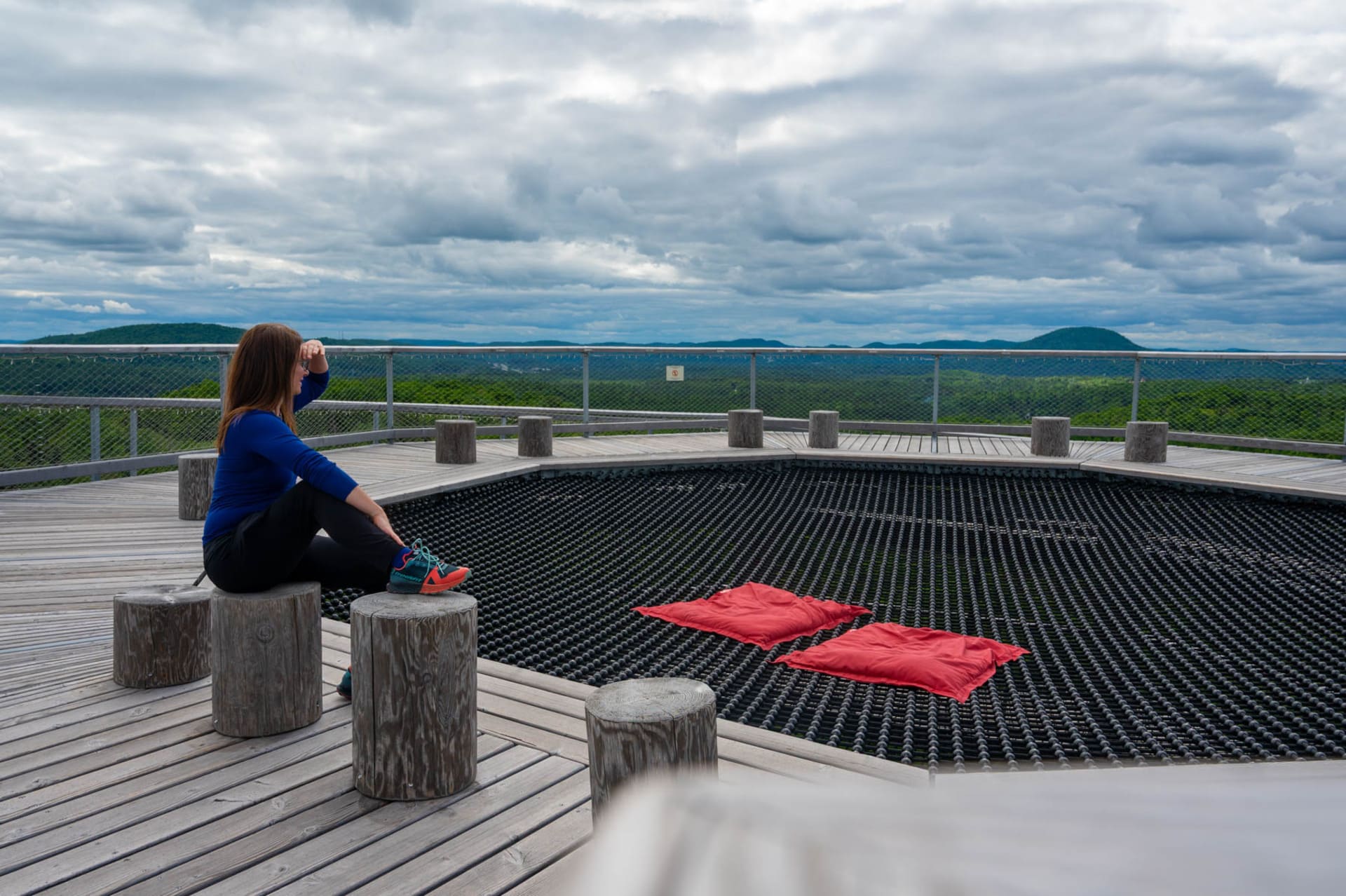
After a long and slow intentional walk back to the guest reception area, I made one more stop – the 53-meter slide. Whooping the entire way down, the staff giggled at my exit and didn’t need to ask if I had any fun. (Tip – Take the slide down!)
👉 Plan Your Visit: Sentier des Cimes Laurentides is located in Mont-Blanc, approximately 24 minutes from Farouche Tremblant. The experience includes the treetop walk, panoramic tower, suspended net, and the 53-meter slide. Prix Excellence Tourisme 2023 winner. Visit sentiersdescimes.com for tickets and hours. Barrier-free. Family-friendly.
Where to Stay in the Laurentians – Farouche Tremblant
If there is one experience in the Laurentians that I would tell you not to skip — not to rationalize away because of budget or logistics or because you’ve never been glamping — it is Farouche Tremblant.
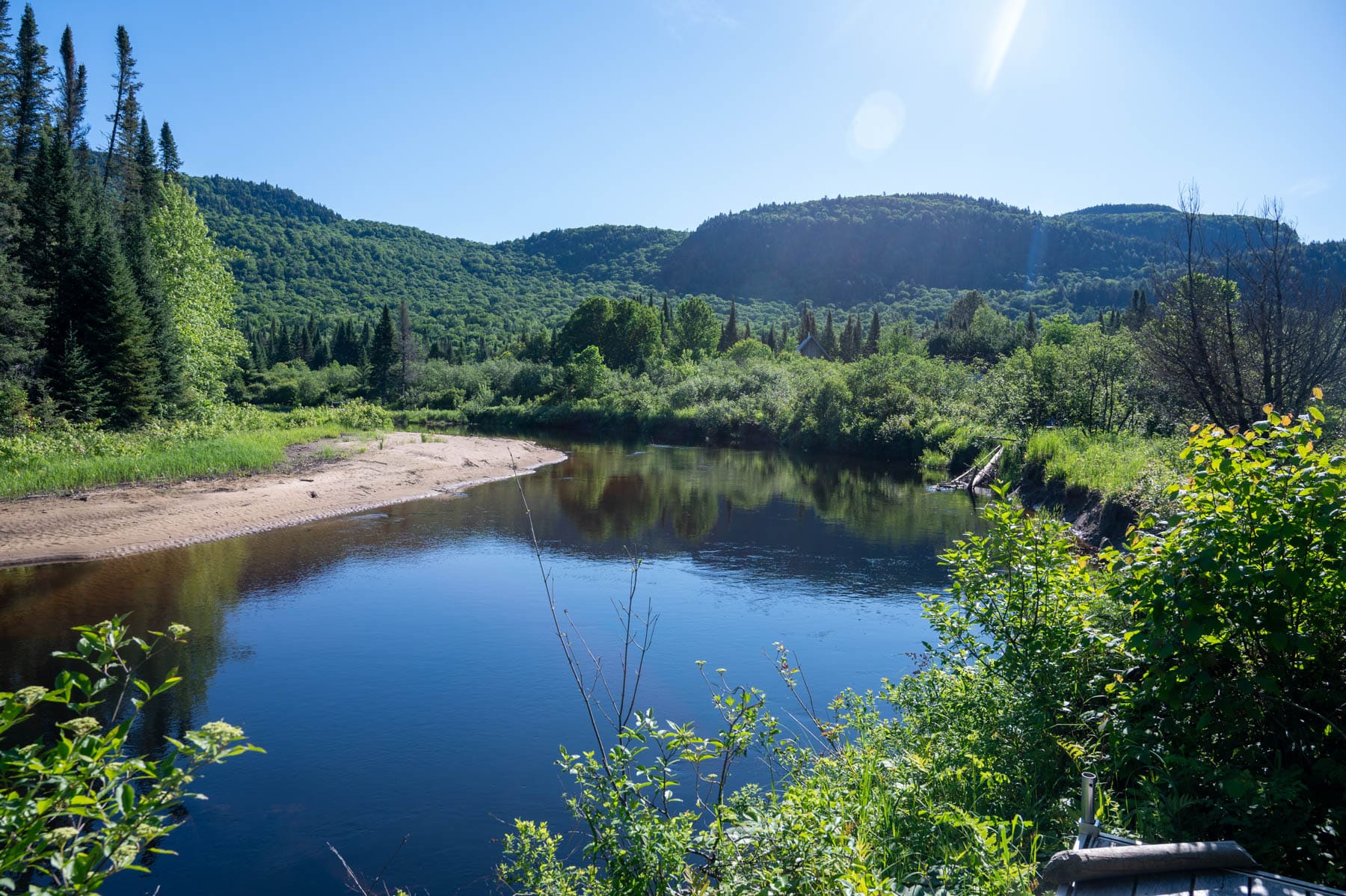
Farouche (the word means ‘wild’ in French) is a Nordic eco-refuge perched on the banks of the Riviere du Diable — the Devil’s River — with the boundary of Mont-Tremblant National Park just five minutes away on foot.
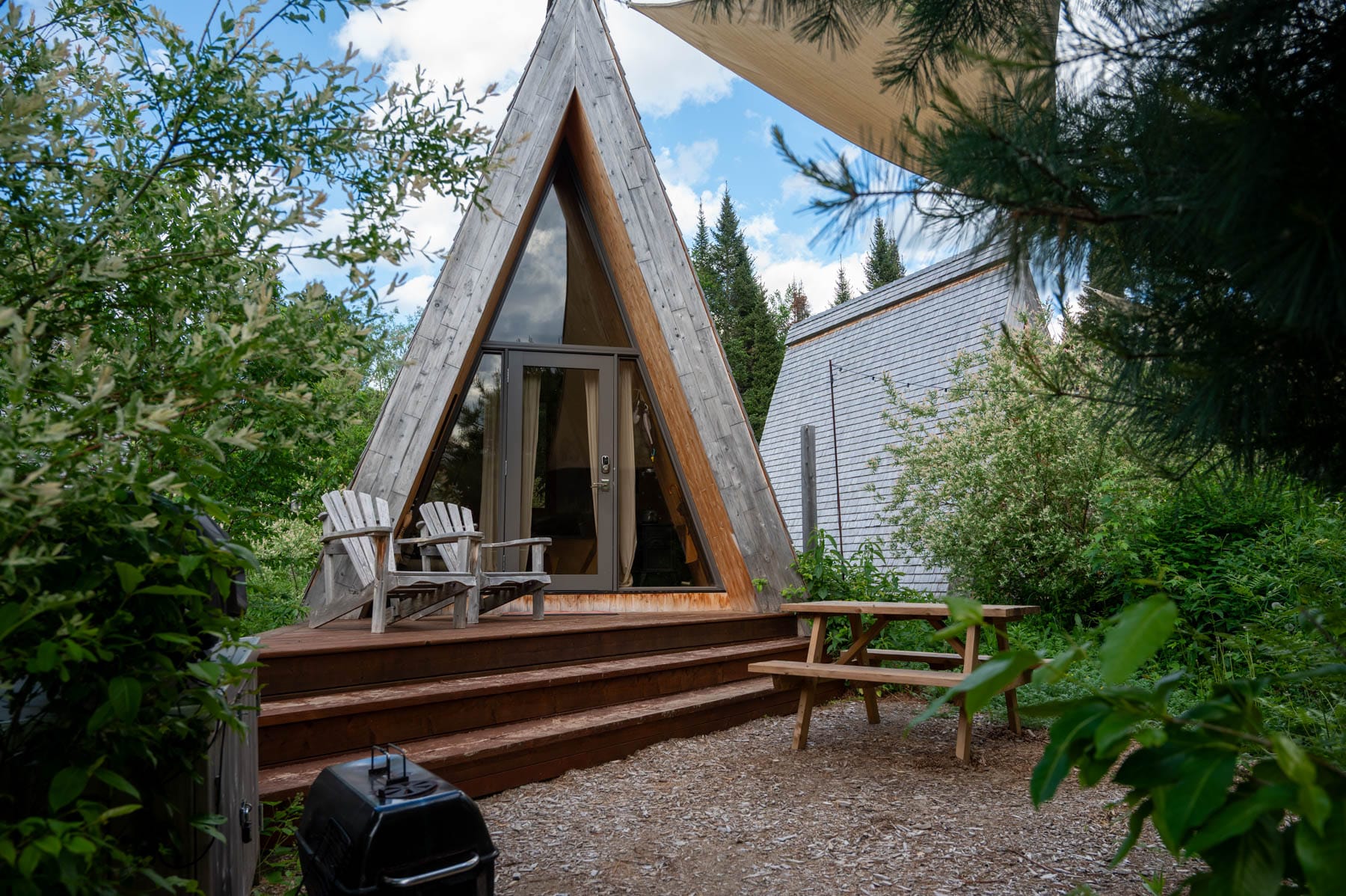
Seven handcrafted A-frame cedar cabins sit scattered across a working organic farm. There is a farm-bar called La Buvette with soaring glass walls, a barista station, a farm store stocked with local provisions, and a rooftop Nordic bath.
I drove past the entrance before finding it. There is no grand sign, no resort gates. Just a quiet turn off the road that leads you somewhere you didn’t know existed. Like discovering an underground bar that only locals know about — and realizing it has the best vibe in the city.
The Cabin
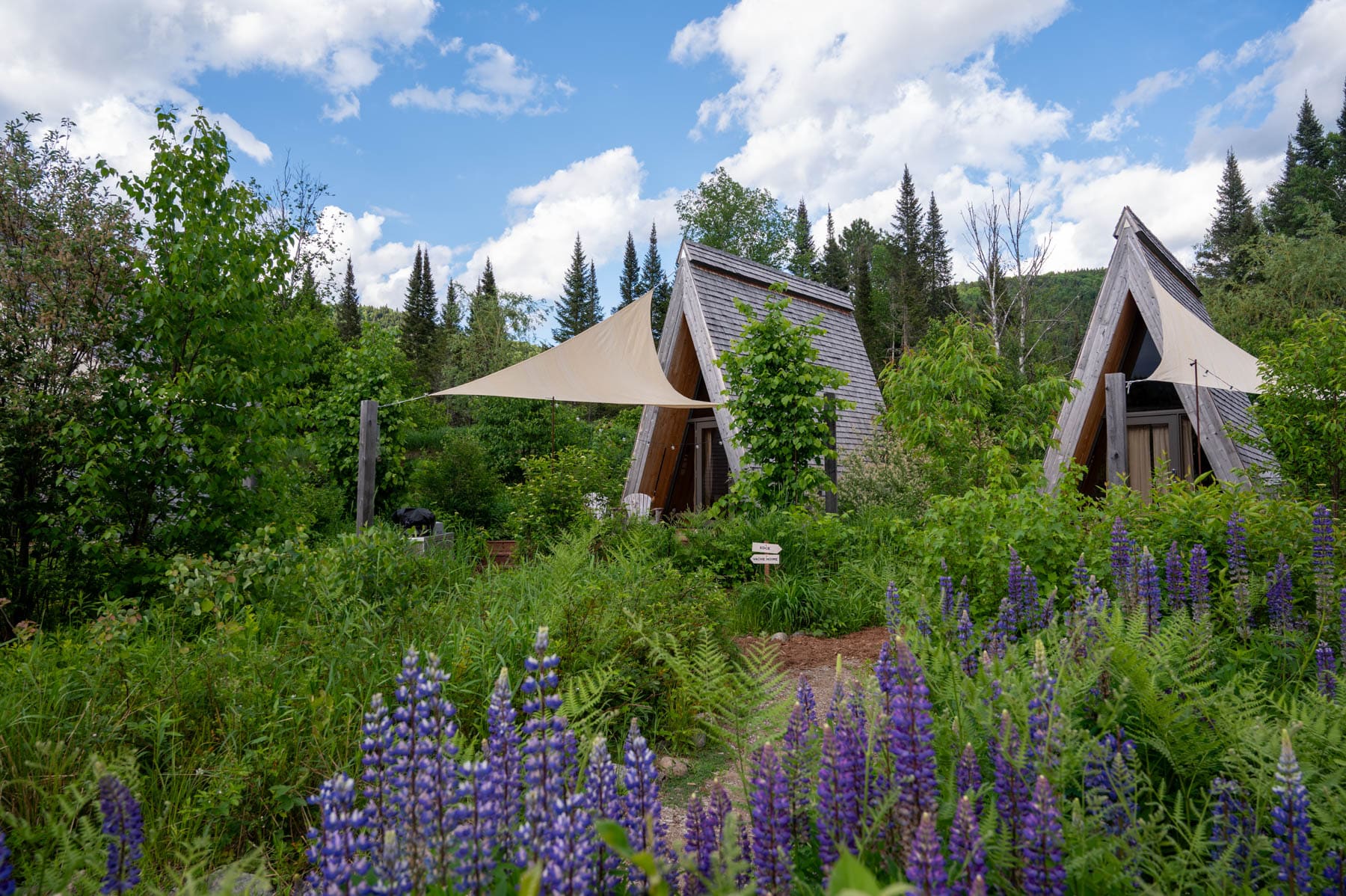
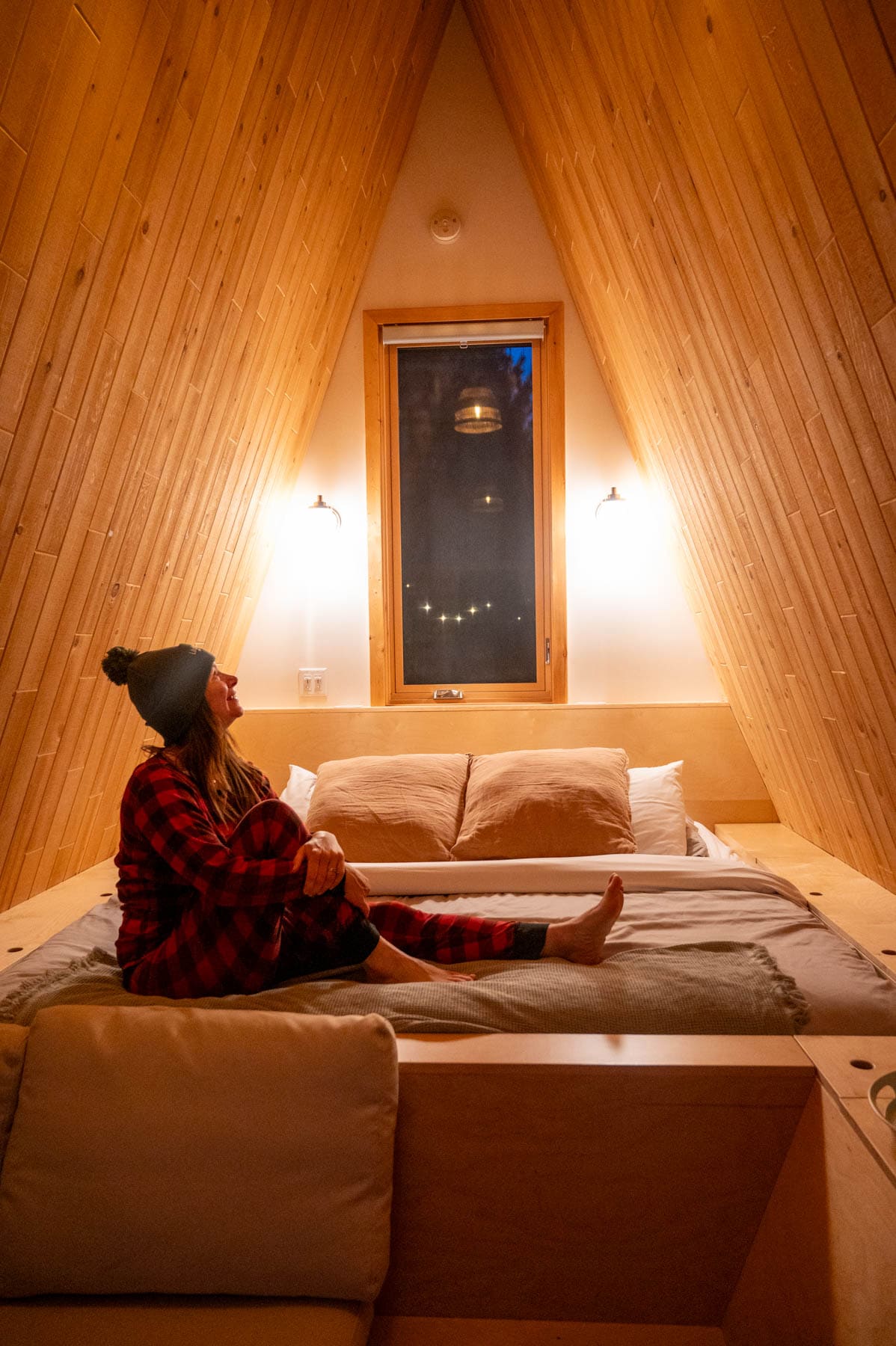
I stayed in the Johannsen refuge — one of seven individually named A-frames on the property. Approaching it for the first time felt like walking into a storybook. Purple flowers framed the path. The A-frame shape cut cleanly against the forest behind it. Inside: a king-size memory foam bed piled with lush pillows, warm wooden plank walls floor to ceiling, a basket light casting a soft golden glow from above, two sconces flanking the bed for reading, a gas fireplace (the thermostat mode kept things perfectly comfortable overnight without any fussing), heated floors, a compact fridge, an in-room coffee maker, and USB charging throughout.
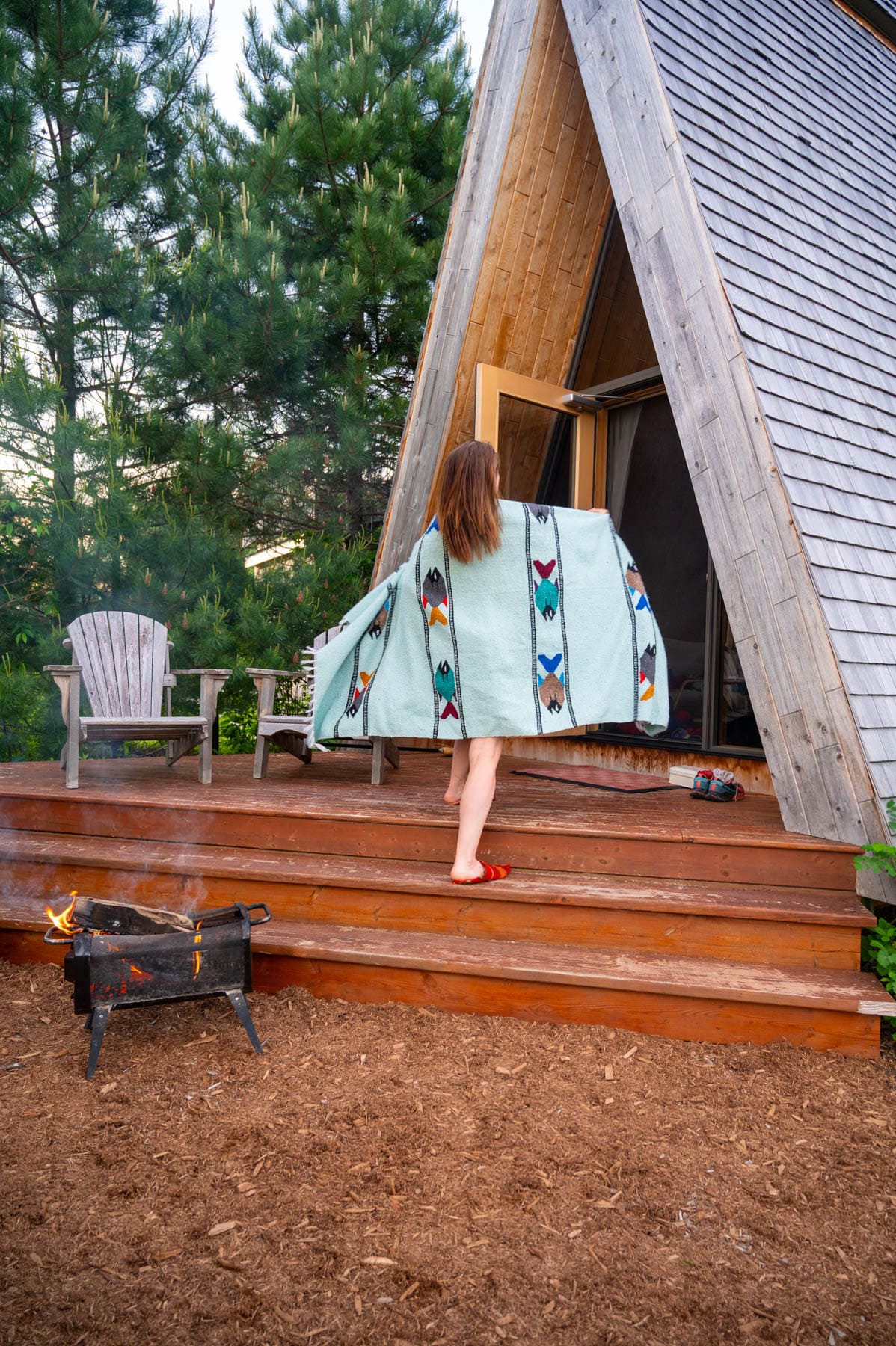
The bathroom is a short walk from the cabin — a private, heated, fully equipped space with its own key. It is not shared with other guests. I’ll be honest: when I first read ‘detached bathroom,’ I hesitated for about thirty seconds. Then I arrived and understood immediately. The brief walk through the night air to a spotless private bathroom with a luxury shower is just part of the experience. It adds to the sense of being in nature rather than sealed away from it. (Important note: not all the bathrooms are private depending on the cabin.)
The Food
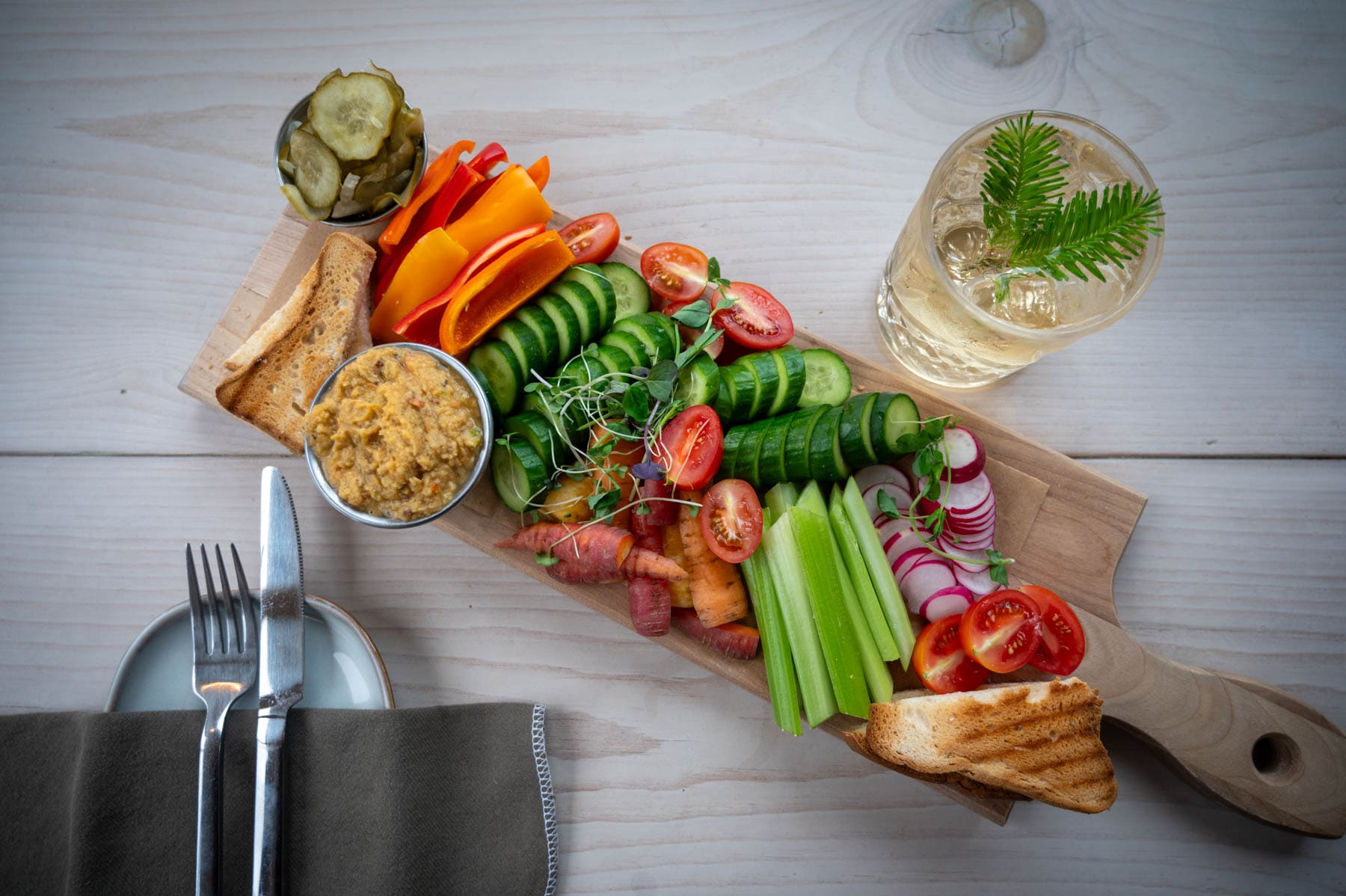
Dinner on my first night was a charcuterie board from La Buvette — the ‘Planche collation’ loaded with local crudites, house-made hummus, nuts, chips, and olives — paired with a mocktail from Farouche’s extensive, locally sourced drinks menu. I ate at a long pine table inside the glass atrium while the forest turned dark around me.
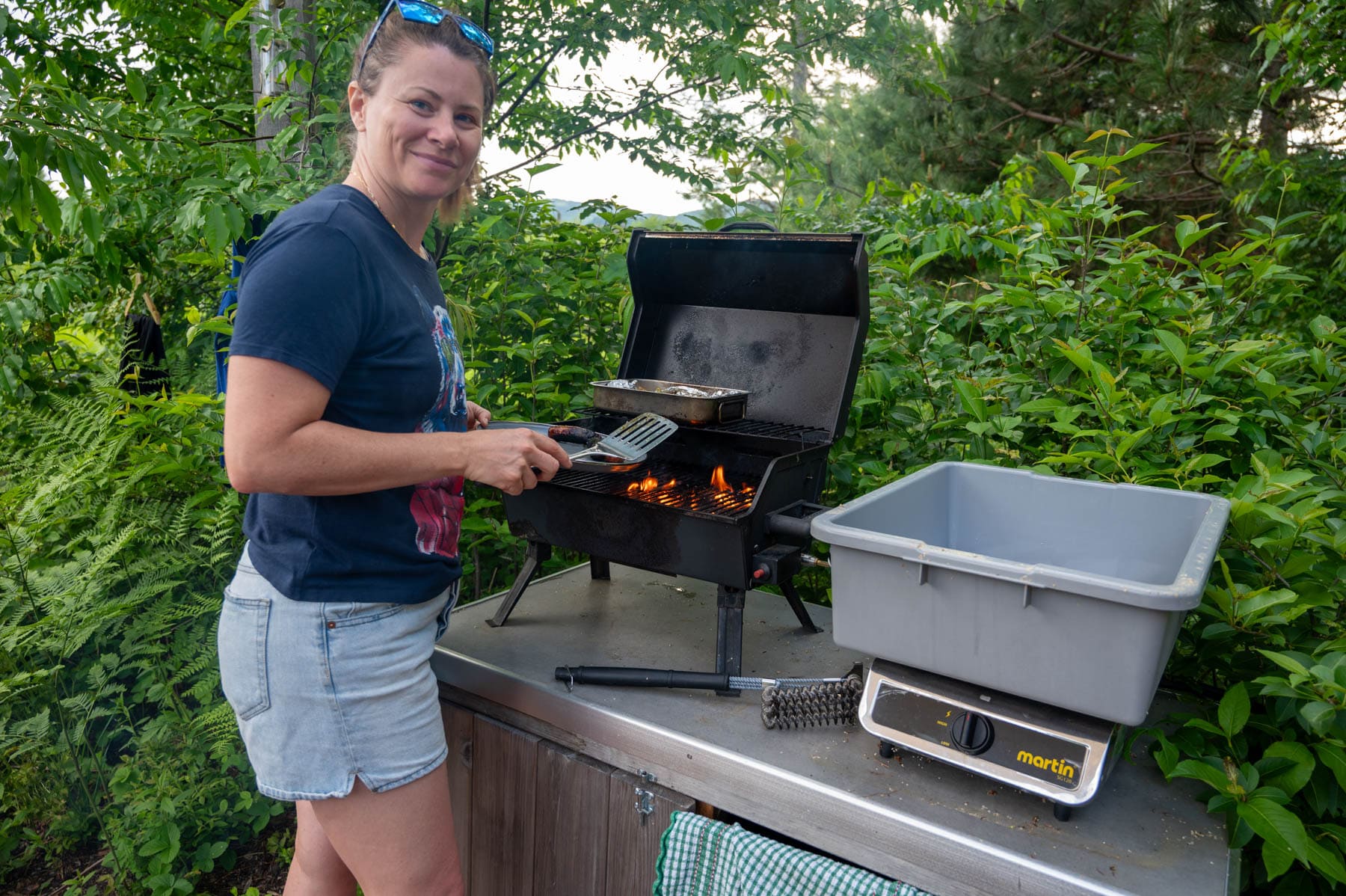
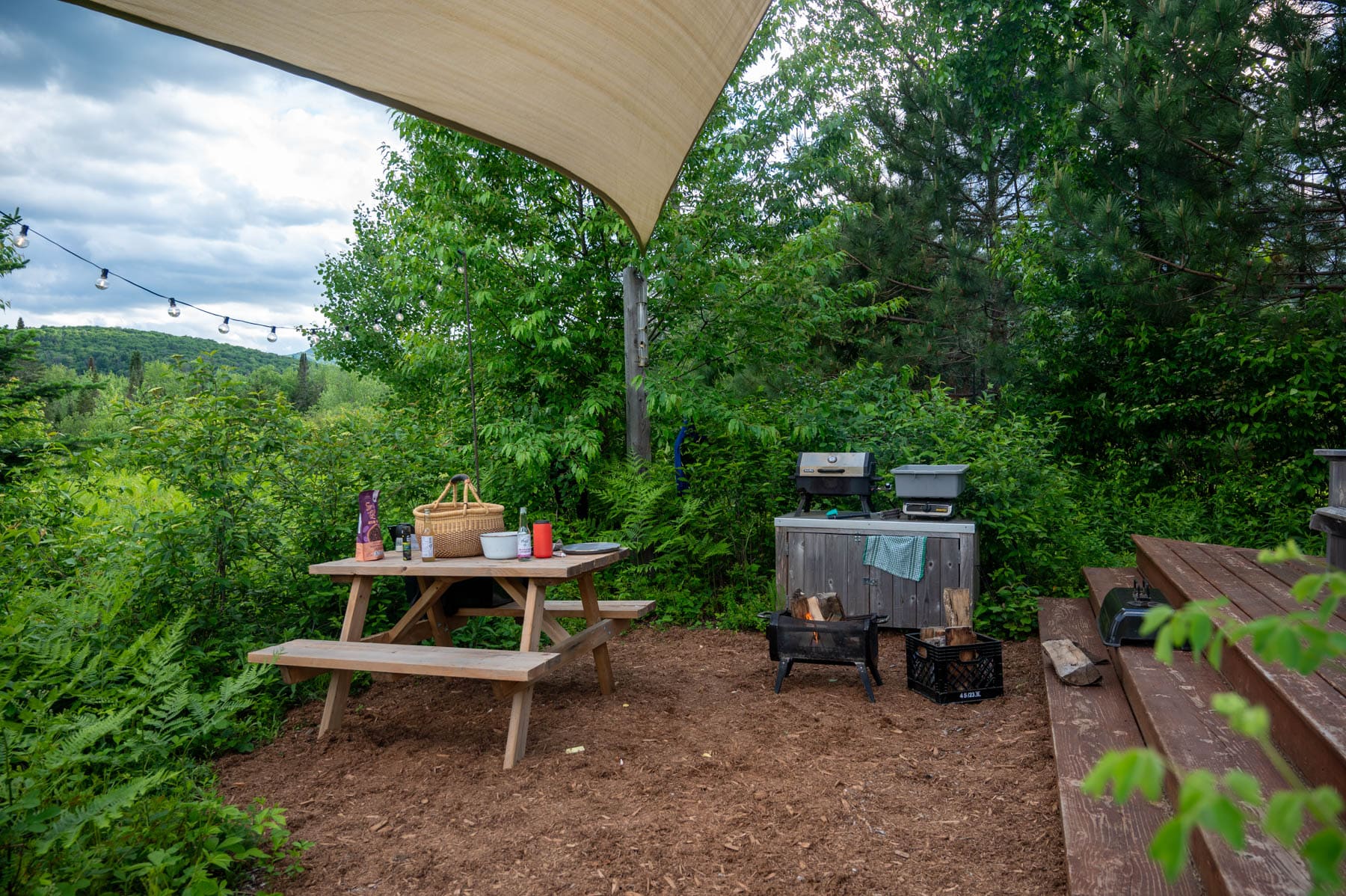
On my second night, I walked into the farm store and assembled my own dinner: beet and pork sausages, asparagus, garlic, onions, potatoes — all local, all sourced from Farouche’s own farm or regional producers. I cooked everything over an outdoor BBQ at my cabin using the full cooking kit Farouche provides (pots, pans, utensils, everything down to a dish bin — they even do the washing up for you). Then I sat by my campfire and ate under the trees as the owls started calling back and forth overhead.
Breakfast the next morning was, without exaggeration, the best breakfast I have had in my entire life of travel. A farm-style buffet in La Buvette: a barista coffee station, fresh-pressed juices, a make-your-own omelet bar using eggs from Farouche’s own chickens (the yolks were a deep, healthy gold — visibly different from grocery store eggs), croissants and pastries, a dedicated gluten-free bread and cereal station with cranberries, raisins, nuts, and seeds, and overnight oats topped with edible flowers.
The Sounds
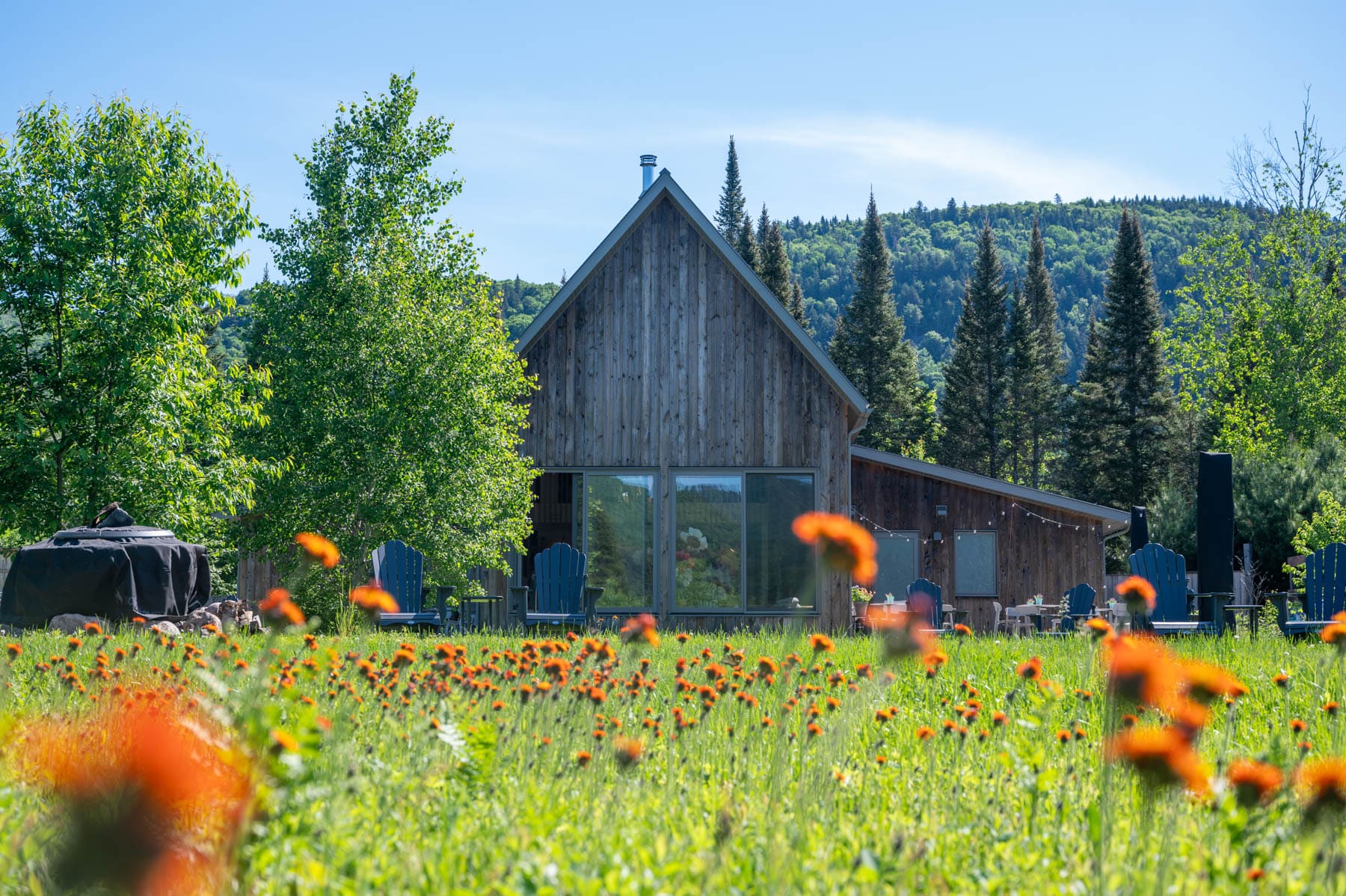
When I sent videos home to my family from Farouche, expecting them to react to the A-frames and the flowers and the river, every single person responded to the audio. ‘That sounds unbelievable,’ my Mom said. “I can hear the croaking, Mom” my son observed. The frogs calling across the water. The crickets. The owls going back and forth at night. The river running. That is what Farouche actually is: a place where you sleep with the windows open and let the wild back in.
👉 What I Loved: The unexpected stillness. Sitting in an Adirondack chair by my campfire, listening to owls call back and forth. The farm breakfast. The paddleboard on the river. That cozy nest feeling in the cabin — warm and golden and completely enveloped, like a child curling into their mom after a long day. The way this place is transformative without trying to be.
👉 What I’d Change: I wished I had more time to book the wellness treatments — the yoga and sound healing offerings are extensive, and I didn’t leave enough space in my itinerary for them. A few aggressive mosquitoes on summer evenings (pack repellent spray, wear long sleeves at the campfire, and consider mosquito-repellent clothing). The bathroom door handle was slightly sticky. Minor notes for a place that got everything else exactly right.
Day 2 – Hike Your Heart Out & Wild Retreat
Hike Mont-Tremblant National Park
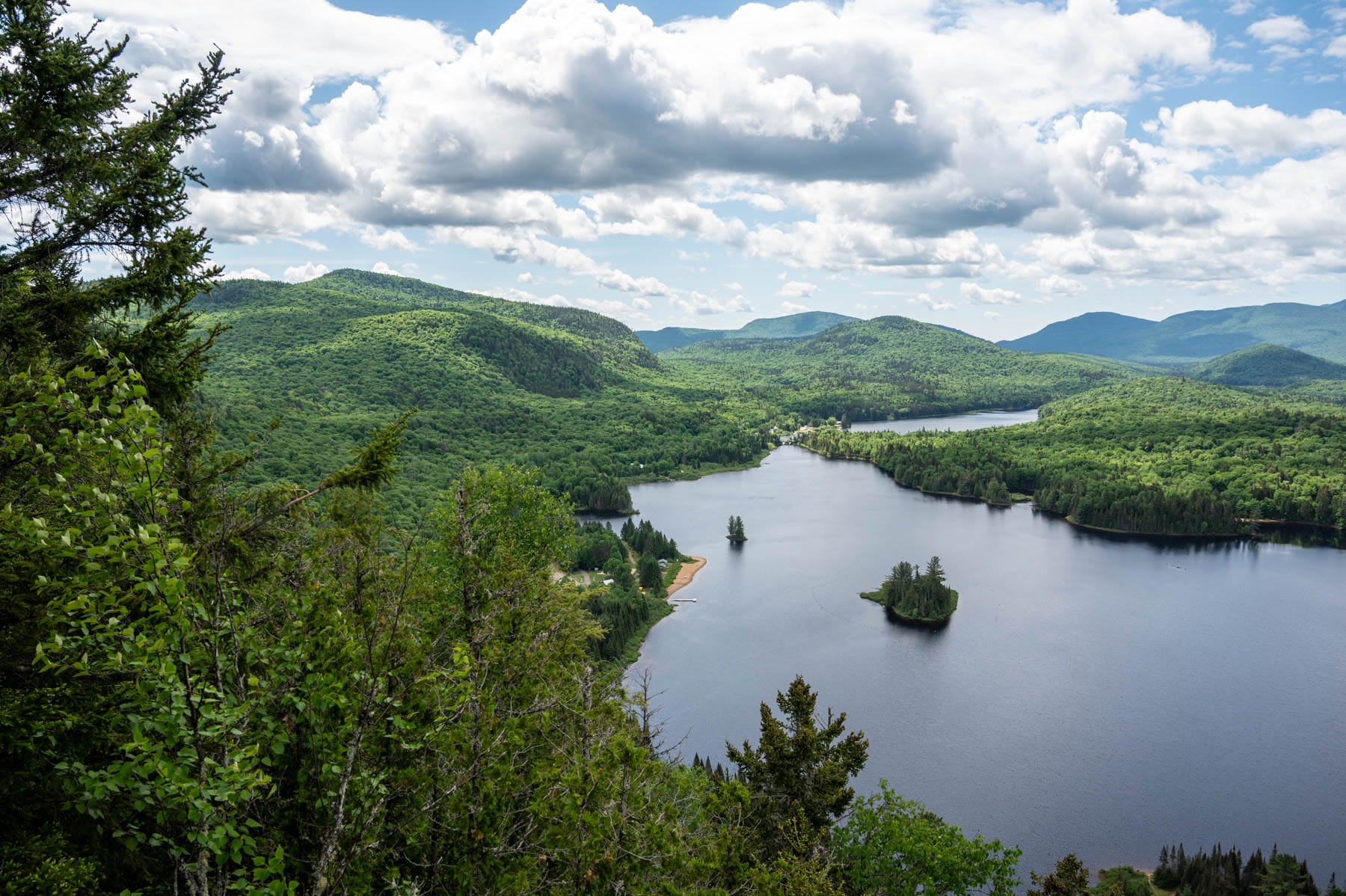
Mont-Tremblant National Park is the oldest national park in Quebec and the largest protected area in southern Quebec — 1,510 square kilometres of Boreal forest, 400-plus lakes, six rivers, and a trail network that stretches over 200 kilometers. This is the kind of place that serious hikers come back to year after year and still haven’t covered all of it.
The park sits five minutes from Farouche Tremblant, which makes it one of the most strategically excellent base locations I’ve encountered anywhere in Canada. You can be in the wilderness before breakfast and back on the farm for the hot tub by sunset.
I hiked with D-Tour, a local guiding company that specializes in the La Diable sector. Our route took us from the Discovery Center through La Corniche (3.4 km, intermediate, 150m elevation, panoramic valley views) and connected via La Coulee trail through to La Roche (5.4 km, intermediate, 250m elevation, views across the glacial Lac Monroe valley to the Tremblant highlands). Two lookout points, one waterfall, and five hours of the kind of uninterrupted nature that recalibrates you.
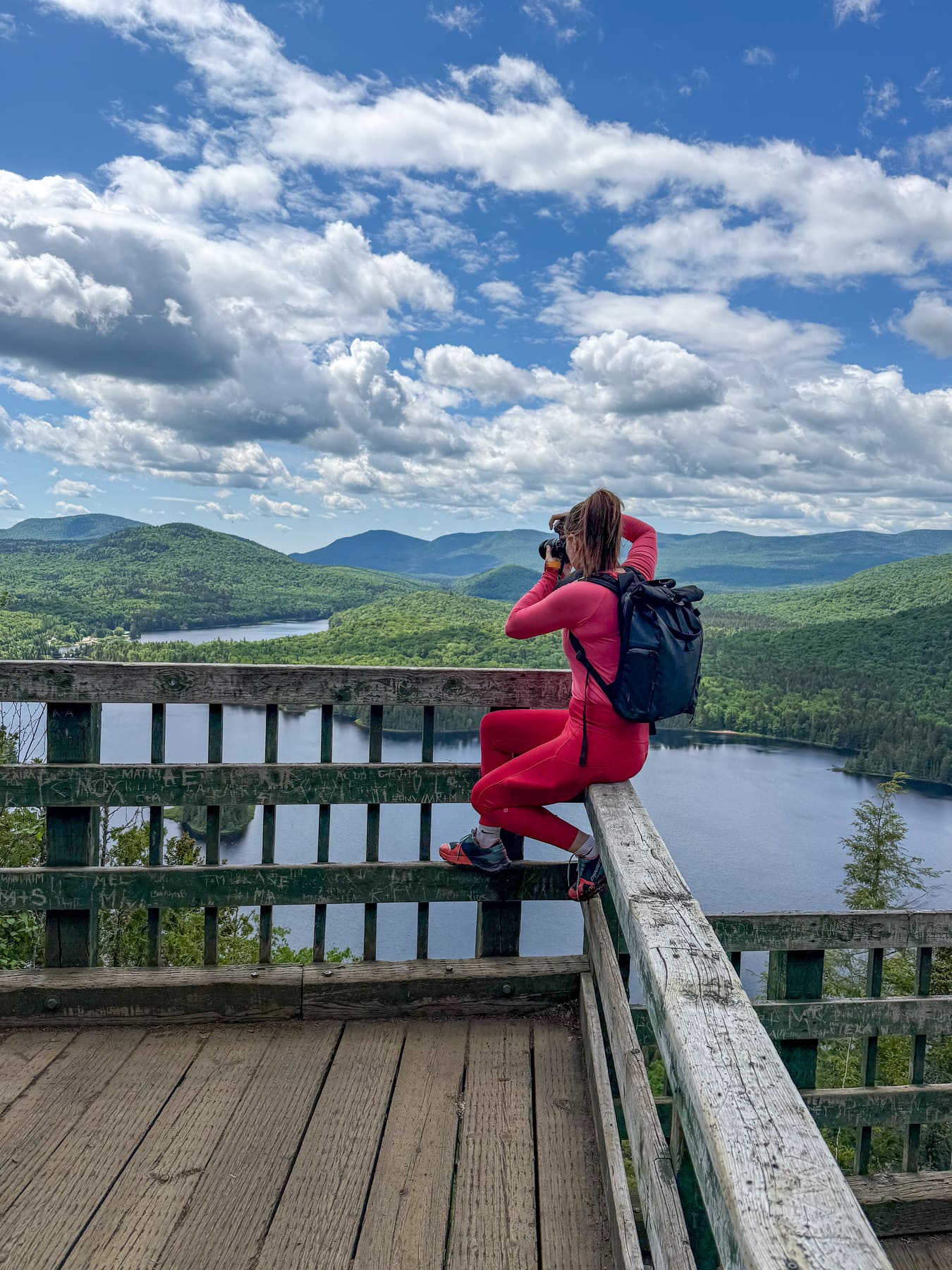
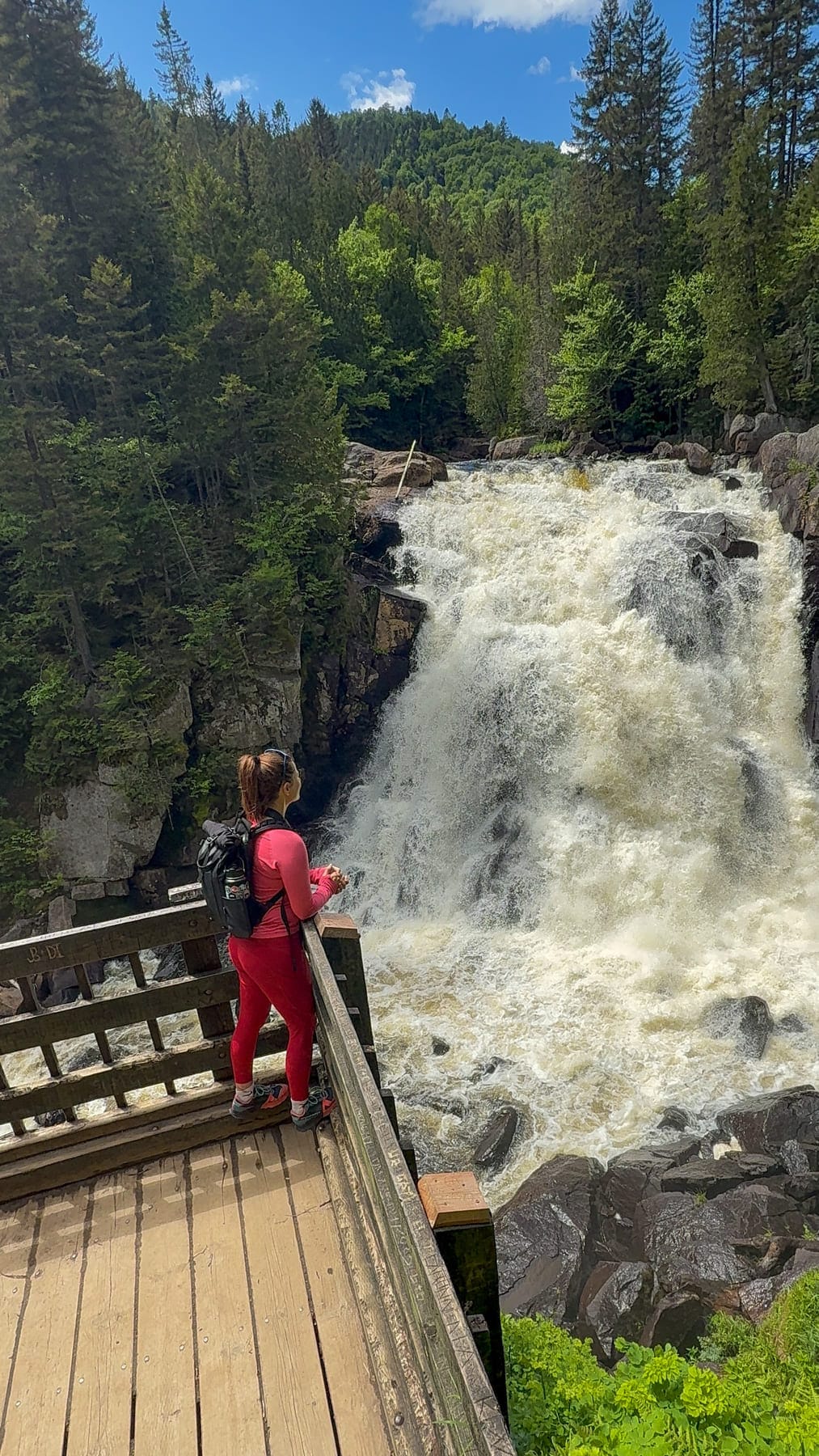
What the guide added was irreplaceable: the history of the Riviere du Diable and why it earned the name ‘Devil’s River’ (logging-era raftsmen who lost their lives on this stretch, plus Algonquin spiritual associations with the river’s power and danger), the geology of the Laurentian Hills — a billion years old, originally as tall as the Himalayas, carved down by successive glaciations into the rounded, ancient landscape you see today — and the context that this land sits on Algonquin territory, recognized as such, with a layered history that goes far deeper than any trail marker suggests.
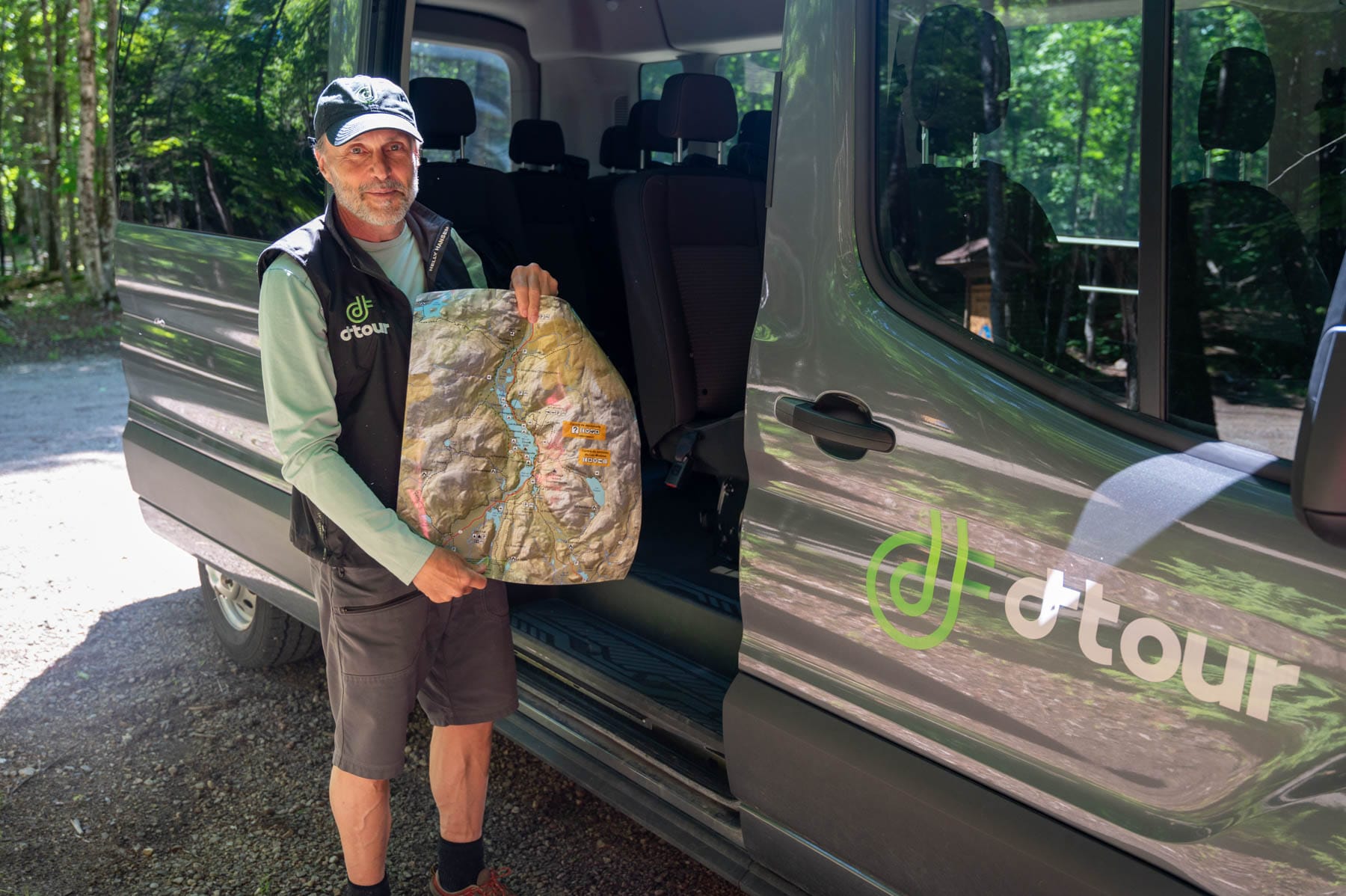
Quebec has 500,000 lakes and 2,500 rivers provincially. Within this park alone, there are 400 lakes and seven main rivers. Let’s just say one day in the park wasn’t enough, but it was an excellent way to learn about this beautiful and historical region.
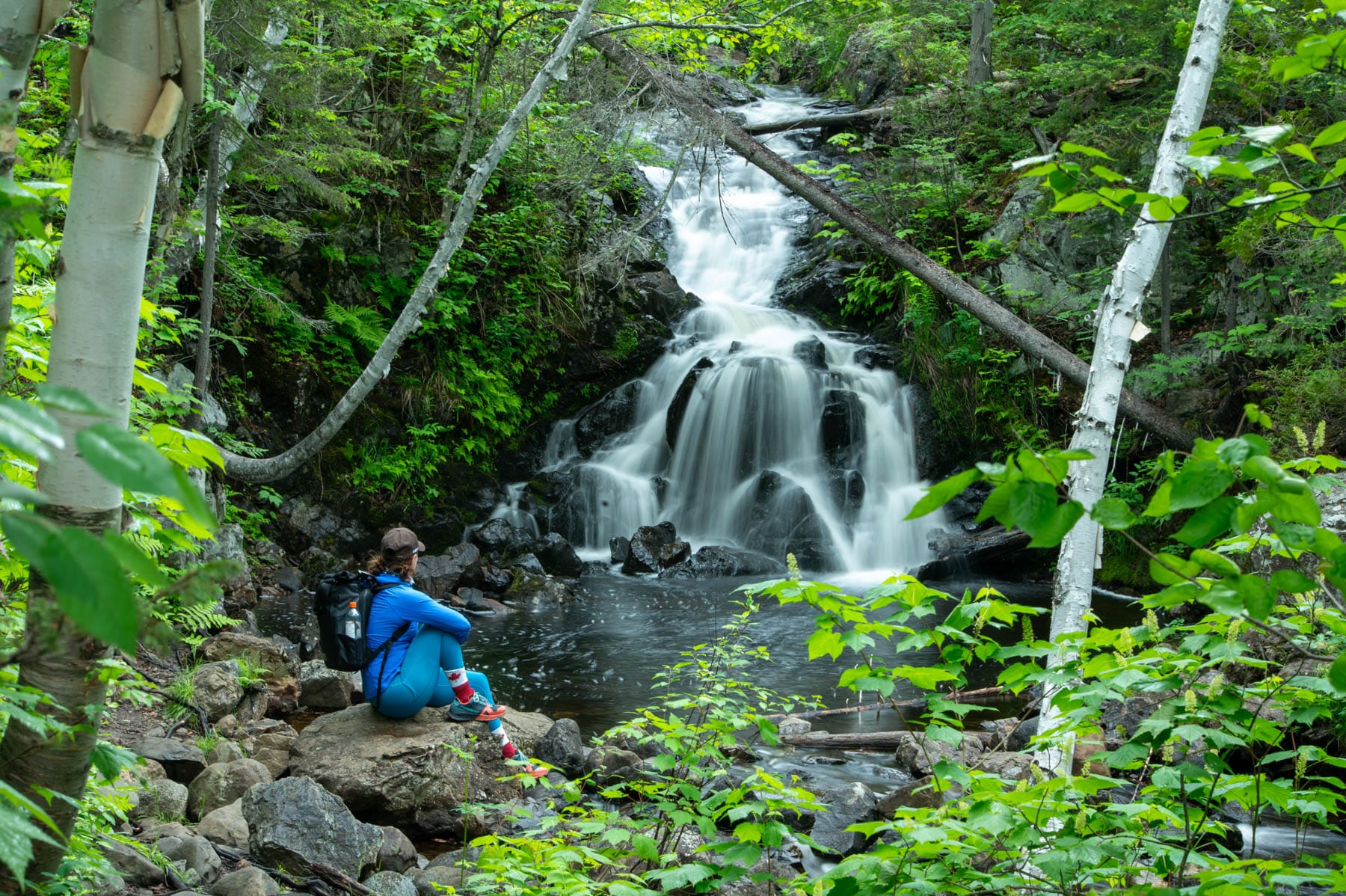
👉 Popular Trails In The La Diable Sector: La Chute-du-Diable: 1.6 km, easy, a 15-meter waterfall. La Roche: 5.4 km, intermediate, panoramic glacial valley views. La Corniche: 3.4 km, intermediate, overlooks Lac Monroe valley. Le Bois-Franc: 8.5 km, intermediate, magnificent old-growth forest. Le Toit-des-Laurentides: 14.6 km, difficult, reaches Johannsen Peak — the highest point in the Laurentians. Via Ferrata du Diable: guided vertical rock route on Vache Noire mountain, minimum height 1.4 meters, maximum 8 people per departure.
👉 Book A Guided Hike: D-Tour operates guided hikes in Mont-Tremblant National Park. A Sépaq daily park access pass is required — these are available at the Discovery Center and at La Buvette (Farouche). Visit sepaq.com/pq/mot for trail maps, current access passes, and park information.
Retreat Time
After returning from my hiking and lavishing in a restorative nap in my cabin, I launched a paddleboard from Farouche’s dock into the Riviere du Diable. I paddled for an hour and a half, heading upstream against a gentle undercurrent, then letting the river carry me back. No roads. No people. No soundtrack other than the birds overhead, the occasional splash of something diving beneath the surface, and the water trickling over logs.
Every bend in the river revealed something new — a sweep of red sand beach, overhanging branches trailing into the water, a glimpse of a house through the trees on a distant bank. I was paddling through a painting. I kept that thought in my head the whole way back.
Campfire Cookout
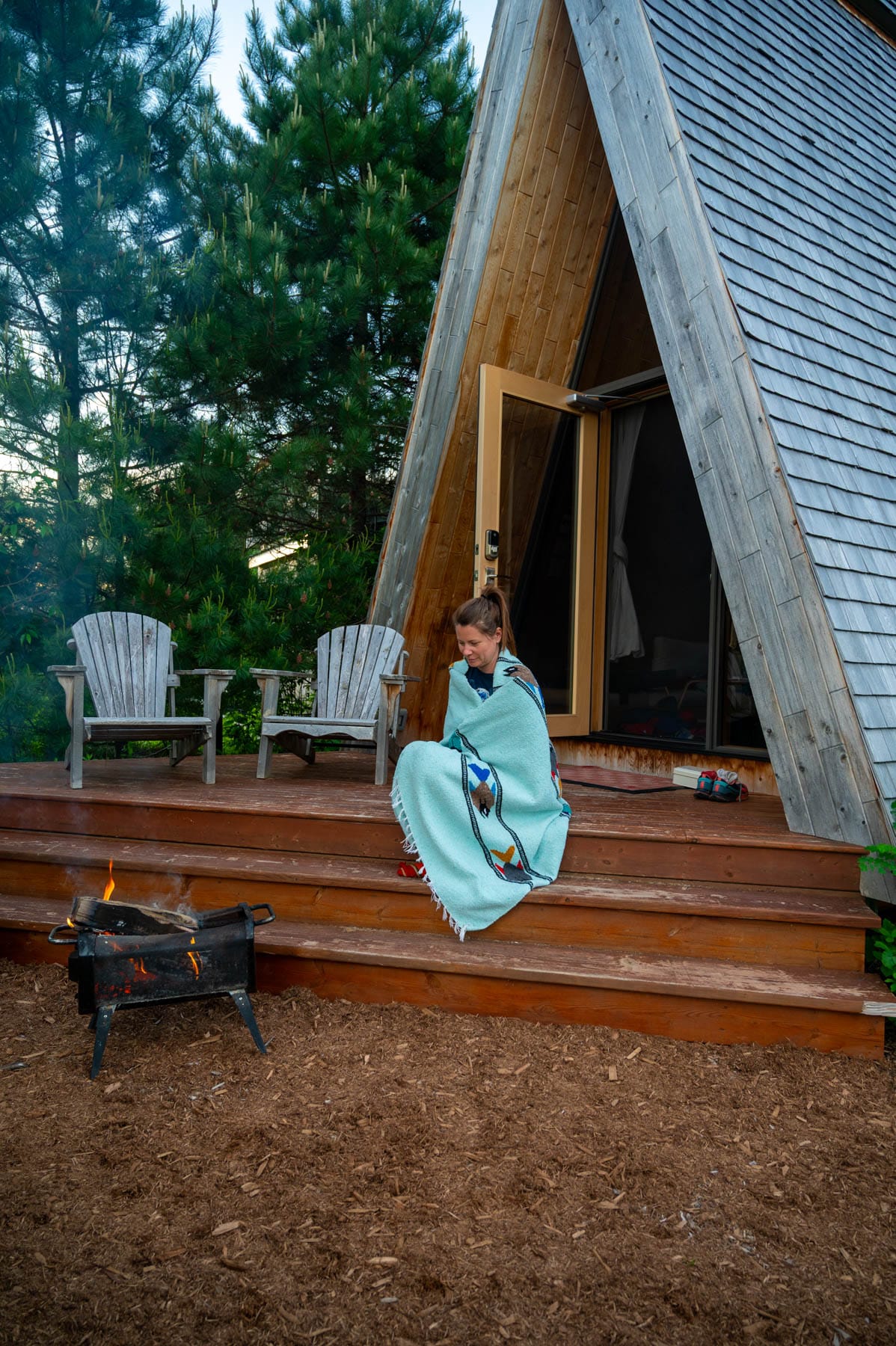
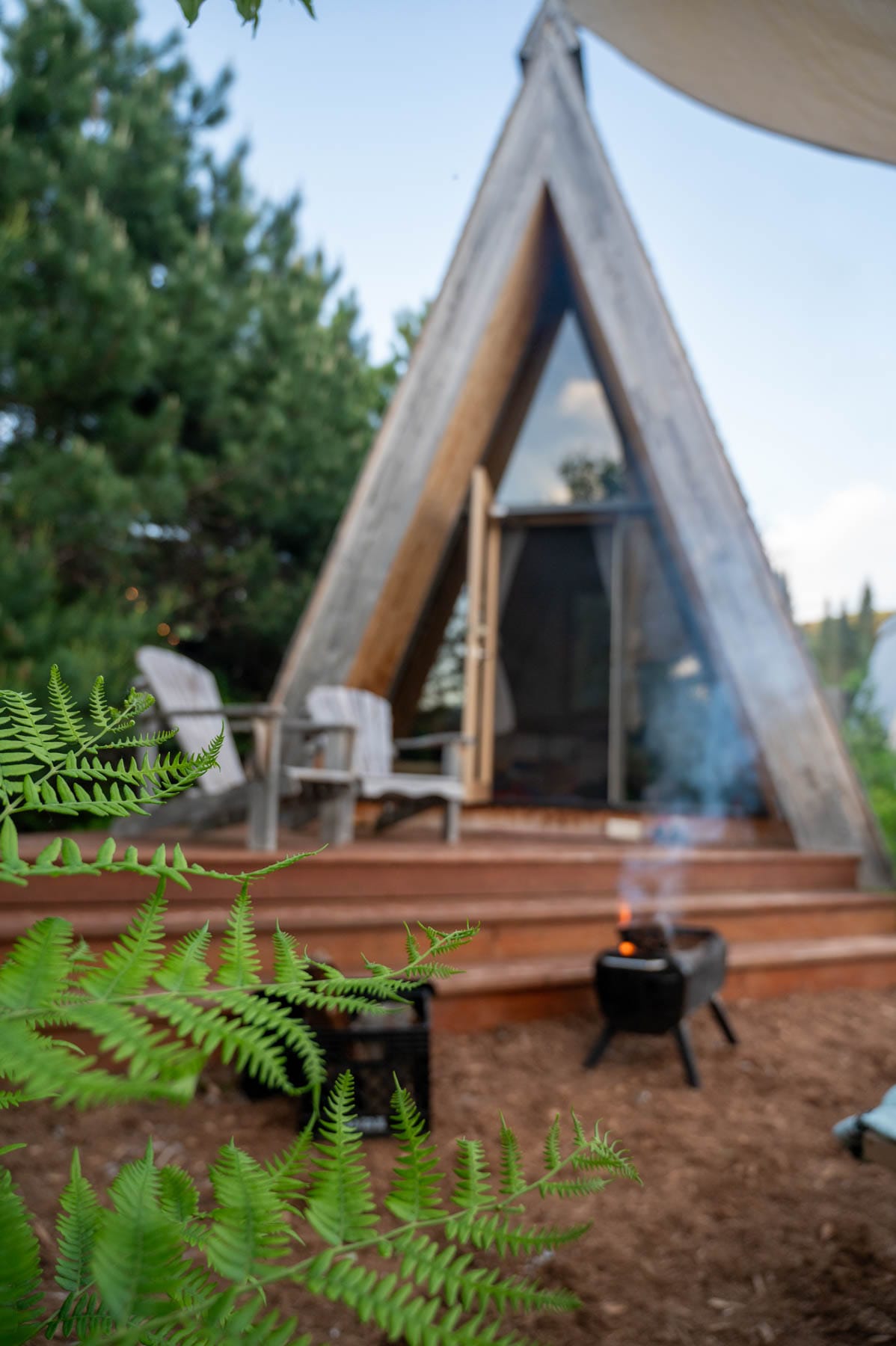
In the evening, I built my own campfire. I cooked dinner. I sat by the fire until nine o’clock. It was really neat to source my own food from their farm store and go through the process of cooking it at my campsite. It was the perfect combination of effort and ease, all in one glorious solo experience.
Roof-top Hot Tub
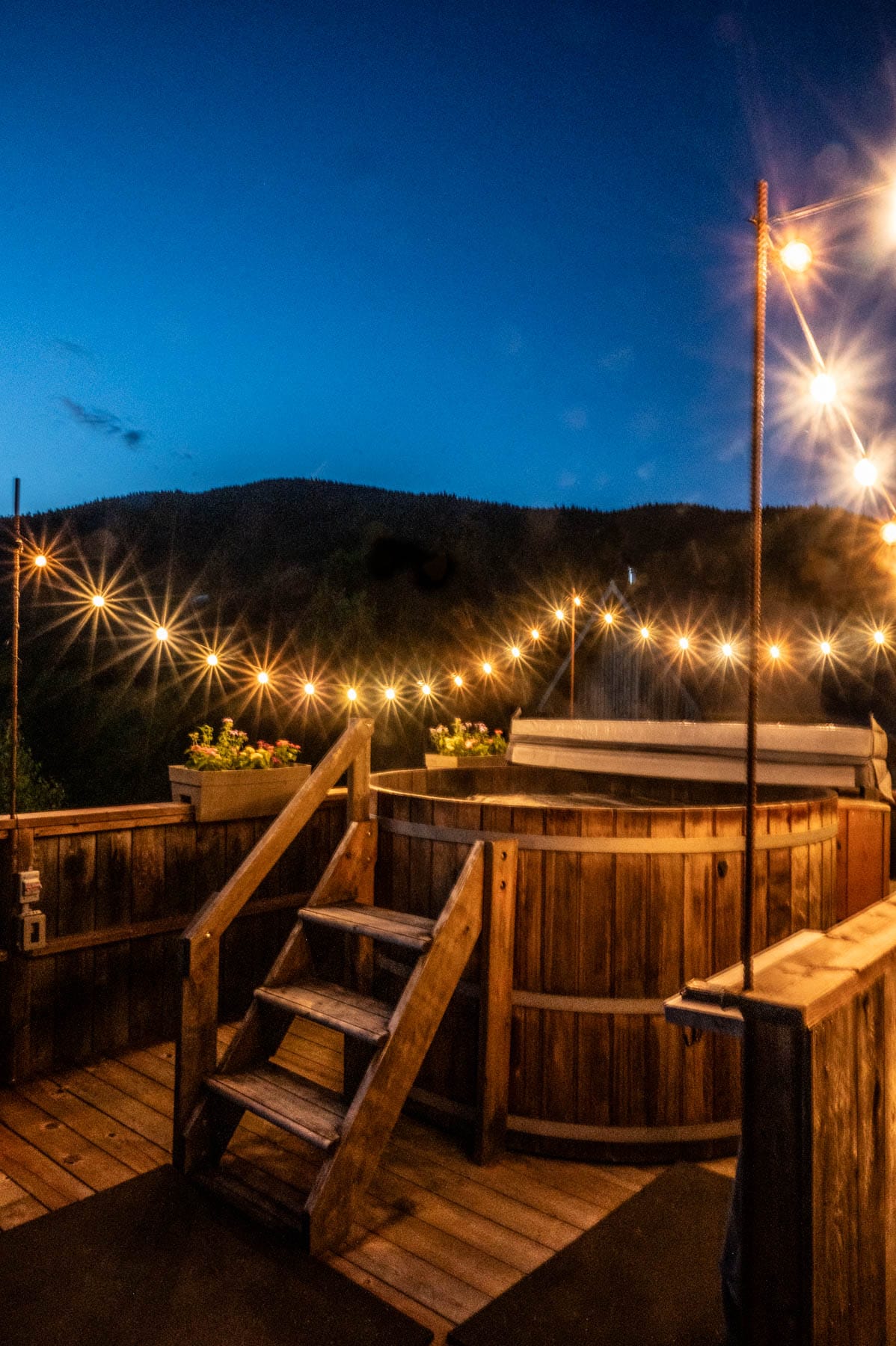
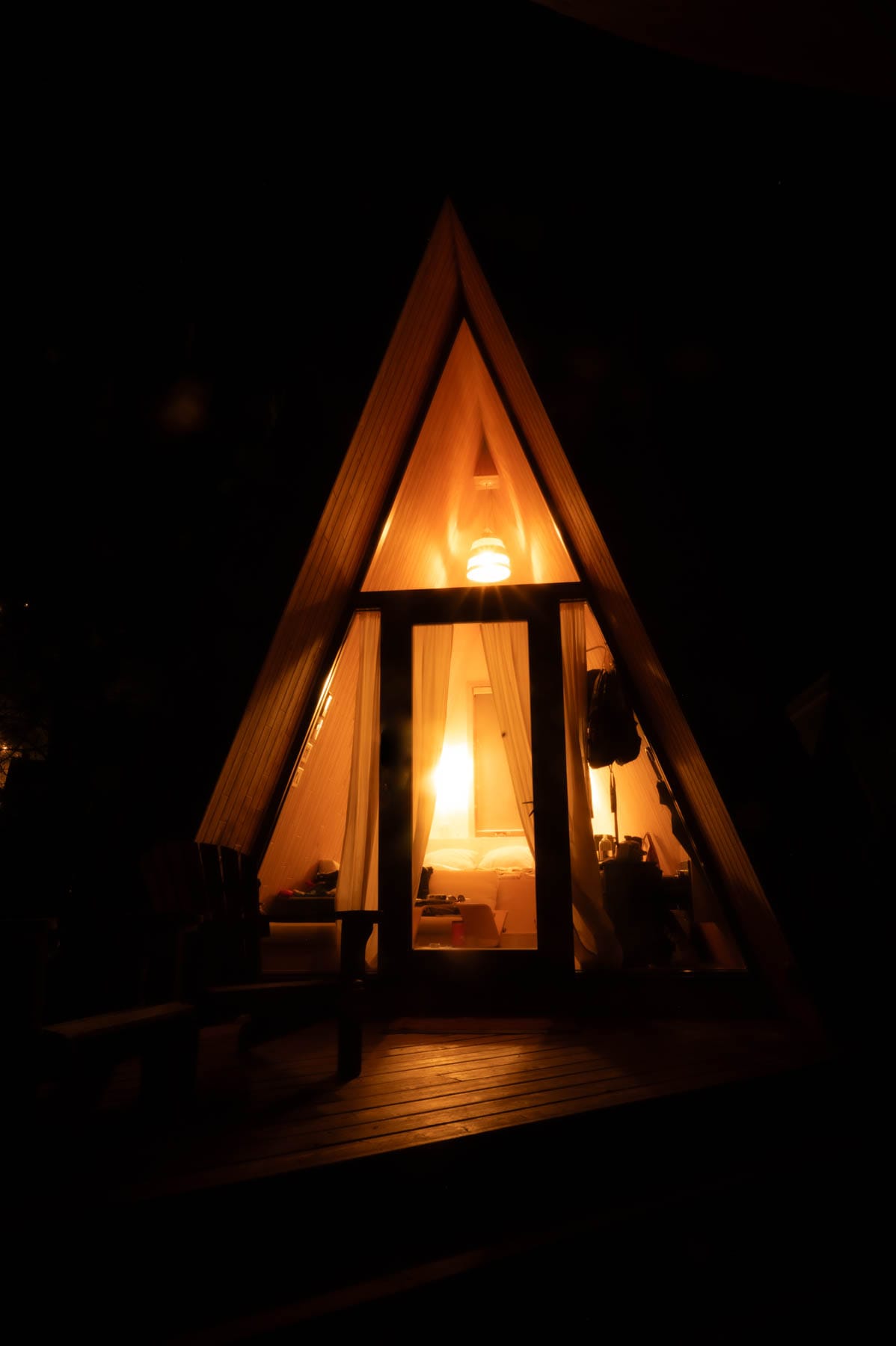
The one non-negotiable experience at Farouche is their rooftop Nordic bath on the Paddleshack building. This cedar hot tub is reserved for 60-minute private sessions via QR code exclusively for Farouche guests. But with only two guests on the property that night, I had it entirely to myself and no time limit on the clock. I soaked under a full sky of stars for an hour, listening to the orchestra of crickets and frogs as they played the soundtrack to the end of the perfect day. My soul was full, and my body was rested. (and had I been staying longer I would have been back night after night after night!)
Day 3 – Tremblant
Explore Tremblant Village
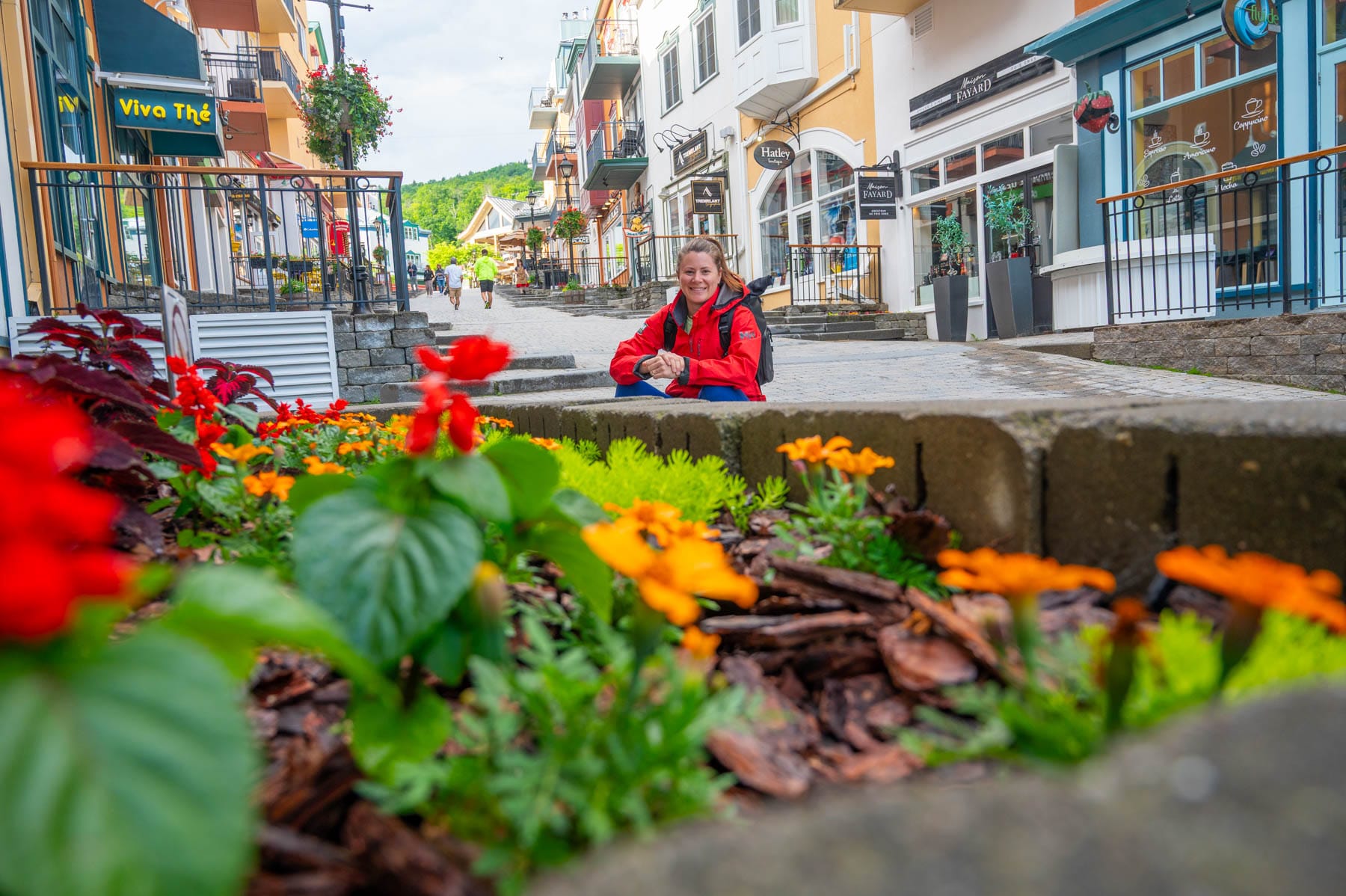
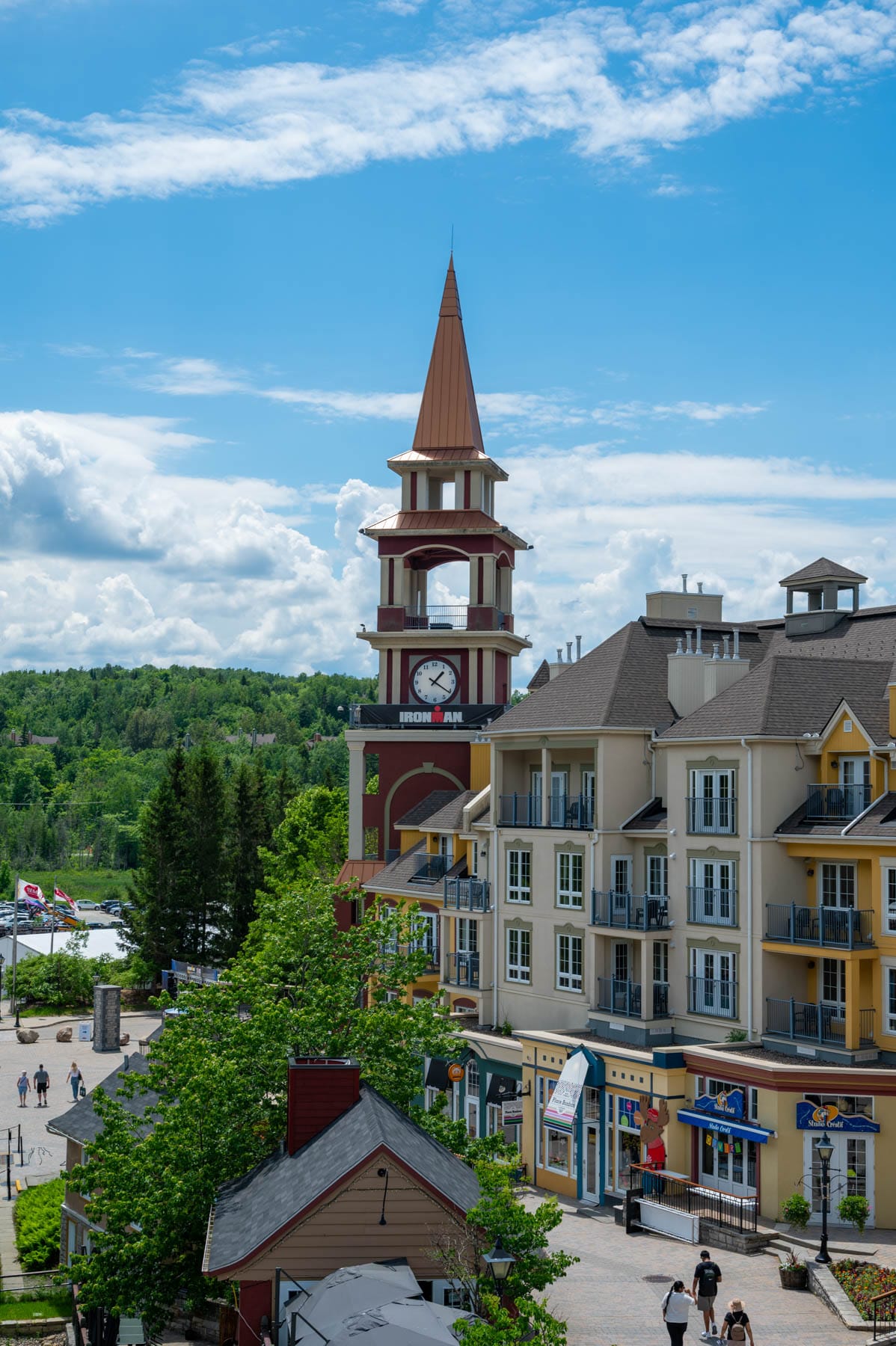
After two nights at Farouche (make it 3 if you can!) drive to Tremblant village and make the transition from serene retreat to adventure central. From a Nordic farm where the loudest sound is owls, I stepped into a cobblestone pedestrian village buzzing with summer energy, colourful architecture, gondolas, and every outdoor activity you can imagine.
The contrast is not a problem. It’s the whole point. The Laurentians hold both worlds effortlessly.
I checked into the Marriott Residence Inn — right in the heart of the village, dropped my bags and immediately headed for the gondola, because there was no way I was waiting to explore Tremblant!
Where to Stay in Tremblant – Marriott Residence Inn Tremblant
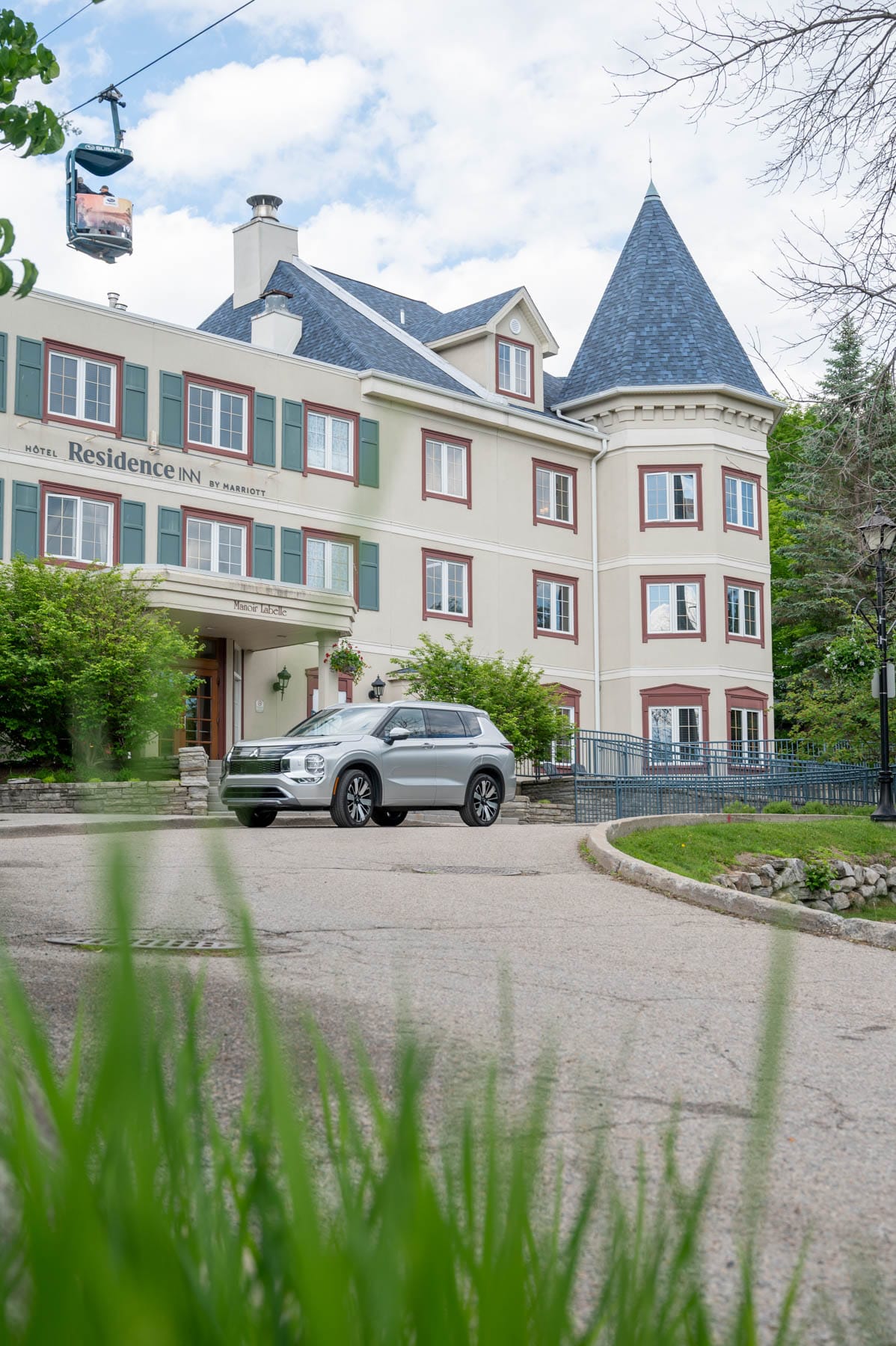
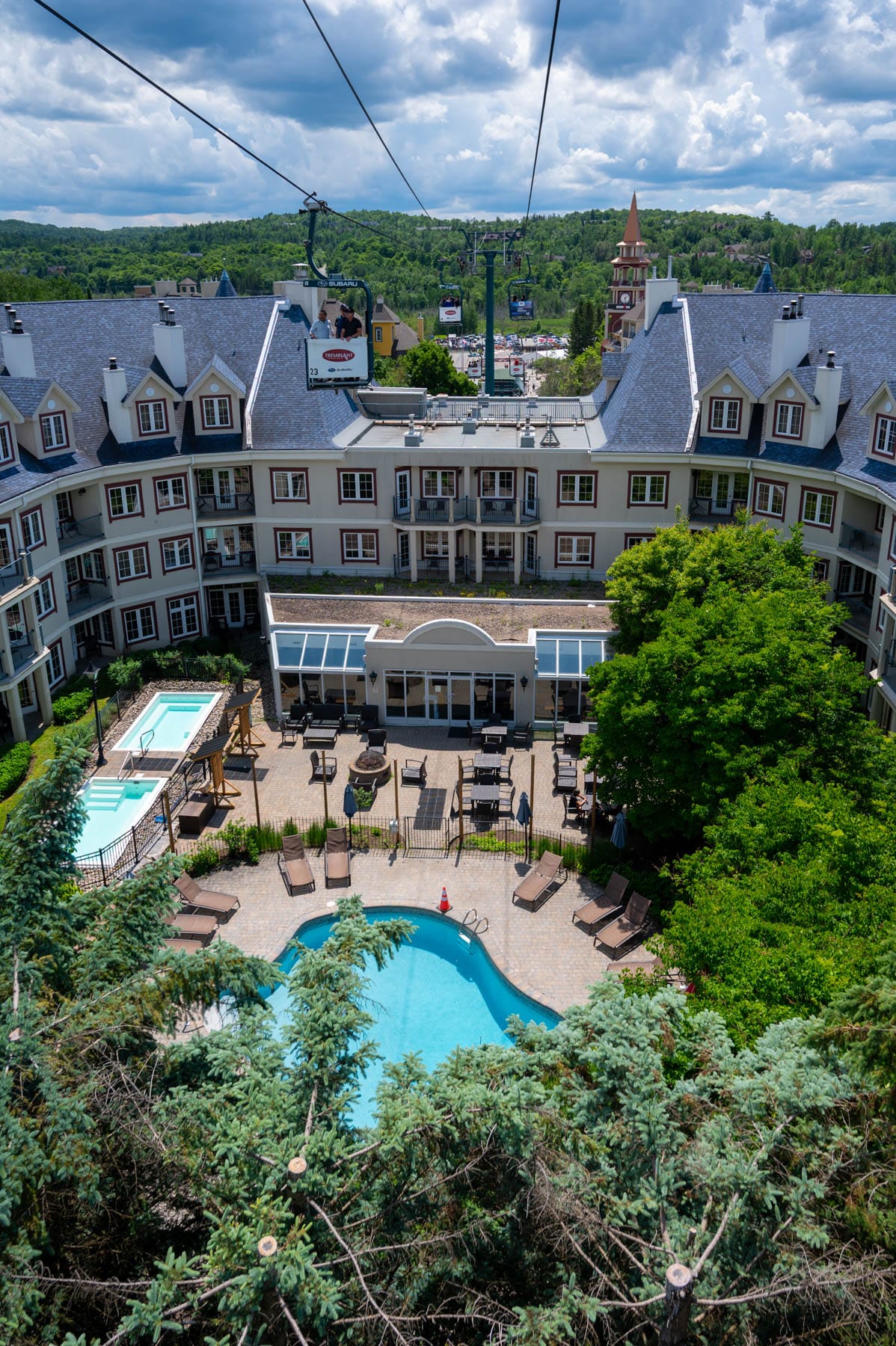
Location is the Marriott Residence Inn’s superpower. It sits right in the center of the Tremblant pedestrian village — you can walk to the gondola, the Cabriolet, Le Shack, the bike rentals, and the beach in minutes. No shuttle required, no car needed once you’re checked in.
The suites are well designed for families: I stayed in a one-bedroom queen with a separate living room that included a pullout sofa — comfortable for a family of four — plus a full kitchen with a full-size refrigerator, stove, and all the equipment you’d need to cook in. For families who want to self-cater some meals (breakfast, the occasional easy dinner), the kitchen makes a meaningful difference to the overall trip budget. The Marriott also offers laundry facilities — a five-dollar wash-and-dry cycle that is a genuine gift if you’ve been active for several days. (and I was so excited to wash all my hiking gear!)
👉 Book Your Stay: Marriott Residence Inn Mont-Tremblant Panorama is located in the pedestrian village. Book at marriott.com or via your preferred travel portal. Pool and hot tub on-site (check seasonal opening dates). Laundry facilities available.
What To Do In Tremblant
The Panoramic Gondola and Summit
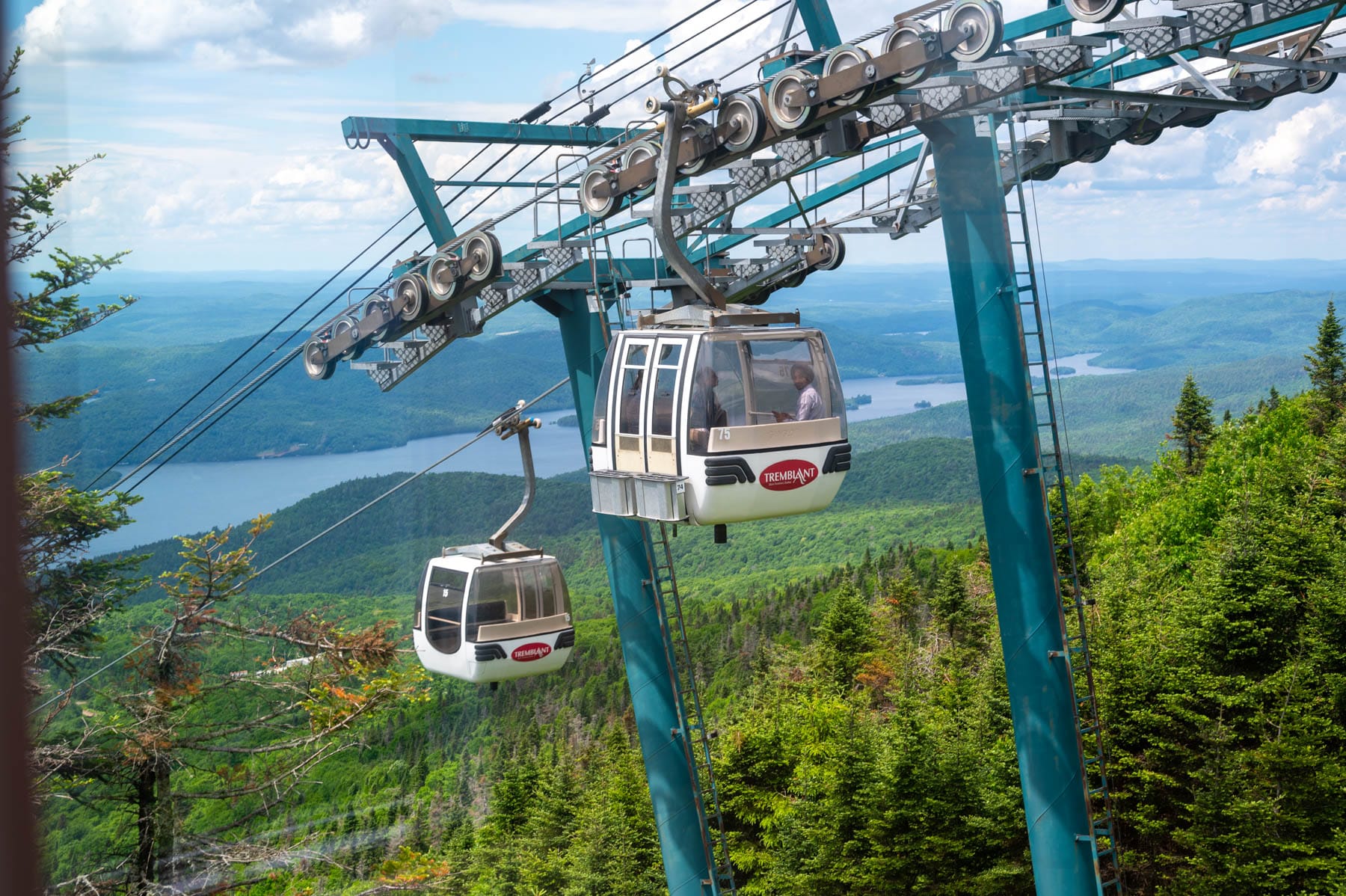
The Panoramic Gondola takes you to the summit of Mont Tremblant in approximately 15 minutes, with views of the lake, the village, and the forested mountains layered all the way to the horizon. I was so excited when I arrived at the top that I ran — actually ran — on the summit trails, which wind through the trees to multiple viewpoints.
There is a 360-degree lookout point several stories above the gondola arrival point where you can see Lac Tremblant shimmering below, the village’s colourful rooftops in miniature, and on a clear day, the earth’s curvature somewhere between here and the next range. (Okay, I don’t know if that last part is 100% true but that’s what it felt like! The view went on as far as I could see!)
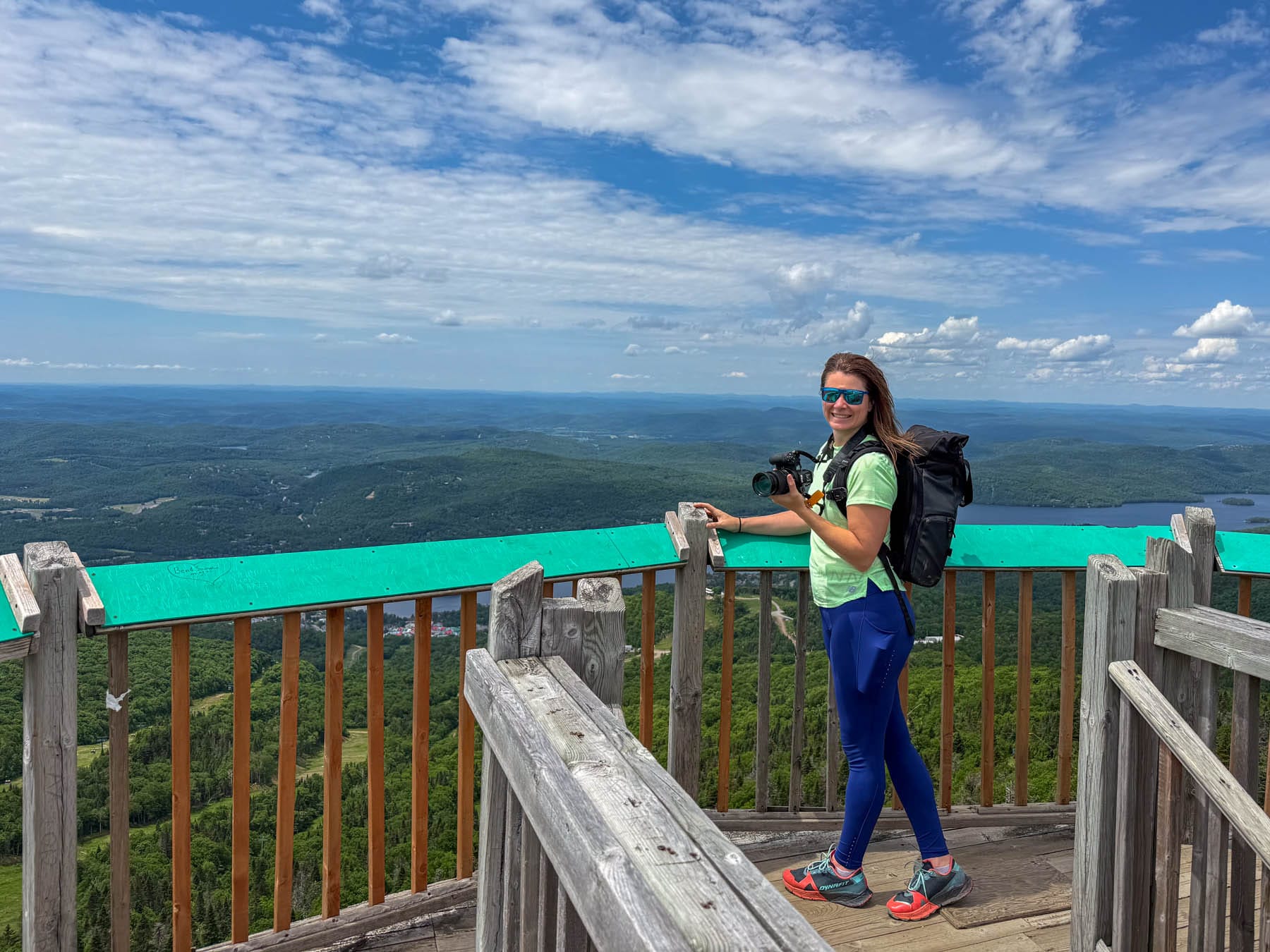
I had lunch at Le Grand Manitou, the summit restaurant, with floor-to-ceiling windows and that view. Hearty chili from the chili bar and a vegan gluten-free brownie was the perfect fuel for my afternoon adventures.
👉 Plan Your Visit: The Panoramic Gondola operates seasonally (May through October 2026). Tickets available at tremblant.ca. Le Grand Manitou is located at the summit and offers a chili bar and pasta bar with vegetarian options included. Combined Gondola + Lunch packages are available.
The Cabriolet
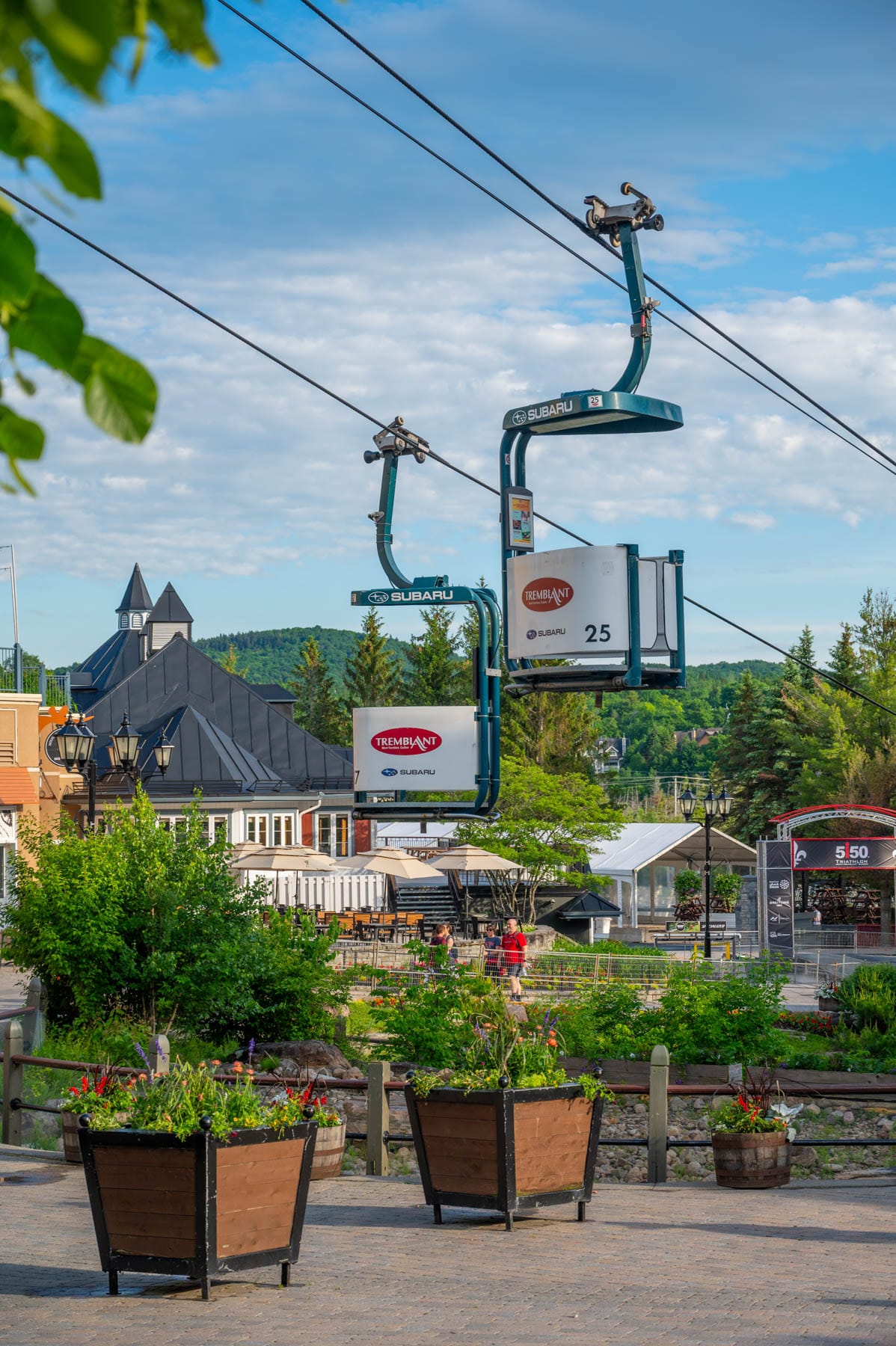
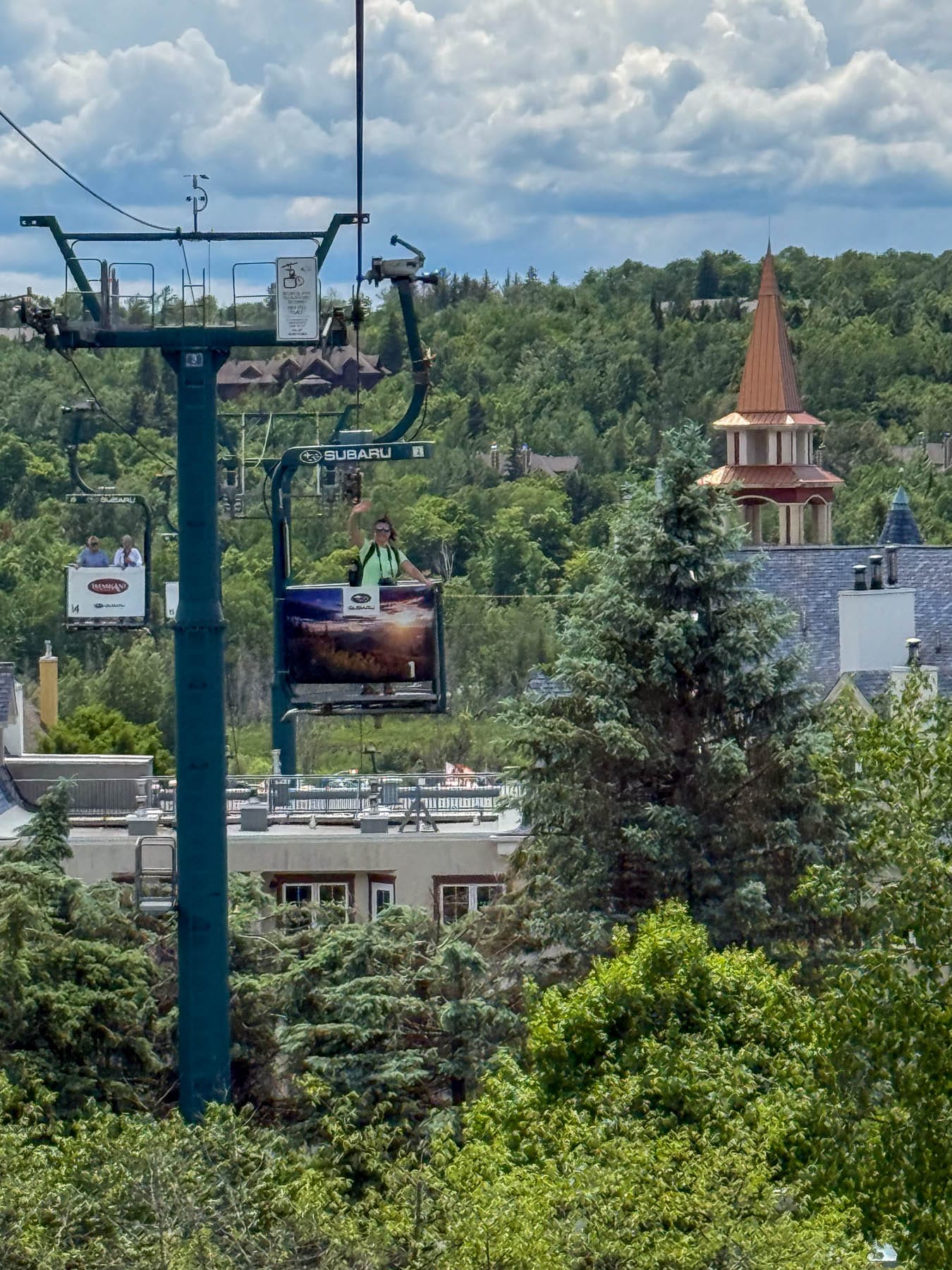
Back at village level, I discovered the Cabriolet — a free open-air lift that loops continuously through the pedestrian village, whisking you above the rooftops for a bird’s-eye view of the action below. I rode it twice, first time for the experience, second for the photos. The bright-coloured rooftops, the minigolf course, the outdoor patios and terraces, and the mountain backdrop had me capture almost 100 photos in minutes.
The architecture of Tremblant village is worth photographing from every angle: pointy roofs, vivid facade colours, large ornate windows, that European alpine town aesthetic transplanted to the Quebec mountains.
Old Tremblant
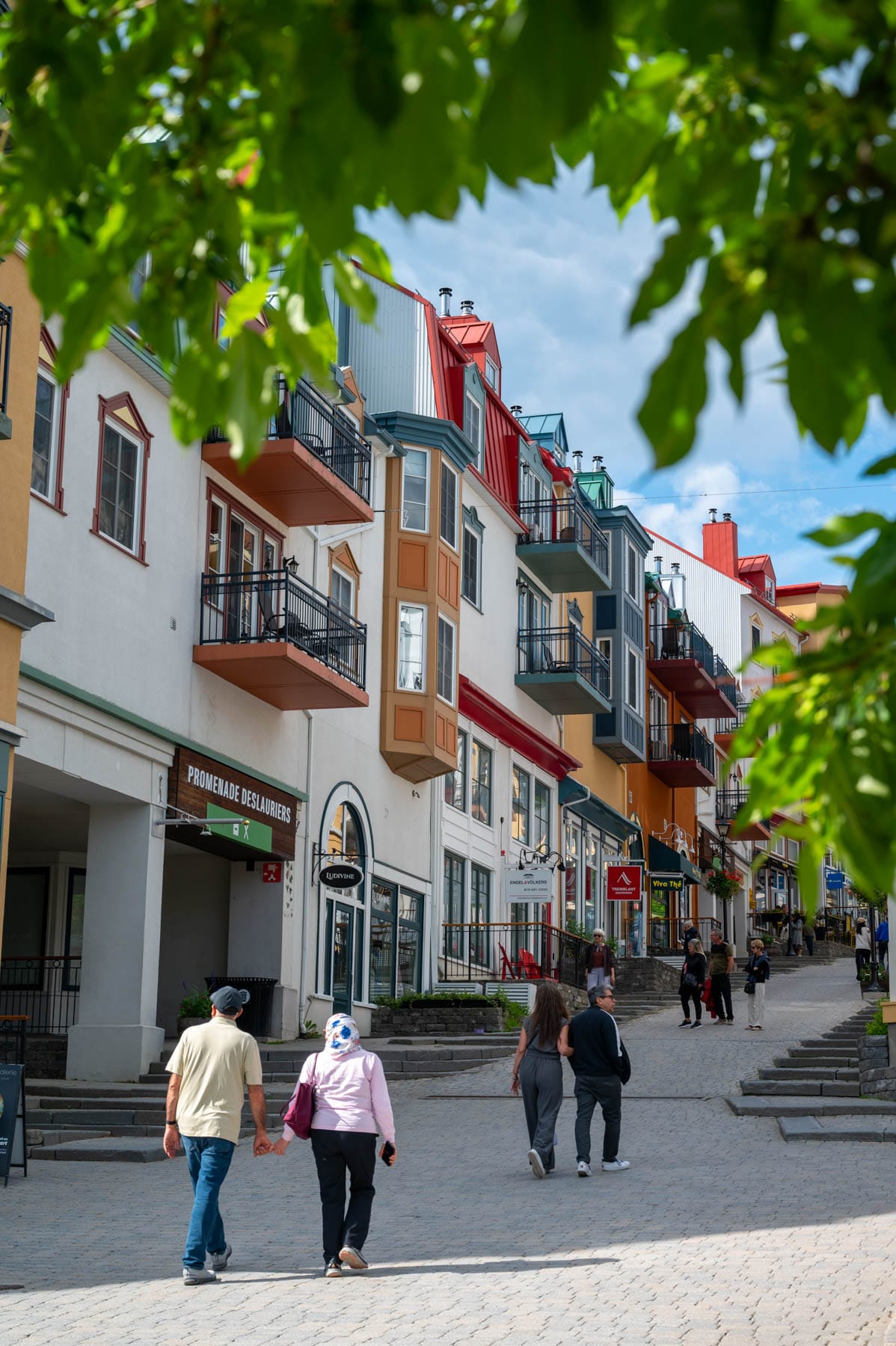
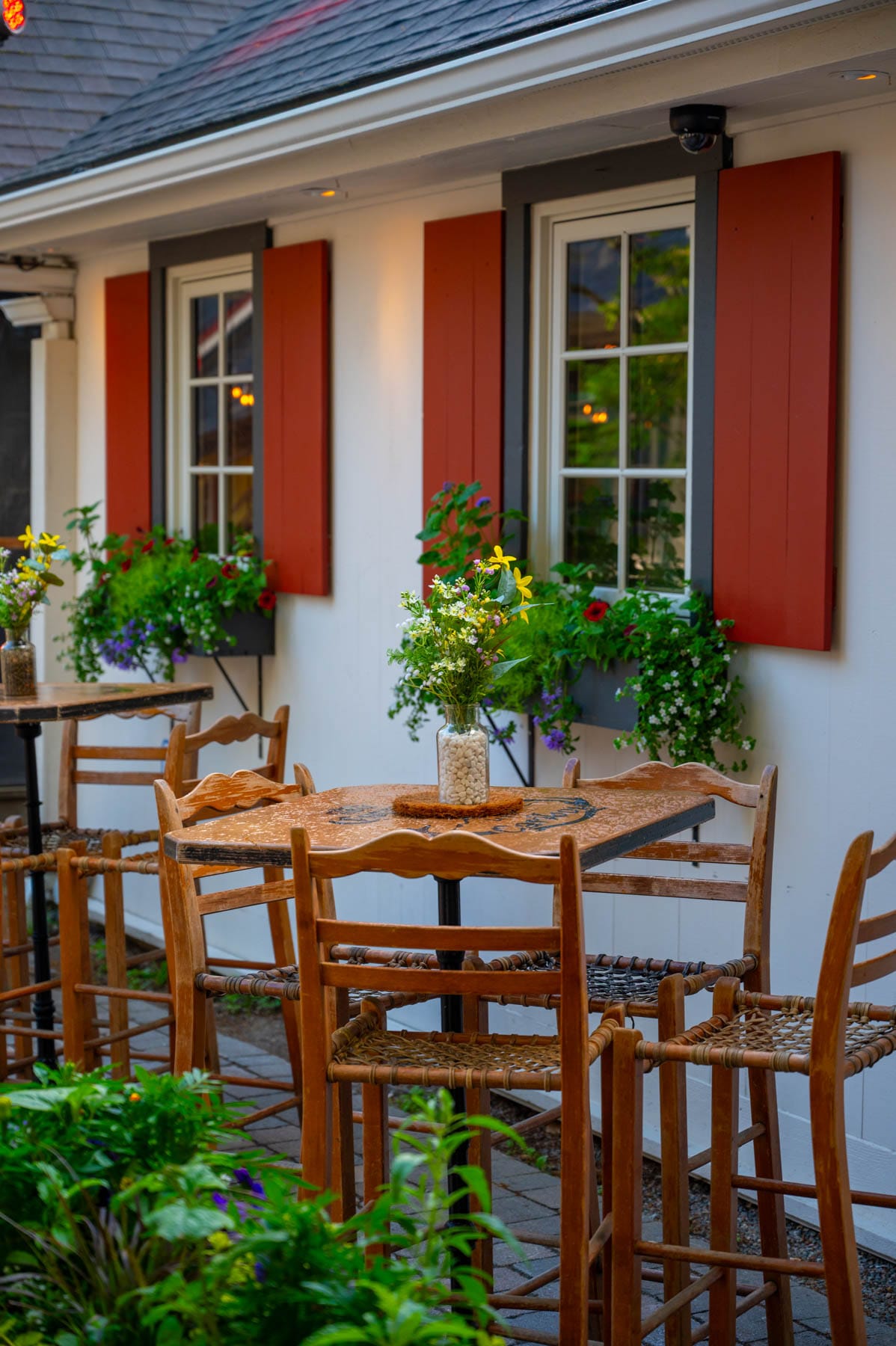
My favourite part of the village was Old Tremblant — and once you know the story behind it, it becomes even more interesting. When Intrawest and architect Eldon Beck designed Tremblant village in the early 1990s, they deliberately chose to preserve the resort’s heritage rather than build from scratch. Joe Ryan’s original 1939 ski school and his iconic log cabins — with their distinctive curved roofs modeled after traditional Laurentian farmhouses — were carefully relocated to the base of the pedestrian village.
Additional historic log structures from across the Laurentians were sourced, moved to the site, meticulously restored, and adapted for modern use. The result is a cluster of beautifully preserved heritage buildings that today house restaurants and a microbrewery, each one distinctly coloured and architecturally unique.
Walking through Old Tremblant in the evening quiet of shoulder season felt like finding something that wasn’t meant to be found. During peak season, this is where the real energy concentrates: terraces full, music from the microbrewery, locals and visitors mixing in that particular festive Quebec summer atmosphere that is unlike anywhere else in Canada.
Day 4 – Adventure Awaits in Tremblant
For our last day in the Laurentians, stack as many adventures in as possible. There is so much to explore that I only scratched the surface, but here are my top recommendations:
Biking La Villageoise-de-Mont-Tremblant
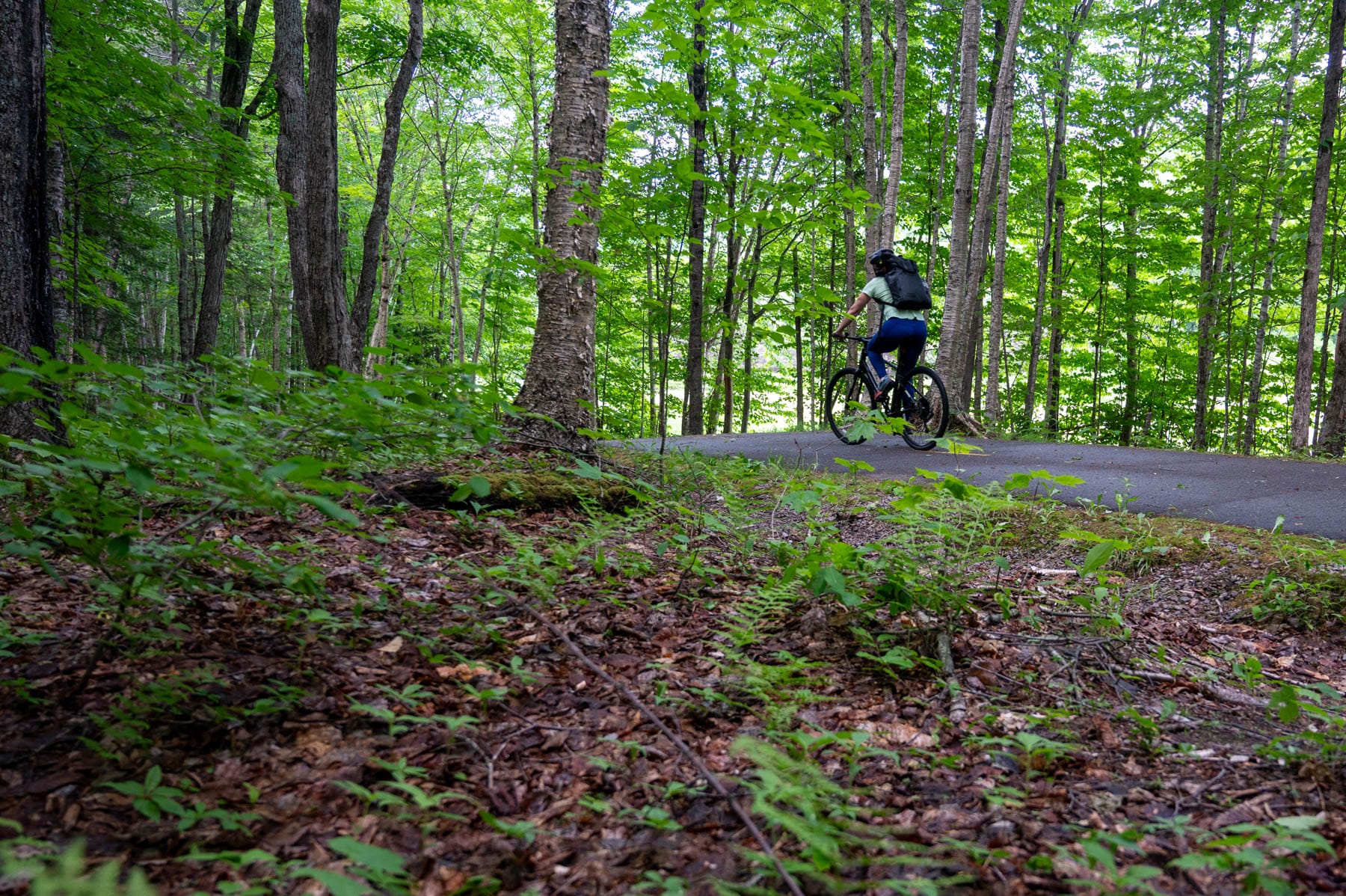
Only steps from the Residence Inn is a bike rental shop right at the entrance to Tremblant. Within minutes, I was loaded up with my new wheels and headed out La Villageoise-de-Mont-Tremblant, a paved multifunction trail that eventually connects with the P’tit Train du Nord trail — a converted railway corridor that stretches roughly 200 kilometers through the Laurentians, passing through small villages that grew up around former train stations.
I rode approximately 25 minutes out to Lac Mercier, where the rail trail runs alongside the lake itself. The combination of the flat, shaded trail and the lake appearing through the trees beside me was exactly the kind of soft adventure that biking delivers better than any other mode of travel.
At Lac Mercier, I stopped at the old train station — picture-perfect for photos — and explored the lake edges. During peak season, the old village of Mont-Tremblant would be fully open with lakeside restaurants and patios. I’d been there about two hours total when I turned back, and I already wanted more time.
👉 Photographer’s Tip: The Lac Mercier train station is a beautiful heritage structure and makes for an excellent photo stop. Visit in golden hour for the best light on the lake.
Paddleboarding on Lac Tremblant
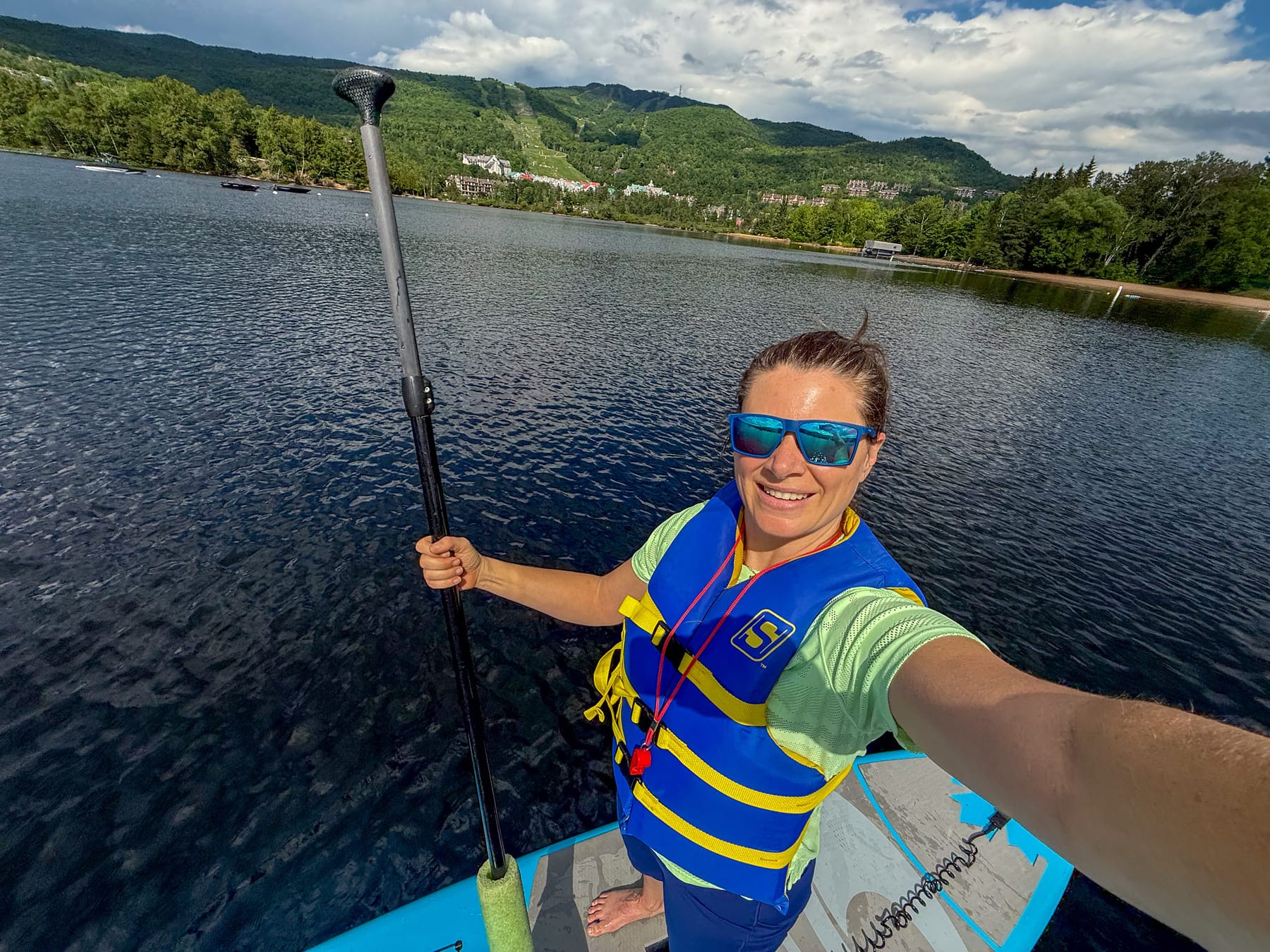
Whether you ride your bike to Lac Tremblant or take a separate side adventure, a paddleboard out on the water is another “must do.” I chose to paddleboard, but they also had kayaks available should you prefer to sit.
This was a very different experience from the Riviere du Diable at Farouche. Where the river was solitary and untouched, Lac Tremblant is a full summer lake scene: sandy beaches, boats, kayaks, and families. Even in shoulder season, the lake was dotted with watercraft. Board rentals are available right at the beach, and the paddle takes you out in front of the village with the mountain rising behind it — the postcard shot of Tremblant, and you’re in it.
In peak season, this place would be absolutely alive — families building sand castles, water skiers, boats mooring for lunch, the whole beloved chaos of a Canadian summer lake.
Things to Do in Tremblant Village
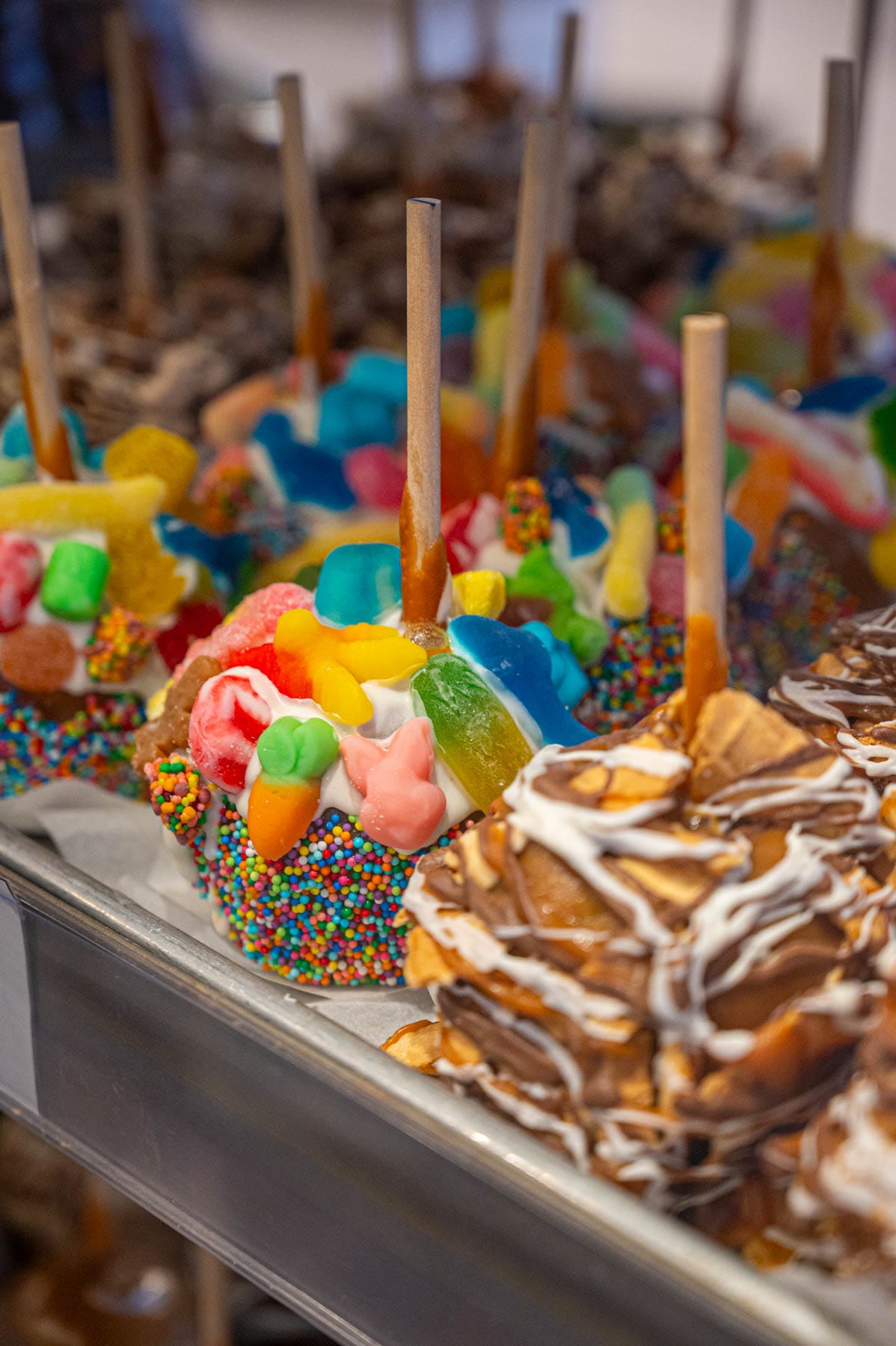
Beyond what I personally experienced, Tremblant has a full roster of summer activities that could easily fill another two days:
- Minigolf: The Tremblant minigolf course is modeled after the championship golf course on-site — an entertaining, family-friendly version of the full course, located right in the heart of the village.
- Go-kart racing: There’s an electric go-kart track for racing fans of all ages just a 10-minute drive from Tremblant resort. (It was closed when I was there, otherwise I’d have 1000% gone!)
- Ziptrek: Aerial zipline courses through the forest above the village, with multiple lines and difficulty levels.
- Jump zone: A high-rope bungee jump experience for thrill seekers.
- Hiking: Marked trails accessible directly from the summit gondola, ranging from leisurely to technical.
- Golf: Two championship golf courses on-site for those who want to combine mountain scenery with their game.
Where to Eat in Tremblant – Resto-Bar Le Shack
After a full day of gondola, Cabriolet, biking, and paddleboarding, I needed food that matched the energy of the day — and Resto-Bar Le Shack delivered. Located in the center of the pedestrian village, Le Shack is exactly what Tremblant needs: unpretentious, hearty, family-friendly, and genuinely good. I had the brisket sandwich with a chef’s salad. The big portions and delicious meal were the perfect way to end the day.
The vibe is exactly what you’d want after a big activity day — lively but not overwhelming, with a patio that opens out onto the village foot traffic. For families visiting Tremblant, this is a reliable dinner spot that checks every box without requiring a reservation in advance.
👉 Plan Your Visit: Resto-Bar Le Shack is located in the Tremblant pedestrian village. Regular menu pricing. Family-friendly. Central location means you can walk straight from dinner into evening village strolling.
Practical Information for Planning Your Laurentians Road Trip
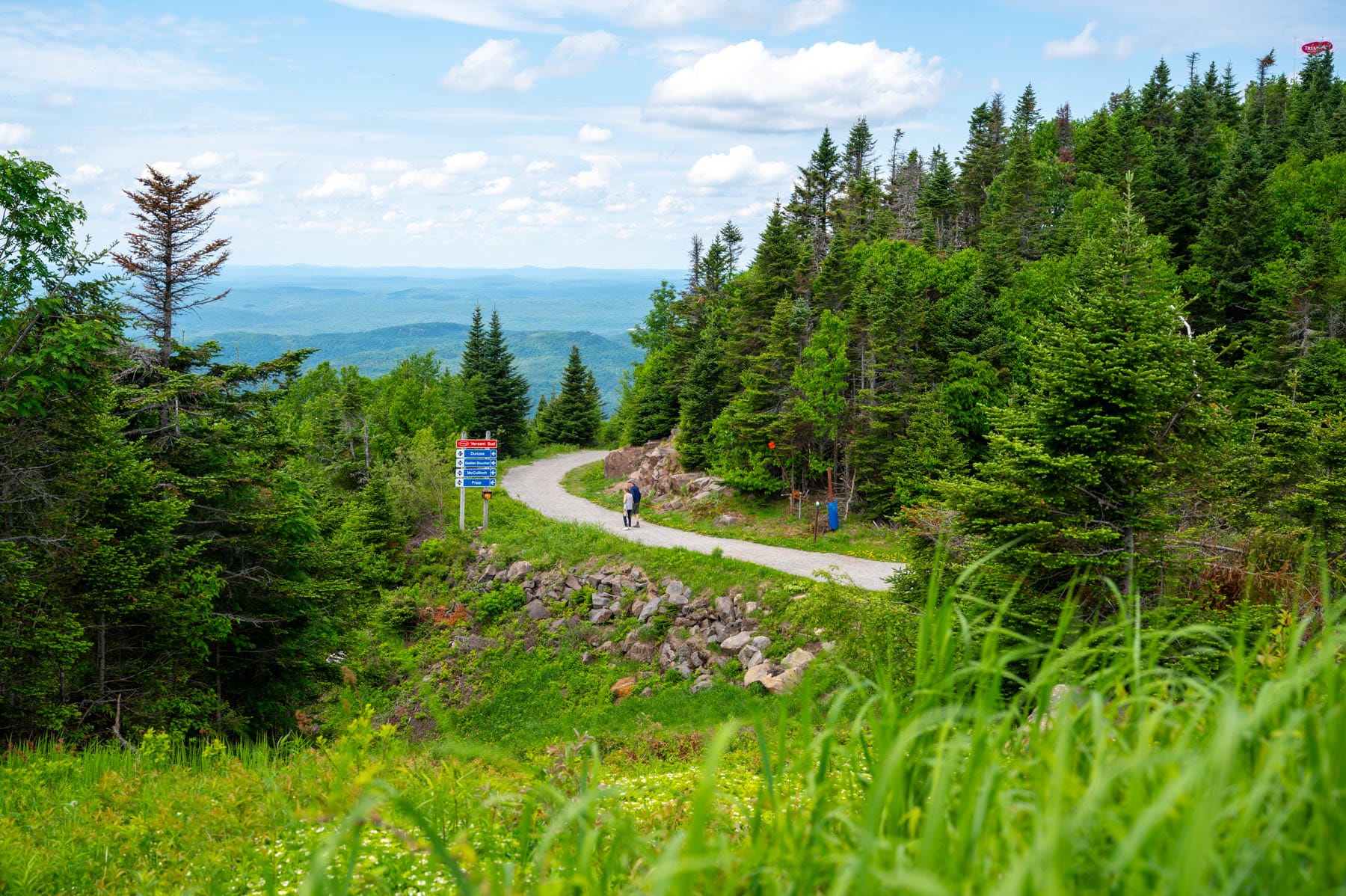
Minimum four days, four nights. This gives you time for the Sentier des Cimes and a helicopter on arrival day, two nights at Farouche with a full day in Mont-Tremblant National Park, and a day in Tremblant village with the gondola and activities. If you want to add canoeing on the Riviere du Diable, biking further on the P’tit Train du Nord, or booking wellness treatments at Farouche, extend to four or five days. The Laurentians reward extra time.
June through August is the peak summer season with full activity programming and warm temperatures. June is shoulder season — quieter, with some businesses still opening for the season. July and August bring full summer energy, especially at Tremblant village and on Lac Tremblant. September offers cooler temperatures and the beginning of the Laurentian fall colour season, which builds through late September to mid-October.
Families with children of all ages — there is genuinely something for every level of energy and mobility. Weekend warriors escaping Montreal, Ottawa, or Quebec City who want to get into the mountains fast. Adventure seekers who want to pack hiking, paddling, biking, and aerial adventures into a single trip. Wellness travellers looking for a nature-immersive reset (Farouche, in particular, is built for this). Solo travellers who want to go at their own pace in a destination that accommodates both the active and the contemplative.
The Laurentians in summer require layers. Base layer, mid-layer fleece, and a waterproof outer shell — weather can shift quickly even on sunny days. Sweat-wicking active clothing for hiking and biking. Good hiking shoes or trail runners. A hat with neck coverage. A buff or neck gaiter for mosquito protection.
Mosquitoes are a reality in June and July, particularly in forested areas and near the water. Pack repellent spray. Wear long sleeves and long pants for evening campfire sessions and early morning hikes. Mosquito-repellent clothing (available from brands like Mark’s Work Warehouse) is worth considering for multi-day trips. Coil repellents at the campfire help.
Sunscreen. Sunglasses. A reusable water bottle. For families, a portable battery pack for trail days.
A car is essential for reaching most of the Laurentians’ highlights. Within Tremblant village, everything is walkable or accessible via the free Cabriolet. The Marriott Residence Inn’s central location means you can park the car for your entire village stay and not touch it again until departure.
The Laurentians Are Waiting for You
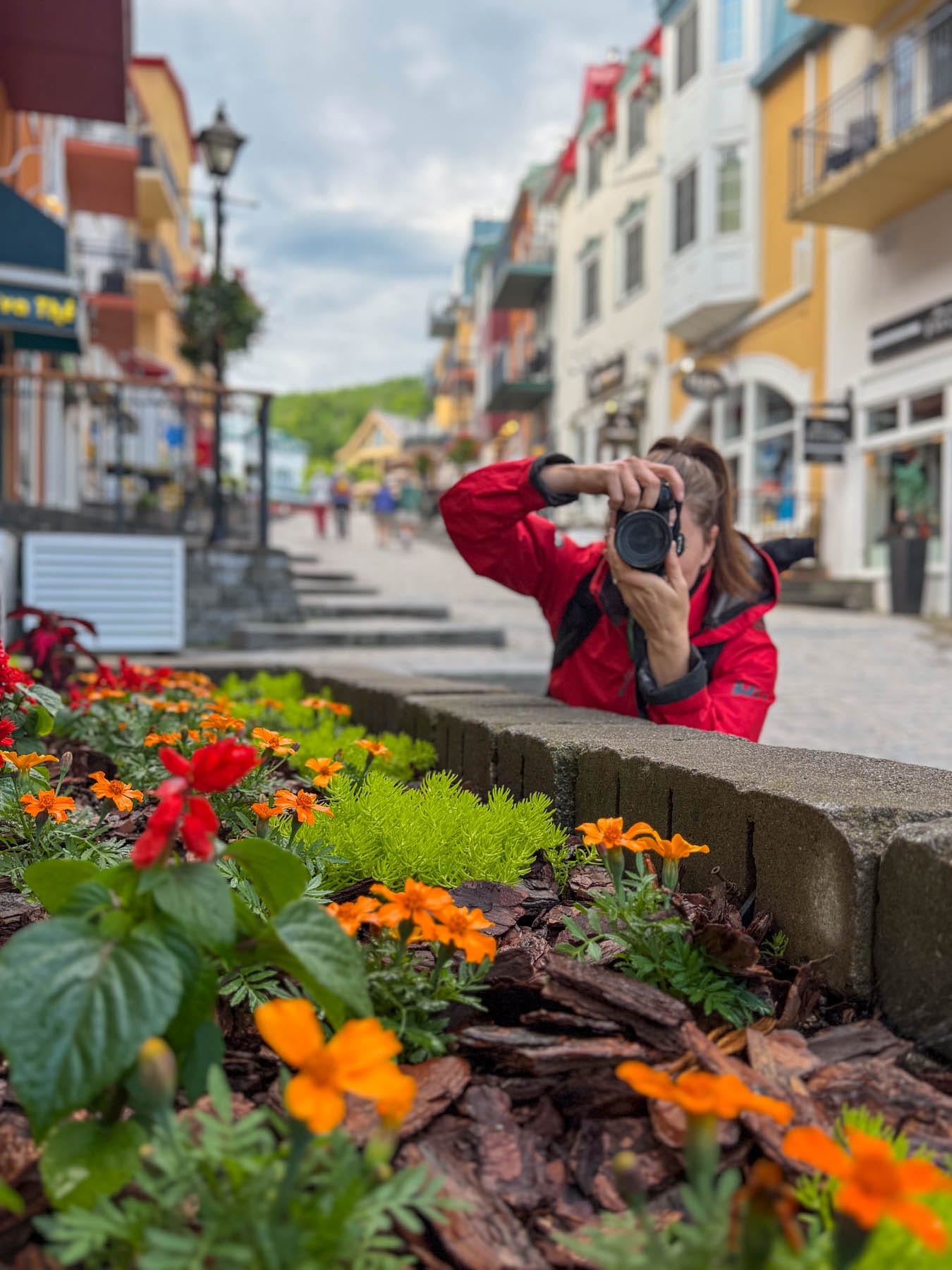
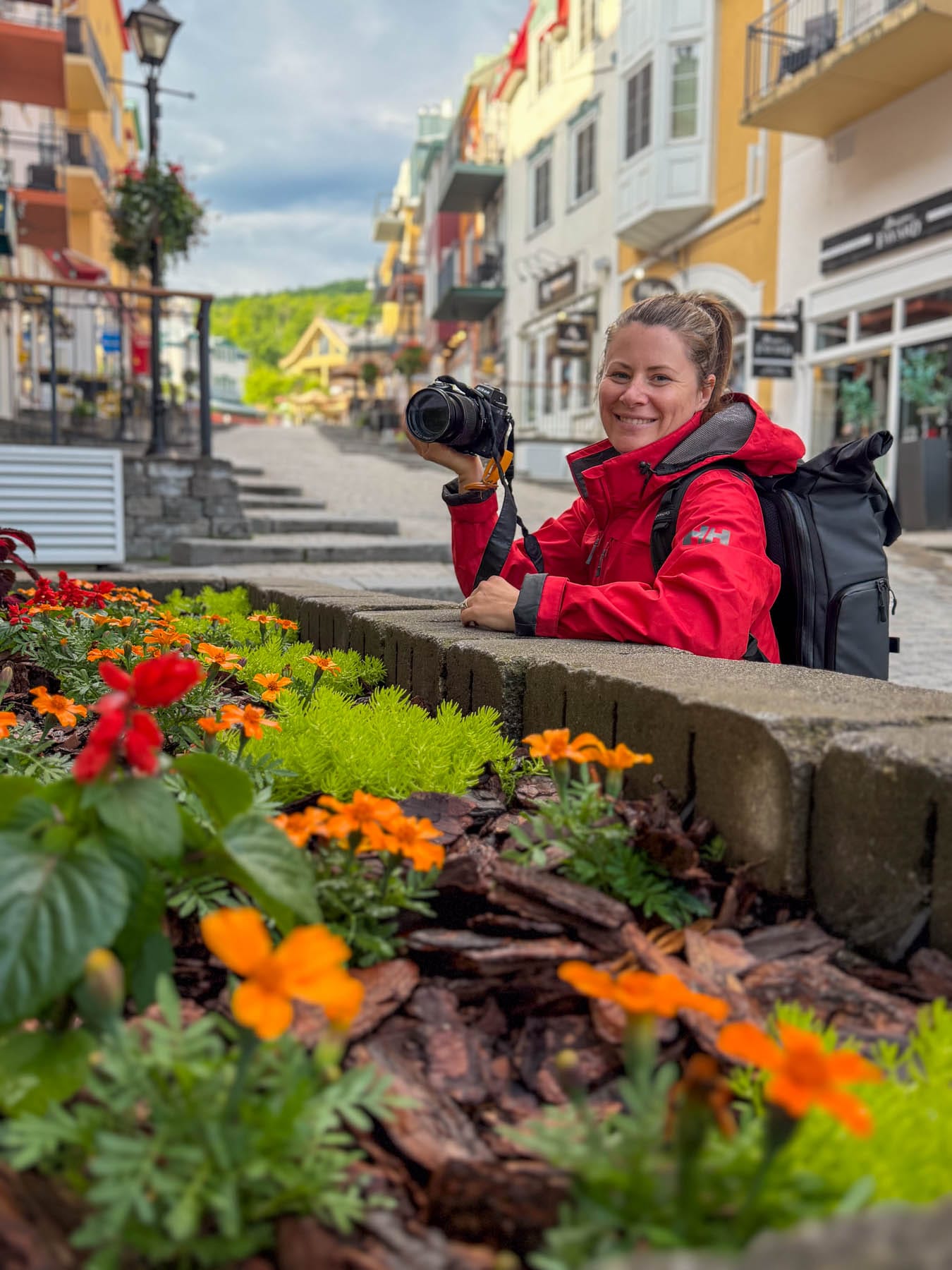
I left the Laurentians with tired legs, a camera roll full of photographs, and a feeling I was not entirely expecting: the quiet, powerful satisfaction of having spent real time in a place that was genuinely wild. Not curated-wild. Not Instagram-wild. Just wild.
The Laurentians meet you at the intersection of uninterrupted wilderness and world-class adventure — and then they let you decide what that means for you. Whether it means an hour at the top of the Sentier des Cimes tower at golden hour with the whole Boreal forest stretching below you, or two nights falling asleep to frogs and owls on a Nordic farm, or a sunset paddleboard on a lake with a mountain rising behind you, this region makes room for all of it.
Plan your trip. The adventure is waiting.
This experience was made possible thanks to Tourism Laurentians. As always, all opinions, stories, and recommendations are 100% my own.