

Are you searching for the best Abitibi-Témiscamingue road trip itinerary? You’re in exactly the right place.
For years, Abitibi-Témiscamingue barely showed up on most travellers’ radar — overshadowed by the Laurentians to the south and the bigger-name parks further east. What nobody told me is that five hours north of Tremblant, deep in Quebec’s boreal forest, is a region built almost entirely out of water: 22,000 lakes, sweeping wildlife rehabilitation centres, suspension bridges over billion-year-old rock, and a culture shaped by Anicinabek history that runs far deeper than any single stop on a map.
I spent four days road-tripping through the region in June 2026, hosted by Tourisme Abitibi-Témiscamingue, and I’ll be honest: it rearranged my expectations of what a Quebec road trip could be.
I drove in expecting quiet scenery and a couple of nice hikes. What I got was the biggest glamping dome I’ve ever slept in, a face-to-face encounter with a black bear who’d never survive the wild, a floating cabin reachable only by ATV and forest trail, the hardest and most rewarding hike of my year, and a powwow that landed, by pure chance, on National Indigenous Peoples Day.
Whether you’re a solo traveller craving real wilderness, a couple looking for something off the beaten path, or a family chasing wildlife encounters and lake life, Abitibi-Témiscamingue delivers something most of Quebec’s bigger-name destinations can’t: space, quiet, and the feeling that you’re somewhere genuinely undiscovered. Here’s everything you need to know to plan your trip.
Quick Trip Overview
| Region: | Abitibi-Témiscamingue, Quebec |
| Distance from Tremblant: | ~5 hours |
| Distance from Montréal: | ~8 hours |
| Best time to visit: | June–September |
| Trip length: | 4 days minimum |
| Getting around: | Car required |
Day 1 — Val-d’Or: Slow Adventures & Sleeping Under the Stars
The Drive North
Abitibi-Témiscamingue is located north of major Ontario and Quebec cities, bordering Ontario on the west. It’s about 7 hours from Montreal, Toronto, and Ottawa, and 2.5 to 3 hours from North Bay, Ontario.
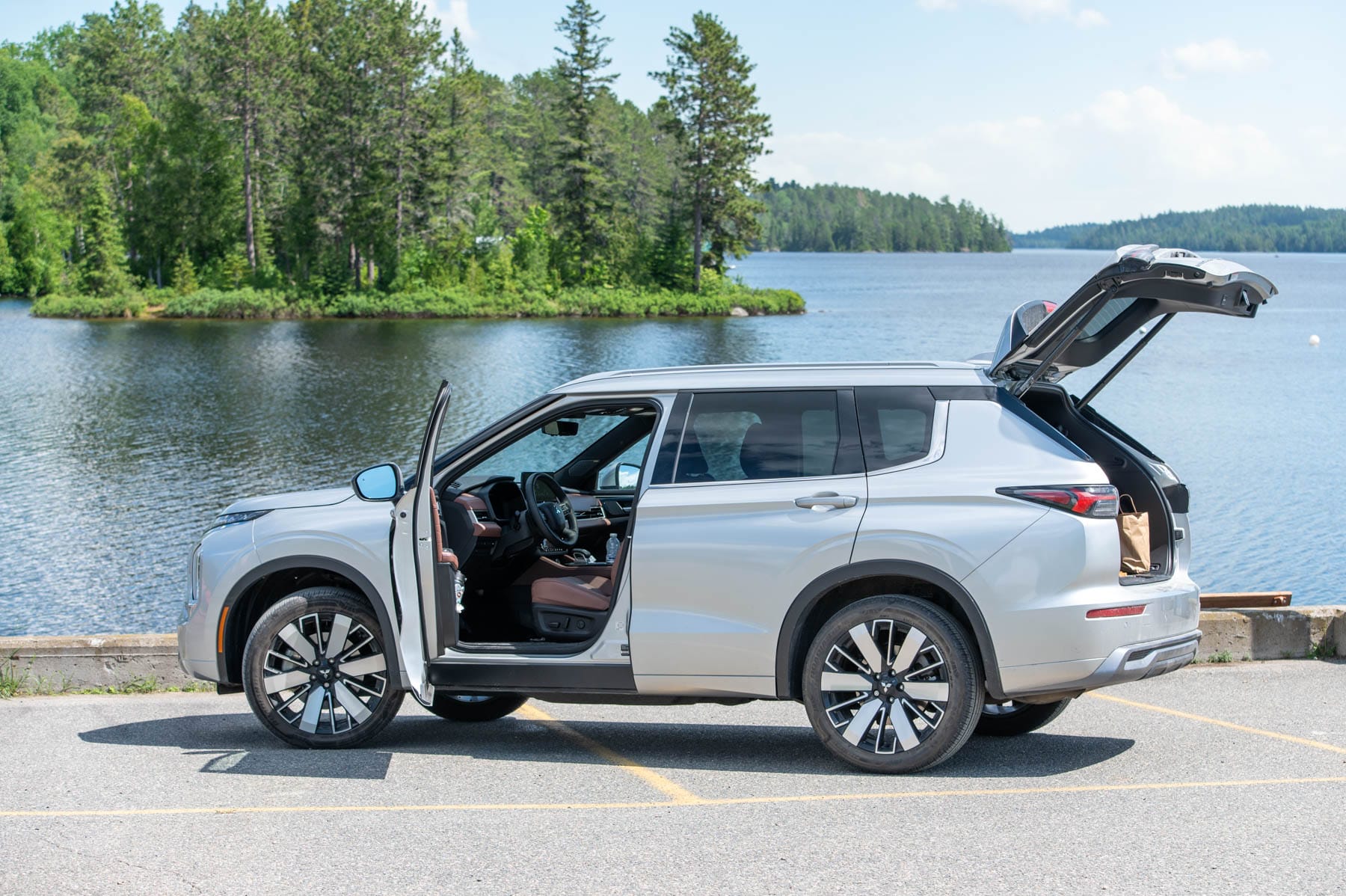
Getting to the region is the first part of the epic adventure. Quiet country roads meander through lakes and forested fields, making for the perfect backdrop for your road trip. Take your time and stop along the way — at provincial or national parks, small-town diners and coffee shops, or a beach for a paddle.
While I drove through a deluge of rain on my own trip, I fell hard for the region and already know I want to come back under sunnier skies and take the long route, settling in to explore as much as possible.
👉 Practical Note: The drive into Abitibi-Témiscamingue runs through several provincial and national parks with limited cell service in stretches. Fill up on gas before leaving major centres, and download offline maps in advance.
Where to Stay in Abitibi-Témiscamingue — Station Boréale
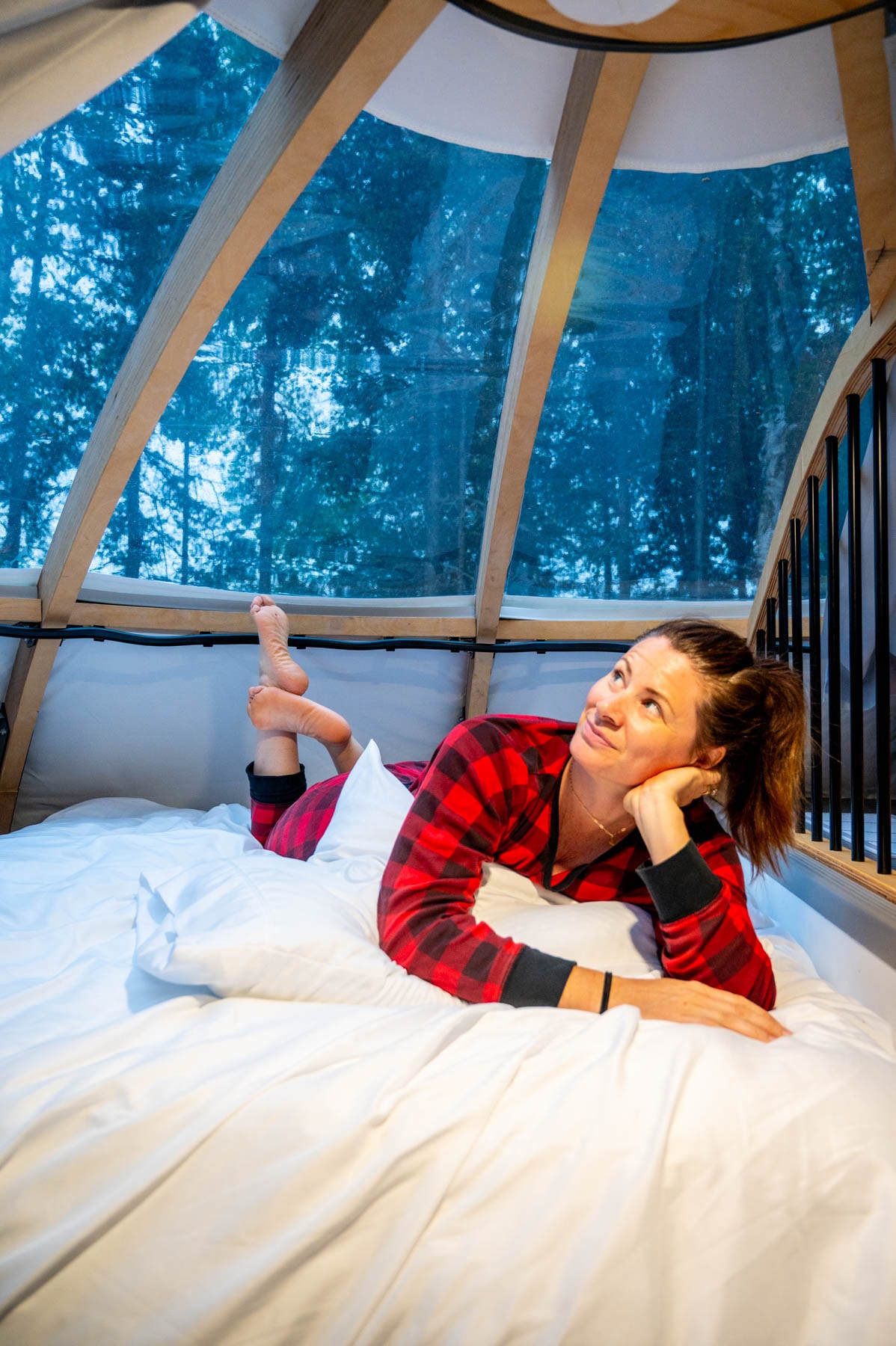
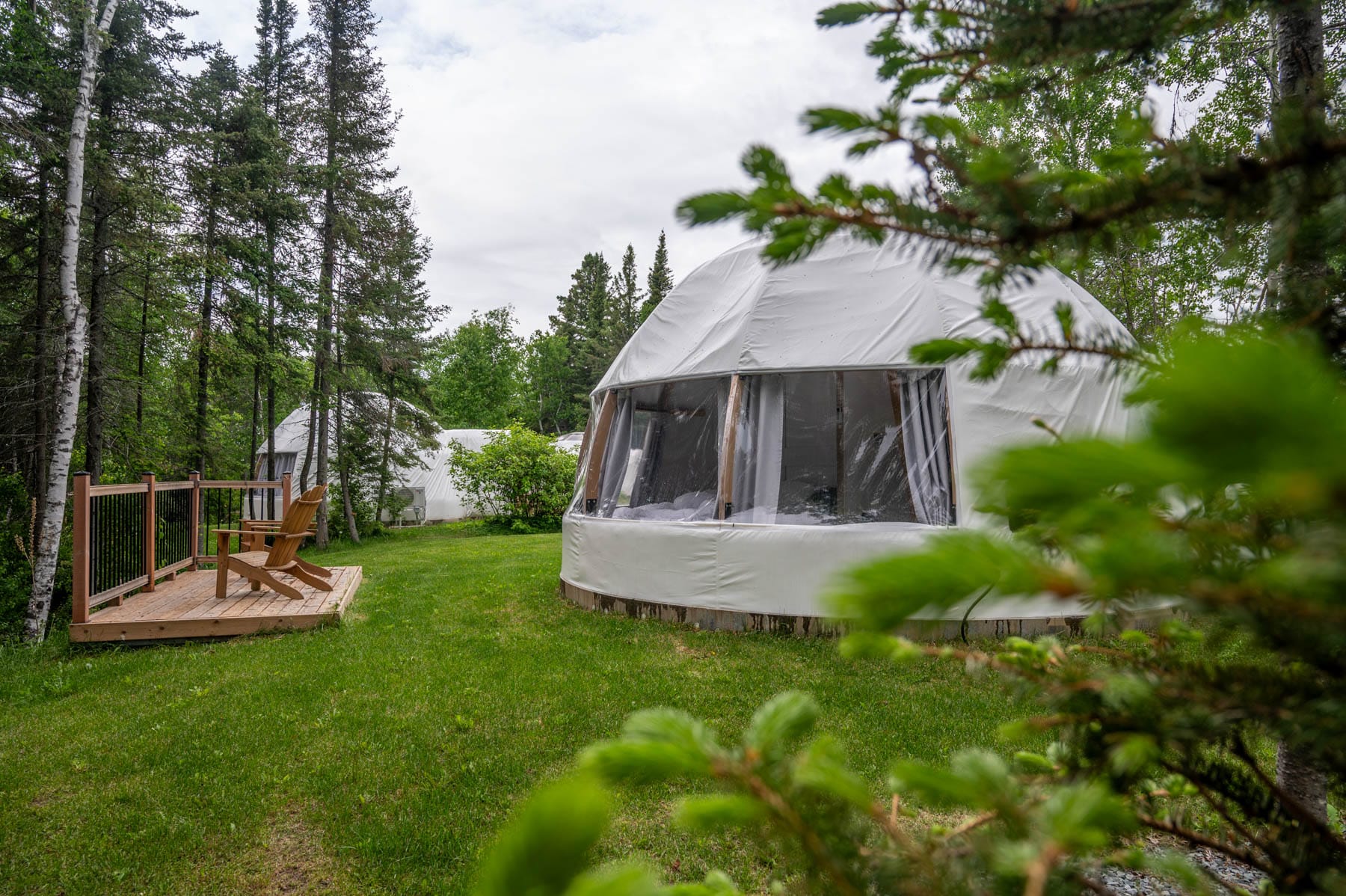
If unique accommodations are your kind of adventure, I’ve got the spot for you. Station Boréale is a huge lakefront dome that has you sleeping under the starry skies.
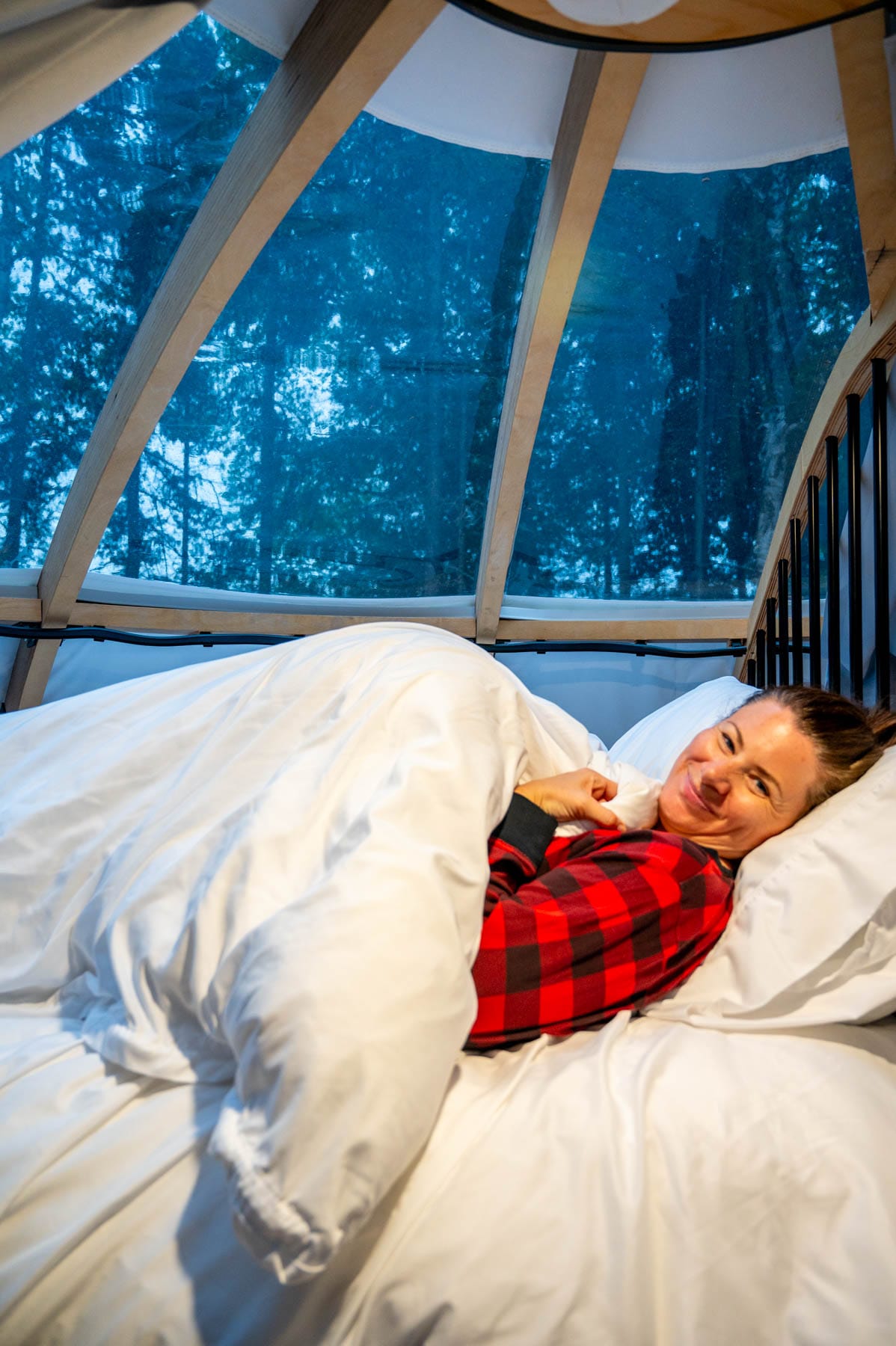
This was the biggest dome I’ve stayed in, full stop. Two stories, half see-through on the walls and ceiling, so you’re looking out at the trees the entire time you’re inside. Walking in, there’s a full bathroom with a full-size shower, then — and this genuinely surprised me — a kitchenette with a fridge, a dining table, a living room with a pull-out sofa and a desk, and a queen bed upstairs that sleeps right under the stars. This is built for families or travellers who like a lot of space. I haven’t seen a dome this size anywhere else in my travels.
Sleeping there felt like nesting into the landscape — like being an owl that could turn its head and take in the whole forest, then the lake, without ever leaving the bed. The dome’s positioning gives you real privacy too; you’re not looking into anyone else’s space, and they’re not looking into yours.
After you’re settled into your dome, head down to Siscoe Lake for a sunset paddleboard or kayak right in front of the domes.
What I didn’t expect to love most about this stop was the pace. There’s no rushing here. No packing six things into an evening. The region itself seems to insist on rest.
👉 Book Your Stay: Station Boréale is located at 472 Chemin Siscoe, Val-d’Or, Québec. Domes book up quickly in summer — reserve at stationboreale.com or call 1-888-400-9437.
Day 2 — Amos: Wild Animals, Whitewater Ripples, and a Floating Cabin
The Drive to Amos
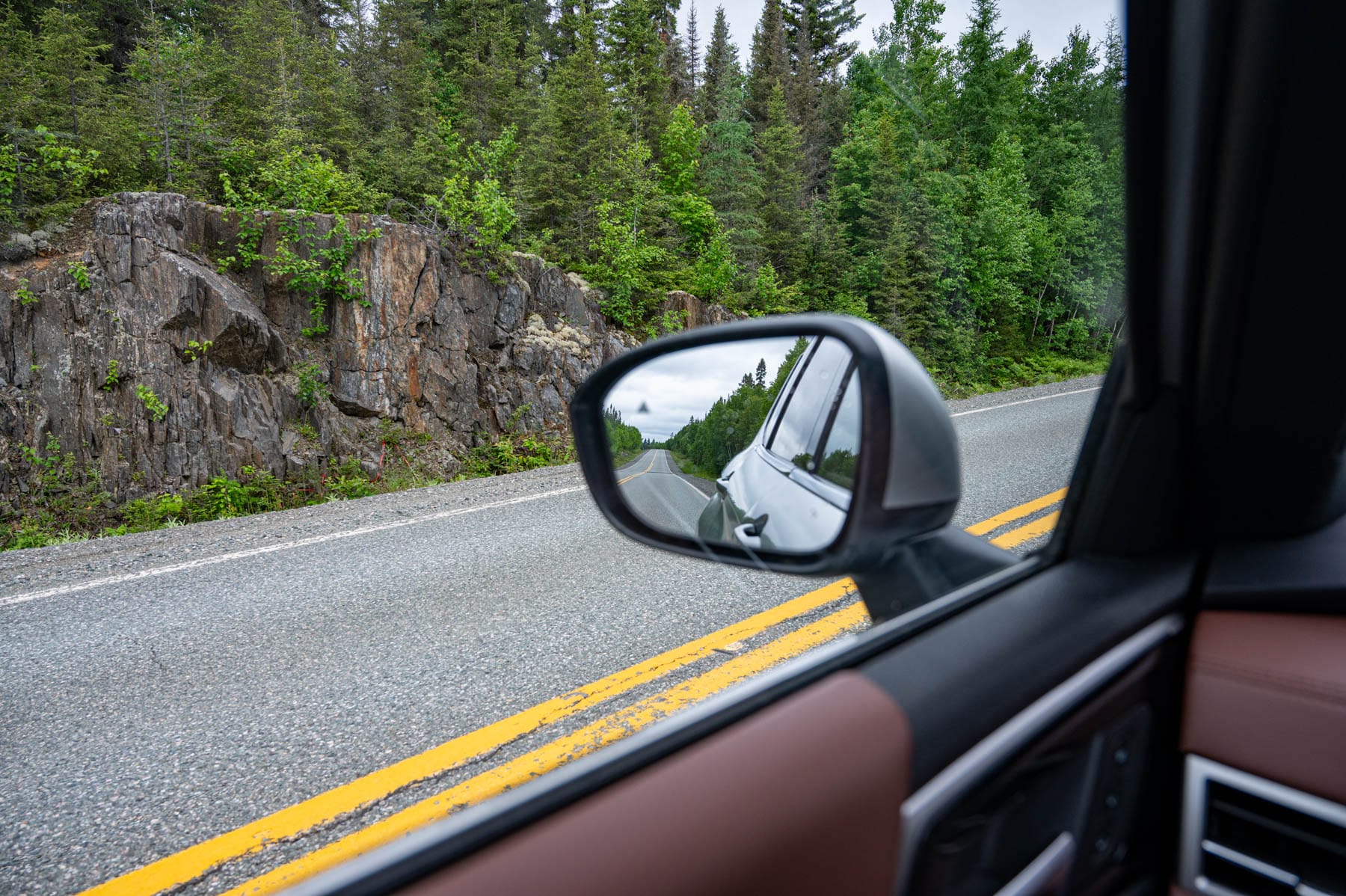
If there were a famous country song about driving backcountry Canadian roads, it would be based on the drive to Amos. Tree-lined the whole way, big open sky overhead, audiobook on — it’s the perfect recipe for a solo road trip.
First Stop: Refuge Pageau — More Than a Wildlife Sanctuary
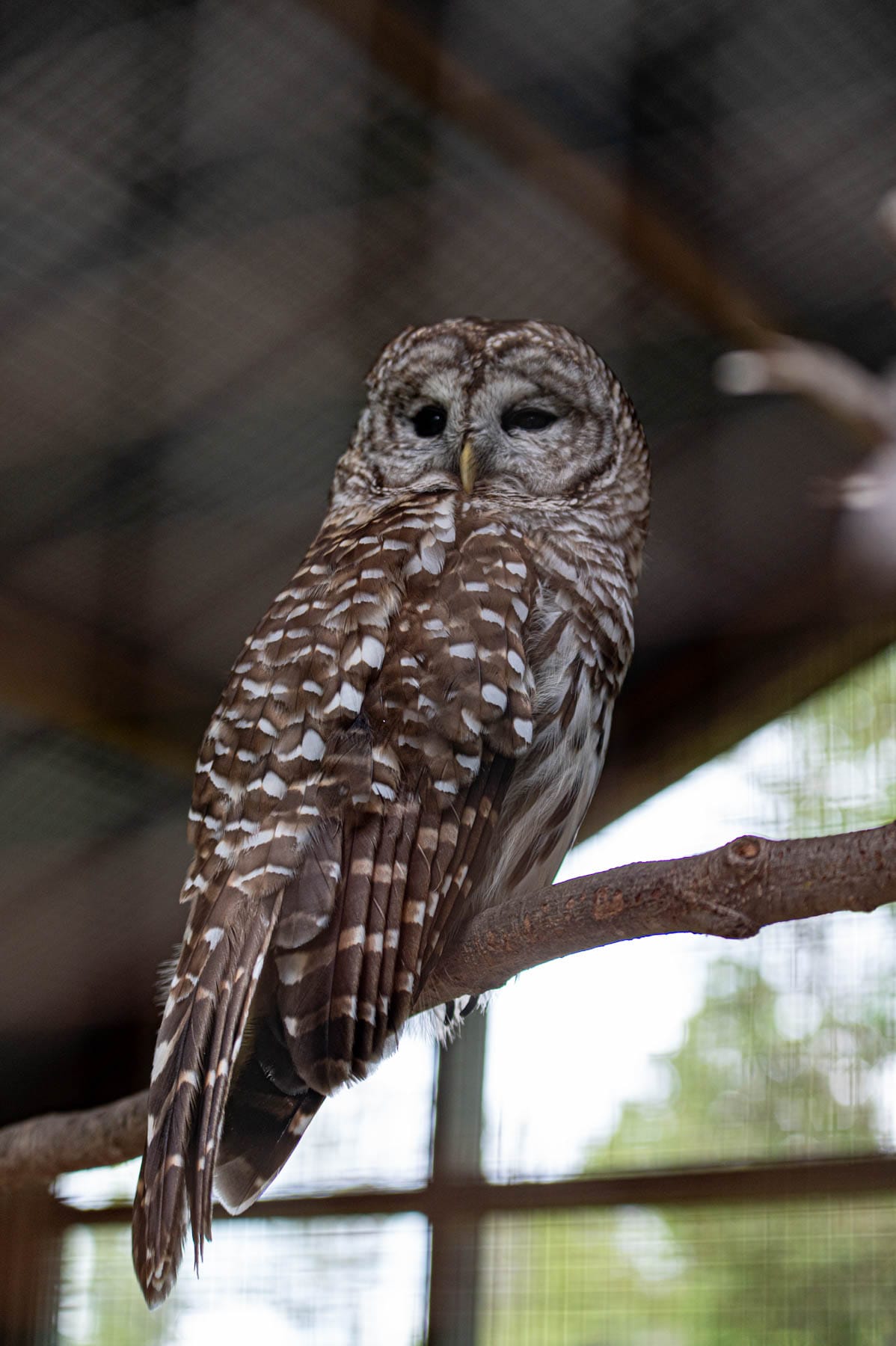
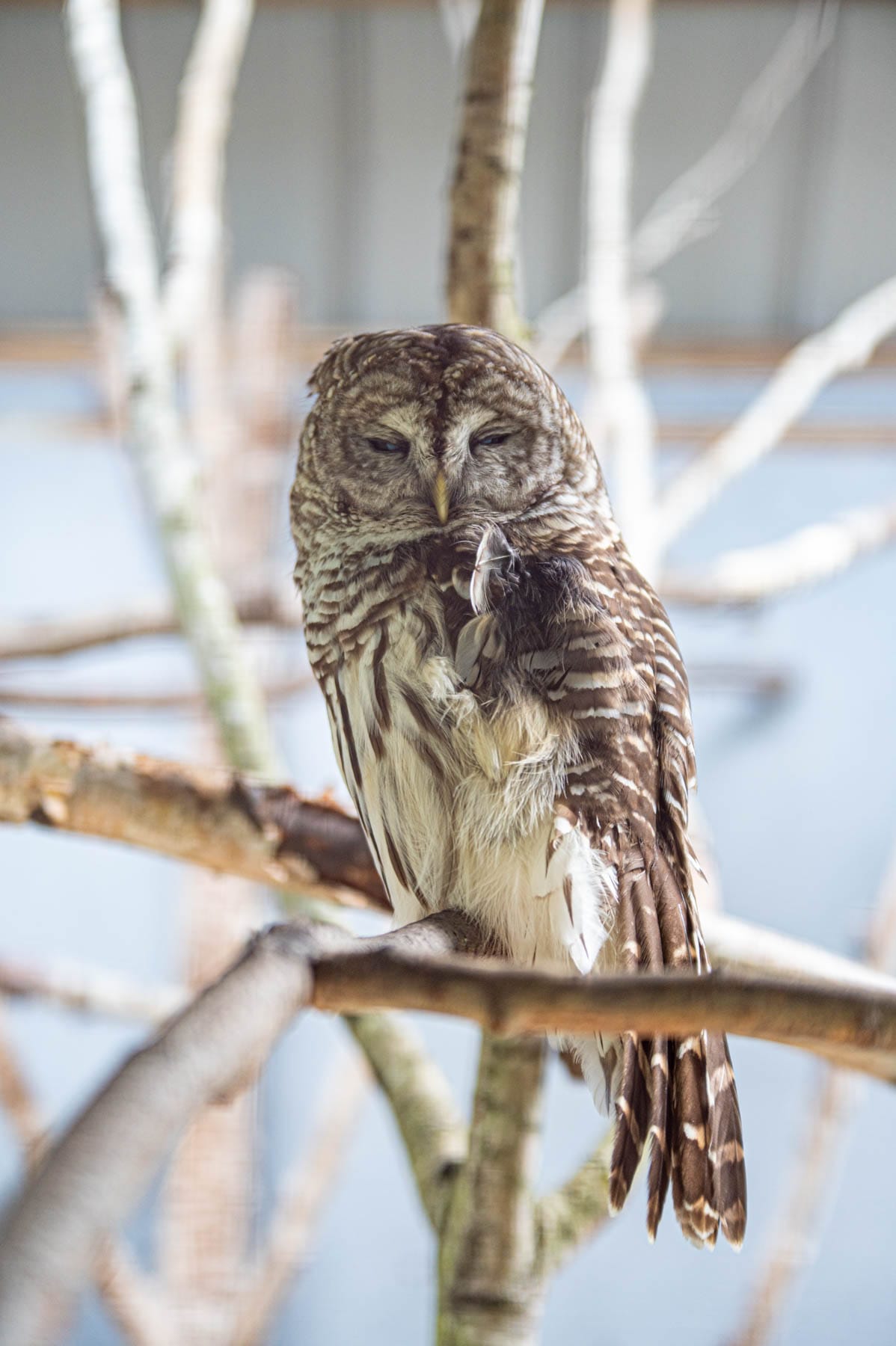
Refuge Pageau is a wildlife sanctuary based in Amos. For over 30 years, Refuge Pageau has been a working rehabilitation centre and educational facility. They provide emergency care and rehabilitation to local wildlife, whether that’s an orphaned bear, an injured fox, or an owl that’s been hit by a car.
The goal of the sanctuary is simple: get these animals healthy and back out in the wild. With a majority of their residents being temporary, they proudly rehabilitate most of their guests. However, some that have sustained major injuries or have become too connected to humans are welcomed into the facility to stay as long-term residents. Their stories are put to work teaching the next generation of hunters, hikers, and curious travellers how to coexist better with the wildlife around them.
I arrived expecting a small refuge with a couple of animals. I left having spent hours there, completely recalibrated on what this place actually is.
My guide, Mylène, met me for what turned into a deeply personal tour. Walking across the bridge into the property, a wild baby fox darted out from underneath us and bolted into the forest — a totally unplanned encounter that, in her fifteen years working there, she’d never seen happen. We hadn’t even gotten to the actual residents yet.
The animals at Refuge Pageau fall into two categories, and the refuge is upfront about both. Some are permanent residents — animals too injured or too imprinted on humans to survive release, kept here for life and used to educate visitors on conservation. Others are in active rehabilitation, in quiet zones with one-way glass and minimal human contact, on their way back to the wild.
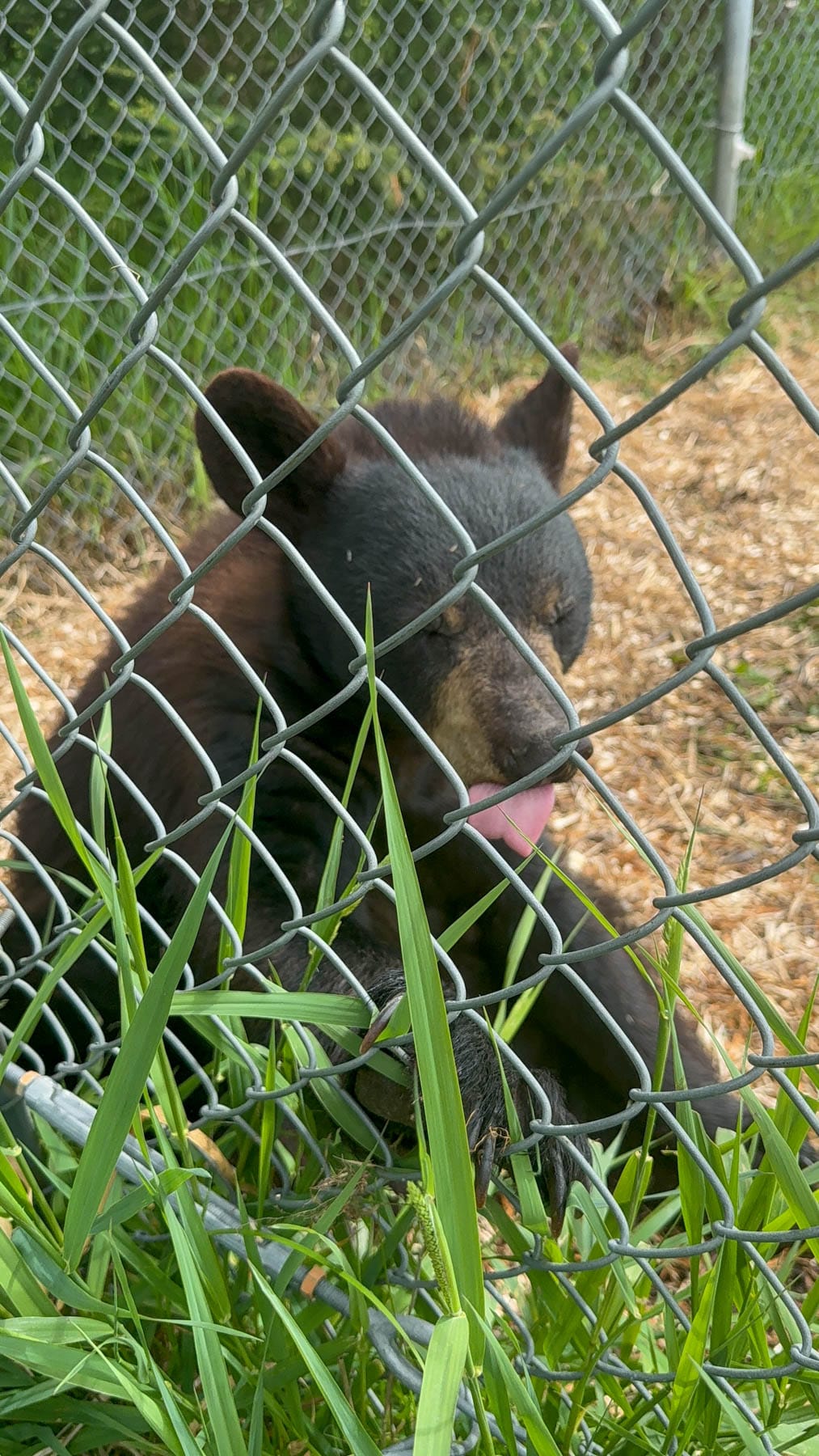
Stitch, a two-year-old black bear cub, is one of the residents. Her mother was killed by hunters; she was taken in too young by well-meaning humans and became too comfortable around people to ever be released safely. When we reached her enclosure, she came right up to the fence — within six inches of my face, practically begging for attention like a golden retriever. We chose to observe rather than touch. It’s a strange, complicated kind of heartbreak: she’s stunning and affectionate and completely unfit for the wild because of it, and her presence here is now part of how the refuge teaches hunters and families about protecting bears in the wild.
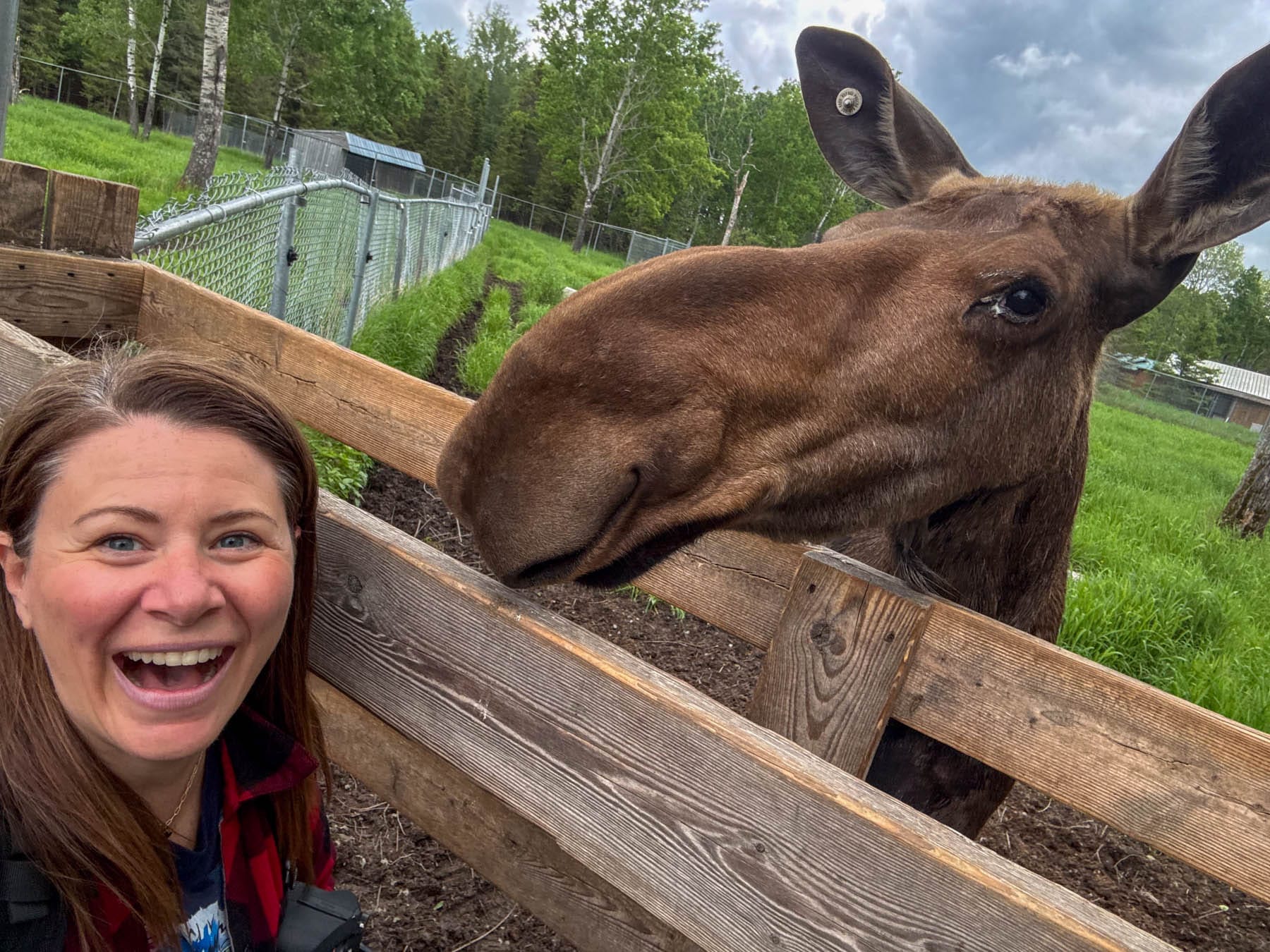
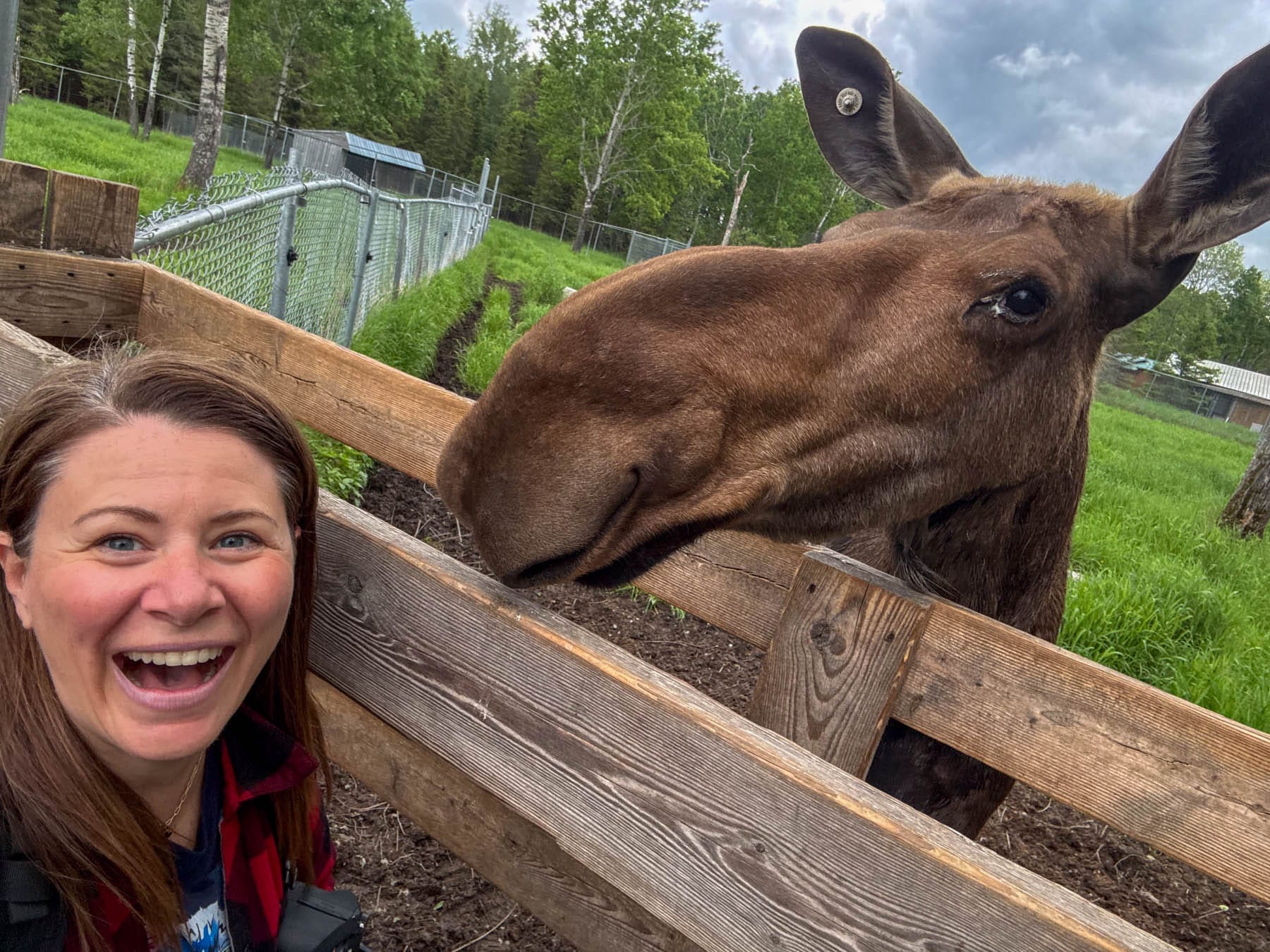
There was a moose too — also orphaned, also unreleasable — who came running over for photos like she knew the camera was coming. I got a selfie with her that’s probably my favourite photo of 2026 so far.
And then there’s Billy, a river otter, who popped his head up to say hello and then put on what can only be described as a water ballet performance in the river, just for us. A three-legged fox, an injured bird unable to fly, crows that get ear scratches from the same staff who know each animal’s full history — every stop had a story attached.
The part that mattered most, though, was the rehabilitation side. Half the clinical care spaces were empty the day I visited, and my guide explained why with clear pride: that’s the goal. A skunk was released the week before. Four raccoons before that. Three baby bears were getting ready for release that July, with conservation officers tracking populations regionally to give each animal the best shot at survival once they’re back out.
I left with a $15 secondhand flannel shirt from their gift shop — a fundraiser item, which felt like exactly the right way to support a place like this.
👉 Plan Your Visit: Refuge Pageau is located at 4241 Chemin Croteau, Amos, Québec. Guided and self-guided tours are available; plan for at least 2.5 to 3 hours. Visit refugepageau.ca for current hours, admission pricing, and tour bookings.
Lunch at Bistro Mediterraneo
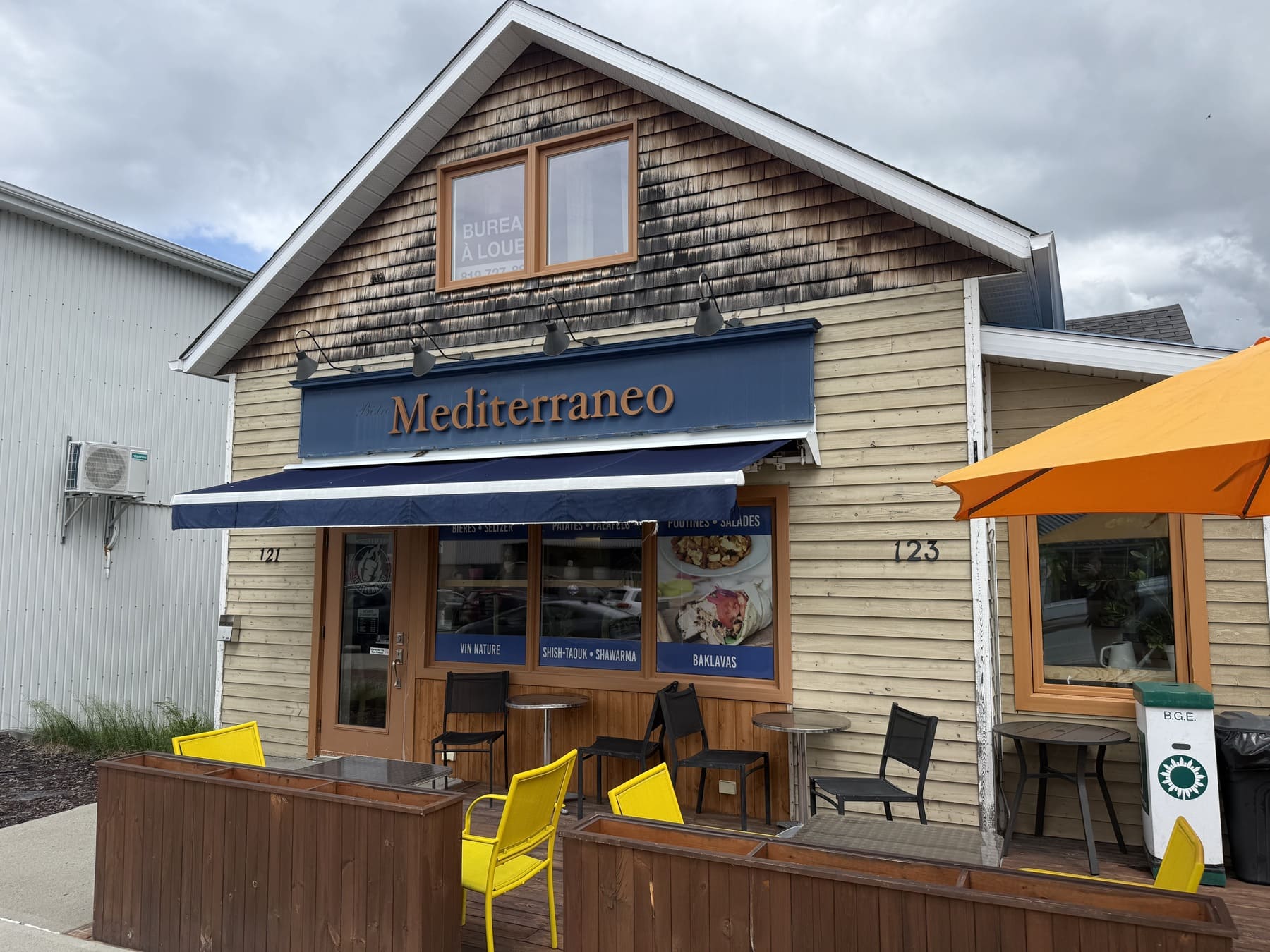
After your visit at Refuge Pageau, take a 15-minute drive into Amos for one of the locals’ favourites — Bistro Mediterraneo. I’ll admit, I was a little nervous walking in, as Amos is predominantly French-speaking, and with only a few French words in my repertoire, I was worried about navigating the menu.
And then there was no menu. Of course! I looked around and could see a host of regulars who all knew how the system worked. One kind stranger behind me helped me learn the ordering process, each of us fumbling through our best and broken French and English.
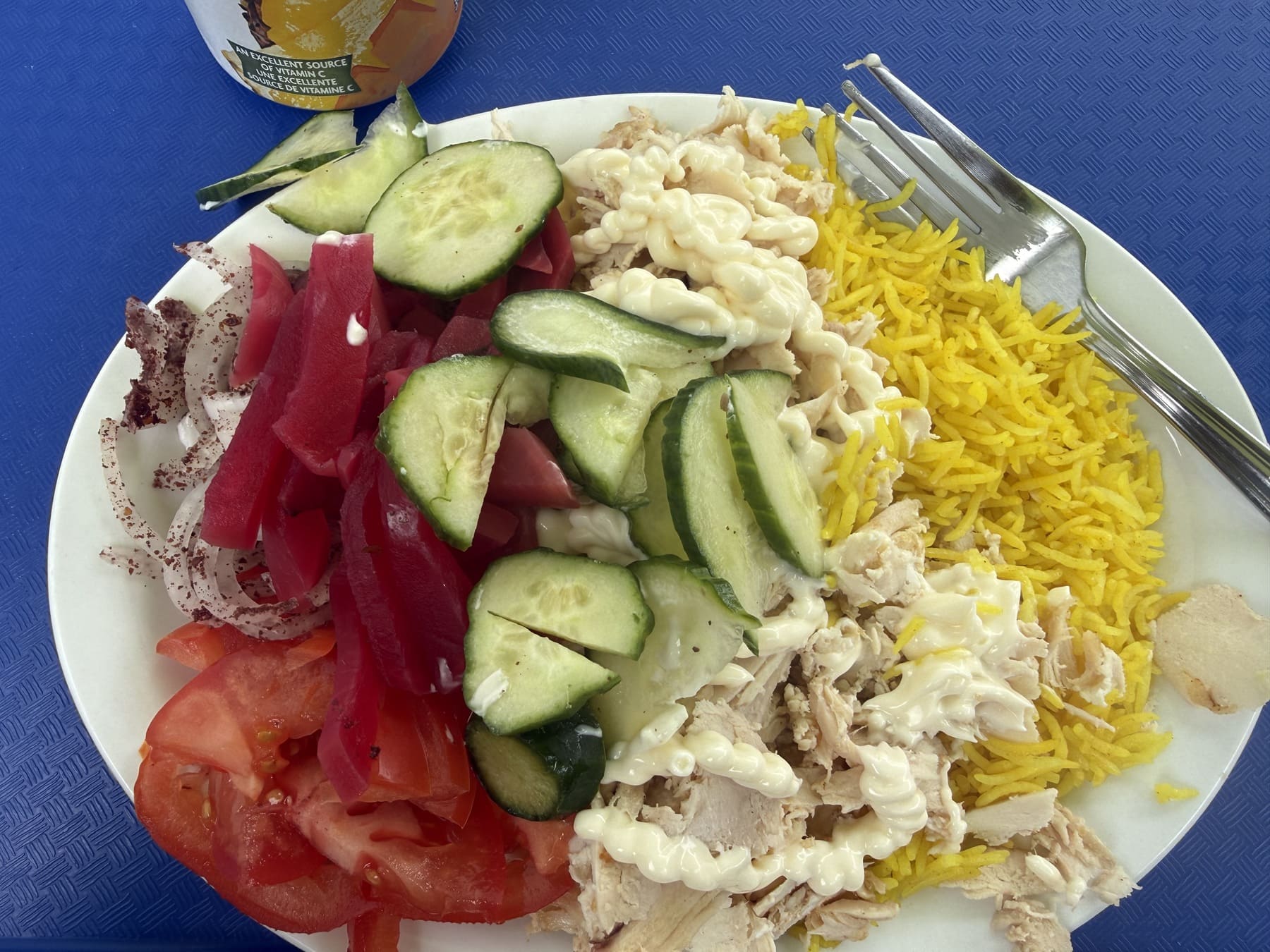
In the end, I was able to order rotisserie-style chicken shaved off the spit, rice, cucumber, and vegetables — and it was delicious! The meal was fantastic, and worth all the funny, generous moments you only get when you put yourself in an unfamiliar spot in a new destination.
👉 Plan Your Visit: Bistro Mediterraneo is located in downtown Amos. No menu posted — don’t let that stop you; staff and fellow diners are happy to help. Lunch and dinner service available. Website: https://www.resto-mediterraneo.ca/
Kayaking with Amélie M-Kayak
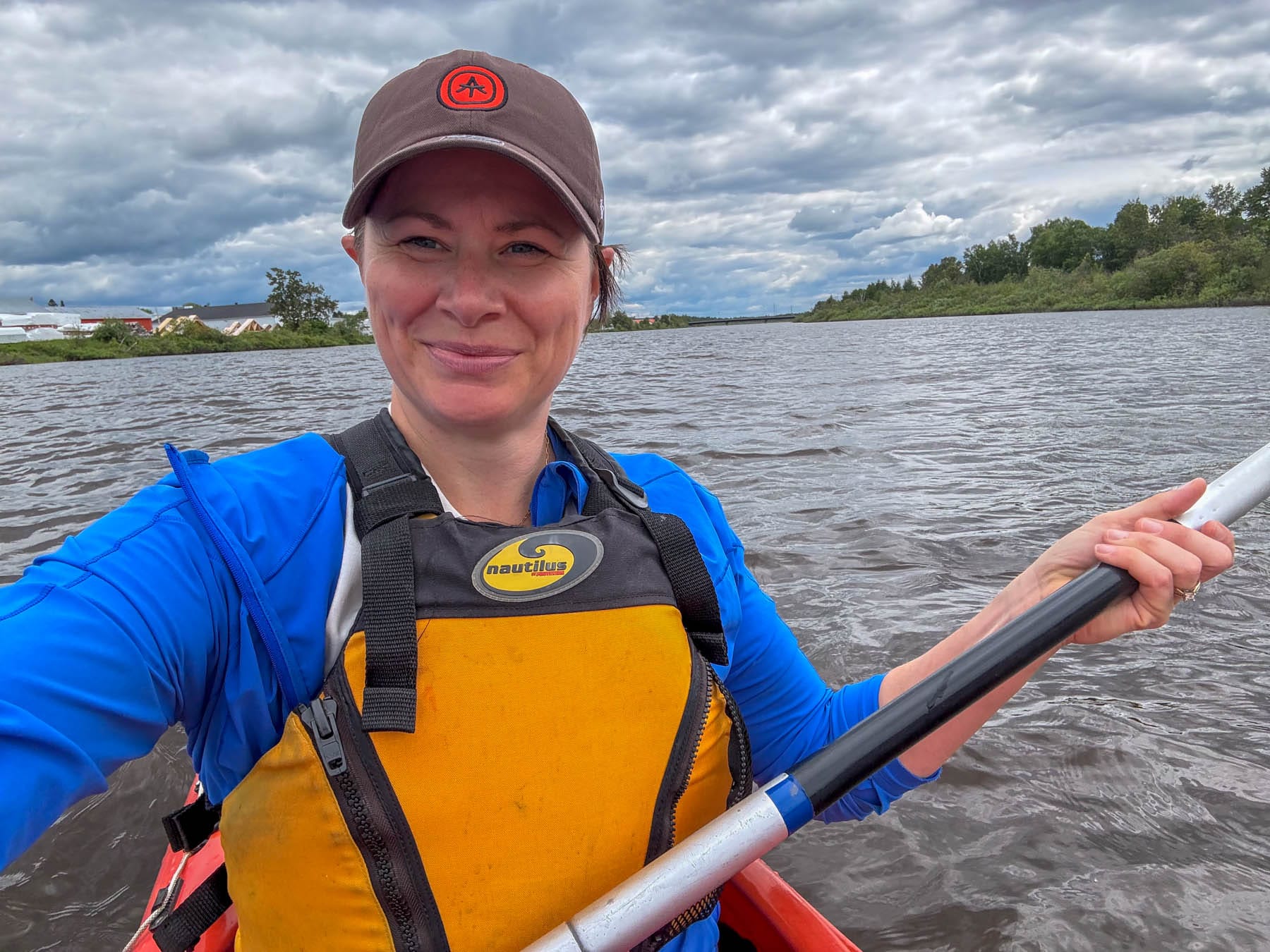
After lunch, head out on the water with Amélie M-Kayak tours. We launched from downtown Amos and paddled upriver past a nearly hundred-year-old bridge and a fountain — an unexpectedly picturesque, urban stretch of paddling I don’t usually get on river trips.
Partway through, we hit a short run of small rapids — my first time on anything resembling whitewater. Nothing a rafting purist would call whitewater, but enough teeter-totter on the kayak to make me feel like I’d earned it.
While I only did a short one-hour tour, know that you can customize your tour based on your interests, skill level, and where you’d like to paddle. Amélie M-Kayak offers a variety of tours tailored to your needs.
👉 Book Your Tour: Amélie M-Kayak operates customizable guided kayak tours from downtown Amos. Tours can be tailored to skill level and duration — contact directly to book and discuss route options. Website: https://www.ameliemkayak.com/
Where to Stay in Amos — Audacieuses Évasions, a Floating Cabin in the Wild
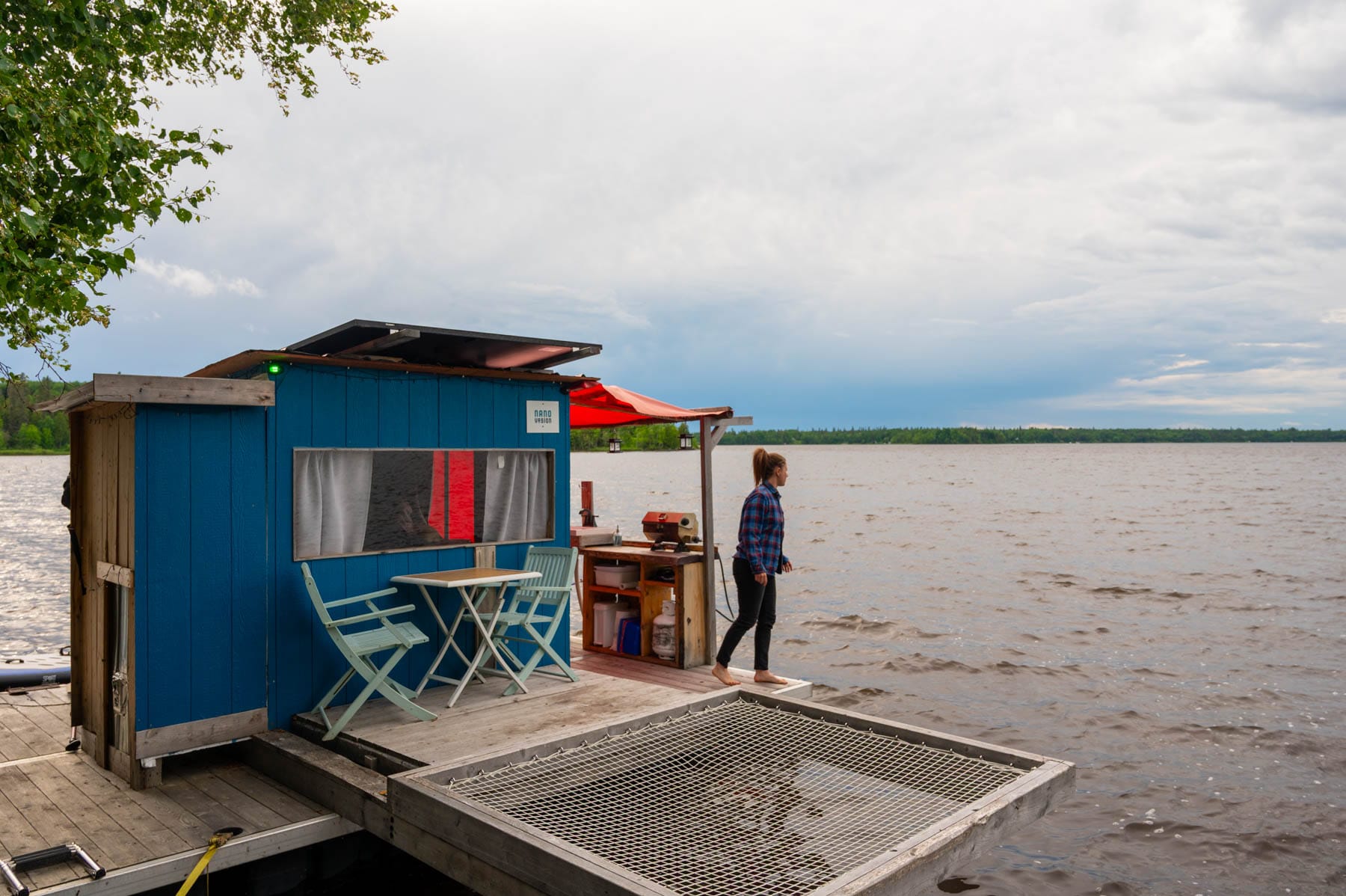
Another unique accommodation awaits at Audacieuses Évasions, for those who are up for a real adventure!
After driving from Amos to the property parking lot, you’ll experience the most unique check-in you’ve ever done (I can almost guarantee it). Getting to the cabin is part of the experience: your bags get loaded onto an ATV trailer, then you hop on the back of an ATV for a ten-minute ride down a forest trail to the water’s edge.
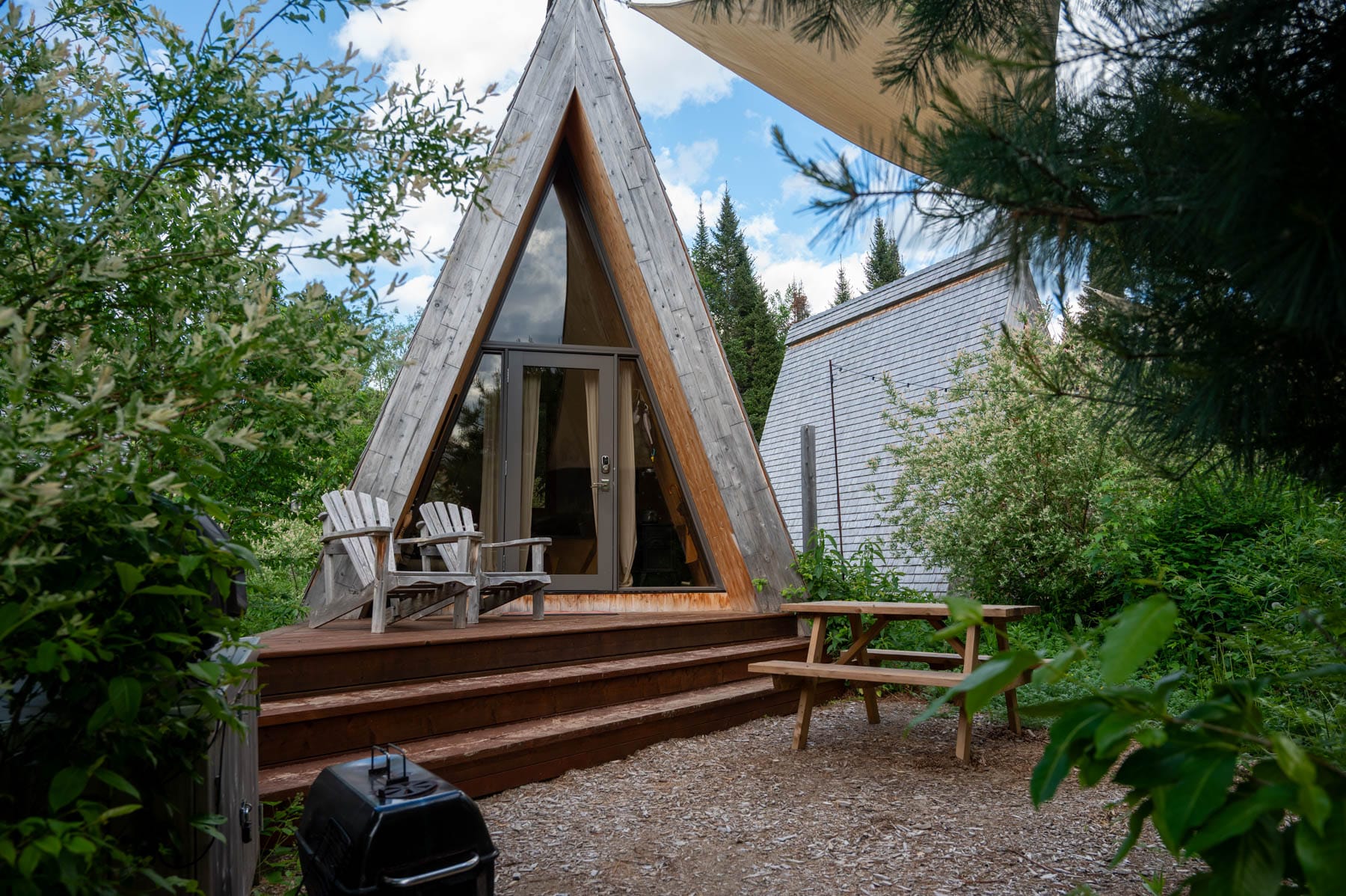
There, your unique accommodation awaits: a Nanovasion. “A true little cocoon on the water offering everything you need for a complete disconnect in harmony with nature.” This is rustic glamping, not luxury — and if you grew up camping, like I did, it’s a perfect fit.
The NANOVASION is a tiny floating home equipped with everything you actually need: a full outdoor kitchen setup with a barbecue, cooler, sink, and all the cooking gear; a private little patio; a hammock suspended right over the water; and a comfortable queen bed inside with coffee and proper lighting.
But you’re not really there for the amenities. You’re there for the setting — floating on the lake, looking out at twin islands, private enough that you feel remote even though you can spot a couple of other cabins in the distance.
During my soggy stay, another storm rolled through that evening, which meant the planned sunset paddleboard session didn’t happen. Instead, I read in bed and watched the storm move across the lake — water below, rain above, completely cozied in. If storms aren’t your thing, this might not be as comfortable as a hotel room. For me, it was its own kind of magic.
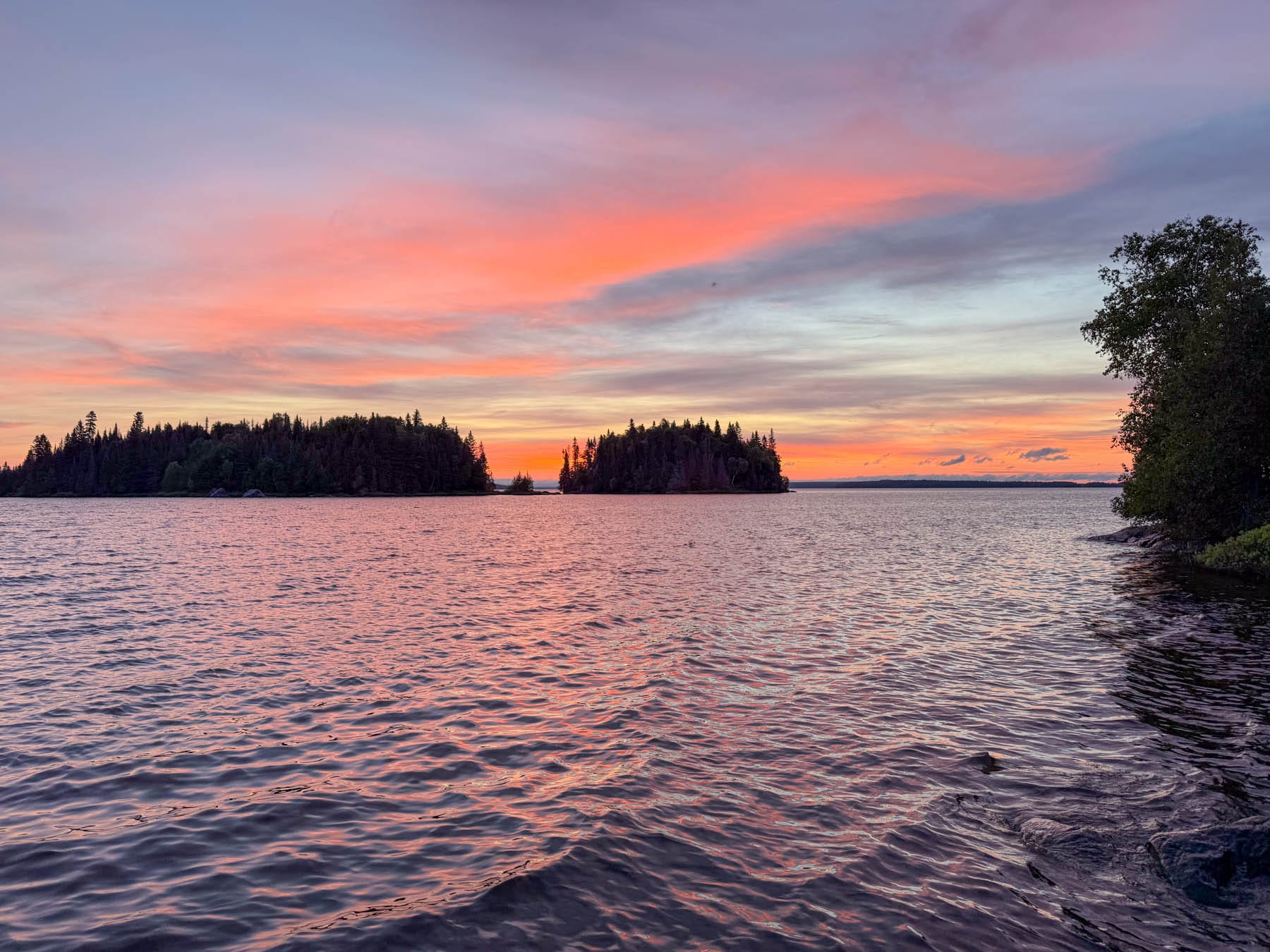
| What I Loved: | The remoteness and the ATV-and-forest-trail arrival — it makes the destination feel earned. The private patio and hammock right over the water are unbeatable on a clear evening. |
| What I’d Change: | This is rustic, off-grid glamping — not a luxury stay. If storms roll through, you’re genuinely floating in the storm. No flush toilet and rustic settings. Pack accordingly and go in with the right expectations. |
| Book Your Stay: | Audacieuses Évasions is located at 67 Chemin Doré, Preissac, Québec. No online booking system — reserve directly by phone at 819-301-1320. |
Day 3 — Aiguebelle and Rouyn-Noranda
Arriving at Parc national d’Aiguebelle
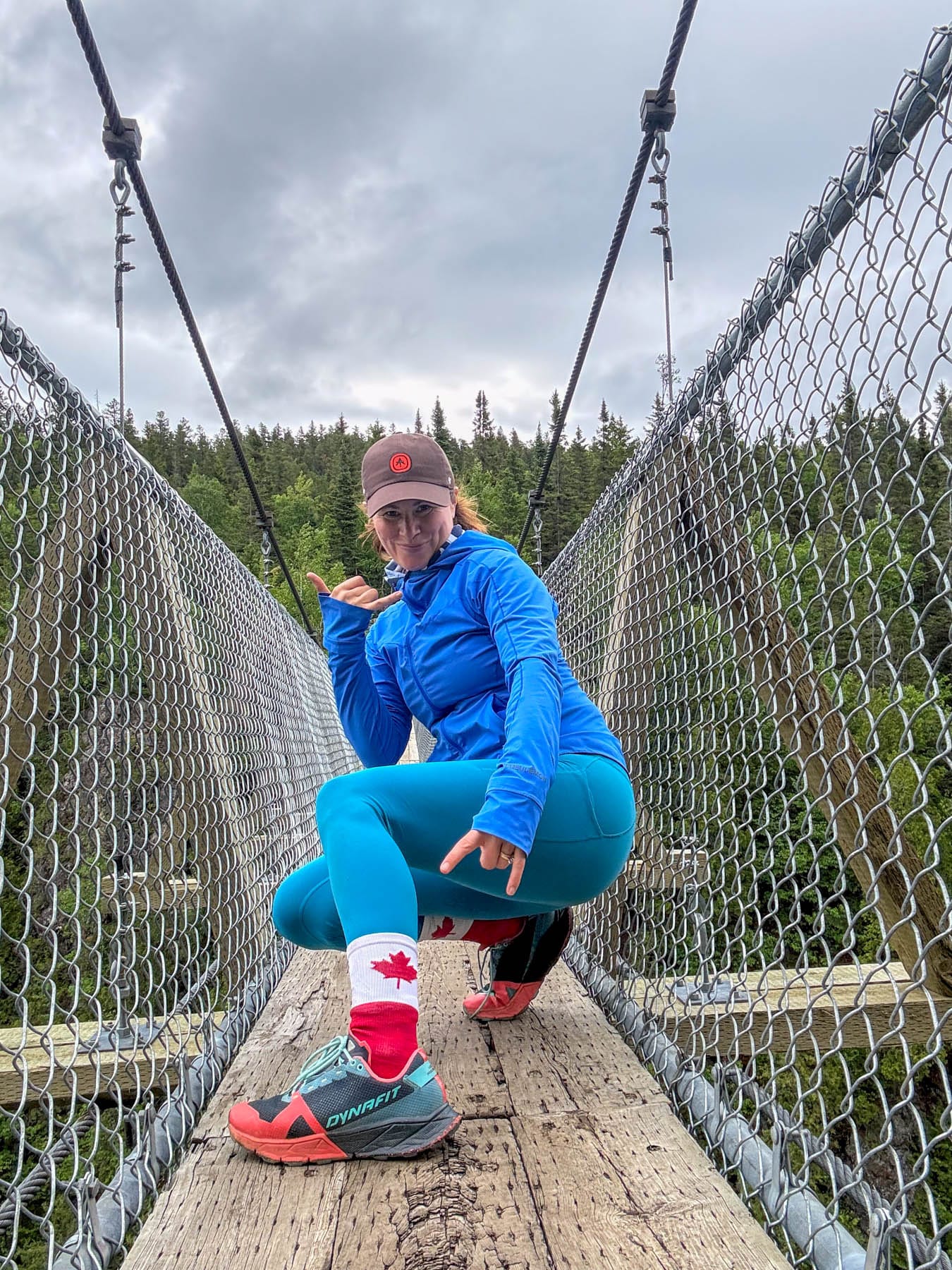
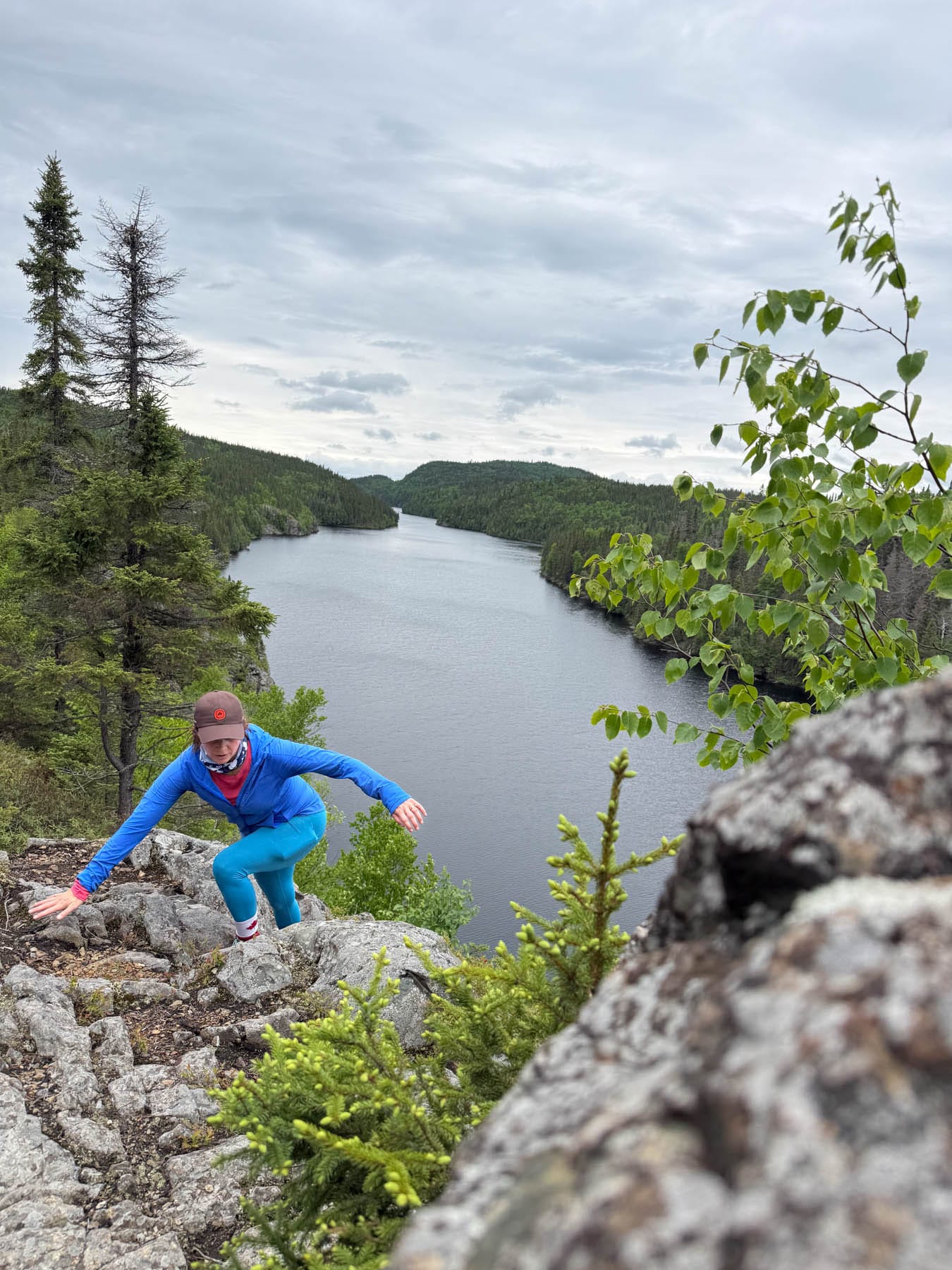
If you’re like me and love seeking out beautiful viewpoints and unique adventures, a trip to Parc national d’Aiguebelle is a must. I’d seen photos of their iconic suspension bridge and knew it would be one of the highlights of my trip.
What I didn’t expect was how quiet the park was. The weather had calmed and I arrived on a mild Saturday morning, but I felt like I had the park entirely to myself — I only saw a handful of people all day.
Speaking of people, I have to give a shout-out to the young staff member at the Welcome Centre. She spent about ten minutes walking me through every trail option, water refill points, and where to check in if I needed help. I went in slightly nervous about hiking solo in a national park, even as an experienced hiker, and left feeling completely confident and empowered for an epic day.
👉 Plan Your Visit: Parc national d’Aiguebelle requires a Sépaq daily access pass, available at the park entrance or in advance online. Visit sepaq.com/pq/agb for trail maps, current access passes, and park information.
On the Trails
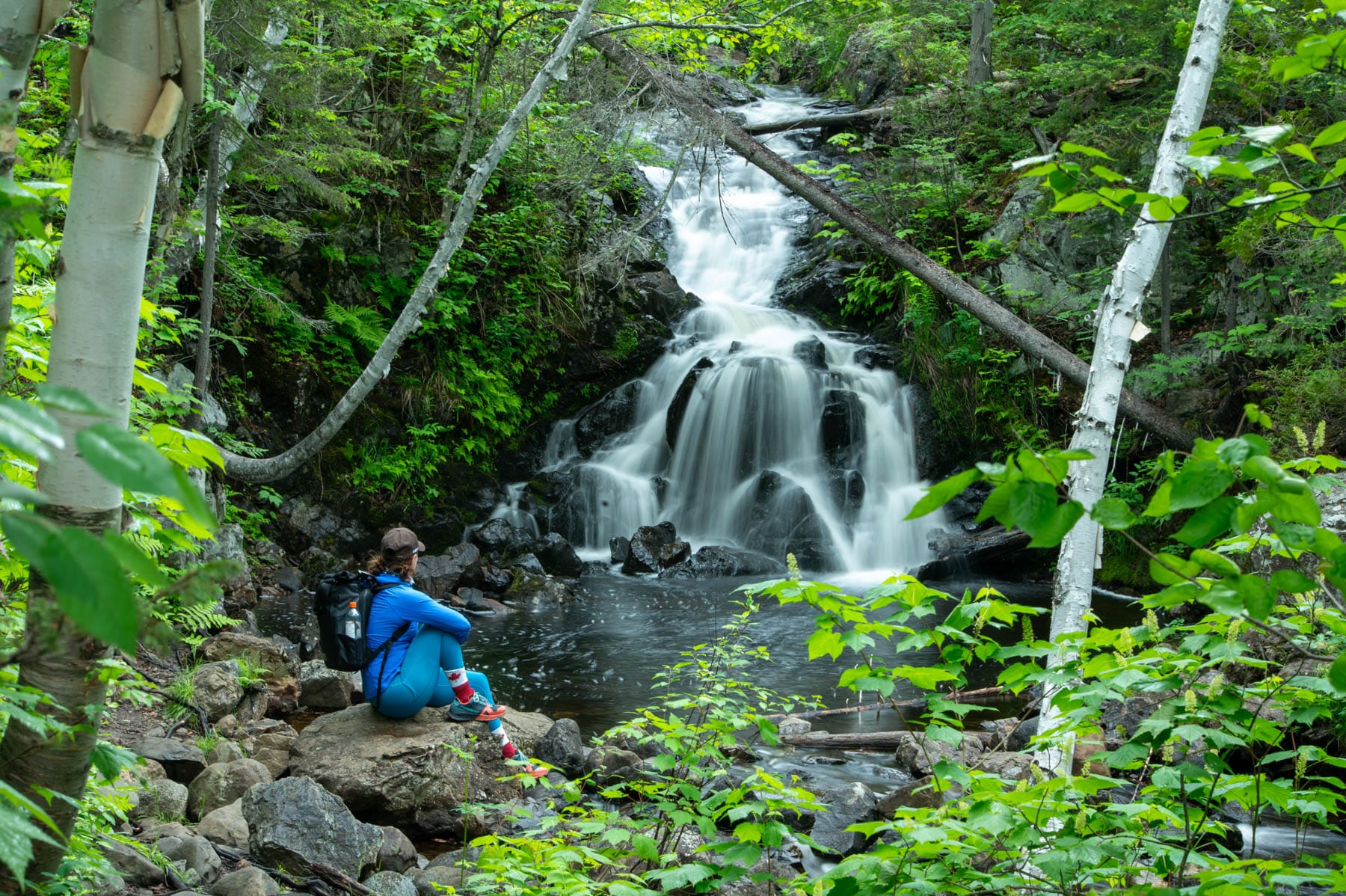
I started on La Traverse trail up to the suspended footbridge and had the bridge entirely to myself, except for one group I offered to photograph. It’s a genuinely striking spot — the lake splits there, with water draining in two different directions, a small but interesting geological divide my guide had pointed out earlier.
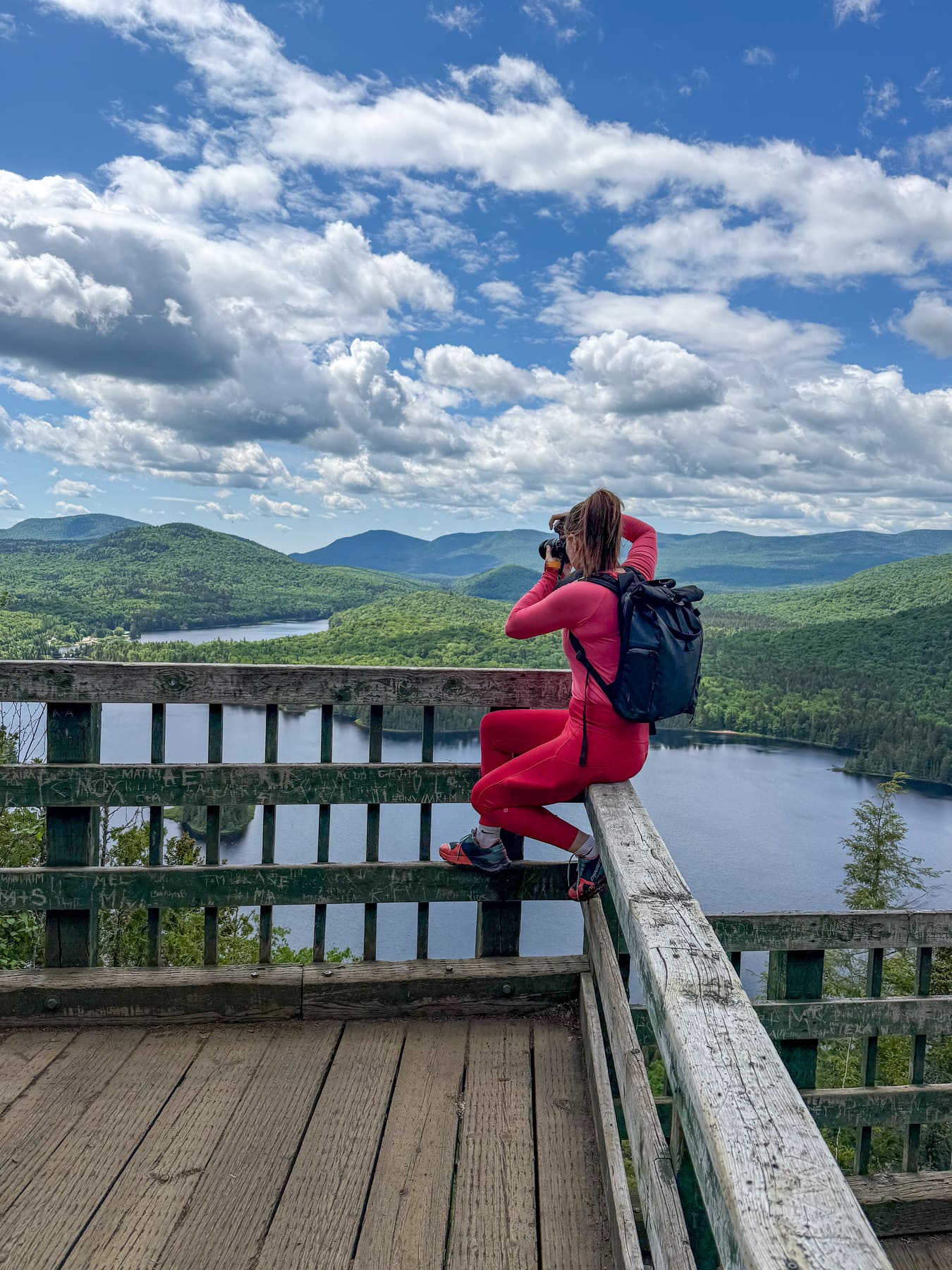
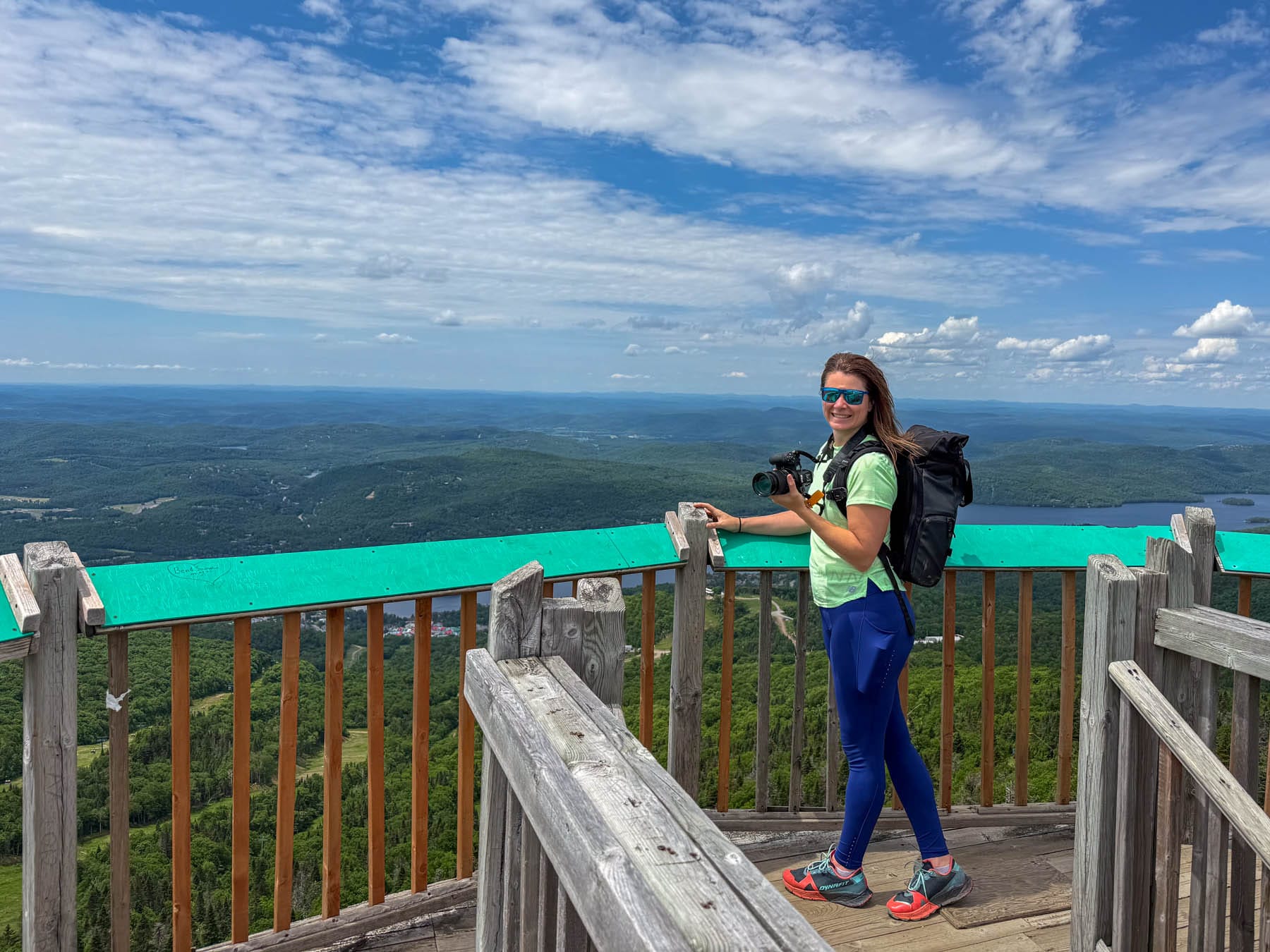
From there, instead of heading back, I pushed on to L’Aventurier. Rated hard on AllTrails, I was ready for the challenge, but man, did this trail push me. Steep, technical, a lot of up and down along the lake’s eastern side — I told myself I wasn’t doing the hard side again on the way back, and I meant it. The lookout at the end, though? That made it worth all 22,000 steps.
This was the high point of the entire trip for me. Not because the dome or the floating cabin or meeting Stitch weren’t extraordinary — they were — but because there’s something about earning a view on your own two feet, in a park this quiet, that stuck with me harder than anything else. It’s a photo I look forward to framing and putting up in my office.
👉 Bug-mart Hiking Tip: June in this region means serious mosquito and blackfly activity. Wear neutral colours, pack a strong repellent, bring an after-bite or anti-itch gel, and wear long sleeves — they cut down on how much repellent you actually need on your skin.
Where to Stay in Rouyn-Noranda: Le Noranda
I came off the trail sweating through two layers and thoroughly doused in bug spray. After my 45-minute drive to Rouyn-Noranda, I quickly checked in, dropped my clothes at the door, and went straight to the shower — quite possibly the best shower of my life.
👉 Book Your Stay: Le Noranda is centrally located in Rouyn-Noranda, walking distance to the lakeshore and downtown dining. Book directly through the hotel for current rates and availability. Website: https://www.choicehotels.com/quebec/rouyn-noranda/ascend-hotels/cnb26
Where to Eat in Rouyn-Noranda: Horizon Thai
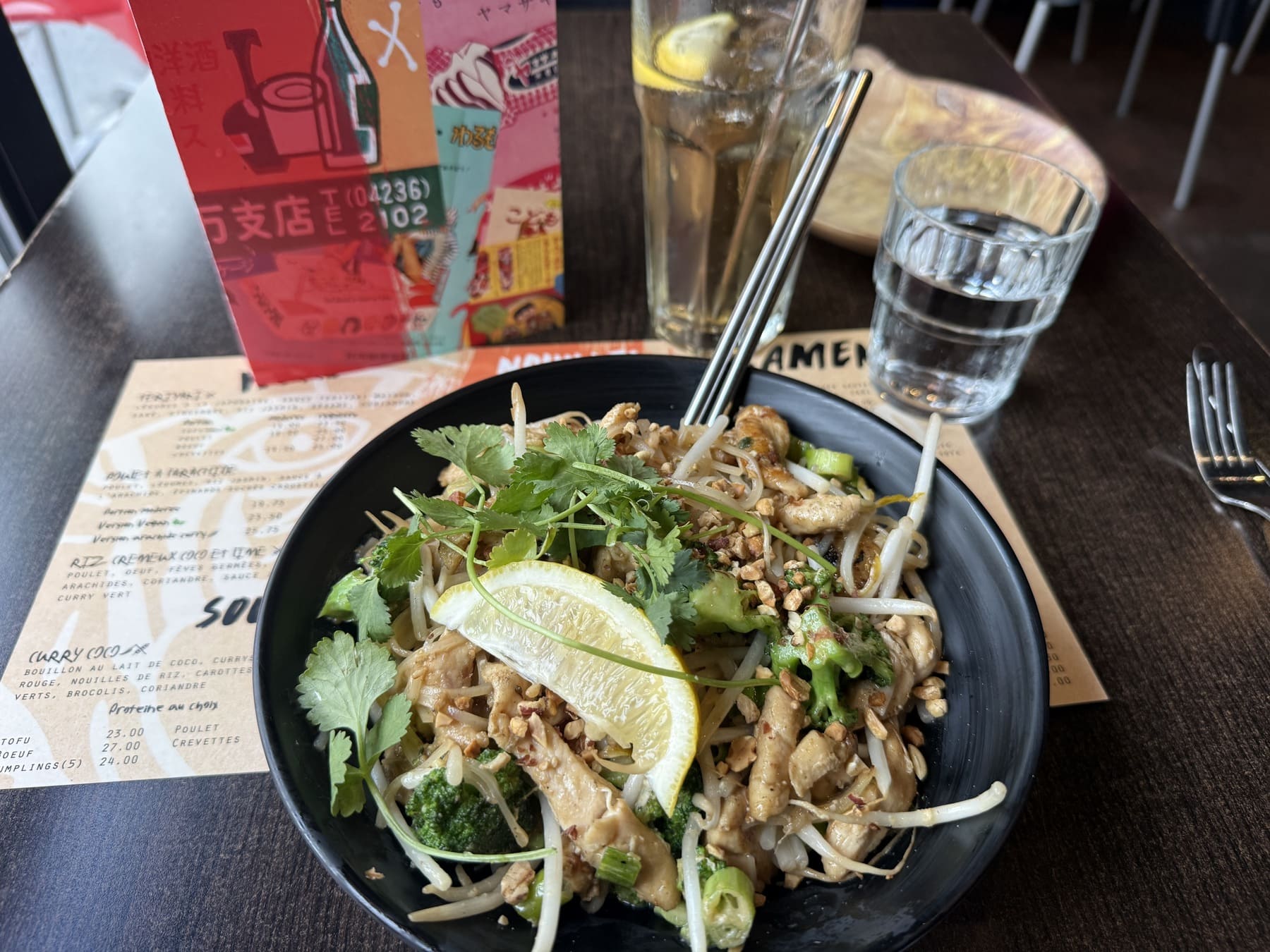
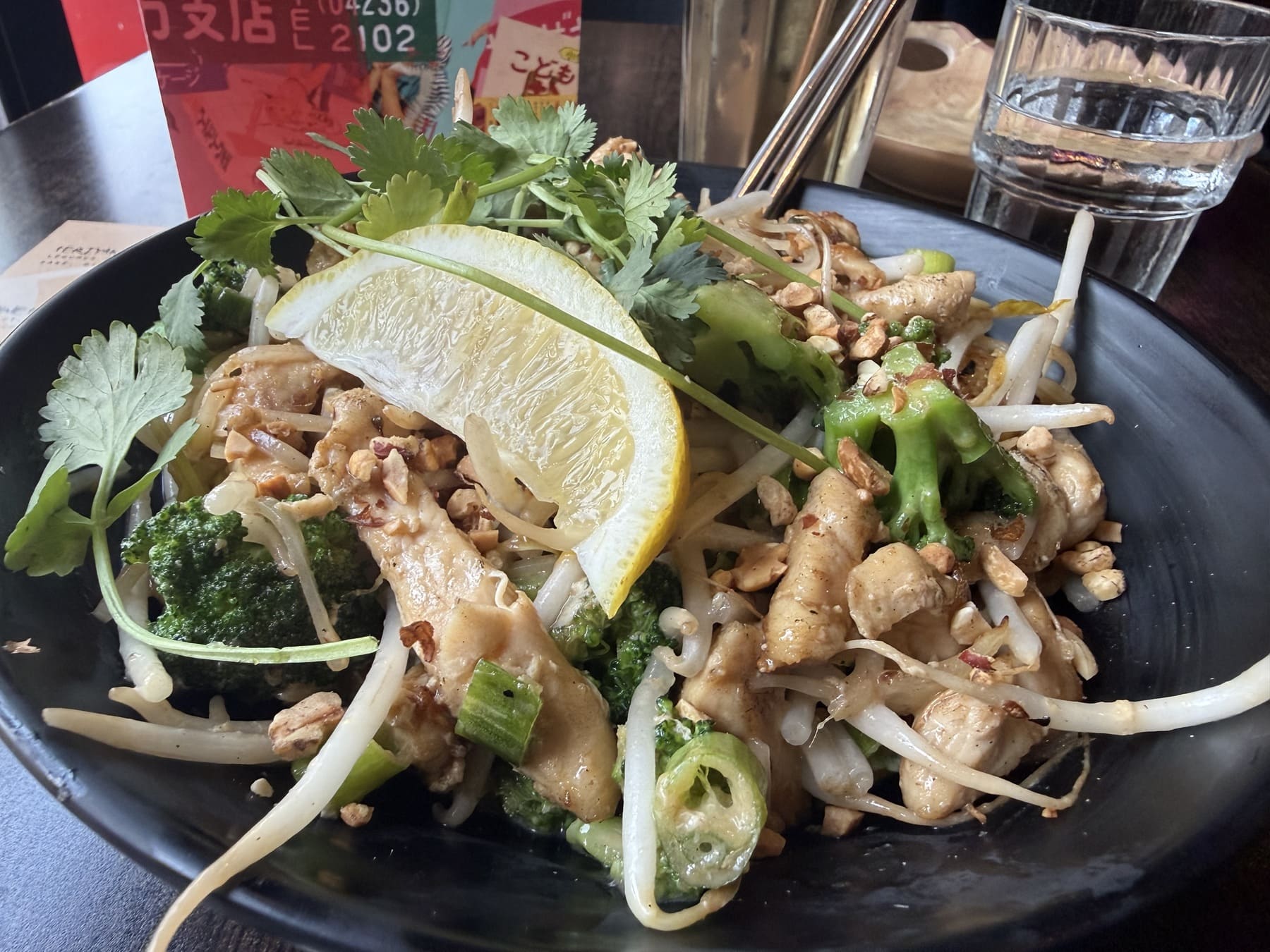
Hungry and running at a caloric deficit, I was ready to fuel up, and Thai couldn’t have been a better fit. From the hotel, you can walk to Horizon Thai in about 15 minutes along the beautiful lakeshore. As you get closer to the restaurant, you’ll hear the bustle of busy patios, the clinking of silverware, and the chatter of people visiting outdoors.
As a solo traveller, I found a cozy corner and quickly ordered my favourite, Pad Thai. And I’m not exaggerating when I say it was one of the best Thai meals I’ve ever had! Definitely go to Horizon Thai on your Abitibi-Témiscamingue road trip.
👉 Plan Your Visit: Horizon Thai is located along the Rouyn-Noranda lakeshore, about a 15-minute walk from Le Noranda. Reservations recommended for dinner service. Website: https://horizonthai.ca/
After-Dinner Activities: Jardin Spa
Jardin Spa is located inside Le Noranda, so you can go from your hotel room to the hot tub in minutes. Repeat the hot-cold therapy circuit until you’re ready to take the elevator straight to bed. The perfect way to end an adventure-filled day? I do say so myself.
👉 Plan Your Visit: Jardin Spa is located inside Le Noranda hotel in Rouyn-Noranda. Check seasonal hours before your visit, as the spa periodically closes for maintenance. Website: https://lenoranda.com/en/jardin-spa/
Day 4 — Opémican: A Powwow on National Indigenous Peoples Day
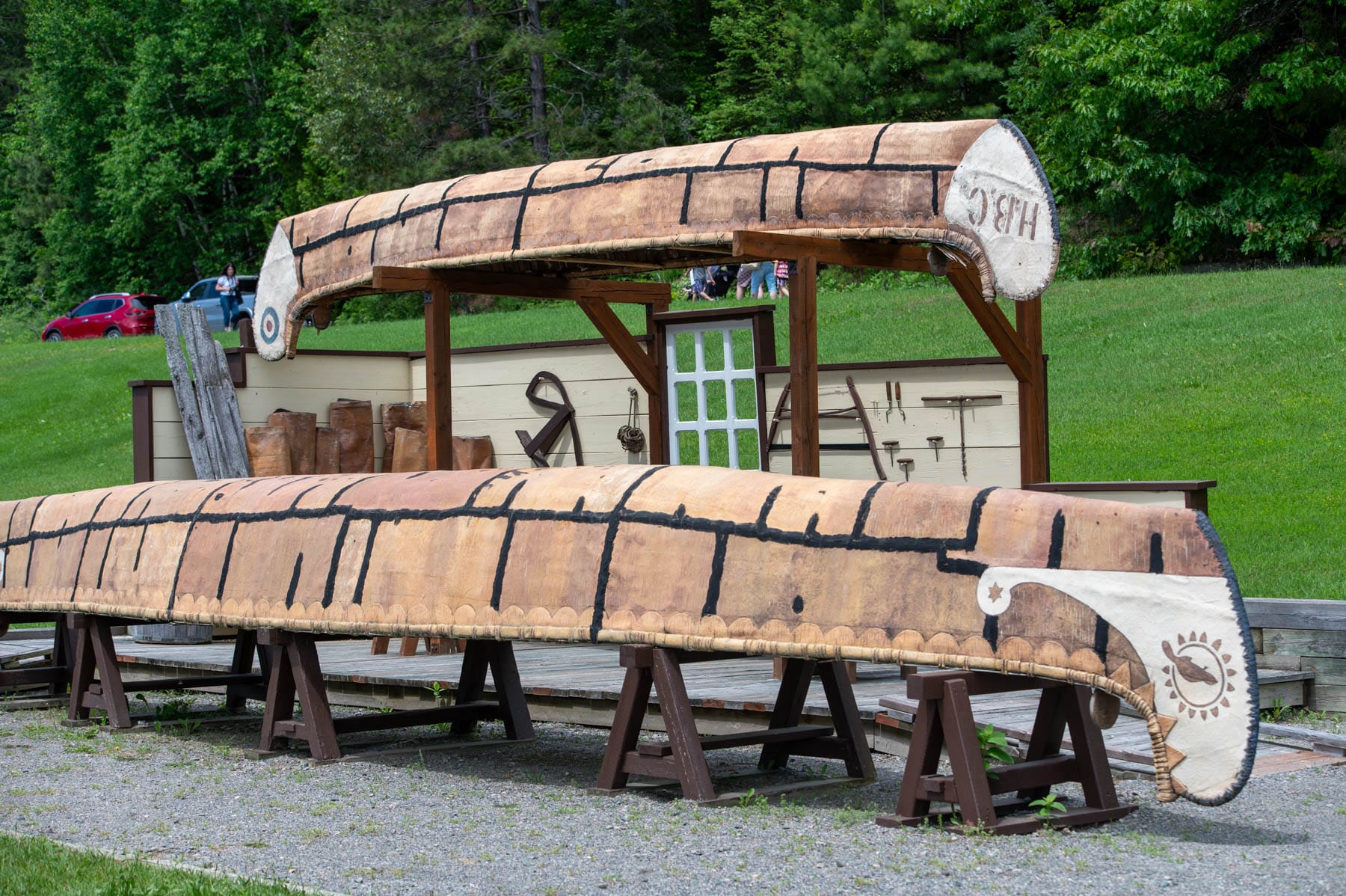
My visit happened to land on National Indigenous Peoples Day, and Parc national d’Opémican National Historic Site was hosting its first powwow since 2019. Cars lined the access road for kilometres before the park entrance. Walking in, you could hear it before you saw it — jingling regalia, children’s voices, the unmistakable buzz of a community coming back together after years apart.
My local host, Audrey-Anne, walked me through the site’s history on the way in: this was once a major trading post where different nations came together to exchange goods, long before it became a national park.
Inside, I met Karl, a multimedia Indigenous artist who spends much of his time teaching Indigenous youth traditional canoe-building. Through hands-on lessons, he teaches kids how to use traditional techniques and tools: bone carved into needles, birchbark stitched onto a hand-shaped hull. We talked for close to an hour. He spoke openly about losing young people in his community to addiction and suicide, and about why passing down traditional knowledge and craft is, for him, part of how that gets fought back against. Watching him work — an in-progress canoe and kayak right there in front of us — while he talked about legacy is something I won’t forget.
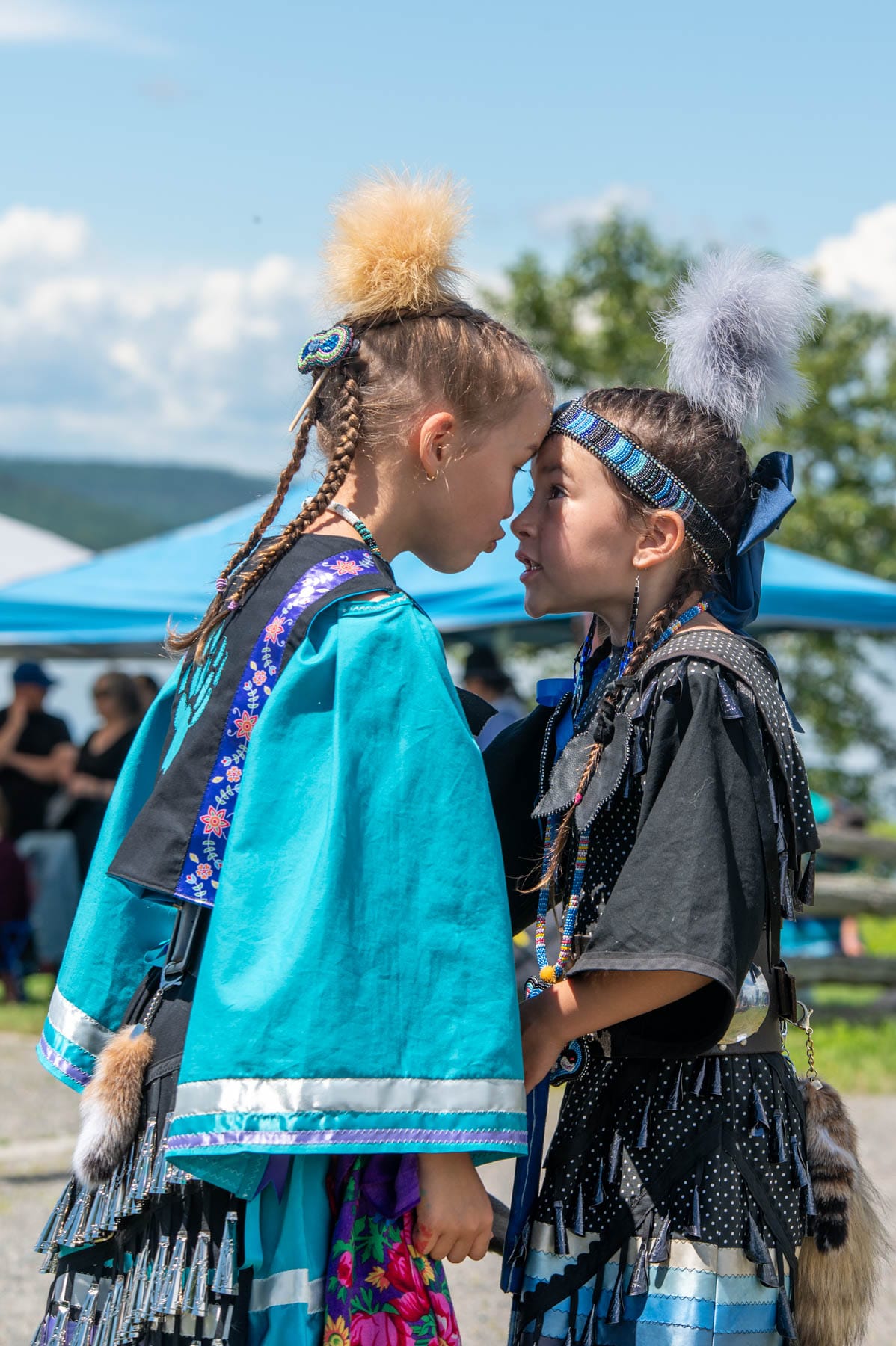
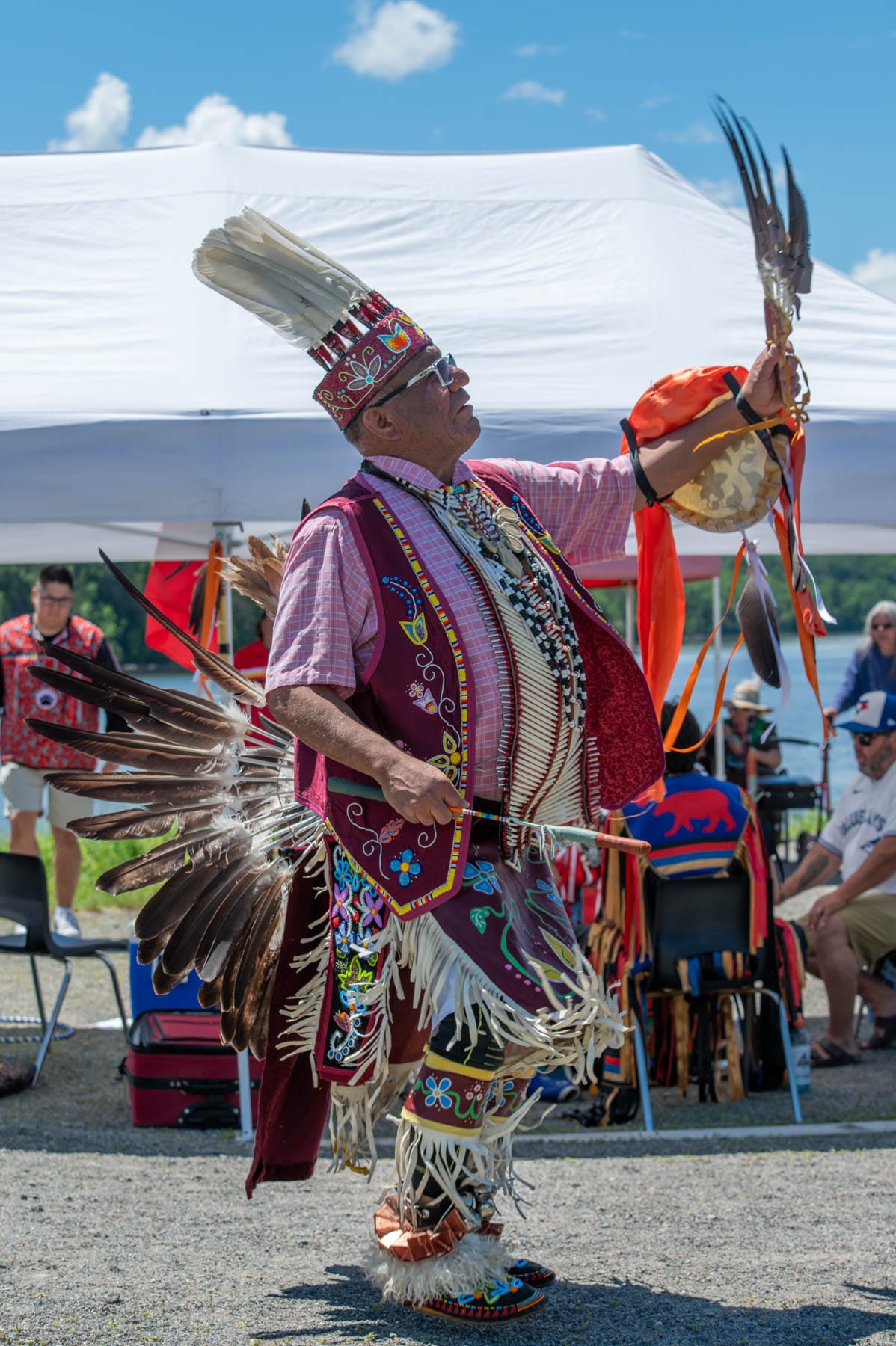
There was bannock and other traditional food available near the main gathering area, and down by the lake, dancers performed the grass dance, the hoop dance, and others — performers ranging from toddlers barely eighteen months old to elders, each group in regalia distinct to their region and nation.
If you happen to be in the region for Indigenous Peoples’ Day, check the d’Opémican National Historic Site for celebratory events. And if your schedule doesn’t align with Indigenous Peoples’ Day, I still recommend this absolutely beautiful historic site and park for a day of beachside adventures. Beyond the educational displays and sights, the park hosts grassy fields, sandy beaches, and a warm lake waiting for you to jump in.
👉 Plan Your Visit: Parc national d’Opémican is accessible via Sépaq daily access pass. Visit sepaq.com/pq/opc for current hours, events calendar, and park information, and check ahead for seasonal powwow or cultural programming.
Abitibi-Témiscamingue Road Trip Summary

Sitting on the back of my car, unpacking my day’s items before I loaded up for my next road trip, I thanked my host for my trip and reminisced about the highlights of my last four days.
What stuck with me most, more than any single stop, was the sheer scale of water in this region — lake after lake after lake, the road threading through hundreds if not thousands of them, for four straight days. I covered a tiny fraction of what’s actually here. And it was obvious to me that I would need to go back and explore, as I had only scratched the surface of the region.
A special thank you to the people of the region who were kind and welcoming despite my limited French. The locals made room for me at the countertops and tables, slowed down their talks for me, and helped me navigate with patience. That generosity is its own reason to come back.
Things to Do in Abitibi-Témiscamingue Beyond This Itinerary
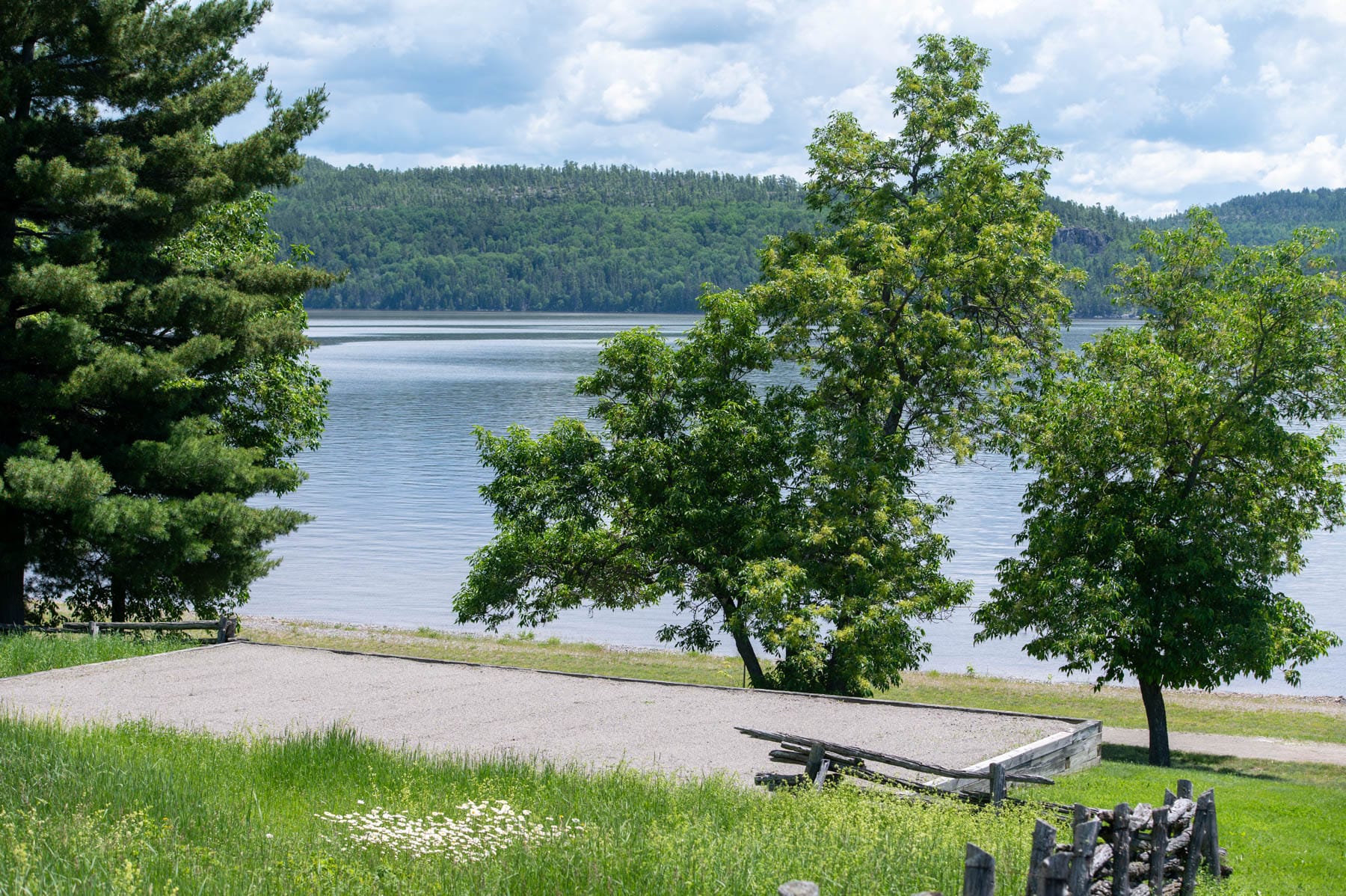
A few more stops worth building into your own version of this trip:
- Parc national d’Opémican — Indigenous heritage sites, lakeside hiking, and (seasonally) one of the region’s best powwows
- Preissac Observation Tower — a 20-metre lookout over Lake Preissac with EV charging in the parking lot
- Refuge Pageau — worth a half-day on its own; see above
- Rouyn-Noranda’s waterfront and pedestrian street for dining and biking
- La Vérendrye Wildlife Reserve — hundreds of lakes, canoe-camping routes, and outfitter stays
- The Anicinabek/Anishinaabe cultural circuit, including the Madamikana Indigenous public art trail across the region
- Artisan food and drink producers around Val-d’Or
Practical Information for Planning Your Abitibi-Témiscamingue Road Trip
Minimum four days, four nights. This gives you time for a dome stay in Val-d’Or, a full day in Amos between Refuge Pageau and kayaking, a hiking day in Parc national d’Aiguebelle with an evening in Rouyn-Noranda, and a final day exploring Parc national d’Opémican. If you want to add La Vérendrye Wildlife Reserve, more time around Rouyn-Noranda, or a deeper dive into the Anicinabek cultural circuit, extend to five or six days. The region rewards extra time.
June through September is the prime travel season, with warmer temperatures and full programming at parks and attractions. June is shoulder season — quieter, with some seasonal businesses (like spas and certain tours) still ramping up for the year. July and August bring full summer energy, especially around Rouyn-Noranda’s lakeshore and the regional powwow and festival calendar. September offers cooler temperatures and the start of fall colour season.
Solo travellers craving genuine wilderness and a slower pace. Couples looking for an off-the-beaten-path Quebec experience without the crowds of better-known destinations. Wildlife lovers who want a meaningful, conservation-minded animal encounter rather than a roadside zoo. Hikers chasing a real physical challenge with a payoff view. Anyone curious about Anicinabek history and culture, with the chance to experience it firsthand rather than read about it secondhand.
Layers are non-negotiable, even in summer — a base layer, a mid-layer fleece, and a waterproof outer shell will cover you for shifting weather. Sweat-wicking clothing and solid hiking shoes for the trails at Aiguebelle. Bug repellent, an after-bite or anti-itch gel, and long sleeves for serious June and July mosquito and blackfly activity. A reusable water bottle (bring more than you think you need for any hike). Cash for smaller vendors and outfitters that don’t take cards for smaller purchases and rentals.
A car is essential for this self-drive region — distances between stops are significant, and public transit options are minimal outside the larger towns. GPS navigation works throughout, though cell service can be patchy in stretches between parks; download offline maps before you go.
Abitibi-Témiscamingue Is Waiting for You
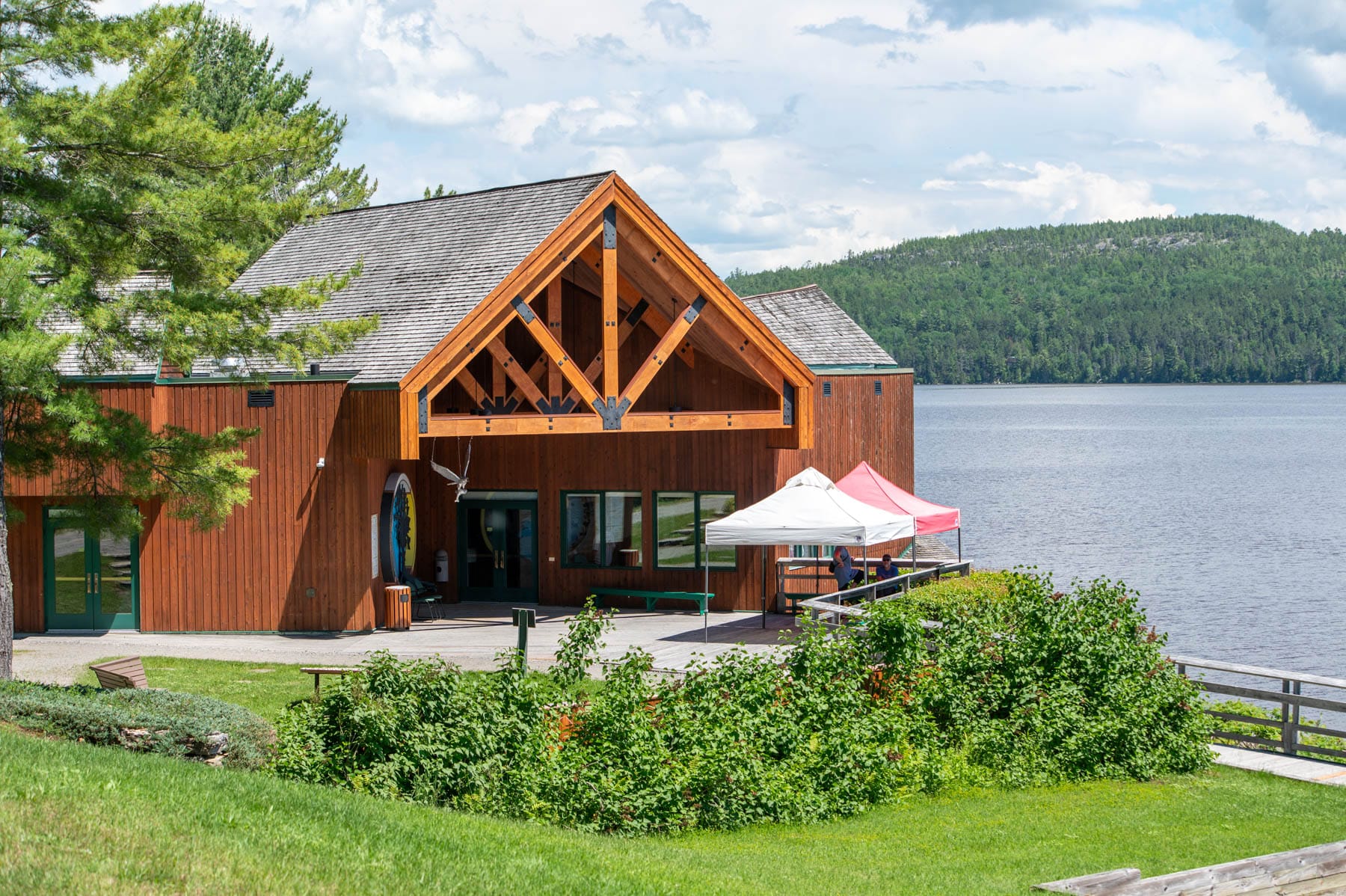
Abitibi-Témiscamingue doesn’t ask you to keep up with it. It asks you to slow down enough to notice what’s actually there — a bear who shouldn’t be this friendly, a canoe being built the traditional way, a lake that splits in two directions, a storm you watch instead of running from.
This region meets you at the intersection of genuine, undiscovered wilderness and quietly extraordinary human stories — then lets you decide what that means for you. Whether it’s a private moment with a black bear who can never go home, a hammock suspended over still water, the hardest hike of your year rewarded by a view worth framing, or a powwow you stumbled into by sheer luck, this region makes room for all of it.
Plan your trip. The adventure is waiting.
This experience was made possible thanks to Tourism Abitibi-Témiscamingue. As always, all opinions, stories, and recommendations are 100% my own.