
Are you planning a Trip to Banff and want the ultimate Banff Four Days itinerary? You’ve come to the right place! I’ve spent the last 30 years visiting Banff at least once a year and I’ve put together this guide showcasing everything you need to plan your own epic trip.
Banff is the kind of place that gets under your skin. Once you discover it, you’ll be like me — finding a way back every single year, no matter what. I live twelve hours away by car, and I still make the drive at least once a year because every season offers something completely different.
Winter brings the thrill of skijoring on frozen lakes and carving fresh powder at Sunshine Village. Summer reveals hiking trails that are, without exaggeration, some of the best in the world. And fall? The larch trees explode into shades of gold so brilliant they look like something out of a dream. Banff is a Pandora’s box of adventure — the more you go, the more you realize how much more there is to discover.
If you have four days, you have enough time to fall completely in love with this place. This guide will walk you through exactly how to spend them — where to stay, what to do, where to eat, and everything you need to know before you arrive.
Before You Go To Banff: Essential Planning Tips
Getting to Banff
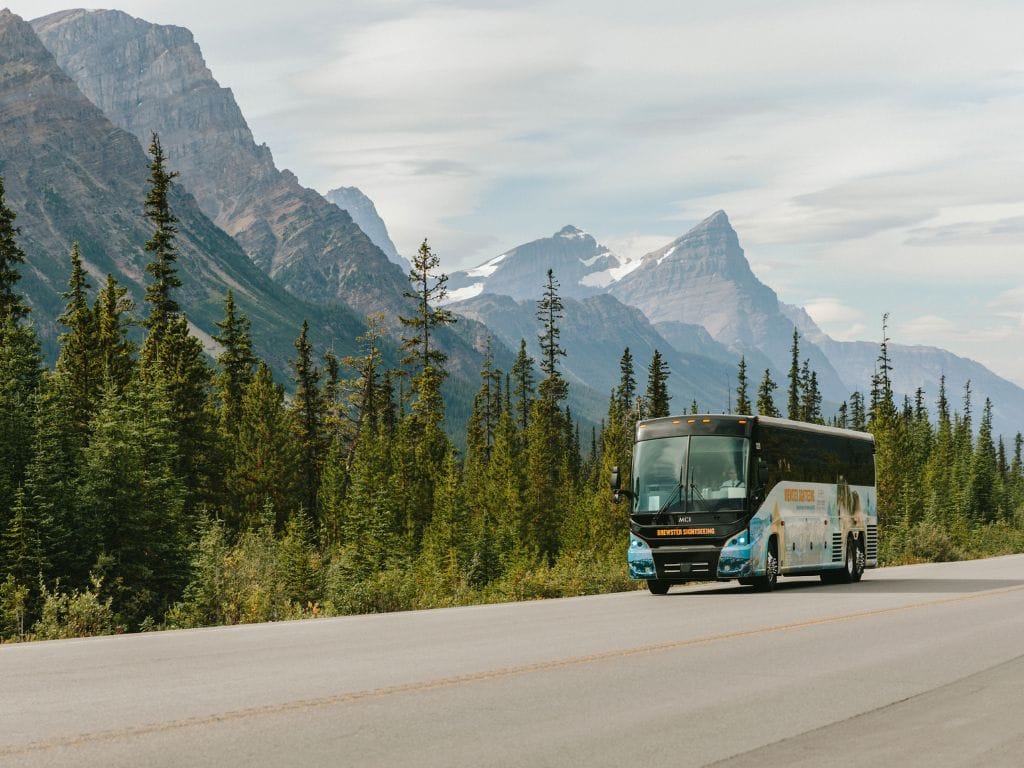
Most visitors fly into Calgary International Airport and drive from there. The drive to Banff is about 1.5 hours along the Trans-Canada Highway — a beautiful introduction to the Canadian Rockies that starts building excitement the moment the GIGANTIC mountains appear on the horizon. (No really, they wow me everytime I drive through)
Renting a car at the Calgary airport is expensive, and Banff is quite accessible by bus, so depending on your group’s needs, research options to take the Brewster Bus into Banff and explore the town car free. I like the Brewster bus service as most (not guaranteed) but most have huge windows that go overhead so that you can spend your time soaking in the scenery and not worry about navigating or planning stops.
Hot tip: Check out their website as they often run promos like 25% off!
If you want to have the freedom of your own car book in advance.
Parks Canada Pass
Banff sits within Banff National Park, which means you’ll need a Parks Canada pass to enter — or you might not, depending on when you visit. Great news for summer 2026 visitors: thanks to the Canada Strong Pass initiative, admission to Banff National Park is completely free for all visitors from June 19 to September 7, 2026. No registration, no ticket — just show up and enjoy.
Outside of those dates, a daily pass is required. Adult day passes are $12.25, seniors $10.75, youth free, and family/group (up to seven people in one vehicle) $24.50. If you’re planning multiple visits or a longer trip, the Parks Canada Discovery Pass is an excellent value at $83.50 for adults or $167.50 for a family/group. (Bonus, if you get a Discovery Pass you’ll get access to ALL Parks Canada locations for a full calendar year)
Important note: The Parks Canada pass covers entry to the park and national historic sites. Regular fees still apply for parking, shuttles, activities, and tours.
Getting Around: ROAM Transit vs. Rental Car
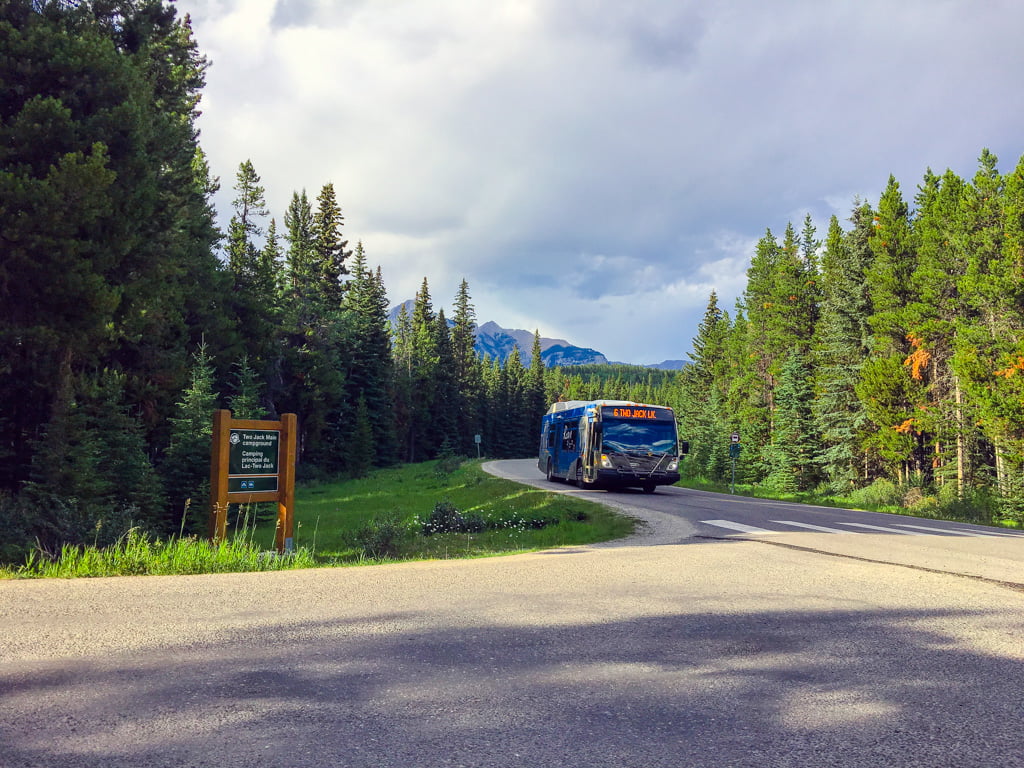
One of the best things you can do once you arrive in Banff is leave your car parked and hop on the ROAM bus. Parks Canada and Banff & Lake Louise Tourism actively encourage visitors to use public transit to help reduce congestion and protect the park. Many hotels — including the Moose Hotel and Tunnel Mountain Resort — include complimentary ROAM passes with your stay. If you need a ticket they are available for a nominal fee at the bus station.
The bus runs regularly through town and out to key destinations. For getting to Moraine Lake and Lake Louise during peak season, the shuttle system is actually your only option (more on this below).
Best Time to Visit
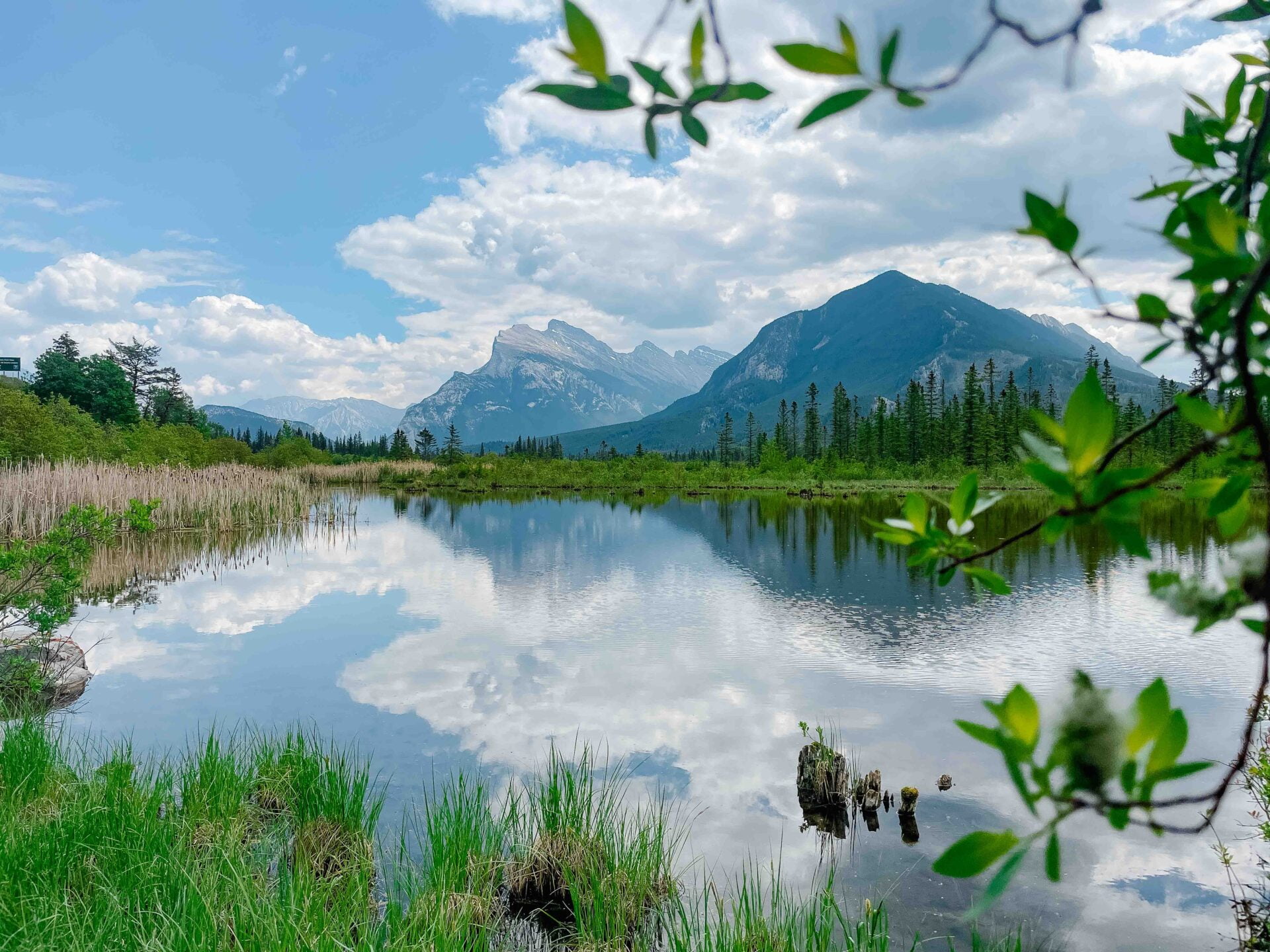
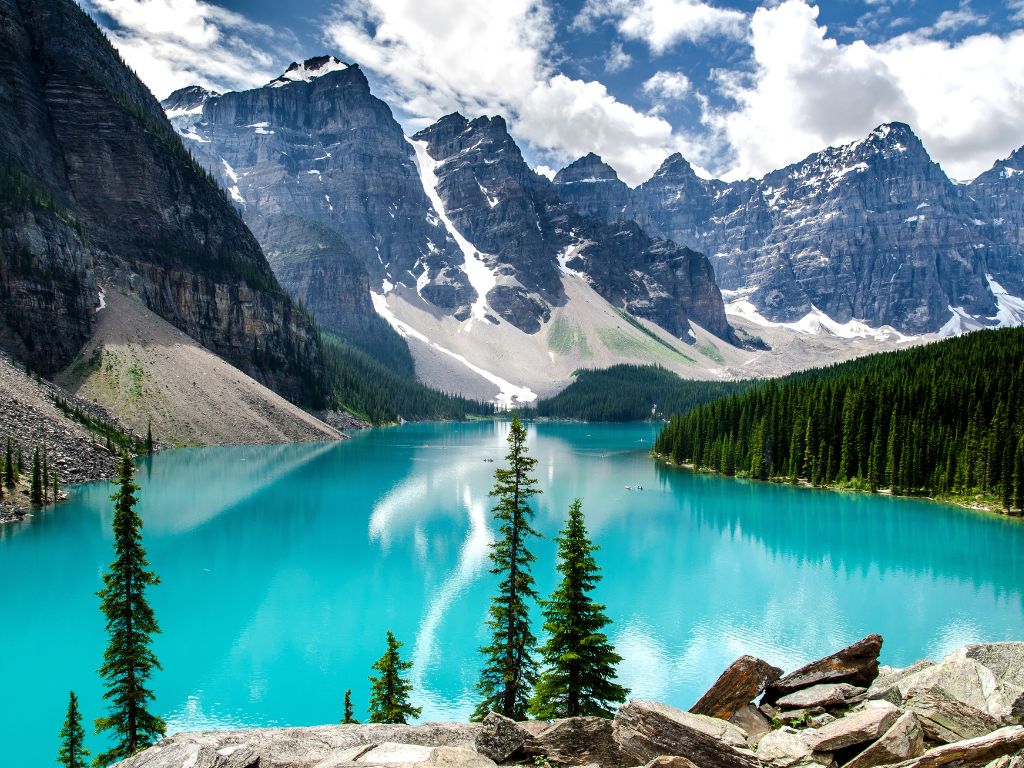
There truly is no bad time to visit Banff. Here’s a quick breakdown:
- Summer (June–August): Peak hiking and biking season, all activities available, Moraine Lake and Lake Louise at their turquoise best
- Fall (September–October): Larch season transforms the mountains into gold — one of the most breathtaking natural events in Canada. It’s a short 10 day window and can be really busy if you’re there for the Larch season. If you’re NOT going for the larches, but want to visit in the fall, plan to book your trip outside of larch season (typically the last week of September to the first week of October, but varies with weather and temperatures)
- Winter (November–March): World-class skiing at Sunshine Village and Lake Louise Ski Resort, skijoring on Lake Minnewanka, SnowDays Festival and SKIJORING in January
- Spring (April–May): Quieter crowds, wildlife emerging, Bow Valley Parkway closes to vehicles for cyclists and hikers
What to Pack
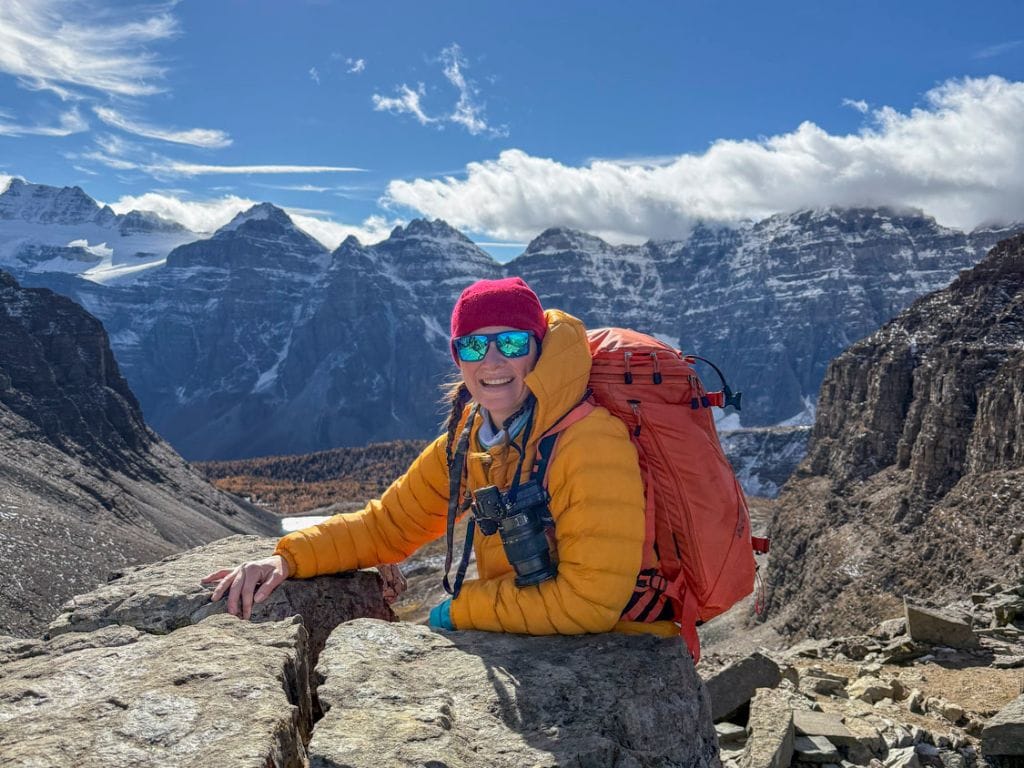
Banff’s mountain weather can be unpredictable at any time of year. Always bring:
- Layers (it can be warm during the day and cold at night, even in summer)
- Rain jacket
- Sturdy trail runners or hiking boots
- Bear spray (rentable in town if you don’t want to pack it or are flying)
- Refillable water bottle
- Sunscreen — the mountain sun is intense
Where to Stay in Banff
Choosing the right accommodation sets the tone for your whole trip. Here are our top picks for every style and budget.
Downtown Hotels
Banff is a small town with a lot of great hotels in its downtown core. Here are some of my favs:
Moose Hotel & Suites — Best for Families Downtown
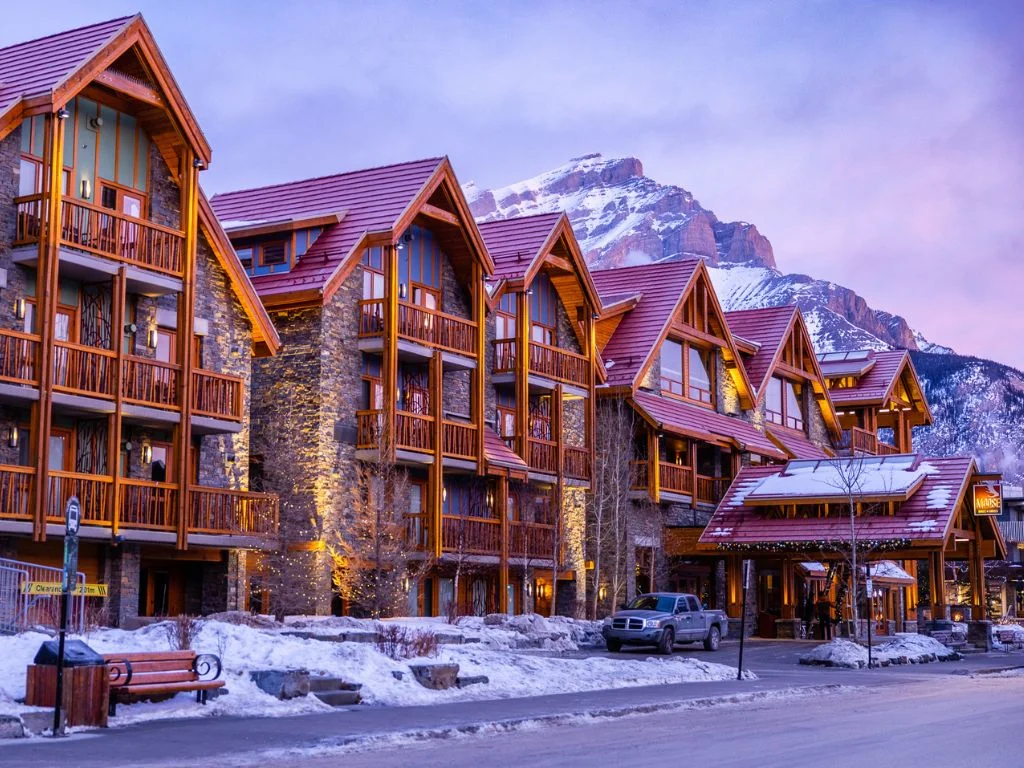
If you’re traveling with family, the Moose Hotel & Suites is hard to beat. Located just one block from the heart of downtown Banff, this stunning lodge-inspired property wraps you in Canadian nature from the moment you walk through the door. (The gigantic moose is my favourite!)
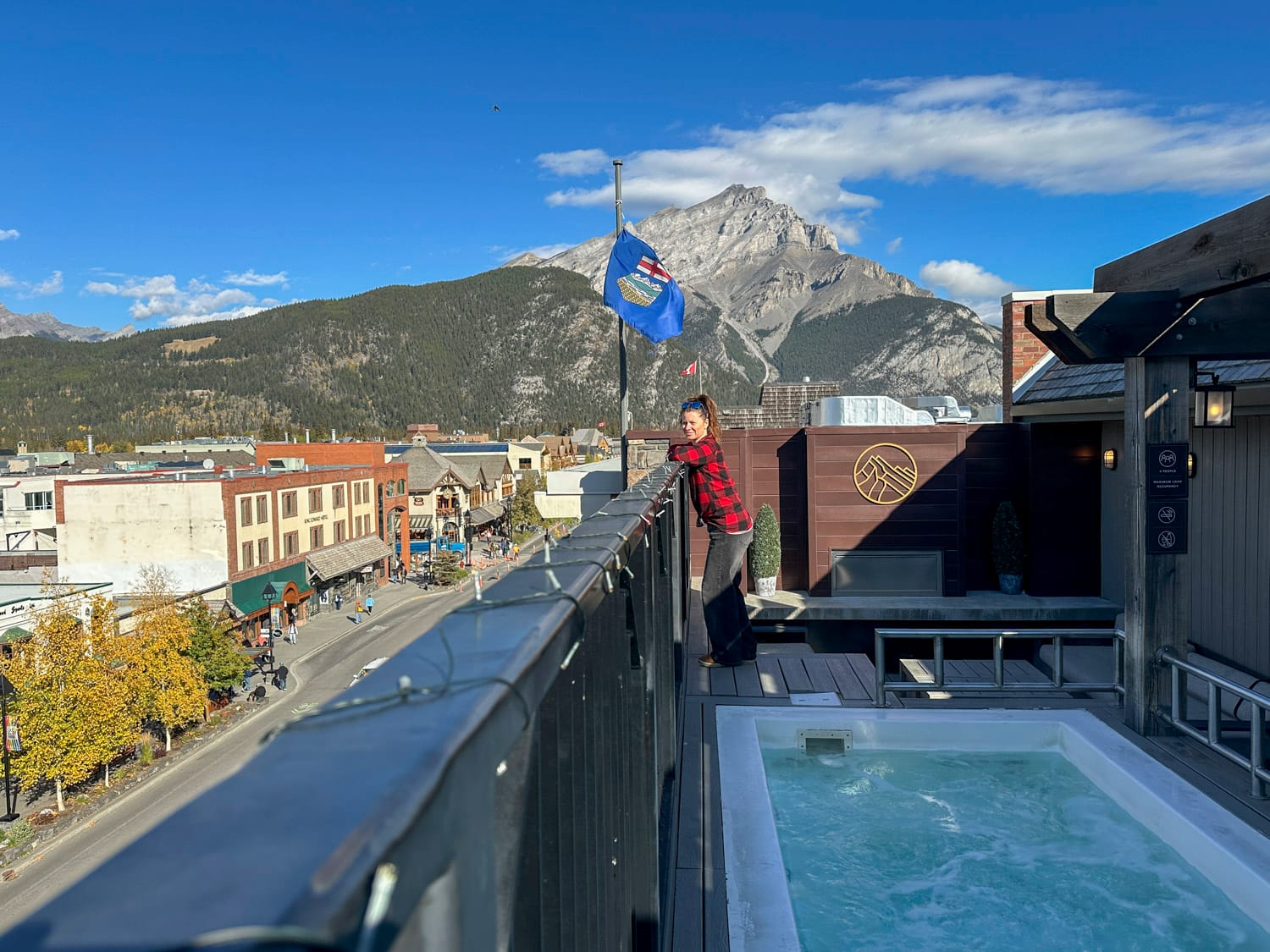
The lobby’s towering cedar beams, the rooftop hot tubs with 180-degree views of Mt. Rundle, the indoor pool, the Meadow Spa, and the famous “inside-out” design (all hallways face the outdoors) make this property an experience in itself.
What makes the Moose Hotel truly special is the history hidden in plain sight — right in the middle of the property sits “The Corner House,” one of Banff’s original mining dwellings from the early 1900s, meticulously restored and available to rent as a hotel room.
With suites featuring kitchenettes, family-style sleeping arrangements, complimentary ROAM passes, and Pacini Italian restaurant on-site, the Moose Hotel consistently earns its reputation as the best family hotel in Banff.
Tunnel Mountain Resort — Best for Families Who Want Space
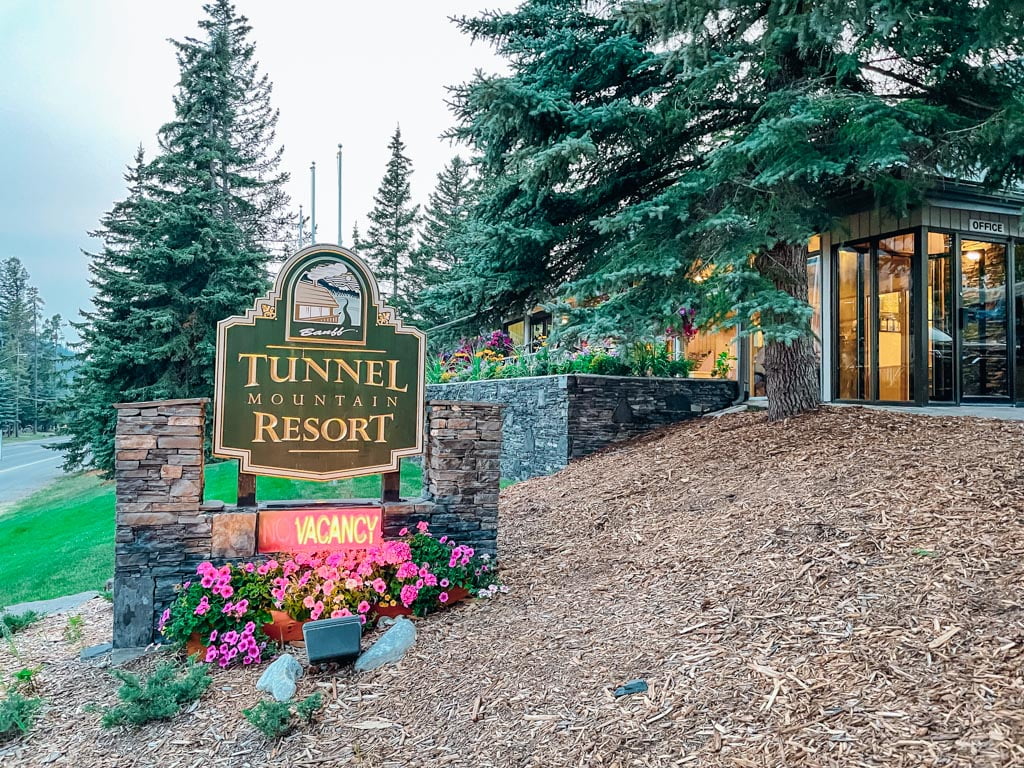
If your family needs more room to breathe — full kitchen, living room, BBQ, wood-burning fireplace — Tunnel Mountain Resort is your answer. What looks like a modest property from the outside opens up into beautifully renovated, two-story condo-style suites with all the comforts of home. Located in the middle of Banff’s mountain biking mecca, with an indoor pool, free ROAM bus pass, and a bus stop right out front (six minutes to downtown), it’s the perfect basecamp for an adventurous family.
The adjacent restaurant The Prow at Buffalo Mountain Lodge is an absolute must for at least one dinner — the kids’ mocktail menu and the popcorn of the day have made it a family favourite for years and we NEVER plan a visit to Banff without stopping at one of our favourite restaurants in Canada!
Mount Royal Hotel — Best Location, Rich History
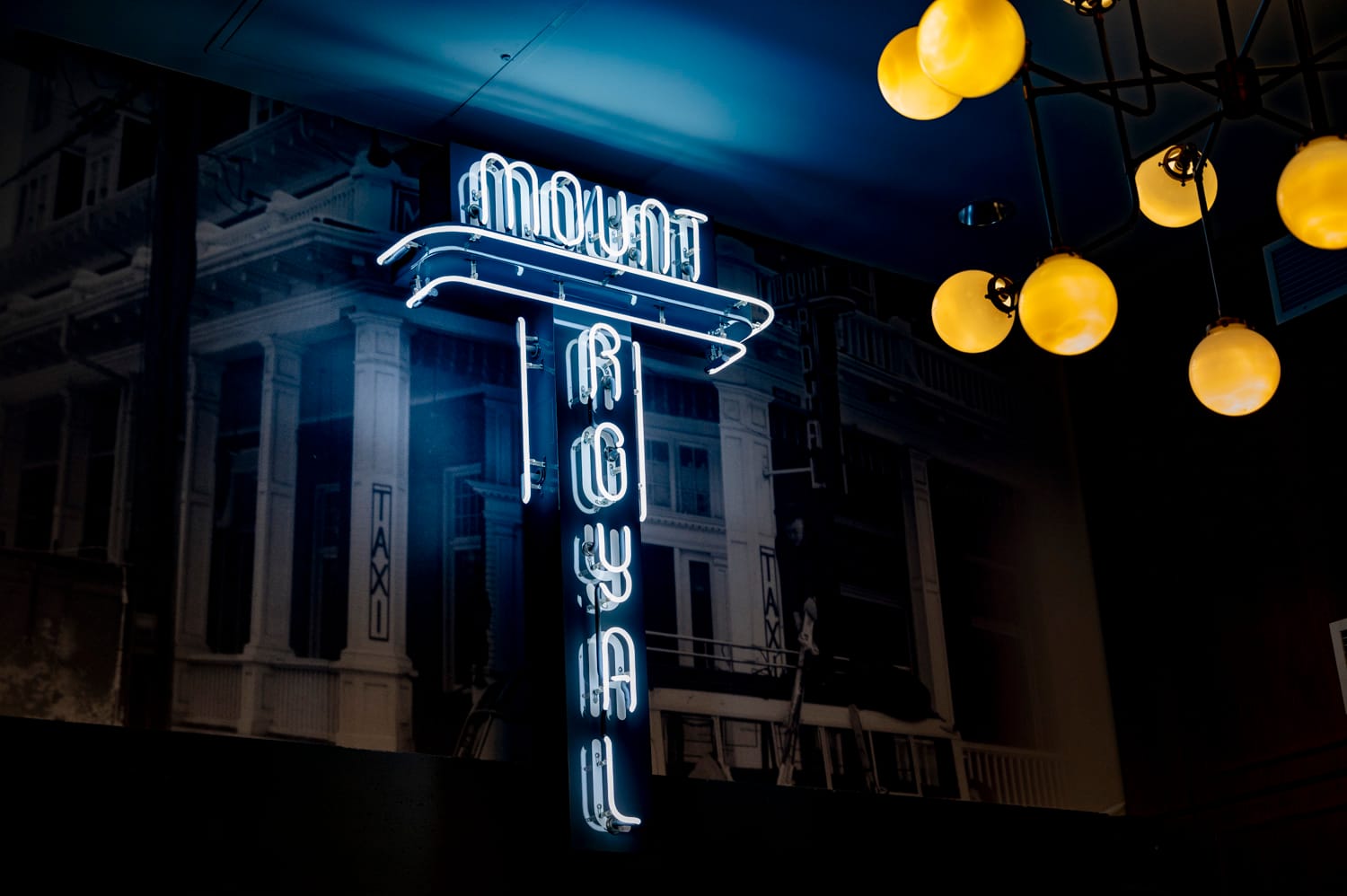
If location is your priority, the Mount Royal Hotel wins. Sitting at the most prominent corner on Banff Avenue, this iconic property has been the heartbeat of Banff since it first opened in 1908 under the name “The Banff Hotel,” originally built by Dave and Annie McDougall of Morley as a 60-guest red brick establishment with a turreted lead roof.
The hotel’s history spans four distinct eras of construction — the 1940s, 1950s, and 1960s expansions are visible in the building’s varied facade, and inside, different sections are distinguished by different interior colours. In March 1967, a devastating fire destroyed the oldest wing of the hotel. The hotel was rebuilt that same year, a testament to its resilience. Then in December 2016, a second major fire gutted the building once more, requiring all 297 guests to be evacuated. Rather than patch the damage, owners Banff Jasper Collection by Pursuit committed to a $45 million restoration — working with historians and the Whyte Museum of the Canadian Rockies to ensure the rebuilt hotel honoured its layered heritage while incorporating modern luxuries.
The result? A hotel that feels like a living museum. Long hallways hung with archival photographs, an original handmade quilt headboard in every room, exposed brickwork, Rundle stone, and cedar shank construction blending with thoroughly modern amenities — including a rooftop lounge with outdoor hot tubs and fire tables.
And downstairs? Brazen — another one of our favourite restaurants in all of Banff. More on that below.
Elk + Avenue Hotel — Best for Groups
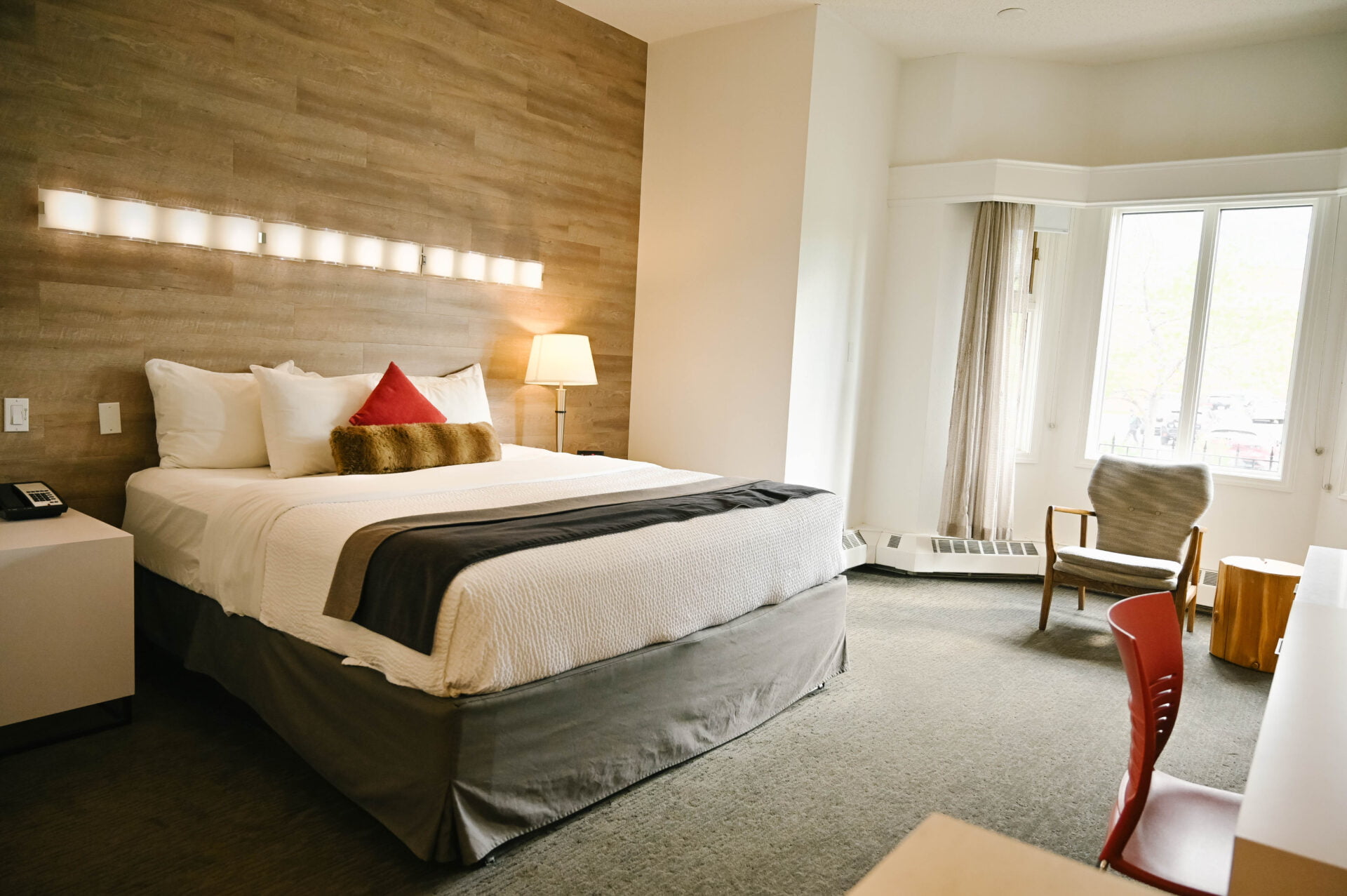
Located at the corner of Elk Street and Banff Avenue, right across from the IGA grocery store in the heart of downtown, Elk + Avenue is a classic Banff property that has recently undergone a significant renovation. The result is a stylish, modern update to a property with deep roots in the community.
What makes Elk + Avenue a standout for groups is the on-site restaurant called Farm To Fire. They have a long table concept featuring a wood-fired oven and long communal tables designed for sharing. Think rotating seasonal menus, fire-roasted pizzas, and the kind of family-style dining where everyone orders a little of everything. It’s a genuinely memorable meal, especially after a big day in the mountains.
Glamping and Camping Accommodations in Banff
Parks Canada oTENTiks — Best for Glamping
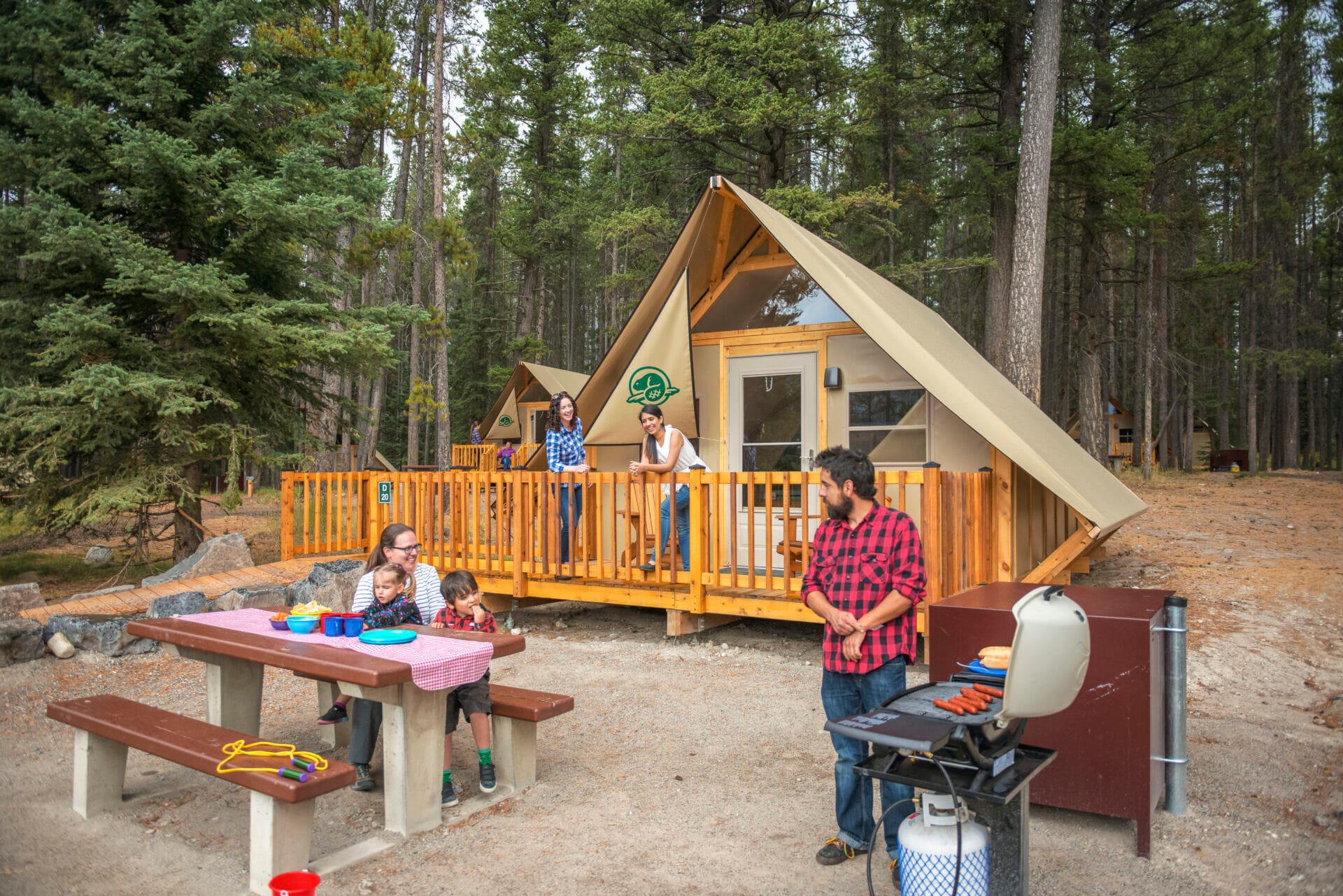
For families or adventurers who want to immerse themselves fully in the national park experience, Parks Canada oTENTiks offers unique glamping-style accommodations right within the park. These aren’t your average campsites — think furnished oTENTiks and ready-to-camp setups with stunning surroundings. They sell out incredibly fast; most spots are snapped up within hours of their release, typically in January or February. Set a reminder and book the moment they go live.
Camping with Parks Canada or Canada Dream RV
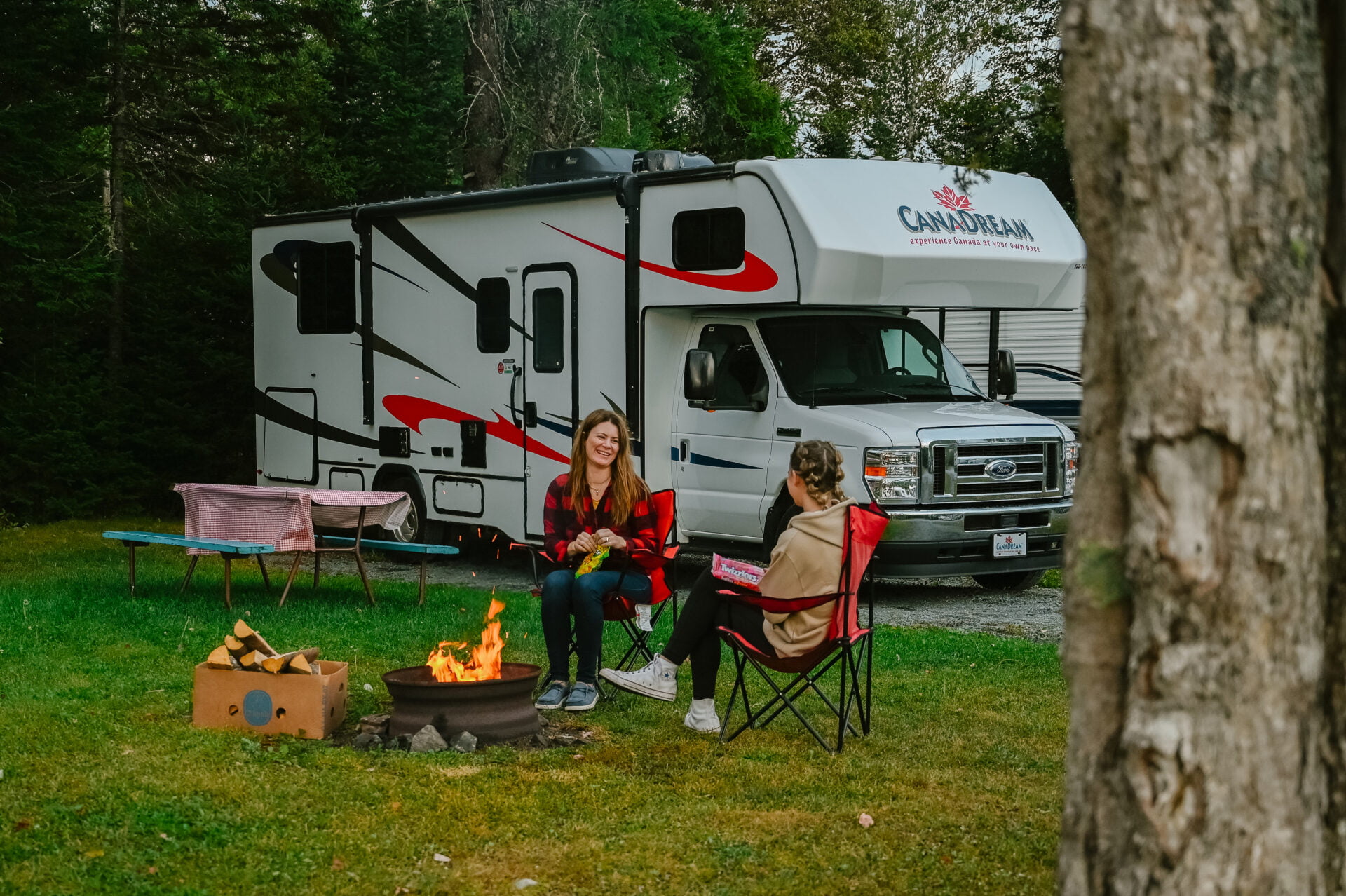
Prefer to sleep under the stars? Banff National Park has some of the most spectacular front-country camping in Canada. Thanks to the Canada Strong Pass, camping fees are discounted by 25% from June 19 to September 7, 2026.
For those who want a step up in comfort without the full glamping price tag, renting an RV through Canada Dream RV is a fantastic option that makes Banff’s campgrounds feel like home. I typically rent an RV from Canadream every year and have driven them all around the country! It’s the ultimate Canadian road trip.
However there are a few things you should know. Campsites in Banff are COMPETITIVE and often sell out as soon as reservations open in the beginning of the year. So be prepared to book when they open, especially if you’re after specific dates. Also, book your RV early and get on their newsletter for discounts.
Your Ultimate Banff Four Days Itinerary
Day 1: Arrive, Explore Downtown, and Find Your Mountain Legs
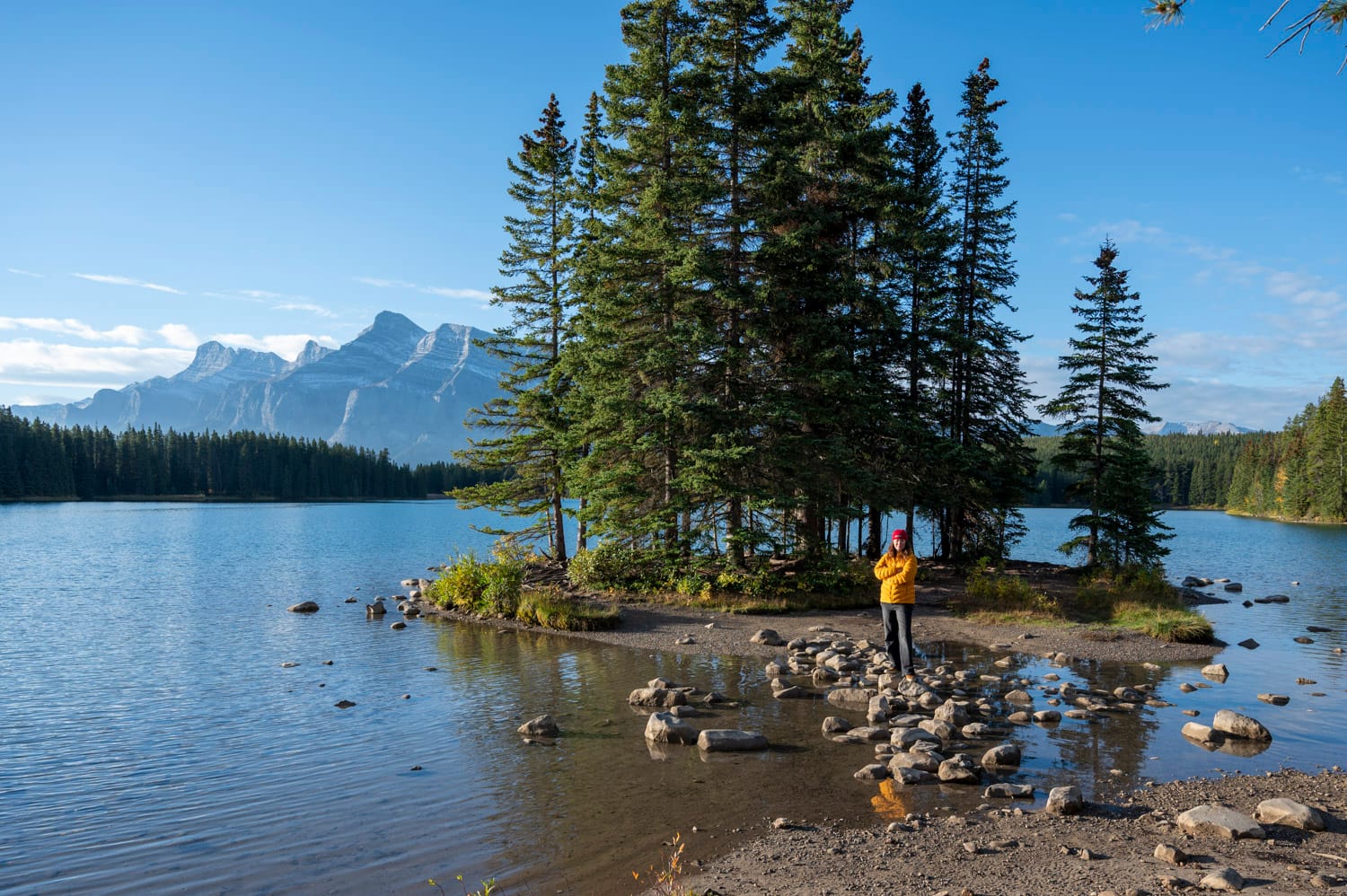
Morning: Arrive in Banff and check into your accommodations. I’ve listed a variety of places to stay, from glamping to luxury, below.
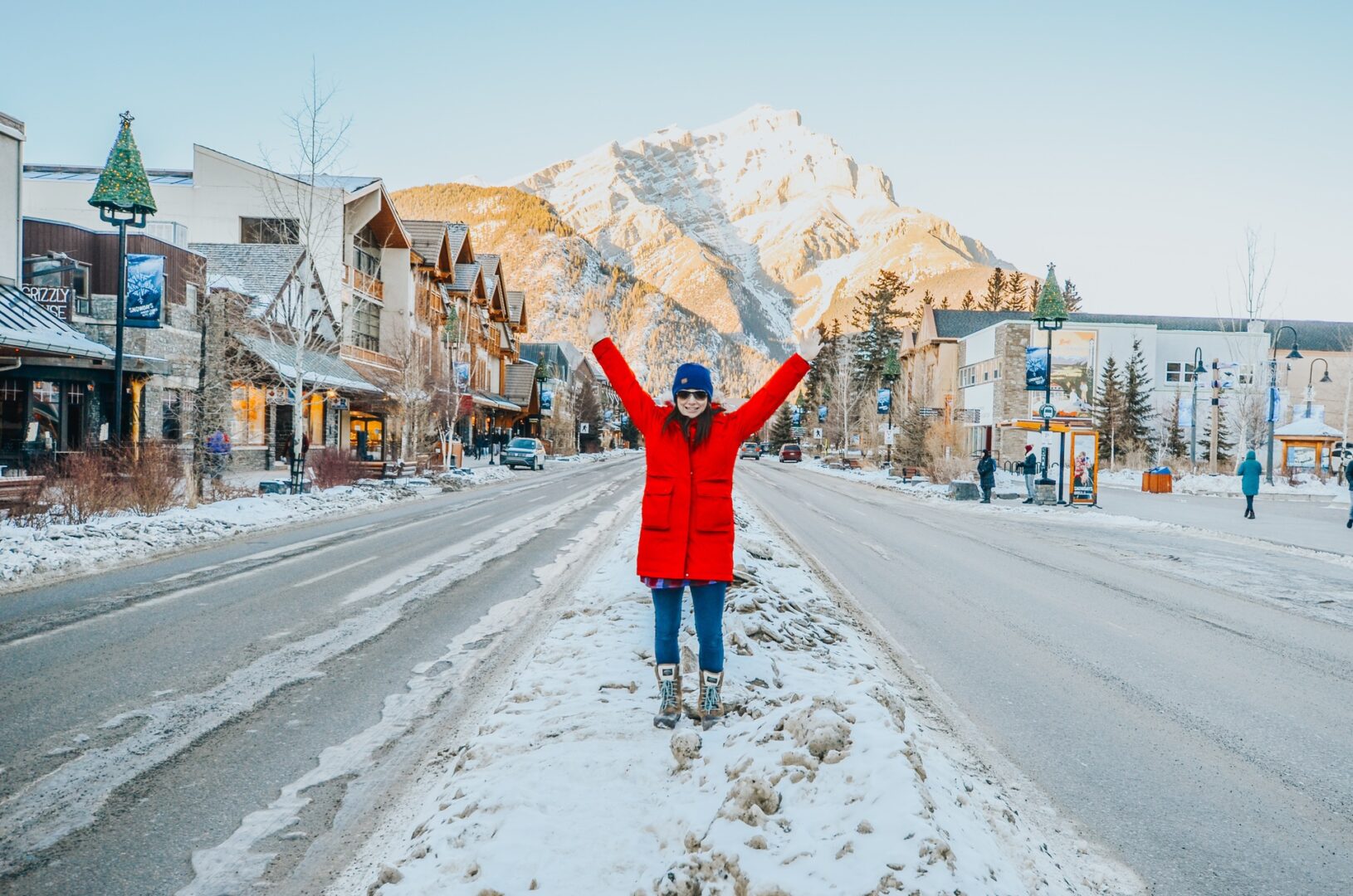
Once you’re settled, head straight to the Banff Avenue strip for your first proper look at the town. It’s tourist-friendly in all the right ways — outdoor gear shops, local jewellers, handmade art galleries, and that unmistakable mountain-town energy. I love walking down the streets and hearing all of the different languages around me. People literally come from around the world and if you listen closely, you’ll hear 20-40 languages around you.
Make sure to stop into the Parks Canada Visitor Centre, located right on Banff Avenue. It’s a great place to orient yourself, pick up trail maps, and find out what’s happening in the park during your visit. (Tip: It can get busy, especially first thing in the morning when everyone is planning their day — try to pop in mid-morning or mid-afternoon for shorter wait times.)
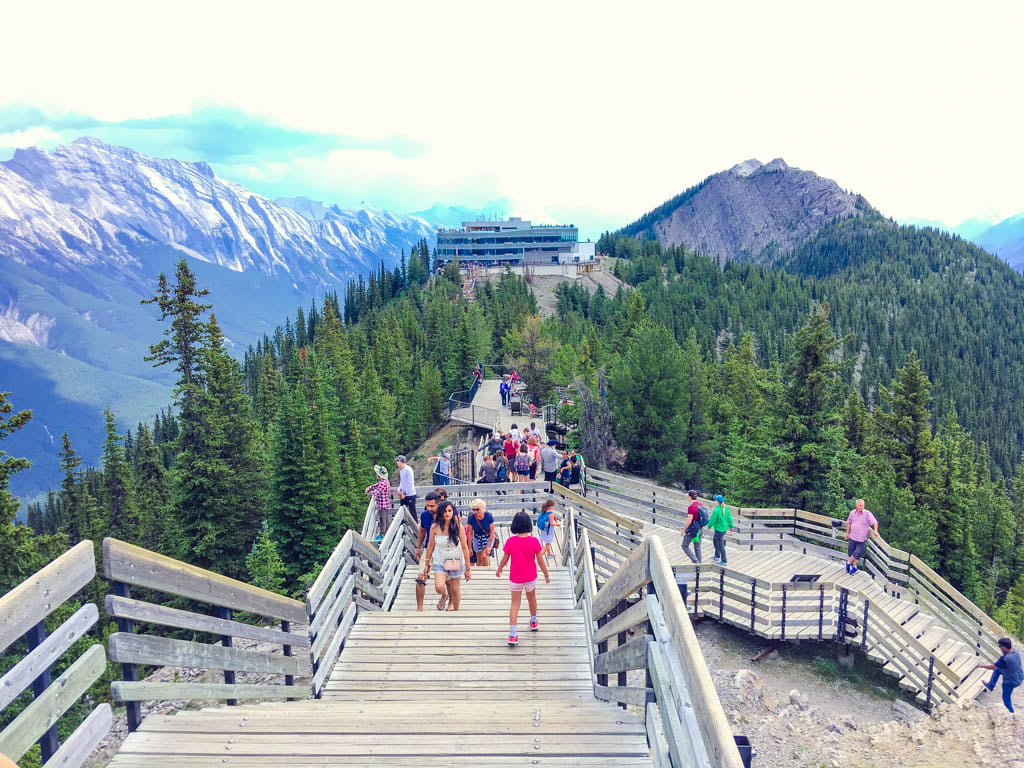
Afternoon: Head up the Banff Gondola for sweeping 360-degree views of six mountain ranges from the summit of Sulphur Mountain. This is one of those experiences that immediately contextualizes just how vast and wild this landscape is.
Evening: Stroll the shops along Banff Avenue — this is your chance to seek out local artisans and gallery pieces that capture the spirit of the Rockies. Then head to dinner at Brazen at the Mount Royal Hotel, one of our all-time favourite restaurants in Banff. The food, the atmosphere, and the Canadian-inspired menu never disappoint.
Day 2: Lakes, Culture, and Karaoke

Early Morning (Book in advance!): This is your Moraine Lake and/or Lake Louise day. Moraine Lake — one of the most photographed lakes in the world — no longer allows private vehicles during peak season. You must take a Parks Canada shuttle or book a private tour through a company like the Moraine Lake Bus. We highly recommend booking through the Moraine Lake Bus — the earlier you book, the better the price. (Don’t do what I’ve done before and book last minute and pay a PREMIUM!)
I recommend an early morning on this day if you’re not jet lagged. It’ll be busy anytime you go but between 1-3 is peak hours. The light on those turquoise waters in the morning is absolutely otherworldly. But the sun doesn’t come up and hit the lake until around 10 am in the summer, so if you’re adventurous, I’d hit the hiking trails up to Sentinel Pass, spend your morning there, and then sit lakeside in the afternoon. Here’s a link to an article from when we hiked up to Sentinel Pass during larch season in the fall.
If you can only do one, do Moraine Lake, don’t. Honestly, you’re within minutes of Lake Louise and the buses will take you there. Make time to see both as they are equally beautiful but uniquely different.
Afternoon: Back in Banff, head to your hotel for some downtime after your big adventure day!
Evening: Dinner at Hello Sunshine, Banff’s beloved Japanese restaurant on Banff Avenue. The modern decor is a feast for the eyes, the sushi is excellent, and if you’re with a group, book one of the private karaoke rooms in the back. It’s a side of Banff that surprises every first-timer.
Day 3: Get Moving — Bikes, Trails, and a Luxury Picnic
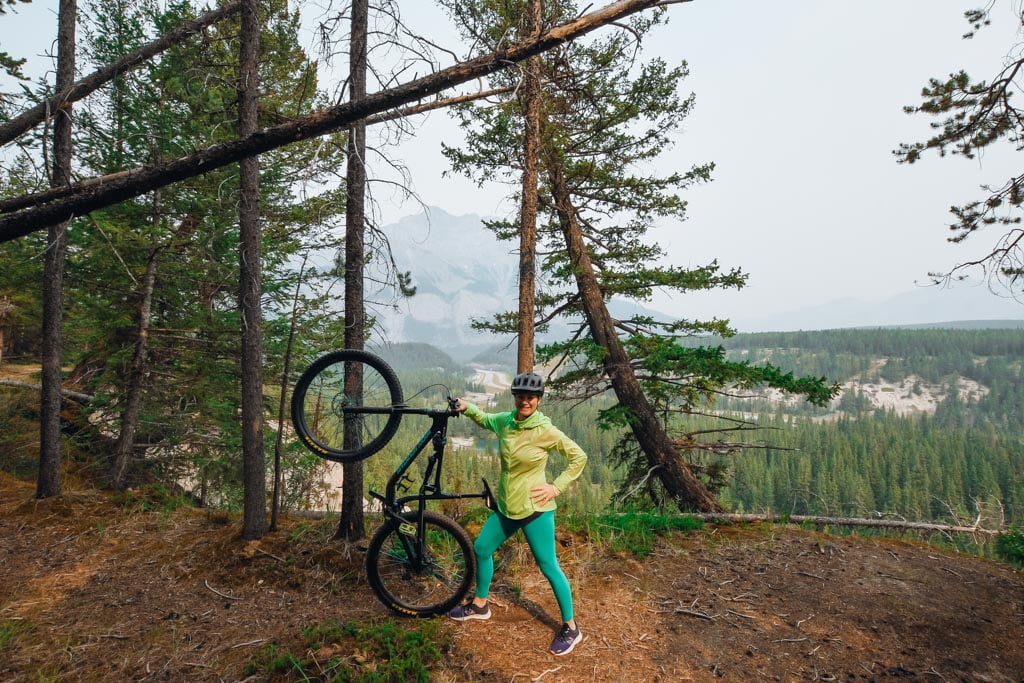
Morning: Today is your active adventure day. Lace up, saddle up, or charge up — whatever your speed.
Option A: Family Mountain Biking with Bikescape: For adventure seekers who want to get off the road and into the trails, check out locally owned, Bikescape. Clare McCann’s was the first mountain bike company approved to run business in Banff and she offers a great way to get into the back country on trails that will take you to amazing viewpoints. A trip to Banff isn’t complete without a trip with Clare!
Option B — E-Bike the Bow Valley Parkway:
This is one of the most spectacular cycling experiences in the Canadian Rockies, and thanks to Parks Canada’s vehicle closure pilot program (in effect April 30 to June 25 and September 1 to October 6), a 17 km stretch of the Bow Valley Parkway is closed to public vehicles — leaving the road entirely to cyclists and walkers.
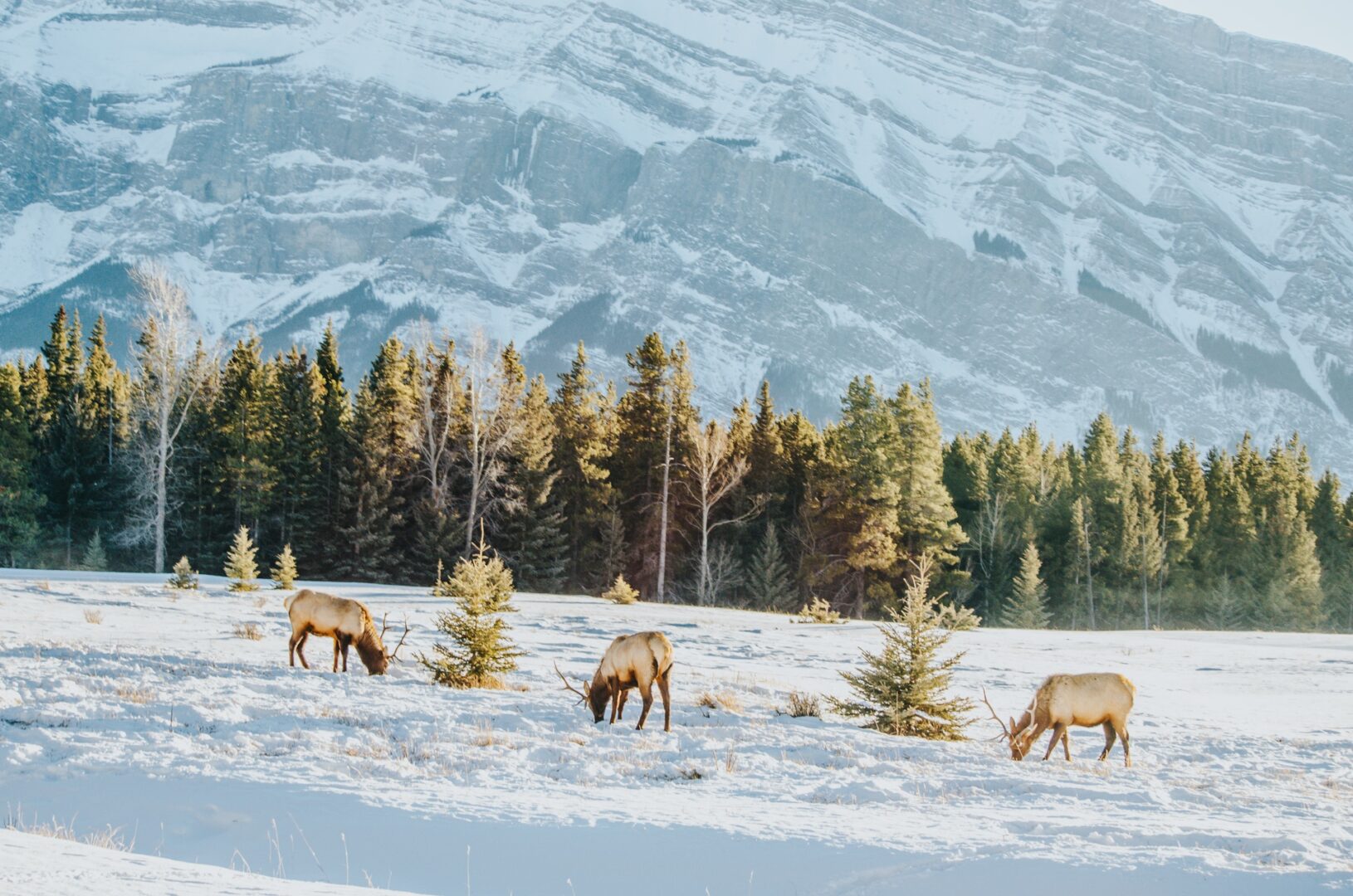
The route from downtown Banff to Johnston Canyon is 25 km one-way (56 km return), which is exactly where an e-bike earns its place. You’ll pedal through the Bow Valley, spot bears, and potentially ride right through a herd of bighorn sheep (it happens!) before arriving at Johnston Canyon for the waterfall hike. This is a genuinely unforgettable experience — accessible, awe-inspiring, and a little wild. (The odds of you seeing wildlife is high, like mountain sheep and bears thrive in this area. Know what to do if you see a bear and bring bear spray)
There are a lot of ebike rental companies in Banff for you to choose from.
Note: During July and August, the Bow Valley Parkway is open to all vehicles. The e-bike tour runs year-round; check current closure dates before booking.
Afternoon: Join a Discover Banff Photography Tours guided experience for a deeper look at the park’s history, wildlife, and hidden gems with a local expert.
Evening: If you’re staying at the Moose Hotel or Tunnel Mountain Resort, tonight is rooftop hot tub night. You’ve earned it.
Day 4: Day Trip, Drive, and Departure
Morning: Before you head out, grab breakfast at Wild Flour Bakery — a Banff institution famous for its artisan breads, pastries, and coffee. When I go, I literally order their gluten-free muffins in advance and take them home with me. They are delicious!
Option A: Big Road Trip Adventure:
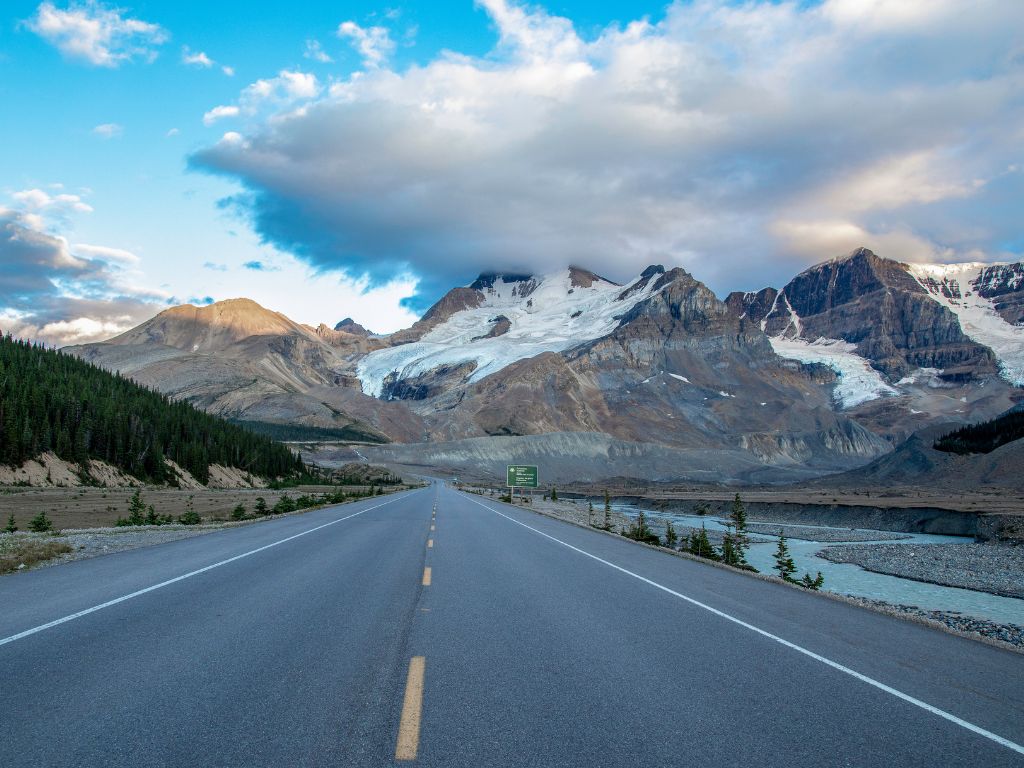
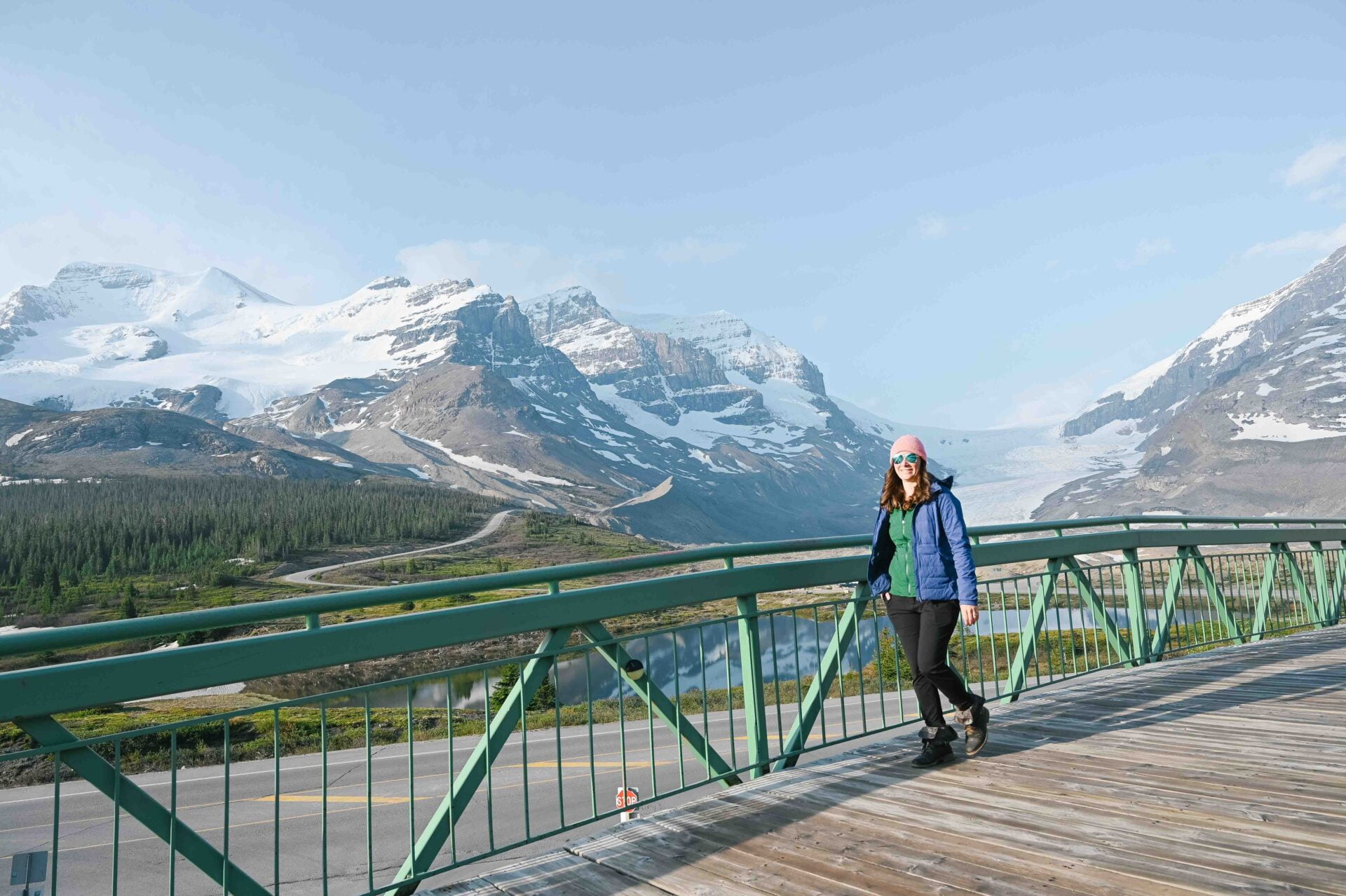
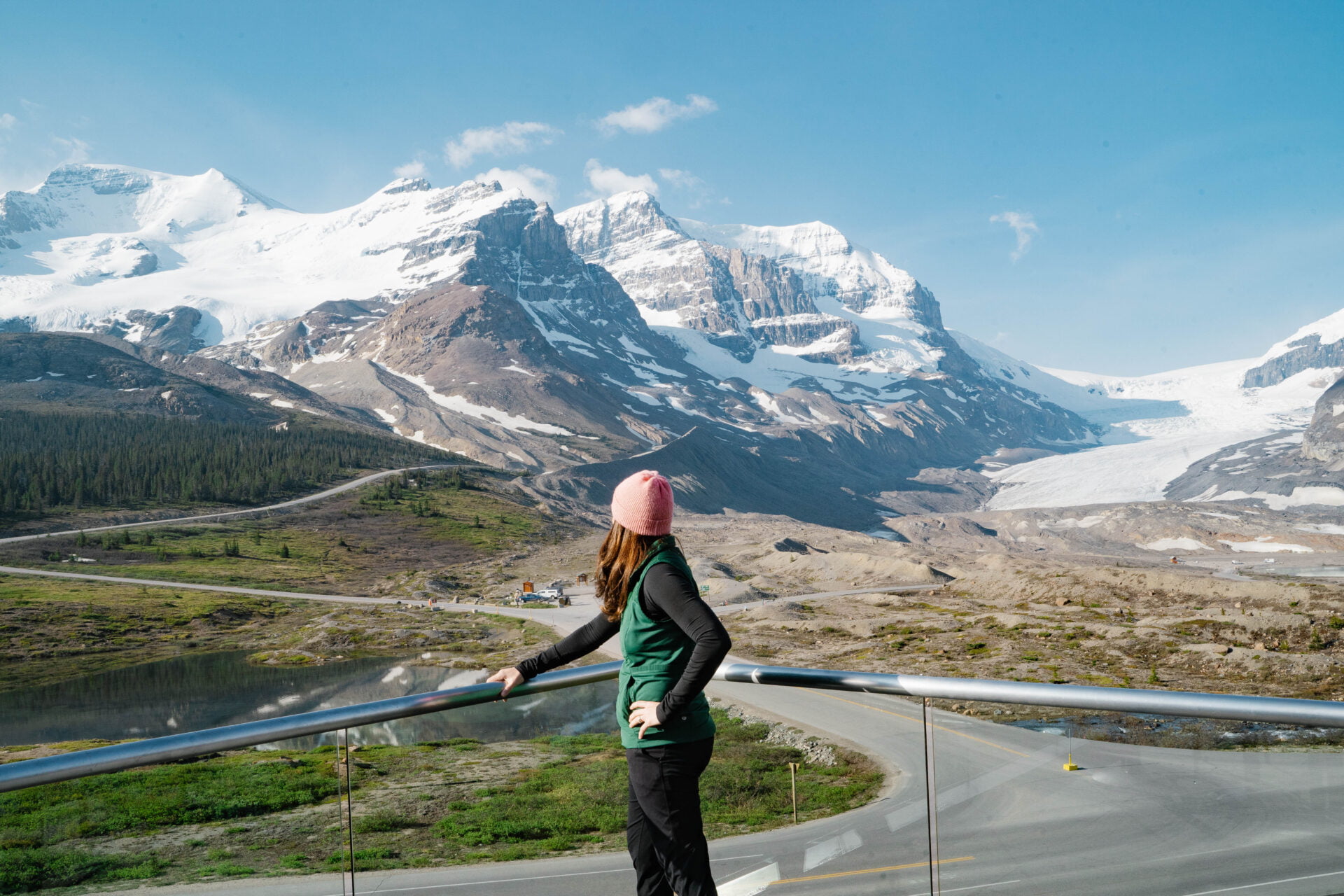
The Icefields Parkway Drive: If your schedule allows, the drive from Banff toward Golden and Jasper along the Icefields Parkway (Highway 93) is one of the most spectacular road trips in the world. You’ll pass glaciers, turquoise lakes, and mountain vistas that put Canada on the international travel map.
Key stops heading toward Golden include Peyto Lake, Bow Lake, and the Columbia Icefields. If you have time, pull over for every single viewpoint — and hike ALL the hikes.
Option B: Take a Hike (Guided one that is!)
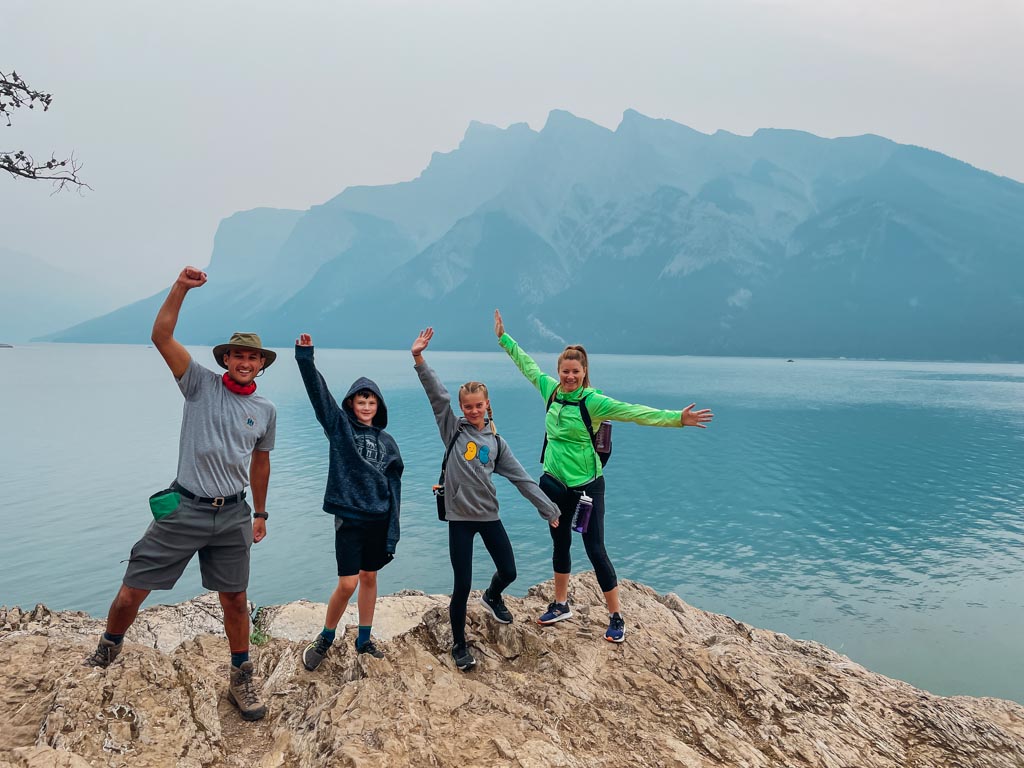
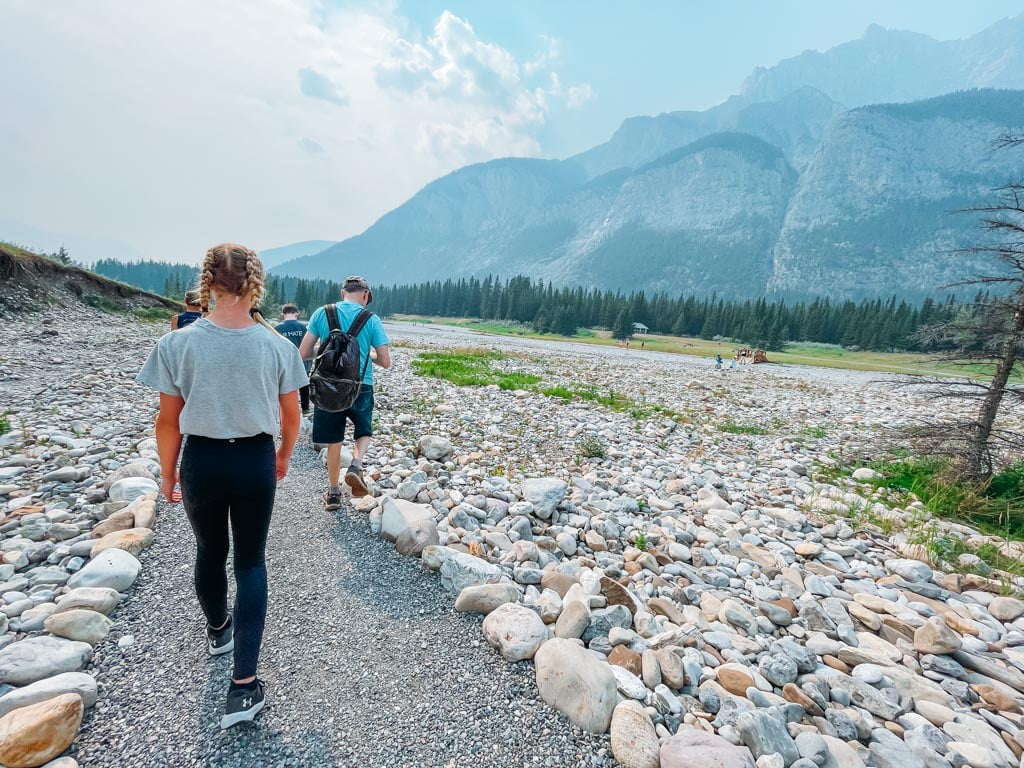
One of our most cherished family memories is when we went on a guided tour with local guide Sam. He picked us up from our hotel and took us into the backcountry to explore lesser known trails. We were in grizzly season so had to travel in packs of four and know how to traverse the region. (Fun fact: If you are caught in the region with less than 4 people you’ll face a $25,000 fine!)
With so many AMAZING hikes to explore, doing it with a local guide is one of the best investments you can make. They will take care of navigating trail conditions, hiker ability, educational points, show you the best views, and even bring snacks!
Option C: Local Educational Indigenous Experience
What to Do in Banff: Activity Guide
Parks Canada Experiences (Don’t Miss)
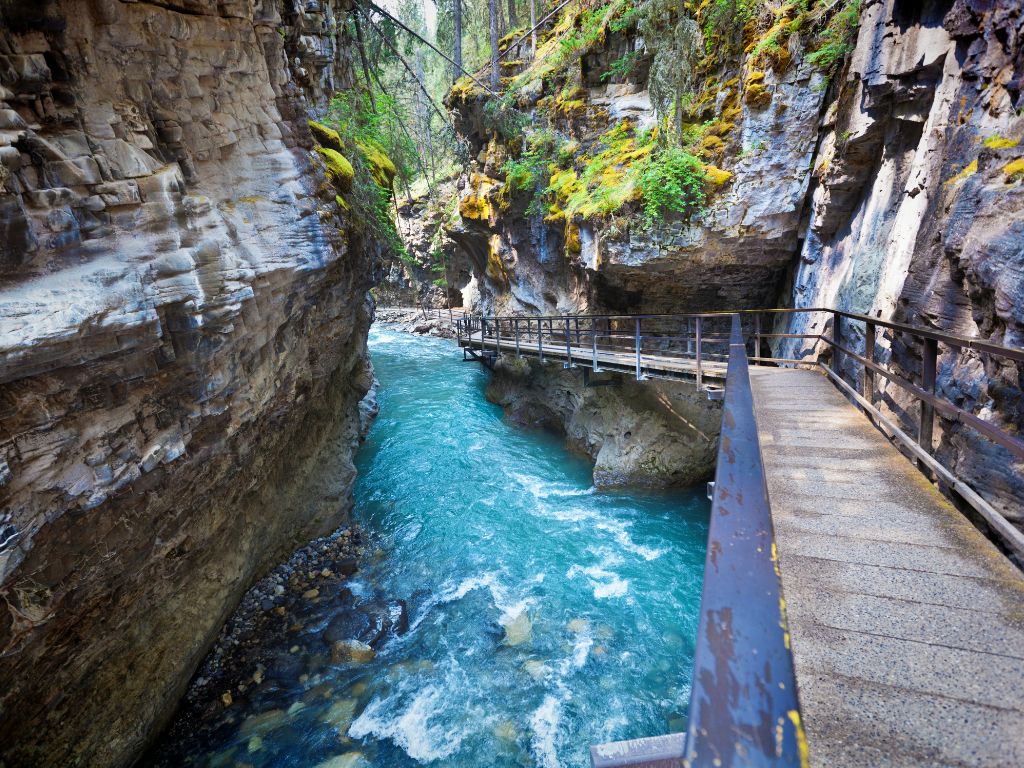
- Johnston Canyon: One of the most beloved hikes in Banff. Easy to moderate trail leads to stunning lower and upper waterfalls, and if you’ve got the legs, continue all the way to the Ink Pots — a series of colorful cold thermal pools in a peaceful valley. About 7 miles round trip to the Ink Pots.
- Banff Upper Hot Springs: A must-do, especially after a long day of hiking. You can even rent retro bathing suits for a gloriously campy soak in the mountain hot springs.
- Banff National Park Visitor Centre: Your first stop for maps, trail conditions, and park updates.
- Cave and Basin National Historic Site: Where it all began. This is the site of the hot springs discovery that led to the creation of Canada’s first national park. The caves, the history, and the warm springs are fascinating for all ages.
- Hike – There are too many hikes to mention in Banff so if you are adventurous at all be sure to get out and explore! (I highly recommend hiring a guide!)
Adventure Activities
- E-Bike Tour on the Bow Valley Parkway — 56 km round trip to Johnston Canyon via car-free road
Tours & Tickets
Free and Easy: No-Cost Banff Experiences
Banff has a TON of walking trails that are close to town and bring you great views of the river, the rocks, and the town. Pack a lunch and head out for the day exploring. If you have a car there are a lot of great micro road trips that’ll take you to trail heads and beautiful lookouts. Connect with the Parks Canada staff so they can advise you on the best trails based on your interests and ability.
Shopping and Local Art
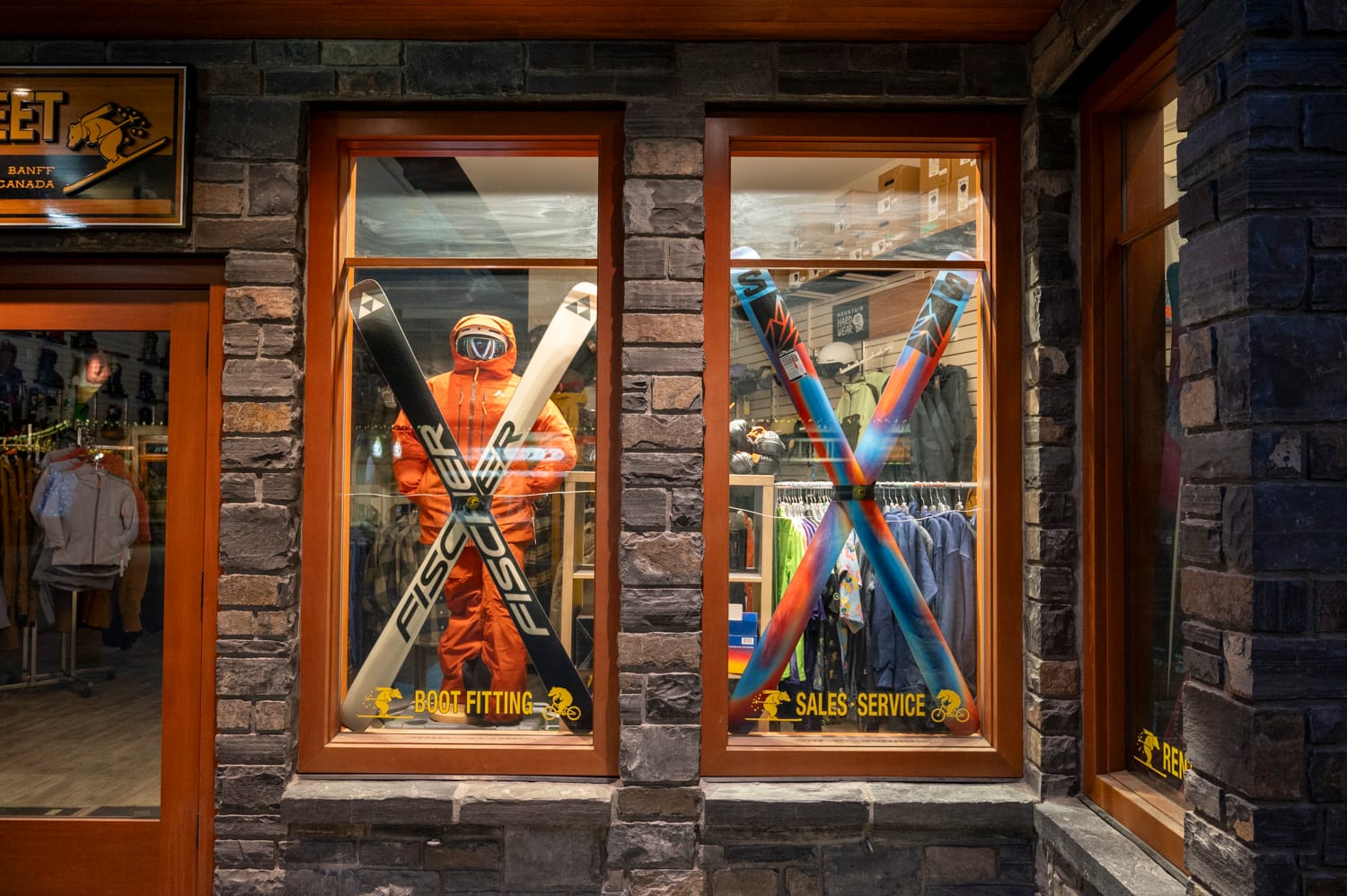
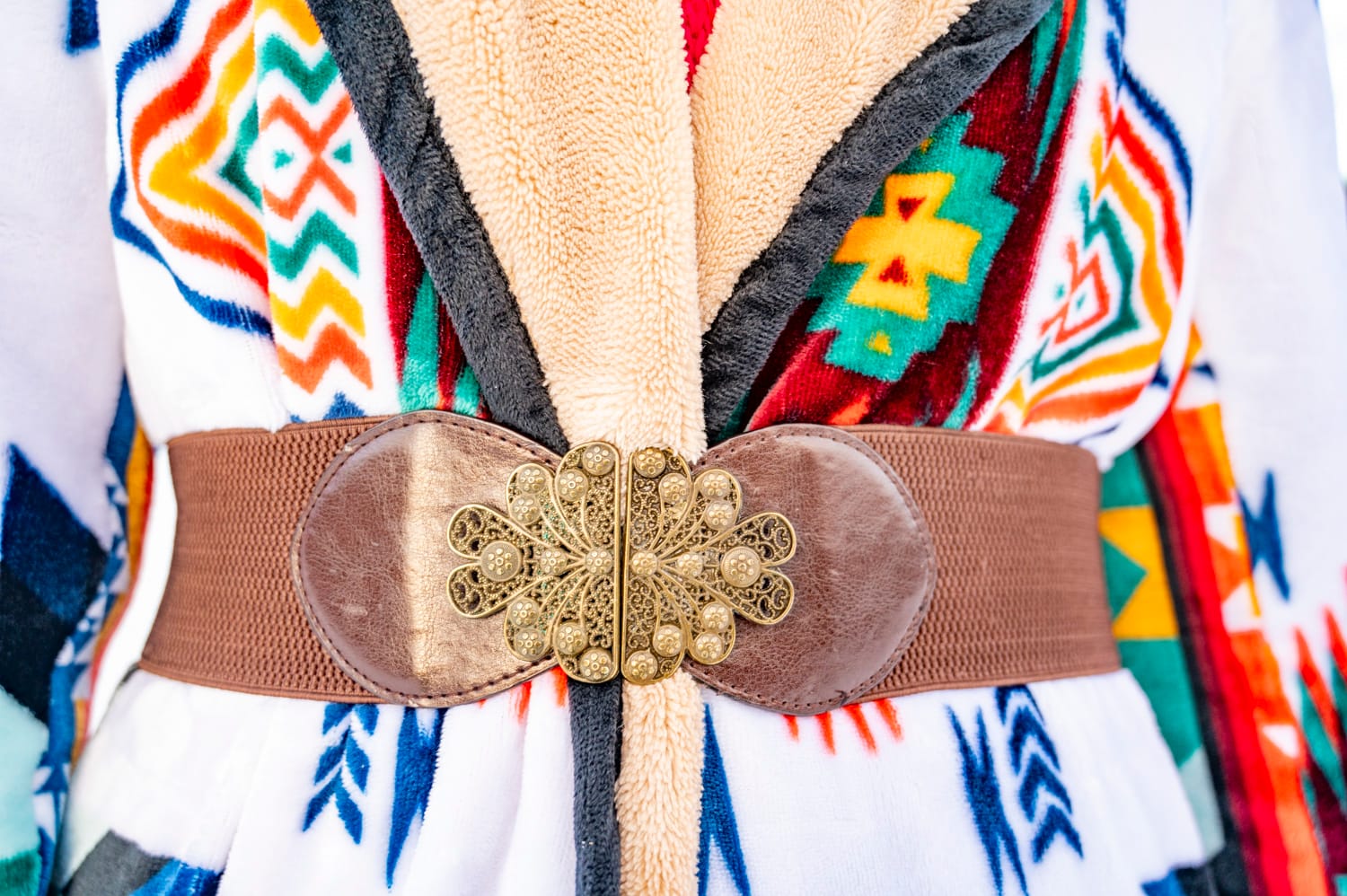
Downtown Banff Avenue is a surprisingly rich destination for local art and artisan goods. Beyond the souvenir shops, seek out the galleries and independent stores showcasing Indigenous art, local photography, handmade jewelry, and mountain-inspired crafts. It’s a wonderful way to support local artists and bring home something genuinely meaningful from your trip.
Seasonal Experiences
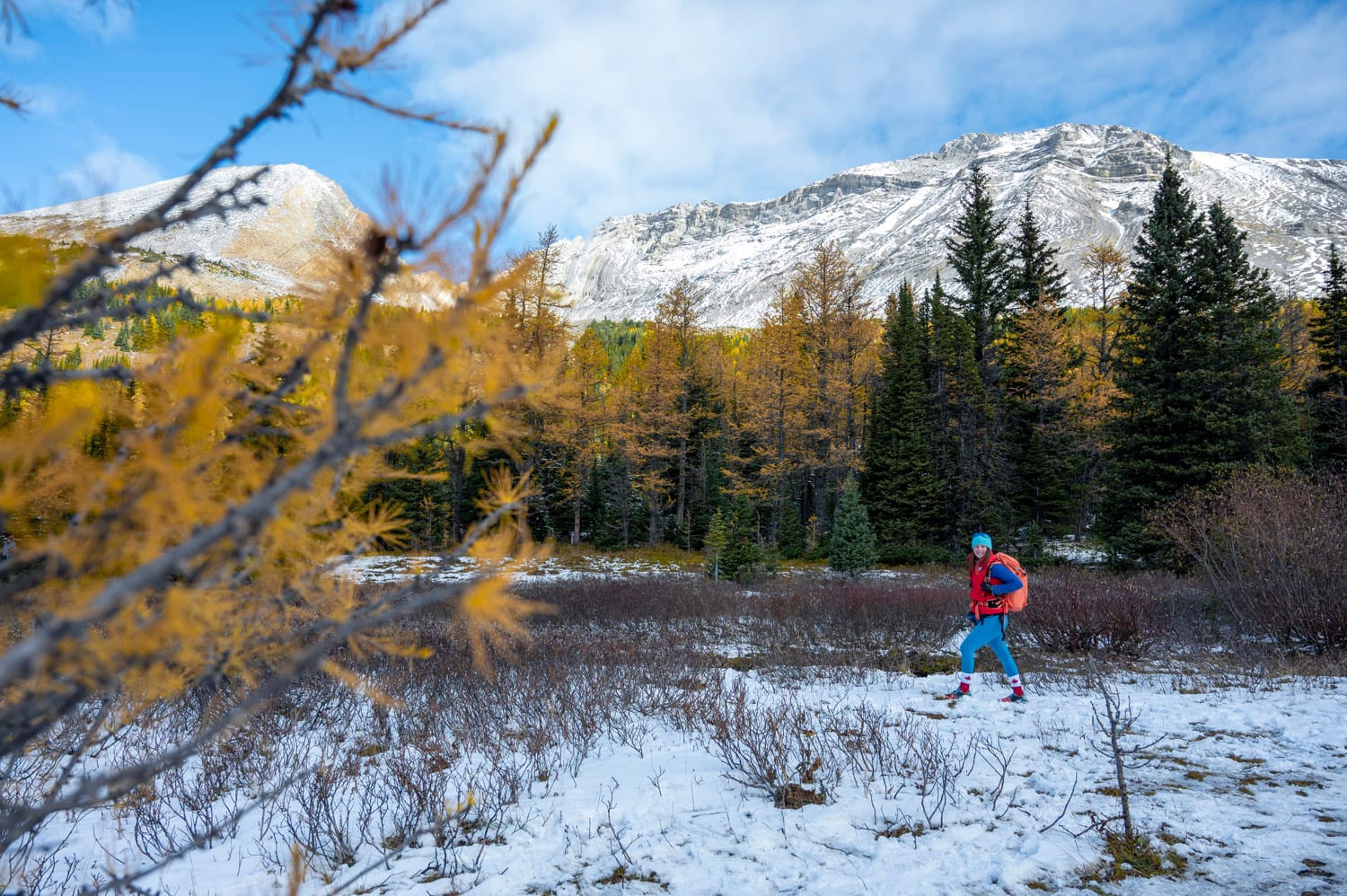
Fall — Larch Season: The annual larch season in September and October is one of Banff’s most spectacular events. The subalpine larch trees turn a vibrant, shimmering gold, transforming the high alpine into something out of a fairy tale. This is bucket-list Canada.
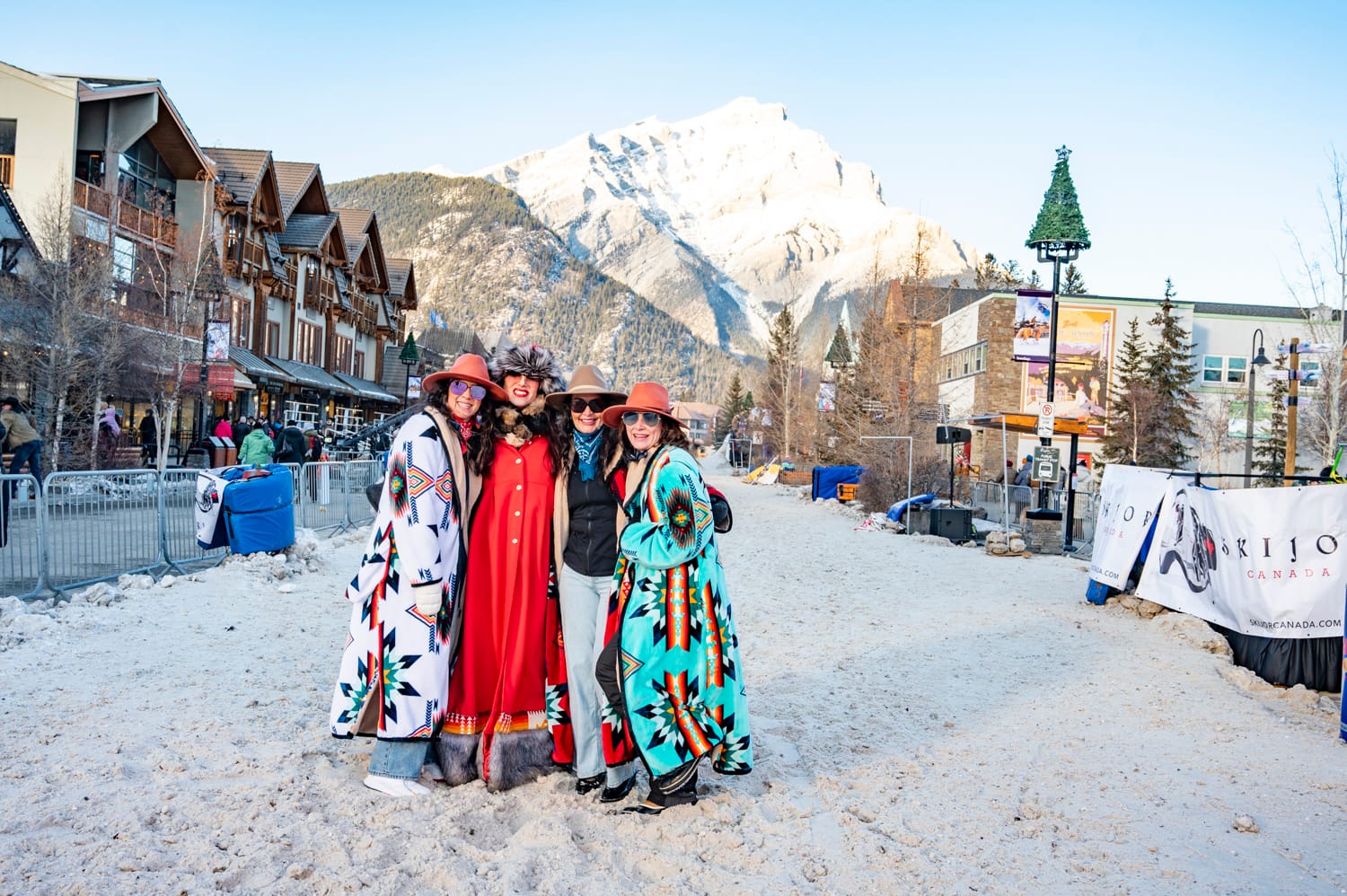
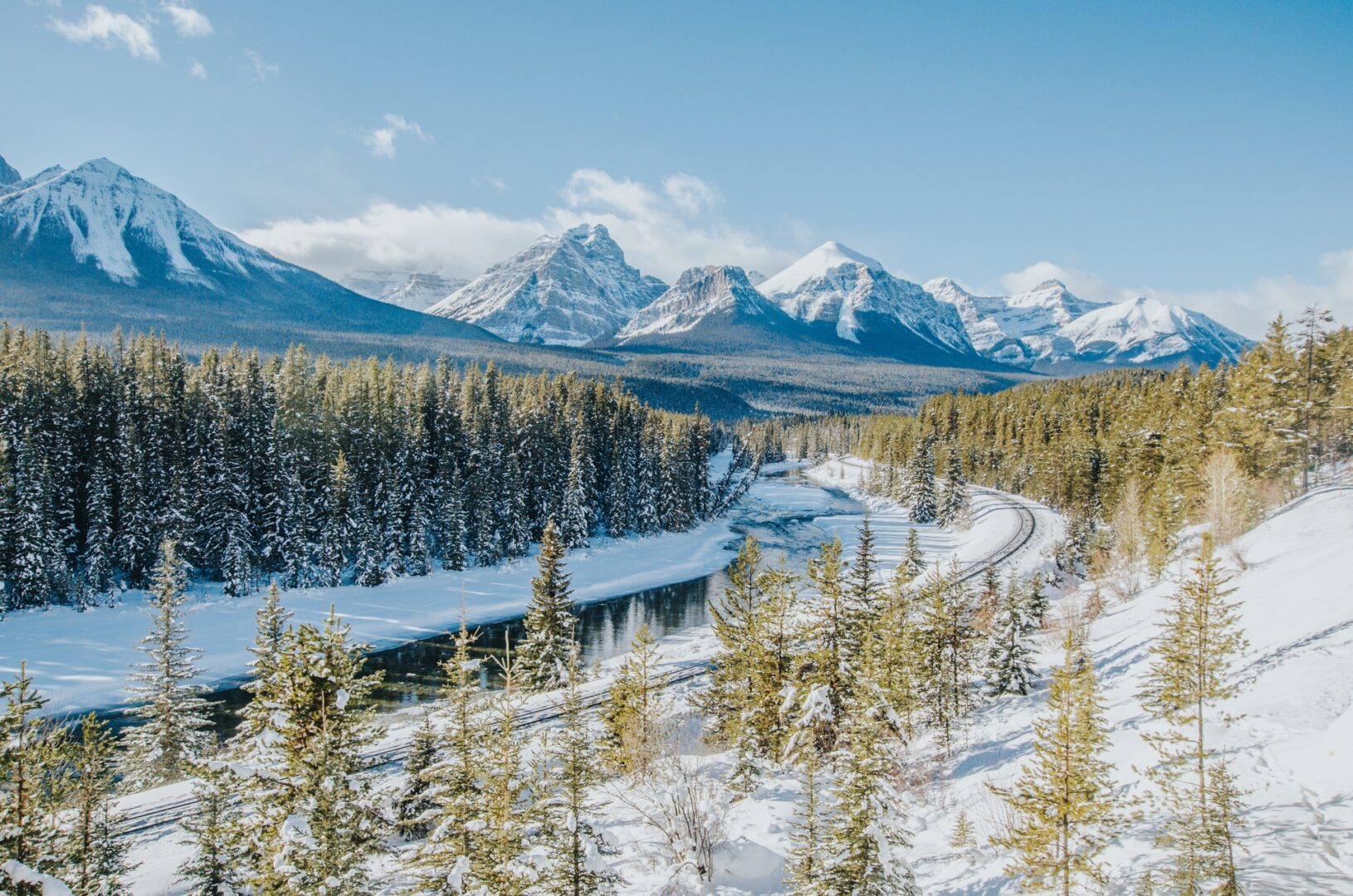
Winter — Skijoring: If you visit in winter, skijoring — the wild and wonderful sport of being pulled on skis by a horse — is a uniquely Banff experience that you won’t find many other places on earth.
Where to Eat in Banff
The Prow at Buffalo Mountain Lodge – Our #1 Pick
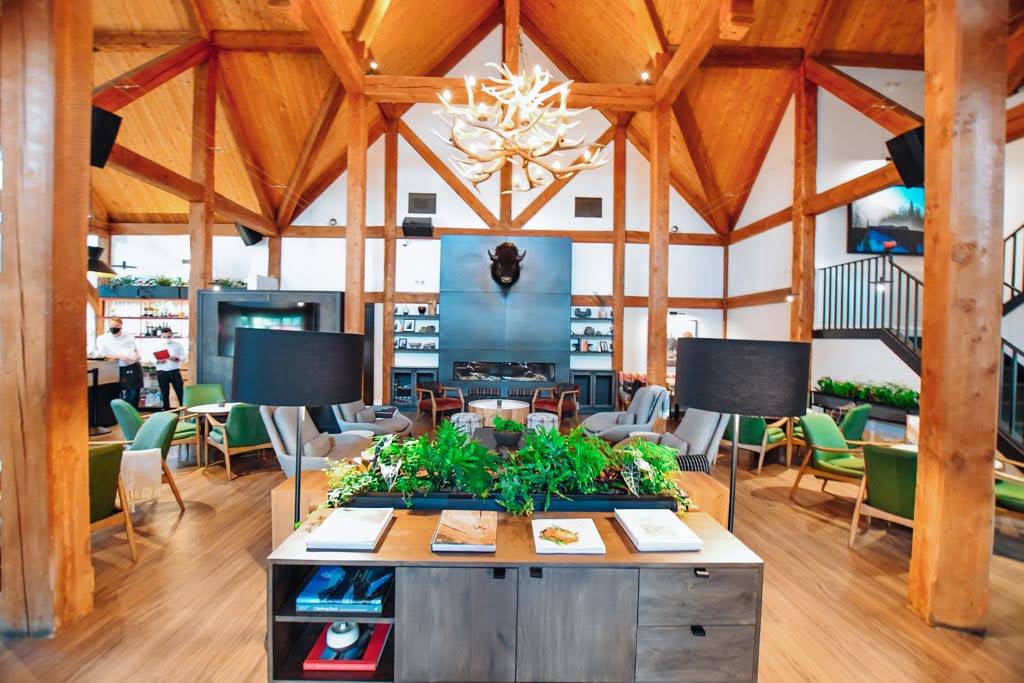
Located across from Tunnel Mountain Resort, The Prow is a chic mountain restaurant with a menu centred around mountain shareables, local game, and house-made pastas. The kids’ mocktail menu is a hit, and the popcorn of the day is genuinely one of the best things about the experience.
Brazen
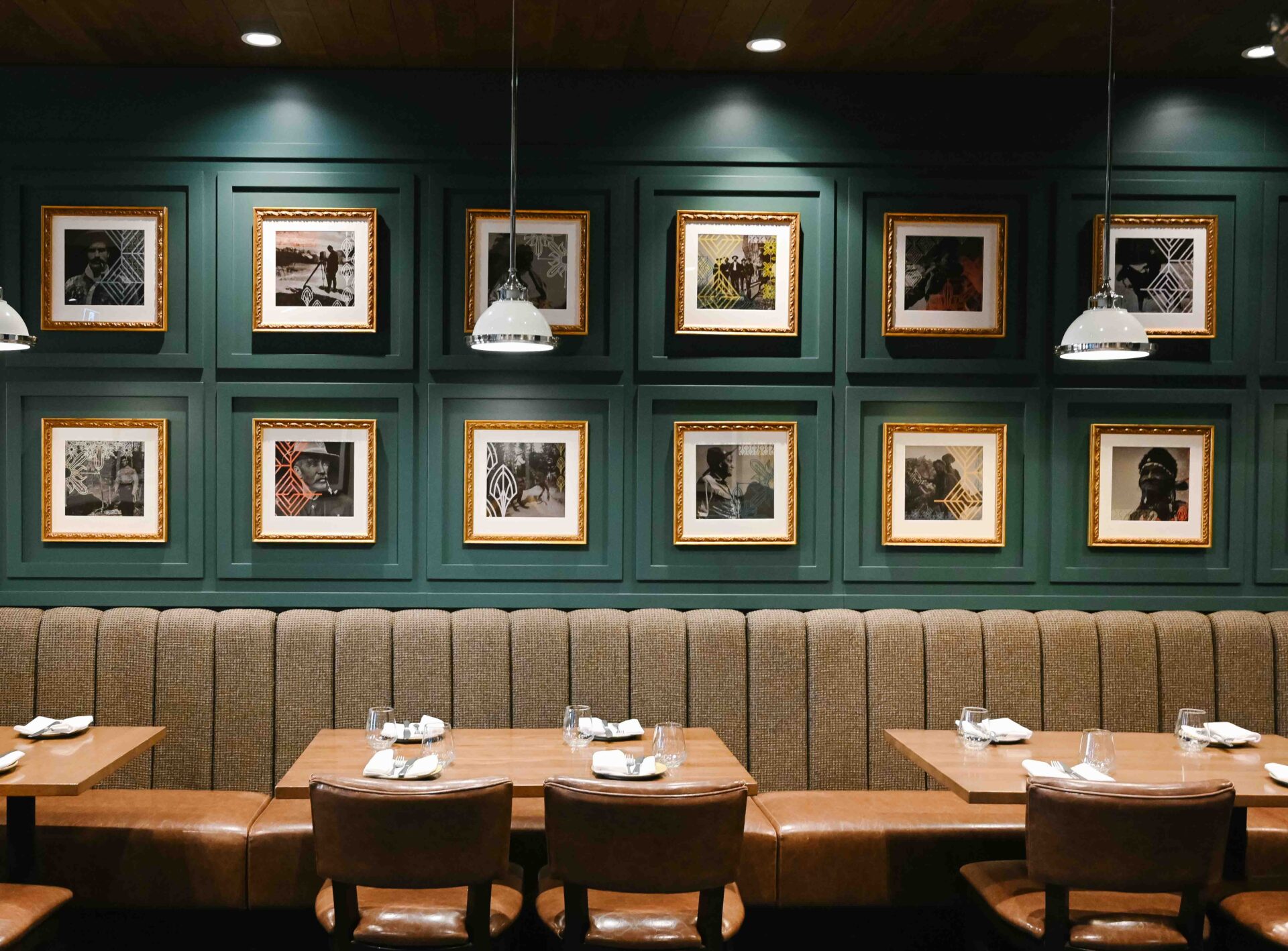
Located at the Mount Royal Hotel, Brazen is our top restaurant recommendation in all of Banff. Canadian-inspired menu, exceptional quality, the kind of meal you’ll be talking about long after you leave.
Hello Sunshine
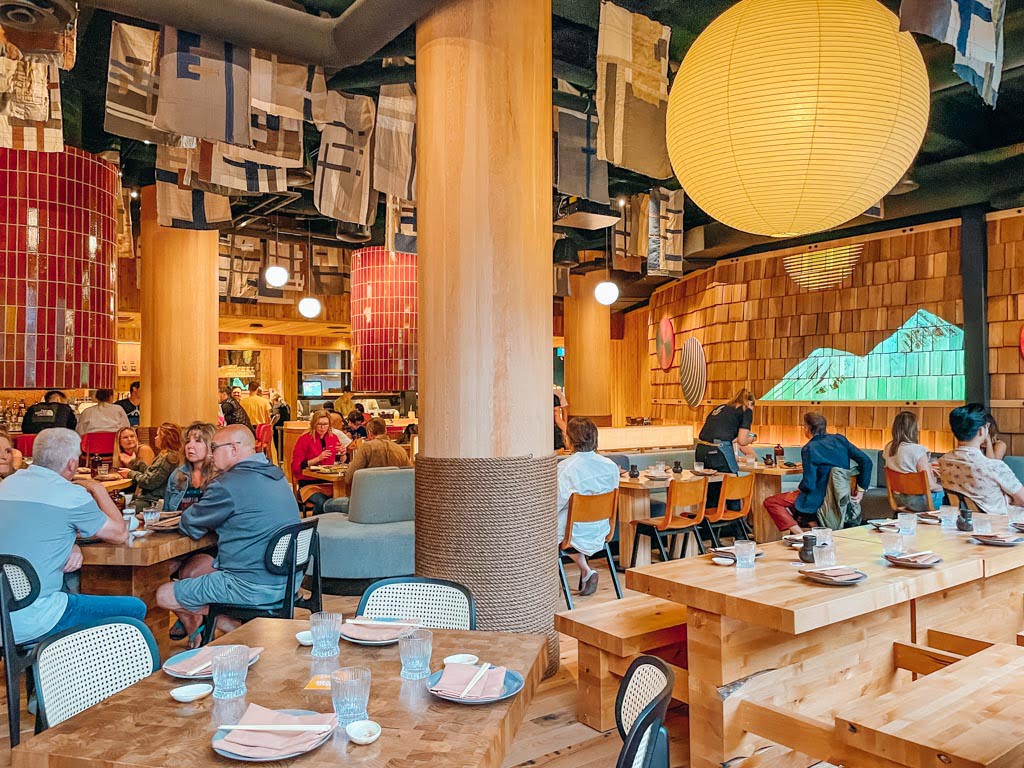
Banff’s go-to Japanese restaurant. Modern, fun, delicious, and if you’re with a group, book a private karaoke room in the back. A genuinely surprising and memorable night out.
Wild Flour Bakery
An absolute Banff institution. Artisan breads, pastries, soups, and excellent coffee. Perfect for breakfast or an afternoon treat. I go here for breakfast every morning every time I’m in Banff. And on my last day, I stocked up on supplies!
3 Bears Brewery and Restaurant
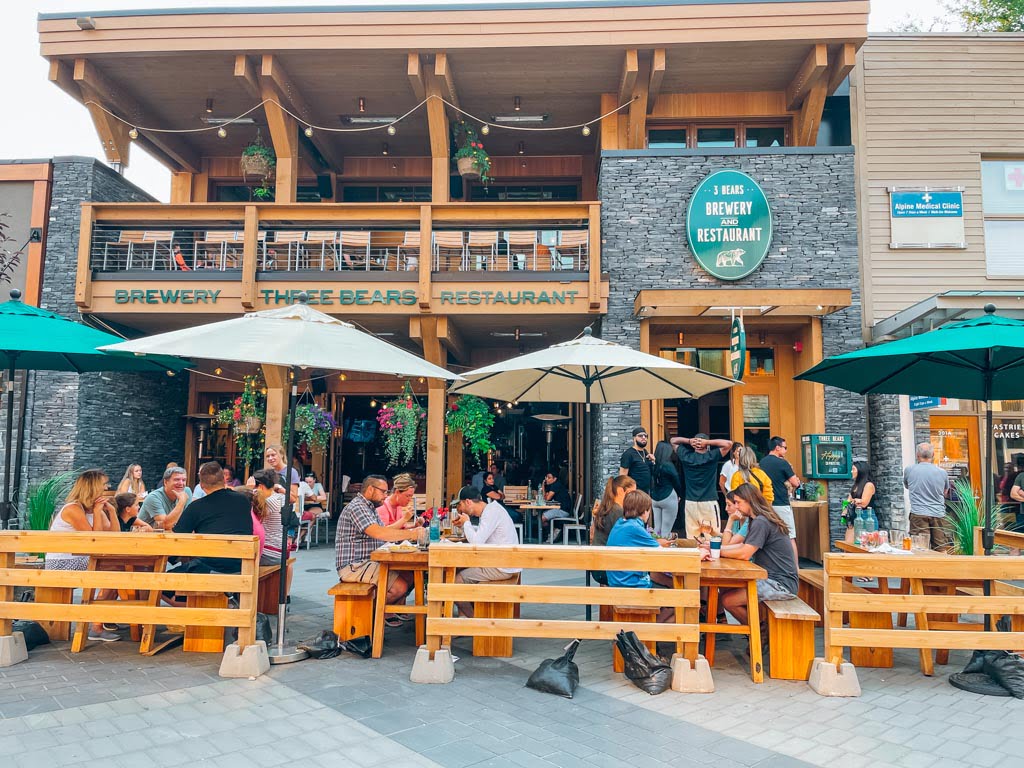
Three floors, three vibes — patio, main floor, or rooftop. Great local craft beers, solid burgers, and a fun atmosphere that works for the whole family. Classic apres-adventure dining.
Frequently Asked Questions
Yes — unless you’re visiting between June 19 and September 7, 2026, when admission is free for all visitors thanks to the Canada Strong Pass. Outside those dates, daily passes are required. Adults $12.25, family/group $24.50. The Parks Canada Discovery Pass ($83.50/adult, $167.50/family) is great value if you’re visiting multiple parks or planning a longer trip.
Private vehicles are not permitted at Moraine Lake during peak season. You must book a Parks Canada shuttle or a private tour. We recommend the Moraine Lake Bus — book early, as prices increase and spots fill fast.
Approximately 130 km, about 1.5 hours by car along the Trans-Canada Highway.
Absolutely. Banff has family-friendly options at every level — from the easy Johnston Canyon walk to guided family mountain biking, the Gondola, the hotel pools, and the ROAM bus. The hotels recommended in this guide are all excellent for families.
A rental car is useful for getting to and from Calgary and for a Icefields Parkway day trip. Within Banff itself, the ROAM transit system is excellent, and most hotels are walkable to downtown. If your itinerary is Banff-focused with no day trips, you can manage without a car using ROAM and pre-booked shuttles.
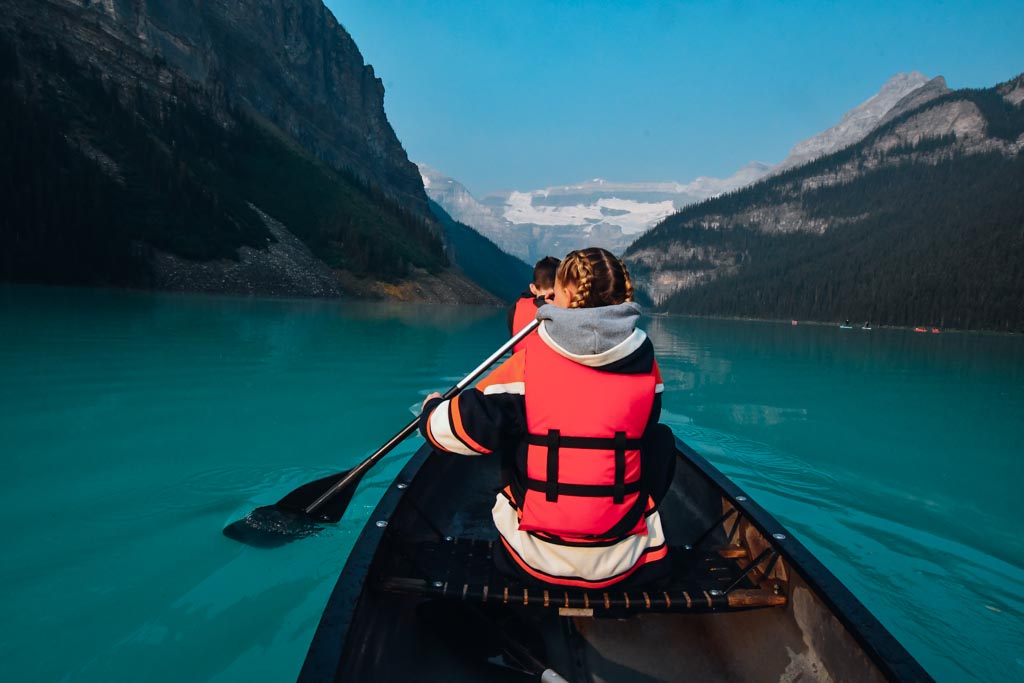
Book the early morning Moraine Lake Bus shuttle to Moraine Lake first — the light is best before 9am. Then make your way to Lake Louise in the afternoon for canoeing or the lakeside walk. Both are accessible via shuttle.
Most front-country campsites open for reservations in January or February for the upcoming summer. The best sites sell out within hours of release — sometimes within minutes on the morning reservations go live. Set a calendar alert and be ready to book the moment reservations open.
Banff is in Alberta, Canada, and locals prefer Canadian cash, but US cash is widely accepted. You’ll find most businesses take credit cards as well. (I have yet to find one that doesn’t.)
Plan Your Banff Adventure
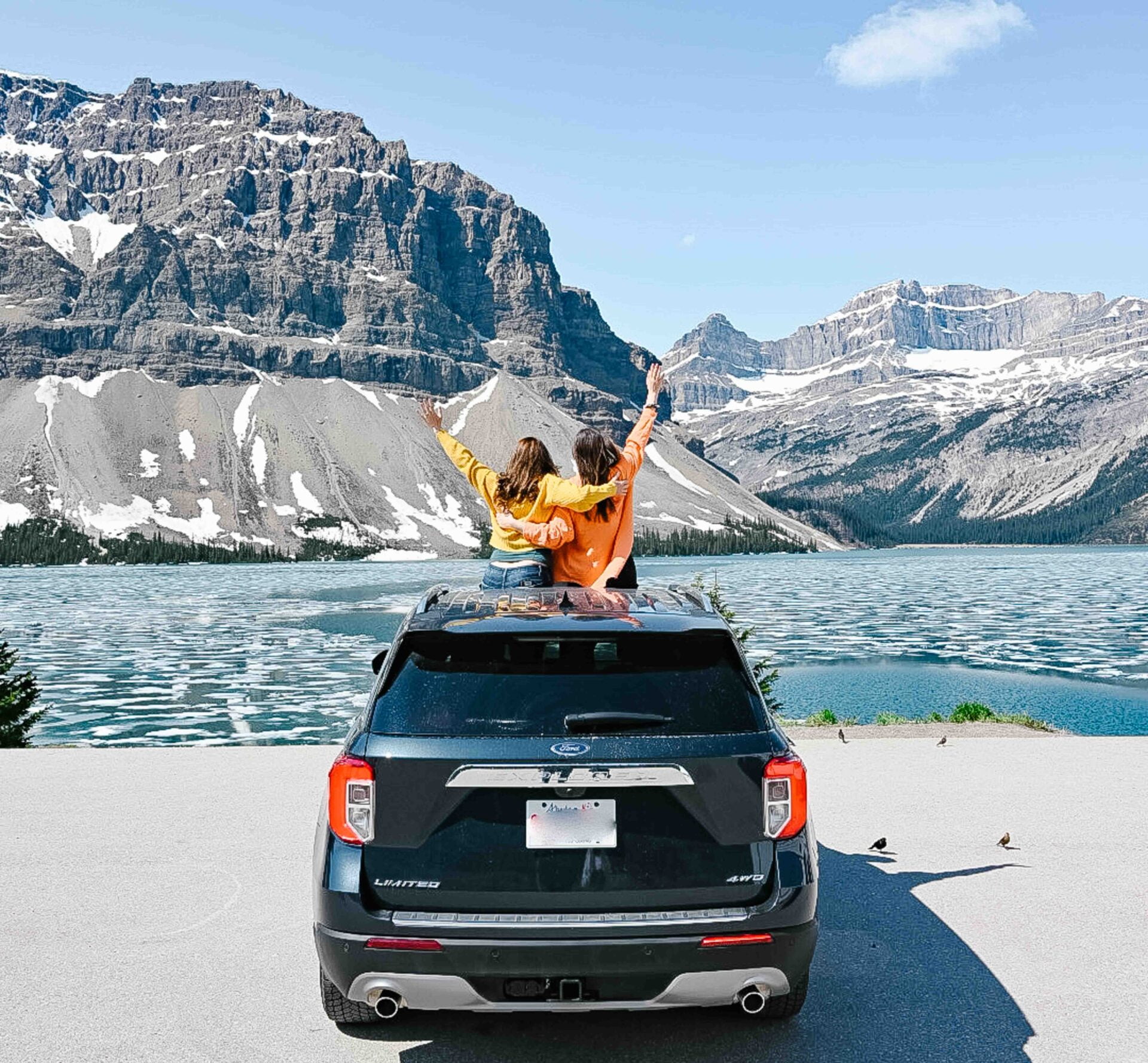
Four days in Banff will leave you with a full heart and a very long list of reasons to come back. (I promised you’l be hooked like me and start planning your next trip before you’ve even left!) Whether you’re there for the hiking, the food, the wildlife, or just the simple act of standing in front of a turquoise glacial lake wondering how a place this beautiful actually exists — Banff will deliver.
Start planning early. Book your accommodation, your Moraine Lake shuttle, and your Parks Canada Authentics spot (if that’s your style) well in advance. Everything else? Let the mountains surprise you.
Have questions about planning your Banff trip? Drop them in the comments below — we’d love to help!
Some links in this article are affiliate links. If you book through them, we may earn a small commission at no extra cost to you — which helps keep Adventure Awaits running. We only recommend experiences we genuinely love.